



The Legacy of the Mamiya CWP 35mm SLR
The Mamiya CWP is a 35mm SLR from the era when cameras were simple, metal, and built to last. No touchscreens, no endless menus—just a bright viewfinder, a dependable shutter, and a fast 55mm standard lens that encourages you to slow down and really see.
Imagine spotting a slightly dusty Mamiya CWP on a lower shelf in a local thrift shop, its leatherette still intact, the 55mm f/1.8 glass surprisingly clean. You wind the lever, fire the shutter, and realize it still sounds crisp and confident decades after it left the factory—that quiet click is the moment you know this camera deserves a second life.
Where many vintage cameras leaned on electronics that have not aged well, the CWP’s largely mechanical design and straightforward metering make it a reliable choice for shooters who value longevity. It sits in the same conceptual family as other classic SLR film cameras, but with the rugged charm and optical pedigree Mamiya built its reputation on.

Lens and Build: What Makes the Mamiya CWP Stand Out
Mamiya/Sekor SX 55mm f/1.8: The Heart of the Kit
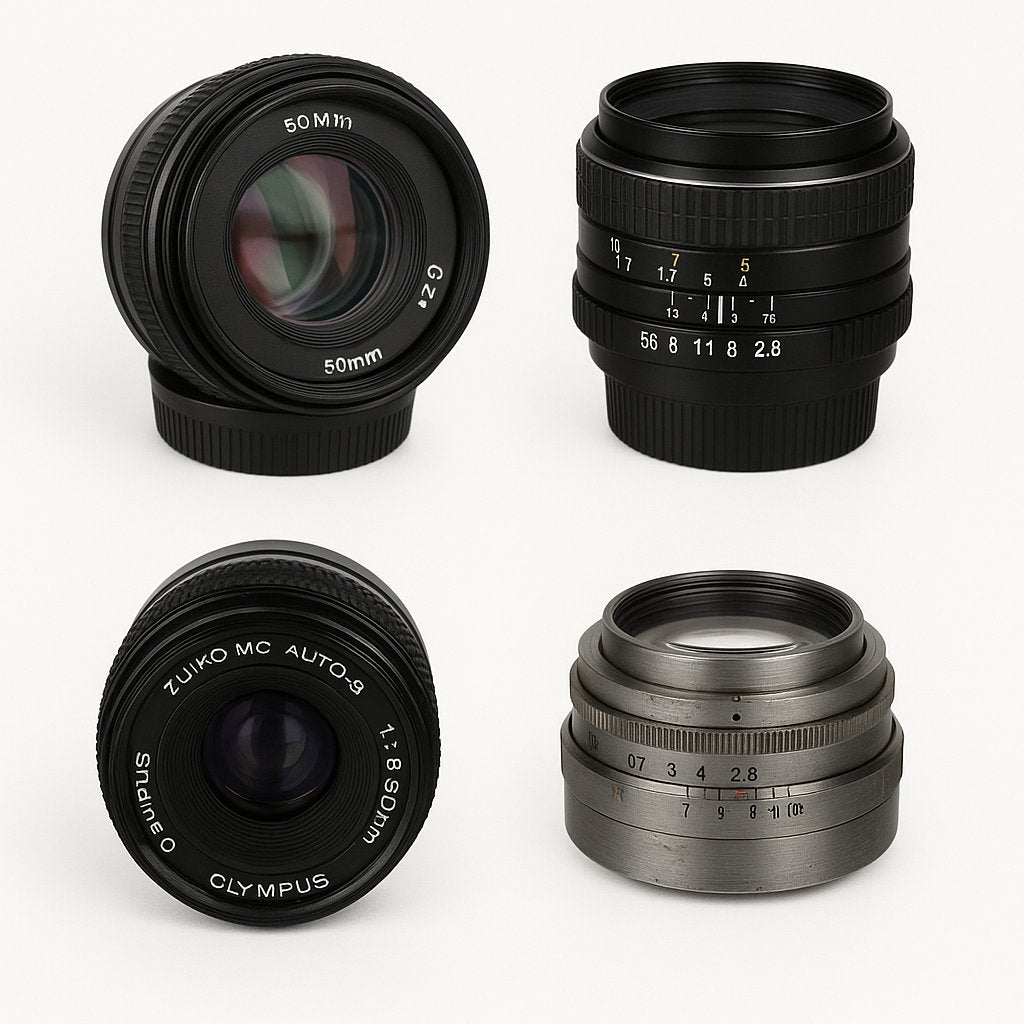
The included Mamiya/Sekor SX 55mm f/1.8 is a classic fast standard lens. Wide open at f/1.8 it offers creamy, characterful bokeh and a gentle glow around highlights; stopped down it becomes remarkably sharp, ideal for general shooting, travel, and portraits.
Focusing is fully manual, with a long, smooth throw that makes precision easy. The lens’s rendering has the vintage look many photographers now try to emulate with presets: soft color transitions, natural contrast, and a subtle three‑dimensional “pop” when you nail focus.

Build Quality and Handling
The Mamiya CWP body is unapologetically solid. Its metal construction, mechanical controls, and traditional shutter-speed dial are designed for years of use, not obsolescence. The viewfinder is bright enough for manual focusing, and the shutter-speed and aperture rings fall naturally under your fingers.
Using the CWP Today: Creative Applications
Film Choices and Exposure
The CWP pairs beautifully with widely available ISO 100–400 films. ISO 100 color stocks are perfect for bright days and fine grain, while ISO 400 films give you more flexibility in mixed light and street settings without sacrificing too much detail.
- Load ISO 100–400 film for balanced exposure.
- Replace PX625 cell with modern Wein or zinc-air alternative.
- Use smartphone light meter apps to confirm exposure accuracy.
- Support the camera under the lens barrel when shooting handheld.
- Inspect shutter, meter, mirror dampers, and seals.
- Verify focusing smoothness of 55mm f/1.8 lens.
- Budget $40–60 for a CLA (clean, lubricate, adjust).
- Always request sample images before purchase.
Creative Shooting Ideas
At f/1.8, the 55mm lens is ideal for portraits with soft backgrounds, low‑light interiors, and night scenes lit by street lamps and signage. Stop down to f/8 for crisp landscapes or architectural details. The 55mm focal length also encourages thoughtful composition—close enough for environmental portraits, but long enough to avoid distortion.
For photographers who also shoot digital, the Mamiya/Sekor SX 55mm f/1.8 can be adapted to many mirrorless systems with the right M42 adapter. That way, you can enjoy the same vintage rendering on both film and digital bodies.
Buying a Mamiya CWP Second-Hand: What to Check
Key Mechanical Checks
When shopping the second‑hand market or browsing analog cameras online, condition matters as much as price. Take your time with these checks:
Shutter and film advance: Fire the shutter at several speeds and listen for hesitation or irregular sounds. The advance lever should feel firm and consistent.
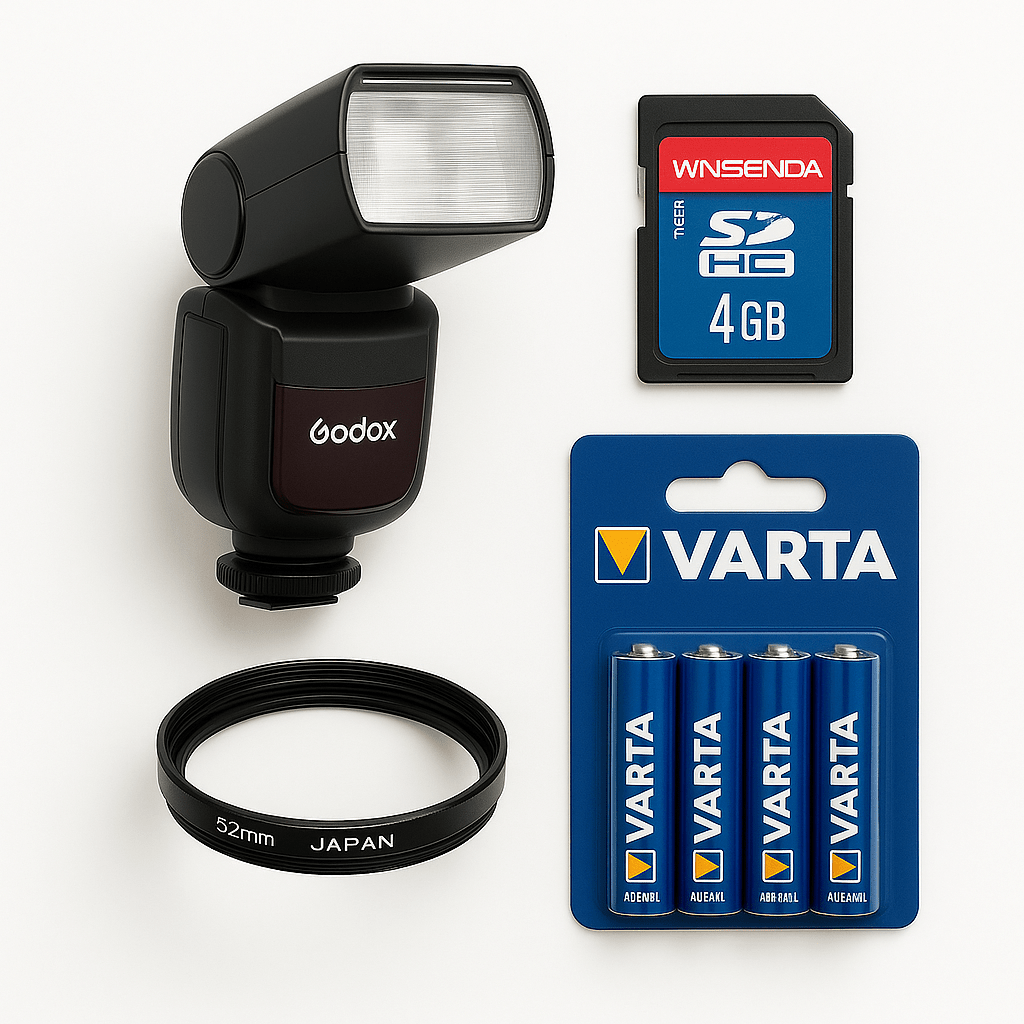
Meter and battery: The original PX625 mercury cell is long discontinued, so plan on a Wein cell or zinc‑air alternative. Use a smartphone light meter app to compare readings and confirm the meter is at least in the right ballpark.
Mirror dampers and seals: Foam around the mirror box and film door can degrade into sticky residue that causes light leaks or mirror slap. Replacing these is straightforward and often done during a CLA.
Lens Condition and CLA
Inspect the Mamiya/Sekor SX 55mm f/1.8 carefully. Focusing should be smooth without grinding or stiffness, and the aperture blades should move cleanly with no oil visible. Minor dust is normal; haze, fungus, or separation are not.
Expect to budget around $40–60 for a professional CLA (clean, lubricate, adjust) if it hasn’t been serviced recently. It’s a modest investment that can restore accurate shutter speeds, smooth advance, and reliable focusing for many more years of use.
At DutchThrift, we routinely inspect bodies and camera lenses for these common issues, but knowing what to look for yourself will always help you make better decisions when buying second‑hand.
Why the Mamiya CWP Endures in 2025
A Tactile Alternative to Digital
In 2025, when most cameras are screens with lenses attached, the Mamiya CWP offers something different: an unmediated, mechanical connection to photography. You advance the film, feel the shutter fire, and wait to see your results. That delay is part of the magic—and part of why so many photographers are returning to film.
The CWP’s durability means many copies still function beautifully, and its compatibility with standard 35mm cartridges keeps it practical. Paired with its 55mm f/1.8 lens, it delivers images with character that stand apart from the ultra‑clean, clinical look of modern sensors and glass.
Value and Sustainability
Well‑kept Mamiya CWP kits typically sell in the $150–200 range when body and lens are both in solid working condition. That price, plus a possible CLA, still compares favorably to many entry‑level digital setups while offering an entirely different experience.
Choosing a second‑hand CWP is also an inherently sustainable decision. Extending the life of a camera already in circulation reduces demand for new manufacturing and keeps classic gear out of landfill—exactly the ethos behind curated, used‑gear shops like DutchThrift.
FAQs
Is the Mamiya CWP good for beginners? Yes. Its fully manual controls teach exposure fundamentals while staying simple and robust, making it an ideal camera for learning the basics of film photography.
Can I use the Mamiya/Sekor SX 55mm f/1.8 lens on digital cameras? Yes. With an appropriate M42 adapter, the lens mounts on many mirrorless cameras, giving you a distinctive vintage look with creamy bokeh and soft color transitions.
What kind of film works best with the Mamiya CWP? ISO 100–400 color negative films such as Kodak Gold or Portra work beautifully, as do classic black‑and‑white emulsions like Ilford HP5+ for a timeless, grainy aesthetic.
What should I expect to pay for a clean Mamiya CWP kit? Most clean, working kits with the 55mm f/1.8 lens fall between $150 and $200. Adding a CLA service on top of that helps ensure reliable performance for years to come.
If the Mamiya CWP’s mix of simplicity, durability, and character appeals to you, explore our selection of vetted analog cameras, SLR film cameras, and matching camera lenses to find a classic that fits your style.