



A Compact Legacy: The Story Behind the Fujica Pocket 250
The Fujica Pocket 250 is one of those cameras that fits quietly into a jacket pocket, yet carries an entire era of photography with it. Designed for 110 cartridge film, it belongs to the generation of tiny point-and-shoots that made casual snapshots accessible far beyond the world of serious SLRs and rangefinders.
Unlike larger analog cameras, the Pocket 250 was never about technical perfection. It was about being ready when life happened: a quick portrait on the train, a street scene at the market, or a sunny afternoon in the park. That spirit of spontaneity is exactly why it still feels relevant today.

On a bright spring day, I took a Fujica Pocket 250 out for a first roll of 110, wandering through a busy city street. The negatives came back slightly soft, with gentle vignetting and the occasional motion blur where I had snapped too quickly.
The portraits of strangers waiting at traffic lights were far from perfect, but the grain, light leaks, and slight skew in the frame made them feel more like memories than documents—a tiny, pocket-sized diary of that afternoon.
Technical Overview of the Fujica Pocket 250
Core features in a tiny body
The Fujica Pocket 250 is a straightforward 110 film camera. It features a fixed-focus lens designed to capture most scenes from typical snapshot distances, with automatic exposure powered by AA batteries. A built-in flash makes it usable indoors or on overcast days, though this camera shines most in good light.

Practical checklist for operation
To keep this vintage pocket camera working smoothly, follow this simple checklist whenever you load a new roll or pick up a second-hand body:
- ✓ Load fresh 110 cartridge film
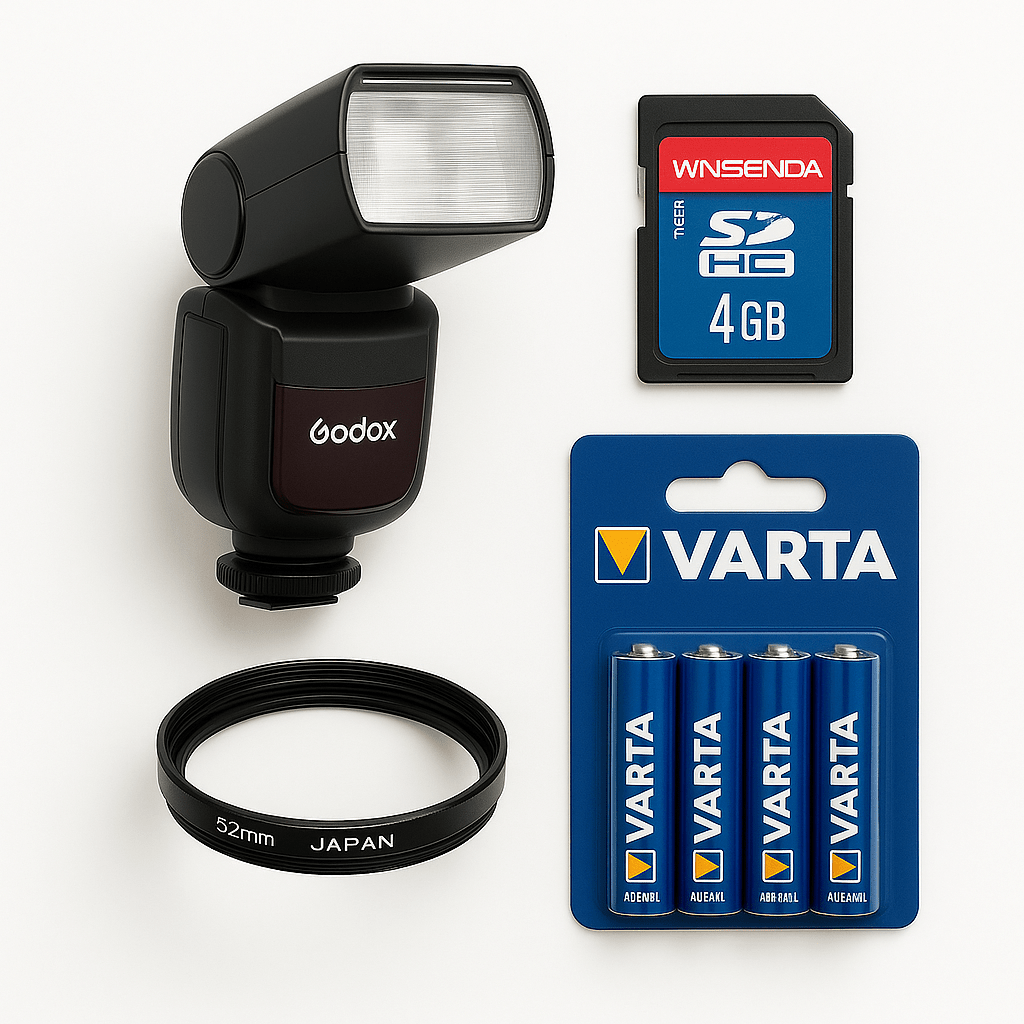
- ✓ Insert AA batteries for flash operation
- ✓ Shoot in daylight for best exposure
- ✓ Advance film carefully after each shot
- ✓ Request high-res scans for digital sharing
- ✓ Inspect battery contacts for corrosion
- ✓ Test shutter and film advance
- ✓ Ensure film door latch works smoothly
- ✓ Verify built-in flash charges properly
Using the Fujica Pocket 250 in 2025
Film and processing today
Despite its age, the Fujica Pocket 250 is absolutely usable in 2025. Fresh 110 film is still produced by specialist brands, and many labs can both develop and scan 110 negatives. When sending your film in, always request high-resolution scans so you can share your tiny-frame images online or archive them alongside your digital files.
The automatic exposure keeps the shooting process simple, but the small negative benefits most from bright, even light. That makes the Pocket 250 a natural companion for travel, city walks, and sunny weekend trips.
Combining analog charm with digital workflows
If you’re used to modern digital compact cameras, the slower pace of 110 film can feel refreshing. Each cartridge typically offers a limited number of frames, encouraging you to think more carefully while still staying spontaneous.
Once scanned, the images can be shared, printed in small zines, or combined with smartphone photos in one cohesive visual story. The imperfections of the 110 format often stand out beautifully in a digital feed full of ultra-sharp images.
Who the Fujica Pocket 250 Is Perfect For
Beginners and curious experimenters
The Fujica Pocket 250 is ideal for anyone curious about film photography but intimidated by complex manual controls. The fixed-focus lens and automatic exposure remove most technical barriers, letting you concentrate on composition and timing.
It’s also perfect for younger photographers who want to explore analog techniques without handling a heavy, fragile system. The pocketable design makes it easy to carry on school trips, city breaks, or daily commutes.
Street shooters and memory keepers
Because it looks unassuming, the Pocket 250 is a discreet street camera. People rarely feel intimidated by a tiny vintage 110 camera, which can lead to more natural expressions and candid moments. It also makes a wonderful “memory maker” at small gatherings, replacing disposable cameras with a reusable, characterful alternative.
Buying a Fujica Pocket 250 Second-Hand
What to check before you buy
When choosing a Fujica Pocket 250 from a second-hand shop or online listing, a quick inspection goes a long way toward ensuring reliable shooting:
- Inspect battery contacts for corrosion or rust.
- Test shutter and film advance by dry firing without film.
- Ensure film door latch works smoothly and closes firmly.
- Verify built-in flash charges properly and fires.
A well-kept pocket camera should feel solid despite its small size. Avoid bodies with badly deformed doors or heavy oxidation inside the battery compartment, as repairs can be uneconomical.
Pairing with the right accessories
Although the Fujica Pocket 250 needs little to get started, a few thoughtful extras can improve your experience: a soft pouch or case, a wrist strap, and perhaps a small cleaning kit. You can find sustainable, second-hand options in our curated selection of photography accessories.
Creative Project Ideas with the Pocket 250
Lo-fi projects with high emotional impact
The unique look of 110 negatives suits projects where mood matters more than detail. Consider:
- A pocket travel diary: one cartridge per trip, printed as a small booklet.
- Intimate portrait series of friends and family at home.
- Nighttime experiments using the built-in flash and bold colors.
- A “small objects” project, capturing everyday items from your desk to your kitchen.
The limited resolution of 110 pushes you toward simple compositions and strong shapes, which can be a surprisingly powerful creative constraint.
Conclusion: Why This Mini Film Camera Still Matters
The Fujica Pocket 250 may not compete with modern sensors or professional film systems, but that is precisely the point. It encourages you to slow down, accept imperfection, and celebrate everyday scenes that might otherwise go unnoticed.
In a world of endlessly upgradable gear, choosing a small, second-hand 110 camera is a sustainable way to reconnect with photography’s tactile roots. Whether you’re just starting with film or adding a playful extra to your kit, the Fujica Pocket 250 offers a charming, compact doorway into analog creativity.
FAQs
Can I still buy film for the Fujica Pocket 250? Yes. Fresh 110 cartridge film is still produced by specialist brands such as Lomography and Fukkatsu. You can choose from color negative stocks for vibrant snapshots or black-and-white options if you prefer a classic, timeless look.
Does the Fujica Pocket 250 need batteries to function? Yes. AA batteries power the camera’s automatic exposure system and built-in flash. The mechanical film advance will still work without batteries, but the flash will not fire and exposure may be unreliable, so fresh batteries are recommended.
Is the Fujica Pocket 250 suitable for beginners? Absolutely. Its automatic exposure and fixed-focus lens make it very accessible for first-time film shooters. You can focus on framing and timing, learning the feel of analog photography without worrying about complex settings.
What should I check before buying a used Fujica Pocket 250? Inspect the battery contacts to ensure there is no heavy corrosion, test the shutter and film advance, and confirm that the built-in flash charges and fires. Also check that the film door latch closes securely so light cannot leak onto your film.
Ready to explore tiny-format film with a sustainable, second-hand gem? Discover more vintage 35mm and 110 analog cameras and build a characterful kit that fits easily into your everyday life.