



Introduction: A Medium Format Classic for Modern Vision
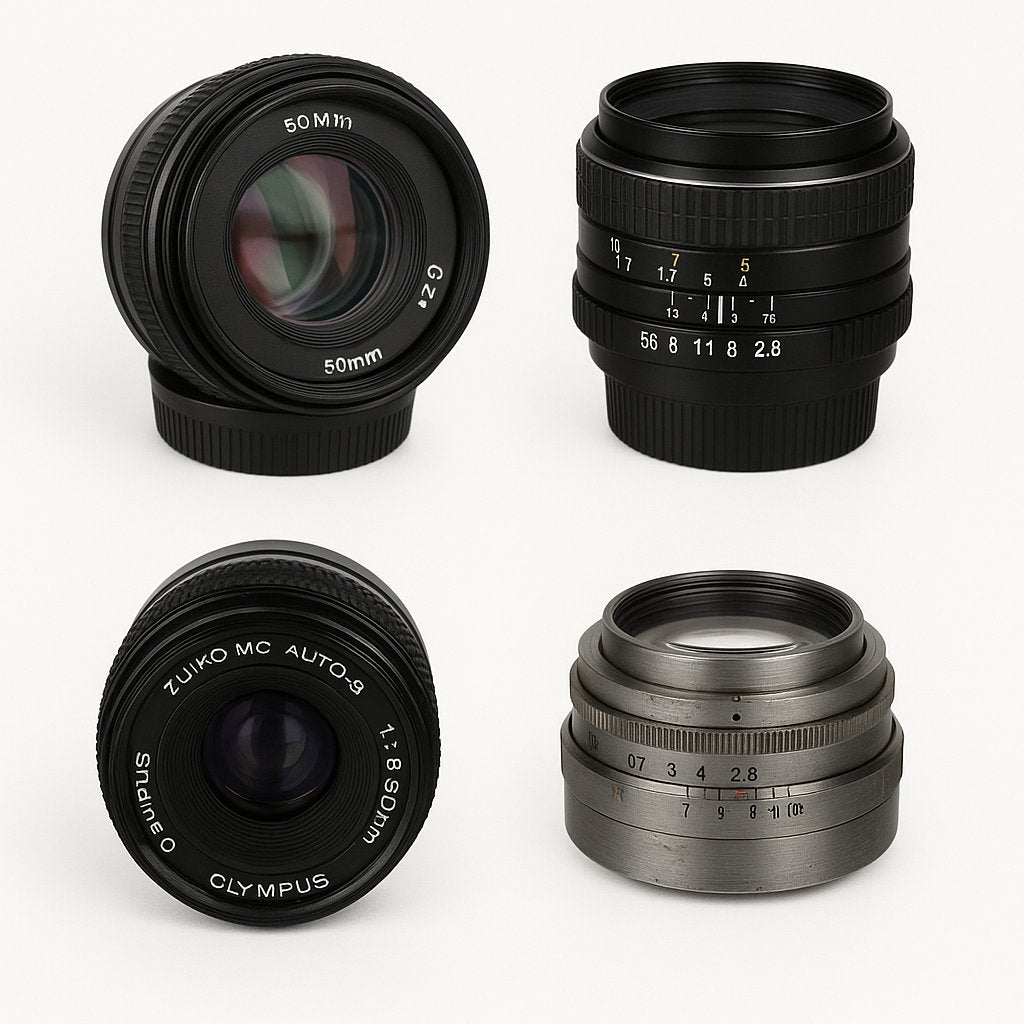
The Zenzanon MC 1:3.5 150mm for Bronica mount is one of those lenses that quietly survives every trend cycle. Built for medium-format Bronica SLRs, it was designed to draw detail-rich negatives with a natural, flattering compression. In 2025, it has found a second life on digital and hybrid setups, from mirrorless bodies to digital backs.
This 150mm is a telephoto workhorse: long enough for portraits and tight landscapes, yet compact enough to live in your bag. Its rendering is recognisably vintage without being soft or hazy, offering a balance of sharpness, contrast, and smooth bokeh that modern shooters often try to reproduce in post.
The first time I adapted a vintage medium-format lens to a mirrorless body, I expected mushy corners and frustrating focusing. Instead, I was struck by how decisively the focus snapped in with peaking enabled, and how the manual experience slowed me down in the best possible way—each frame felt intentional, and the rendering had a depth that modern kit zooms rarely deliver.

Optical Heritage and Design Details
Classic medium-format telephoto look
The Zenzanon MC 150mm was designed to resolve larger 6×4.5 and 6×6 negatives, which means its image circle far exceeds that of most digital sensors. On film Bronica bodies, it delivers edge-to-edge clarity stopped down, with a subtle roll-off toward the corners wide open that adds a gentle, organic feel.
The multi-coating (MC) helps control flare and boosts contrast, especially when shooting backlit portraits. Colours lean natural rather than overly saturated, giving you a versatile starting point for both darkroom and digital grading.
Ergonomics built for focus precision
Physically, the lens is reassuringly dense, with a long, well-damped focus throw that makes precise focusing at 150mm surprisingly intuitive. The broad focus ring offers consistent resistance, ideal for the micro-adjustments portrait and product photography demand.

Technical Highlights That Endure
Key specifications at a glance
The 1:3.5 maximum aperture might seem modest next to modern ultra-fast primes, but on medium format and adapted digital bodies it remains very usable. Depth of field is shallow enough for separation and bokeh, without being so thin that it becomes unmanageable for portraits.
The optical formula prioritises consistent sharpness across the frame, especially between f/5.6 and f/11, where many landscape and studio shooters will live. Chromatic aberration is well controlled for a lens of this vintage, with only subtle fringing in high-contrast edges that is easy to correct.
Bokeh, flare, and character
Out-of-focus areas are smooth and calm, with specular highlights that remain round and soft toward the edges. The MC coating keeps veiling flare in check, but strong backlight can create pleasing ghosting and contrast drops that many digital-only lenses actively avoid.
Adapting the Zenzanon 150mm for Digital and Hybrid Use
Choosing the right adapter
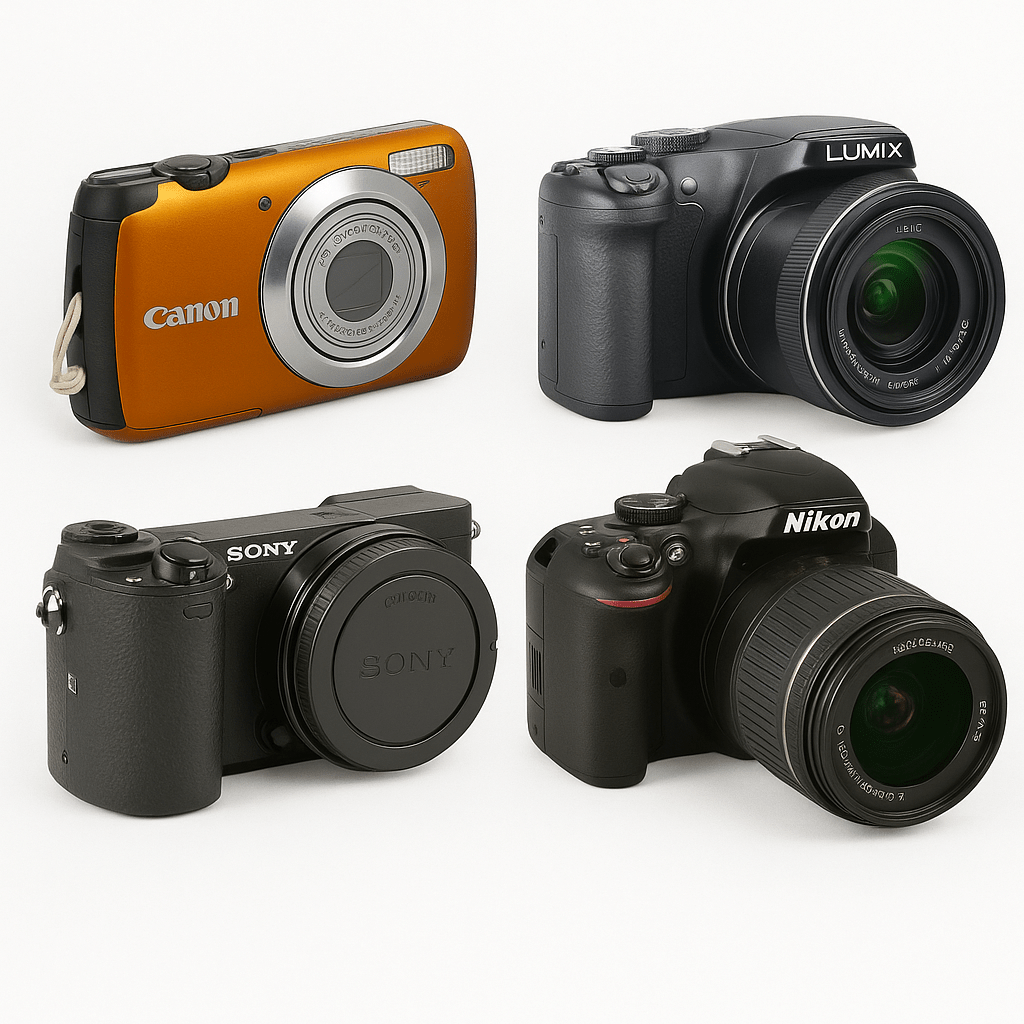
The Zenzanon MC 150mm can be adapted to popular mirrorless mounts such as Sony E, Nikon Z, Canon RF, and Fujifilm GFX. Because it was designed for a longer flange distance, there is ample room for a simple mechanical adapter with no glass elements.
- Use reliable adapters (Fotodiox, K&F).
- Enable focus peaking for mirrorless use.
- Check for vignetting and adjust framing accordingly.
- Experiment under controlled lighting to enhance bokeh flair.
- Ensure focus ring turns smoothly without looseness.
- Inspect for internal haze or fungus.
- Confirm clean, snappy aperture blades.
- Check mount bayonet for wear or misalignment.
Using focus aids and framing
On modern bodies, focus peaking and magnified live view transform the manual-focus experience. The long throw lets you nail focus on eyes at portrait distances, while the oversized image circle often covers even larger sensors like GFX with minimal vignetting.
On smaller full-frame or APS-C sensors, you are effectively using the sweet spot of the glass, which improves sharpness and reduces optical quirks. Any residual vignetting can be embraced for mood or corrected in post.
If you still shoot analog cameras, pairing this 150mm with a Bronica body keeps you connected to its original intent, while an adapter on your mirrorless system turns it into a bridge between film and digital workflows.
Buying Guide: What to Inspect in a Second-Hand Zenzanon
Mechanical checks
When buying this lens second-hand, mechanical condition is just as important as optical clarity. A healthy copy should feel solid, with no wobble in the barrel.
Rotate the focus ring from minimum distance to infinity and back. It should turn smoothly without tight spots, scratching, or play. Test the aperture ring through the full range and confirm that the blades snap cleanly when actuated and remain free of oil or discoloration.
Optical and mount inspection
Hold the lens up to a bright light and inspect for internal haze, separation, or fungus. Light dust is normal for a lens of this vintage, but cloudy patches or web-like growth inside the elements can affect contrast and value.
Check the Bronica bayonet mount for wear, dents, or misalignment, especially if the lens has seen professional use. A clean, undamaged mount ensures a solid fit on both film bodies and adapters.
Buying used from a specialist in camera lenses also reduces risk, as major issues are typically checked and described before listing.
Why It Still Matters in 2025
A sustainable alternative to new glass
Reusing a Zenzanon MC 150mm in 2025 is not just an aesthetic choice; it is a sustainable one. Extending the life of existing optics reduces demand for new production and keeps characterful glass in circulation instead of on a shelf.
In a world of plastic-bodied autofocus zooms, an all-metal manual lens changes how you shoot. It slows you down, invites intention, and rewards careful composition.
Creative flexibility for stills and video
For video, the long, smooth focus throw is a gift. On digital cinema and mirrorless cameras, the Zenzanon 150mm supports elegant, controlled focus pulls that feel far more tactile than short-throw autofocus lenses. Its consistent look across apertures makes it easier to match shots during editing.
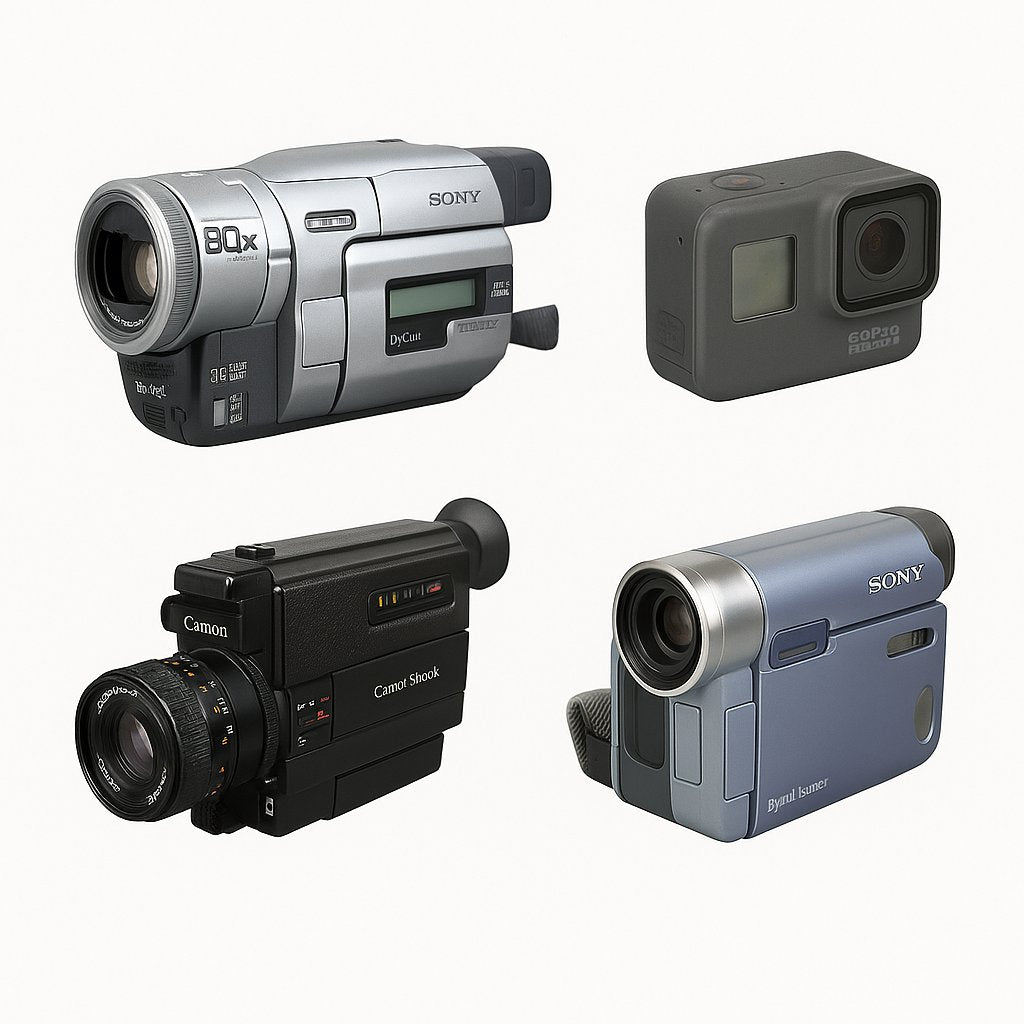
If you are building a characterful, budget-conscious kit for portraits, short films, or studio work, combining this lens with a couple of shorter primes and perhaps a vintage telephoto for your videocameras gives you a distinctive, cohesive visual identity.
FAQs
Can the Zenzanon MC 150mm be used on modern digital cameras? Yes. With a suitable mount adapter, it can be used on mirrorless systems such as Sony E, Nikon Z, Canon RF, or Fujifilm GFX, often providing nearly full image-circle coverage.
What should I check before buying a second-hand Zenzanon 150mm lens? Inspect that the focus ring is smooth, aperture blades are clean and responsive, the mount is undamaged, and the optics are free from haze or fungus.
What’s the best way to clean or care for this vintage lens? Avoid harsh solvents. Use a blower first, then a microfiber cloth if needed, store it in a dry cabinet or with desiccant, and occasionally cycle the aperture to keep the mechanism limber.
Is the Zenzanon 150mm suitable for video work? Absolutely. Its long, damped focus throw and consistent rendering make it ideal for deliberate focus pulls and telephoto shots on digital cinema and mirrorless cameras.
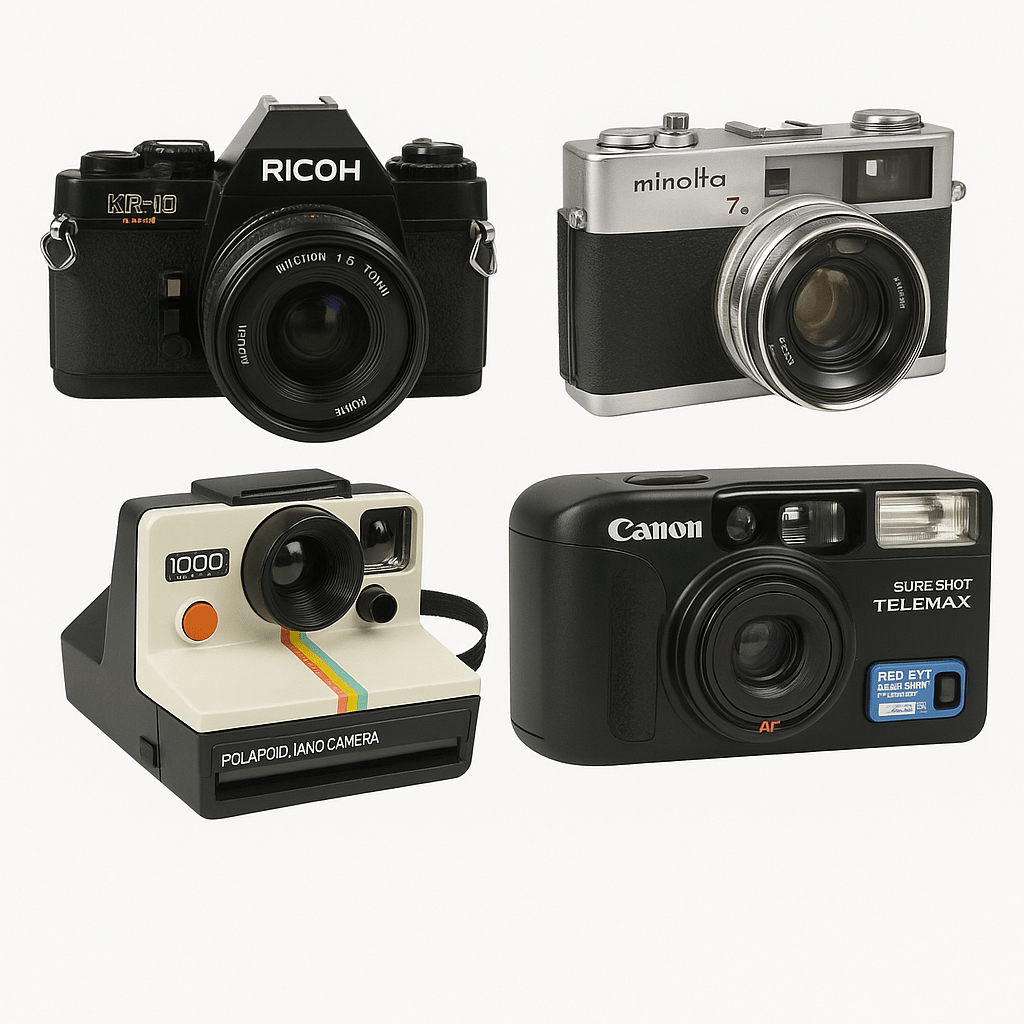
If this classic medium-format telephoto speaks to your style, explore more curated, tested second-hand lenses and bodies in our camera lenses, analog cameras, and videocameras collections at DutchThrift.com.