



A Vintage Lens that Endures: The Takumar 135mm f/2.5 Story
The Takumar 135mm f/2.5 is one of those lenses that quietly refuses to disappear. Built for M42 screw‑mount film cameras decades ago, it still finds its way onto mirrorless bodies, rigged gimbals, and even cinema setups in 2025. Its enduring appeal lies in a simple mix of qualities: solid metal construction, a bright f/2.5 aperture, and a distinctly vintage look that modern glass rarely matches.
At 135mm, it sits in the classic telephoto portrait range. On full‑frame it gives you tight, flattering compression; on APS‑C it behaves closer to a 200mm equivalent, ideal for detail shots, stage work, and compressing cityscapes. That flexibility, combined with its modest used price, makes it one of the most approachable entry points into serious vintage glass.
I first picked up a vintage Takumar on a whim at a flea market—screwed it onto a mirrorless body with a cheap adapter, pointed it at a backlit window, and was stunned. The flare rolled in like a soft haze, backgrounds melted away, and the focus ring felt like turning a well‑oiled vault handle—slow, deliberate, and oddly calming.
Build and Image Quality: Why Photographers Still Love It
All‑metal craftsmanship that feels built to last
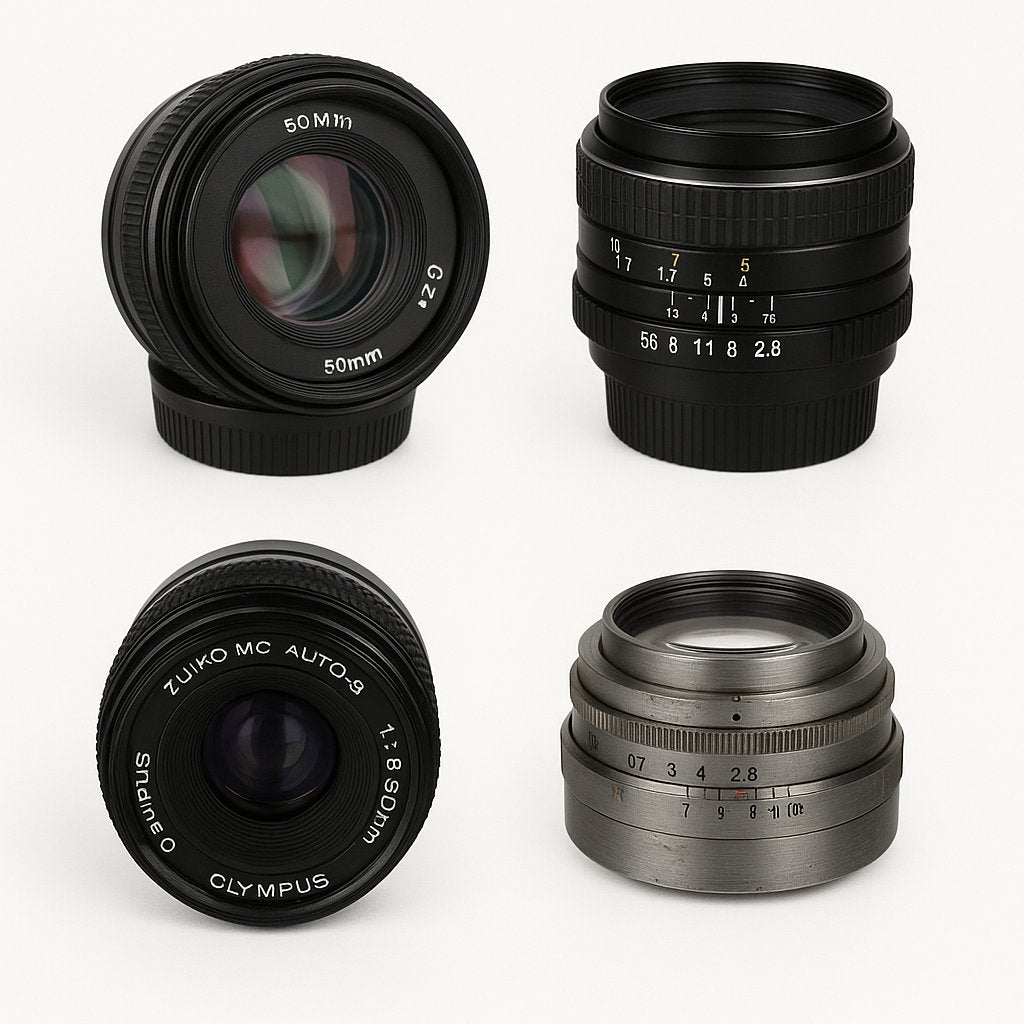
The Takumar 135mm f/2.5 comes from an era when lenses were made mostly of metal and glass. There is a reassuring density to it, without feeling unwieldy. The focus ring is broad and grippy, with a long, precise throw that makes critical focusing at f/2.5 surprisingly intuitive.

There is no autofocus, no image stabilization, and no electronic contacts—just the bare essentials done extremely well. That tactile feel is part of the charm; it encourages you to slow down and make each frame count.
Rendering: sharp where it counts, soft where it flatters
Wide open at f/2.5, the Takumar provides a pleasing mix of sharpness on your subject and gentle roll‑off into the background. Contrast is moderate rather than clinical, and colors lean slightly warm, lending skin tones a classic, filmic quality.
Stopped down to f/4–f/5.6, the lens sharpens up across the frame and becomes very usable for landscapes and architecture. It will not match modern high‑end lenses in lab tests, but it delivers something else many photographers crave: character.
Using the Takumar 135mm f/2.5 on Modern Cameras
Adapting the M42 mount
To mount the Takumar 135mm f/2.5 on today’s mirrorless bodies, you just need a simple M42 adapter. These adapters are widely available for Sony E, Canon RF, Nikon Z, Fujifilm X, and Micro Four Thirds systems.
- ✅ Use a high-quality M42 adapter for your camera system.
- ✅ Enable focus peaking or magnification to ensure sharp focus.
- ✅ Keep shutter speed above 1/200s for handheld telephoto shots.
- ✅ Attach a lens hood to reduce flare and improve contrast.
- ✅ Try a variable ND filter for outdoor portrait work at f/2.5.

Camera settings for stills and video
Because 135mm exaggerates hand shake, treat it like any other telephoto. Aim for a shutter speed of at least 1/200s for stills, faster if your subject is moving. For portraits in bright daylight, a variable ND filter will let you stay at f/2.5 without blowing highlights, keeping that creamy background separation.
For video, the smooth and slightly damped focus ring works wonderfully with focus peaking or an external follow focus. The lens’s vintage rendering can instantly give your footage a more cinematic, less “digital” edge.
Buying Second-Hand: What to Inspect Before You Commit
Core checks for any vintage Takumar 135mm f/2.5
Decades of use and storage conditions can leave their mark on any vintage lens. A careful inspection helps you avoid surprises and extend the life of your gear.
- 🟢 Focus ring moves smoothly with mild resistance.
- 🟢 Glass shows no internal haze or fungus.
- 🟢 Aperture blades are clean, not oily or stuck.
- 🟢 Serial and lettering are intact, showing authentic make.
Look closely under strong light for scratches, coating damage, or internal dust clusters. A little dust is normal and rarely visible in images, but haze or fungus can dramatically reduce contrast and may spread if stored with other lenses.
Why second‑hand is a sustainable choice
Choosing a vintage Takumar over a new plastic telephoto is not just a budget decision; it is a sustainability choice. Reusing existing optics reduces demand for new manufacturing and keeps well‑engineered glass in active circulation. Shops that specialize in second‑hand camera lenses and photography accessories help ensure each piece is checked, cleaned, and ready for its next chapter.
Why the Takumar 135mm f/2.5 Still Belongs in Your 2025 Kit
A creative tool, not just a budget backup
In 2025, the Takumar 135mm f/2.5 is not competing with the latest autofocus telephoto; it is offering something different. It slows you down, invites manual control, and rewards careful composition with images that have depth and personality.
For portrait shooters, it provides flattering compression and a unique rendering at a fraction of the cost of modern fast telephotos. For videographers, it is a gateway into building a set of matched vintage primes with consistent character. For everyday enthusiasts, it is simply fun—a solid, tactile lens that makes you want to shoot.
Where it shines in real‑world use
- Outdoor portraits with soft, separated backgrounds.
- Urban details and compressed city skylines.
- Stage performances from the audience, thanks to the extra reach.
- Cinematic B‑roll with a warm, slightly nostalgic tone.
FAQs
Is the Takumar 135mm f/2.5 compatible with modern digital cameras? Yes, with the right M42 adapter it works beautifully on most mirrorless systems, including Sony E, Canon RF, Nikon Z, Fujifilm X, and Micro Four Thirds bodies.
How does the Takumar 135mm compare in feel to modern lenses? It lacks autofocus and electronic communication, but offers a superior manual focus feel, with a long, smooth throw and a warm, characterful rendering unlike many modern clinical optics.
What are common issues to watch for when buying a used Takumar 135mm? Check carefully for internal haze, fungus, stiff or gritty focusing, oily or sticking aperture blades, and excessive yellowing from aging glass or coatings.
Can I use this lens for video filming? Yes, it is excellent for cinematic video thanks to its smooth focusing, distinct vintage look, and easy compatibility with adapters, follow focus systems, and modern mirrorless video cameras.
Ready to explore vintage telephoto magic for yourself? Browse our curated second‑hand camera lenses, pair them with reliable photography accessories, and mount them on your favorite digital cameras to give classic glass a new life.