



A Brief Look Back at the Sony Cyber-Shot DSC-W50
The Sony Cyber‑Shot DSC‑W50 belongs to an era when compact digital cameras were the tool of choice for family trips, city breaks, and first attempts at serious photography. It is small, metal, pocket‑friendly, and built around a CCD sensor that gives images a distinct, gently nostalgic character.
While today’s phones chase resolution and HDR wizardry, the DSC‑W50 does something different: it delivers straightforward, charming photos that feel immediately personal, with colors and contrast that many creators now actively seek out for retro‑styled projects.

I once pulled an old DSC‑W50 from a forgotten drawer, expecting nothing. The first files I saw on screen had a soft, almost tactile texture my modern mirrorless couldn’t imitate; skin tones rolled off gently, highlights clipped in a strangely beautiful way, and suddenly this “obsolete” compact felt like a tiny time machine I wanted to carry every day.
What It Offers in Real Terms
Core shooting experience
On paper, the Sony Cyber‑Shot DSC‑W50 is a straightforward point-and-shoot camera. In use, it’s a refreshing break from complexity. You turn it on, the lens extends, and you’re ready to shoot within seconds. There are just enough modes to cover most situations, without burying you in menus or custom functions.
The CCD sensor is the star here. Its rendering tends toward punchy color, crisp daylight performance, and a natural grain in low light that pairs excellently with a subtle analog‑style edit. Dynamic range is limited compared with modern sensors, but this limitation is precisely what gives highlights and shadows their retro bite.
Everyday practicality
The DSC‑W50 is designed for pockets, small bags, and quick weekends away. The zoom range, while modest, handles portraits, details, and casual landscapes with ease. Focus is snappy for stills, and the built‑in flash supports indoor snapshots where your phone might struggle with motion blur.
Creative Uses in 2026
Turning “limitations” into style
In a world of ultra‑clean files, the Sony Cyber‑Shot DSC‑W50 finds a new purpose: being imperfect in a beautiful, consistent way. Its VGA‑level video and CCD stills suit music videos, lo‑fi vlogs, behind‑the‑scenes clips, and experimental photo series meant for social platforms.
Pairing it with a simple editing workflow — soft contrast, a little grain, maybe a warm color shift — produces images that feel like they were pulled from a shoebox of prints rather than a cloud gallery.
Ideas for modern creators
- Run a “one camera, one month” project, shooting only with the DSC‑W50 to develop a signature visual style.
- Use it as a dedicated party or travel camera so you can stay off your phone and be more present.
- Film short, lo‑fi clips and intercut them with smartphone footage for contrast in music videos or reels.
- Build a small zine or print series from a single memory card of W50 images for a cohesive, tactile project.

Practical Tips for Smooth Operation
Essential setup and handling
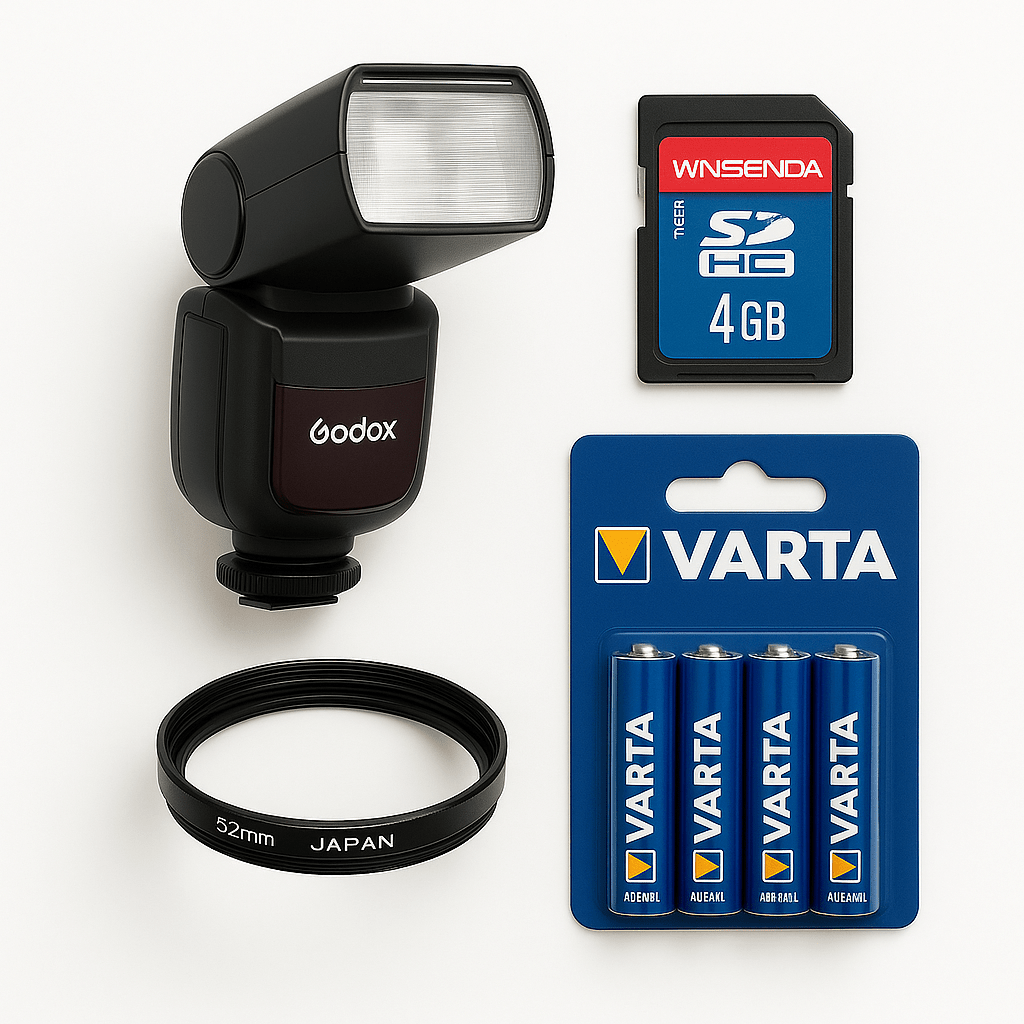
Because the DSC‑W50 is a legacy compact, a few simple habits will keep it running reliably in 2026 and beyond. The most important choices you’ll make are the battery and memory card: using compatible, well‑maintained parts is the difference between a fun retro tool and a frustrating drawer camera.
Once powered, spend a few minutes exploring the menu and icons. Set your preferred image size, enable basic review mode, and test the built‑in flash in a dim room so you know what to expect before a real shoot.
- ✅ Charge a reliable NP-BG1 battery before use.
- ✅ Use 1–2 GB Memory Stick Duo for best compatibility.
- ✅ Test zoom and flash before purchase.
- ✅ Keep contacts clean to prevent misfires.
- 🔋 Carry one spare battery.
- 💾 Format your card in-camera before shooting.
- 🎞️ Edit with mild grain for analog feel.
- 📂 Always back up images right after shooting.
- 🔍 Examine screen for dead pixels.
- 💡 Test flash and lens focus movement.
Buying the DSC-W50 Second-Hand
What to inspect before you commit
Buying a second‑hand Sony Cyber‑Shot DSC‑W50 is as much about condition as it is about price. Scratches on the body are usually cosmetic; the real concern is whether the camera behaves reliably when powered on. Take a moment to work through a basic test checklist.
Start by inserting a charged NP‑BG1 battery and a known‑good Memory Stick Duo. Turn the camera on and off several times, run the zoom from wide to telephoto, and take a few test photos with and without flash. Review them on the screen and, if possible, on a computer to check for odd lines, artifacts, or focus issues.
Sustainability and accessories
Choosing a second‑hand DSC‑W50 is not only budget‑friendly but also a sustainable option. Extending the life of existing gear reduces electronic waste and keeps classic CCD sensors in circulation for creative work. Pair your camera with simple, durable photography accessories like a wrist strap, a compact case, and a USB card reader, and you have an everyday kit that slips into any bag.
Final Thoughts — The Creative Joy of Simplicity
The Sony Cyber‑Shot DSC‑W50 may not compete with contemporary flagships on specs, but that is precisely why it remains so enjoyable. It strips photography back to seeing, framing, and clicking, then rewards you with images that look like memories instead of clinical files.
For creators who value character over perfection — and who appreciate the sustainability of second‑hand gear — the DSC‑W50 is a small, solid reason to leave your phone in your pocket and rediscover how satisfying a simple compact camera can be.
FAQs
Is the Sony Cyber-Shot DSC-W50 still usable today? Yes. With compatible batteries and Memory Stick Duo cards, it remains fully functional for stills and VGA video, making it great for creative retro projects and everyday snapshots.
Where can I find batteries or memory cards for the DSC-W50? NP‑BG1 batteries and Memory Stick Duo cards are still available from dedicated photography resellers and second‑hand marketplaces, often at very accessible prices.
Why do creators like the CCD sensor in this camera? The CCD sensor delivers a distinct vibrancy and texture that modern CMOS sensors rarely match, giving photos a nostalgic, almost film‑like feel that suits experimental and expressive visuals.
What should I check before buying a second-hand DSC-W50? Inspect the lens movement, flash operation, and all buttons for responsiveness, and look for minimal corrosion in the battery and card compartments; cosmetic scuffs are fine if core functions work reliably.
Curious to explore more characterful compacts and sustainable gear? Browse our curated digital cameras, discover your next favorite point-and-shoot, and round out your kit with practical photography accessories at DutchThrift.com.