



A Short History of the Nikon WC-E24 0.66x
The Nikon Wide Converter WC-E24 0.66x dates back to the early days of consumer digital photography. Designed for Nikon’s compact digital cameras, it transformed standard lenses into wider, more immersive tools, especially useful for travel and interior photography.
Back then, dedicated converters like the WC-E24 were a clever answer to fixed-lens compacts: instead of changing the camera, you simply added glass to expand your field of view. Nikon engineered the WC-E24 specifically to keep distortion under control while still giving a dramatic wide look on small sensors.
The first time I picked up an early digital Nikon with a wide converter attached, it felt like discovering a forgotten language. The files weren’t perfect, but the character was undeniable—the slightly soft edges and gentle vignetting pushed me to experiment again, and I realised how much creative fun there is in pairing vintage optics with modern sensors.
Today, the Nikon WC-E24 has found a second life. Mirrorless bodies, adapters, and the growing appreciation for “character glass” have turned this modest converter into a playground for photographers who enjoy bending the rules.
Key Build and Optical Characteristics
Construction and handling
The Nikon WC-E24 is a front-mounted wide-angle converter. Instead of attaching to the camera mount, it screws onto the filter threads of a compatible lens via an adapter ring (often 28mm). The body is compact but solid, with glass elements arranged to stretch your field of view while maintaining reasonable sharpness in the centre.

What 0.66x actually means
The “0.66x” label is the key to understanding this converter. Whatever focal length you start with is multiplied by 0.66. For example, a 35mm lens behaves roughly like a 23mm lens after conversion, while a 28mm becomes about 18.5mm. On smaller sensors, this delivers a dramatic, wide view that still feels natural rather than fisheye.
Image character and optical quirks
Used as intended on modestly sized lenses, the WC-E24 delivers reasonably sharp centres with softer corners and a touch of vignetting. On modern lenses and larger sensors, these quirks become more pronounced—which many creatives actively seek.
- Centre sharpness: surprisingly good stopped down.
- Edges: softer, sometimes with a dreamy glow.
- Vignetting: often visible, especially at wider apertures.
- Distortion: mild barrel distortion, more noticeable on straight lines.
Using the WC-E24 on Modern Mirrorless Cameras
Mounting the converter with adapters
Adapting the Nikon WC-E24 to contemporary mirrorless systems is straightforward once you match the threads. Many compact primes and kit zooms accept 28mm or similar filter sizes via step-up or step-down rings. Once mounted, you can enjoy a wider field of view without investing in a new ultra-wide lens.

Checklist for safe and effective use
- ✔ Test adapter ring size before tightening.
- ✔ Clean both converter and host lens before mounting.
- ✔ Adjust focus manually for best corner performance.
- ✔ Experiment with tilt or misalignment for dreamy edge blur.
- ✔ Examine under strong light for scratches or coating issues.
- ✔ Confirm threads fit 28mm adapter rings.
- ✔ Estimate cost of replacement caps or mounts if missing.
- ✔ Request close-up photos before purchase online.
On mirrorless bodies, live view and focus peaking make it easier to nail focus despite the converter’s added glass. Because depth of field can shift slightly, it is worth checking focus carefully, especially near the frame edges.
Second-Hand Buying Guide for the WC-E24
Price expectations and what’s included
A clean second-hand Nikon WC-E24 typically sells for under $50 USD, with prices influenced by condition and included accessories. Converters with original caps, case, or Nikon-specific adapter rings sit at the upper end of this range, while bare glass can be more affordable.
What to inspect before you buy
When shopping used, it pays to look closely at the glass and threads. Fine cleaning marks are usually harmless, but deeper scratches and fungus can affect contrast and flare resistance.
Ask sellers for strong, angled light photos to reveal any haze or coating damage. Confirm that the threads are clean and not cross‑threaded, especially if you plan to use multiple adapter rings.
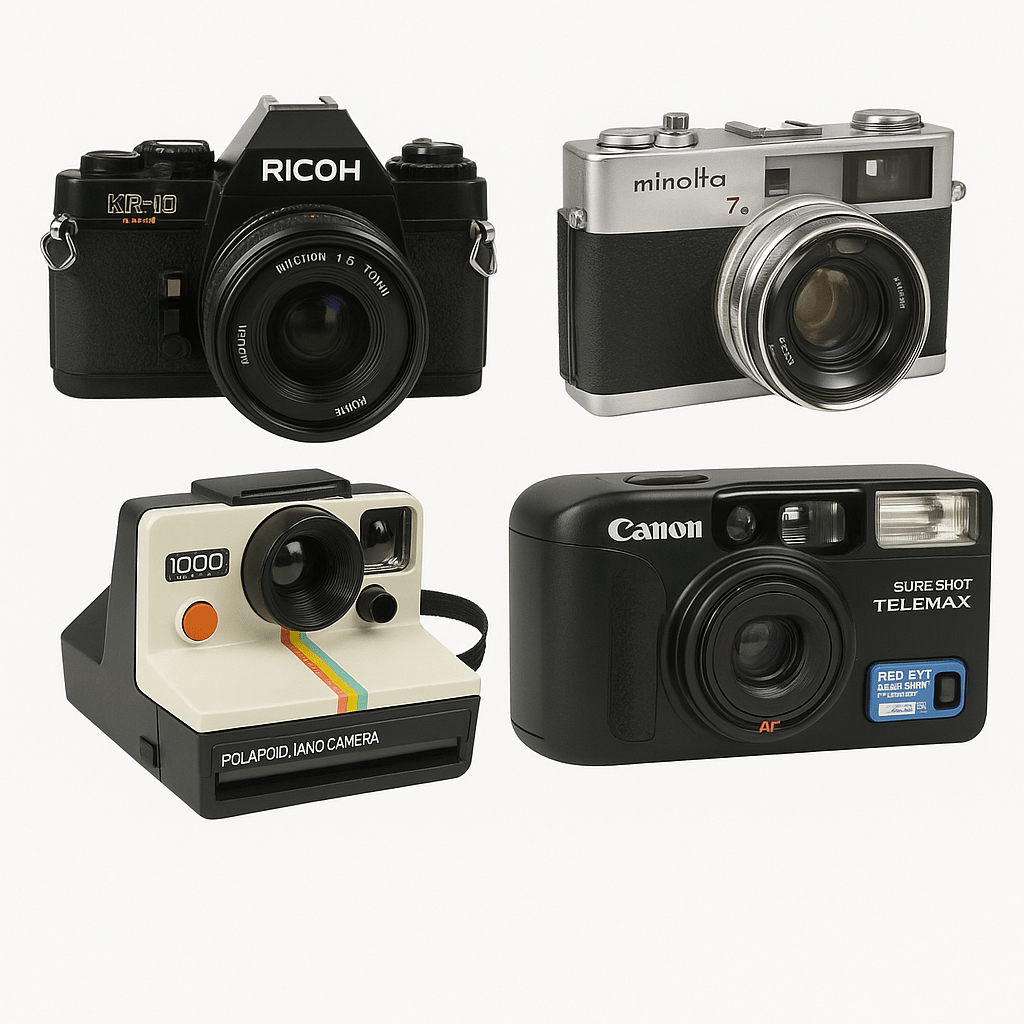
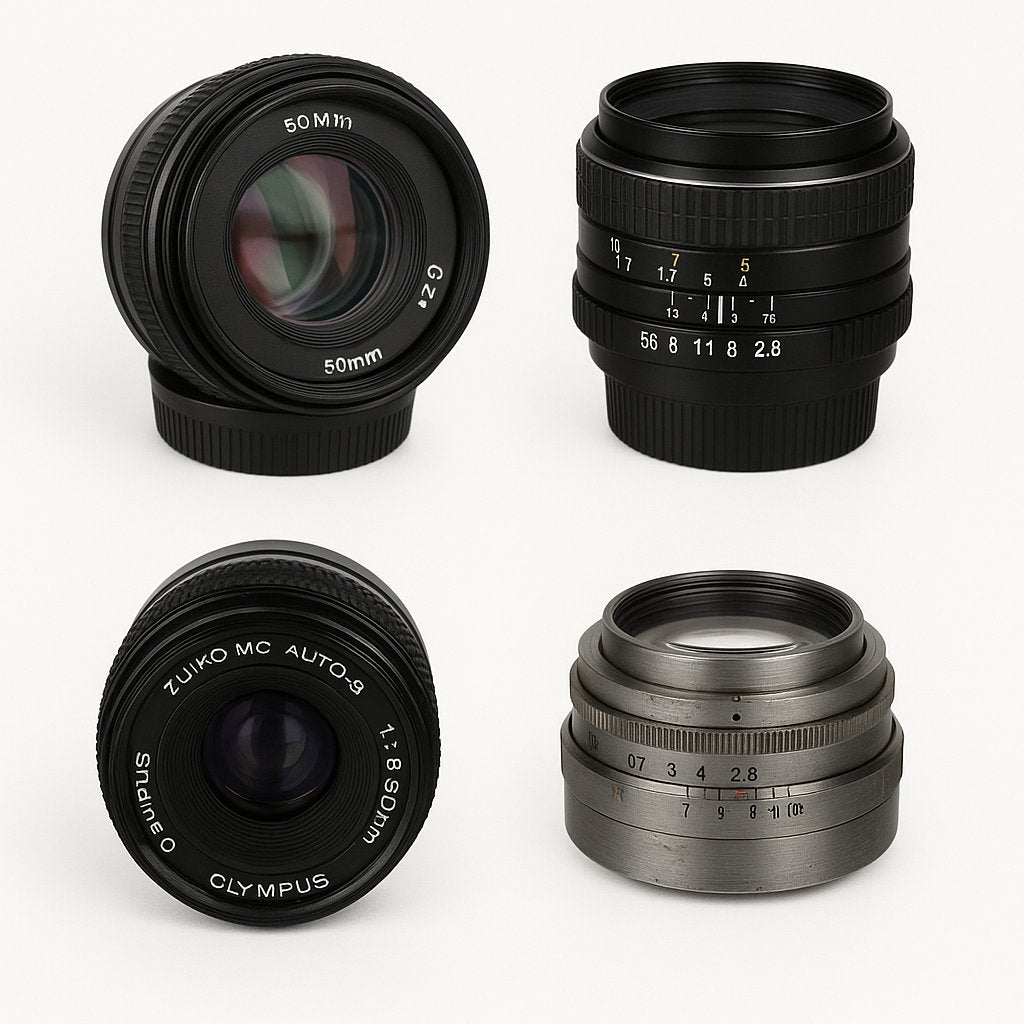
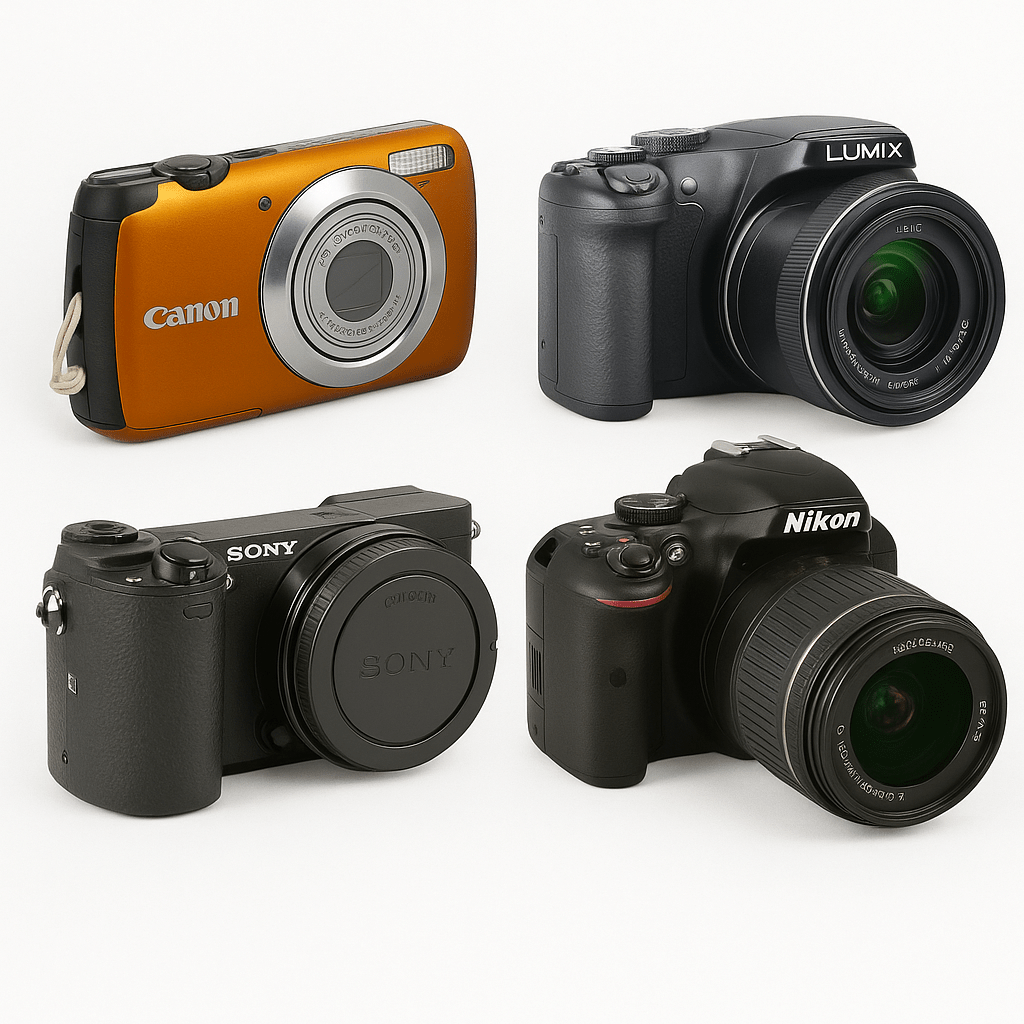
If you are building a flexible, budget-conscious kit, pairing a second-hand WC-E24 with used camera lenses and compact digital cameras from the same era can create a complete, characterful system for very little money.
Creative Uses for Photographers and Filmmakers
Wide interiors and environmental portraits
The WC-E24 excels in tight spaces. Use it to open up interiors, show more of a subject’s environment, or emphasise scale in architecture. The slight vignetting naturally draws the eye toward the centre of the frame.
Stylised video and dreamy edges
Filmmakers can exploit the converter’s quirks to create a unique look. On video, softer corners and mild distortion read as deliberate stylistic choices rather than flaws, adding personality to music videos, vlogs, and experimental films.
By slightly misaligning the converter or using non-standard adapter combinations, you can introduce circular distortions, swirly bokeh, and exaggerated edge blur—perfect for dream sequences and lo‑fi aesthetics.
Vignettes, flares, and circular distortions
Point the WC-E24 toward bright light sources to explore flares and ghosting. Stopping down the host lens accentuates geometry in highlights, while shooting wide open pushes the converter towards a soft, almost vintage-lens rendering.
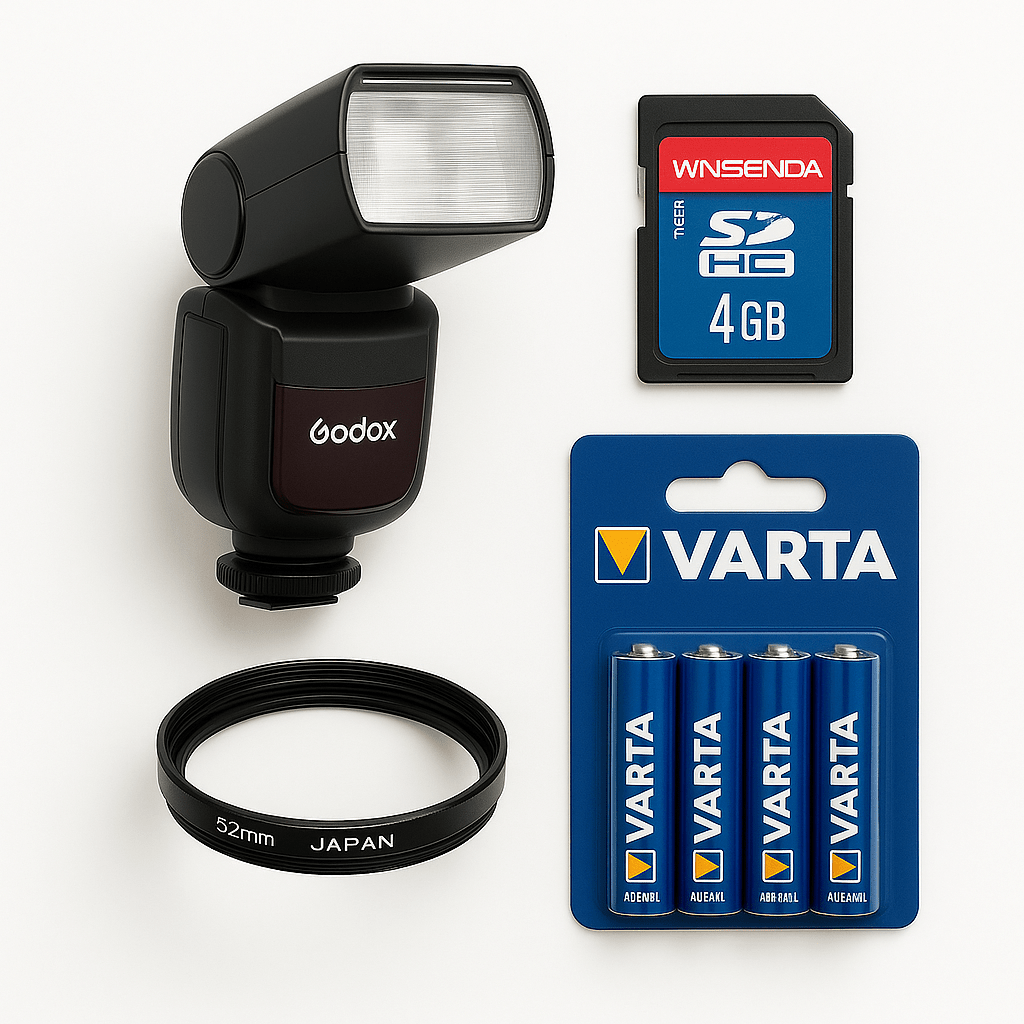
For even more playful setups, combine the WC-E24 with other second-hand photography accessories like macro filters or creative hoods to layer effects in‑camera instead of relying solely on editing software.
Conclusion: Reviving Nikon’s Early Digital Era in Modern Creativity
The Nikon Wide Converter WC-E24 0.66x may have started life as a practical accessory for early compacts, but on today’s cameras it has become a remarkably fun creative tool. Its 0.66x factor delivers genuine wide-angle impact, while its imperfections—soft corners, vignetting, and gentle distortion—add visual personality at a fraction of the cost of a modern ultra-wide lens.
For photographers and filmmakers who enjoy experimenting, picking up a second-hand WC-E24 is an easy way to expand your toolkit sustainably. Instead of buying new, you give existing glass another chapter, discovering fresh looks from a piece of Nikon history.
FAQs
What does 0.66x mean on the Nikon WC-E24? It means the converter multiplies your host lens’s focal length by 0.66, giving a wider field of view without changing the camera body.
Can I use the Nikon WC-E24 on mirrorless or DSLR cameras? Yes, with the right adapter rings or step-up/step-down mounts. It works best on lenses with smaller front diameters, often around 28mm filter size.
How much should I pay for a clean second-hand Nikon WC-E24? In most markets, a clean copy should cost under $50 USD, with higher prices for examples that include original caps, cases, or dedicated adapters.
What creative effects can I achieve with the WC-E24? Expect soft vignetted edges, wider interiors, stylised video looks, and the possibility of dreamy circular distortions and edge blur when you experiment with focus and alignment.
Ready to explore what vintage optics can do on your modern camera? Browse our curated selection of second-hand camera lenses, digital cameras, and unique photography accessories to build your own creative, sustainable kit.