




Introducing the RMC Tokina Zoom 35–105mm f/3.5
The RMC Tokina Zoom 35–105mm f/3.5 in M42 mount is one of those vintage lenses that quietly delivers far more than its modest price suggests. Covering a flexible 35–105mm range with a constant f/3.5 aperture, it can move from environmental scenes to flattering portraits without leaving the camera.
Born in the late 1970s and early 1980s, this lens carries Tokina’s Rainbow Multi Coating (RMC), designed to tame flare and keep colors punchy. Today, it is a favorite among photographers who enjoy a hands‑on, manual focus experience on both classic film bodies and modern digital cameras.
The first time I picked up a vintage Tokina zoom, I noticed the reassuring heft of its metal barrel. Compared to a modern plastic kit lens, it felt like a tool made for decades, not product cycles.
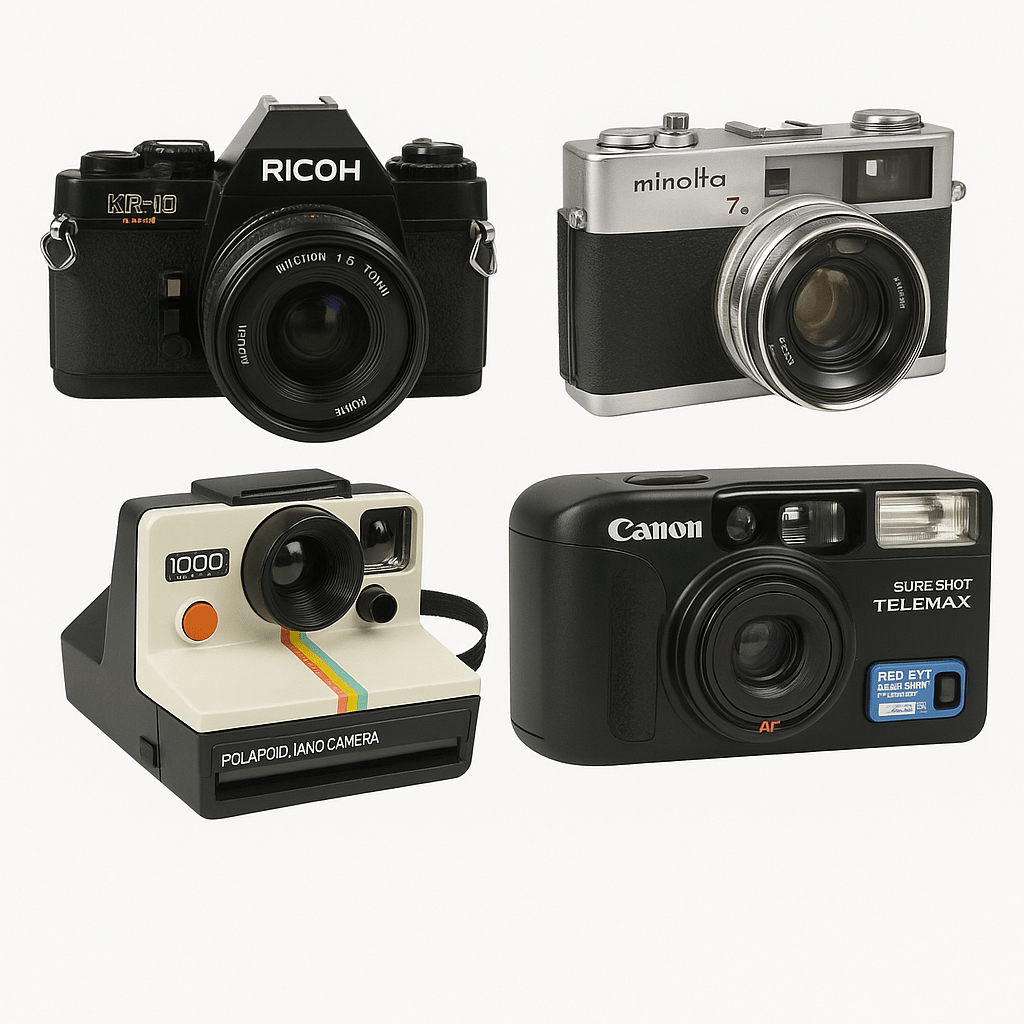
On a vintage M42 analog camera, it becomes an all‑purpose travel companion. On digital, it is a characterful zoom that rewards slow, deliberate shooting.
Design and Build Quality
All-metal construction that feels made to last
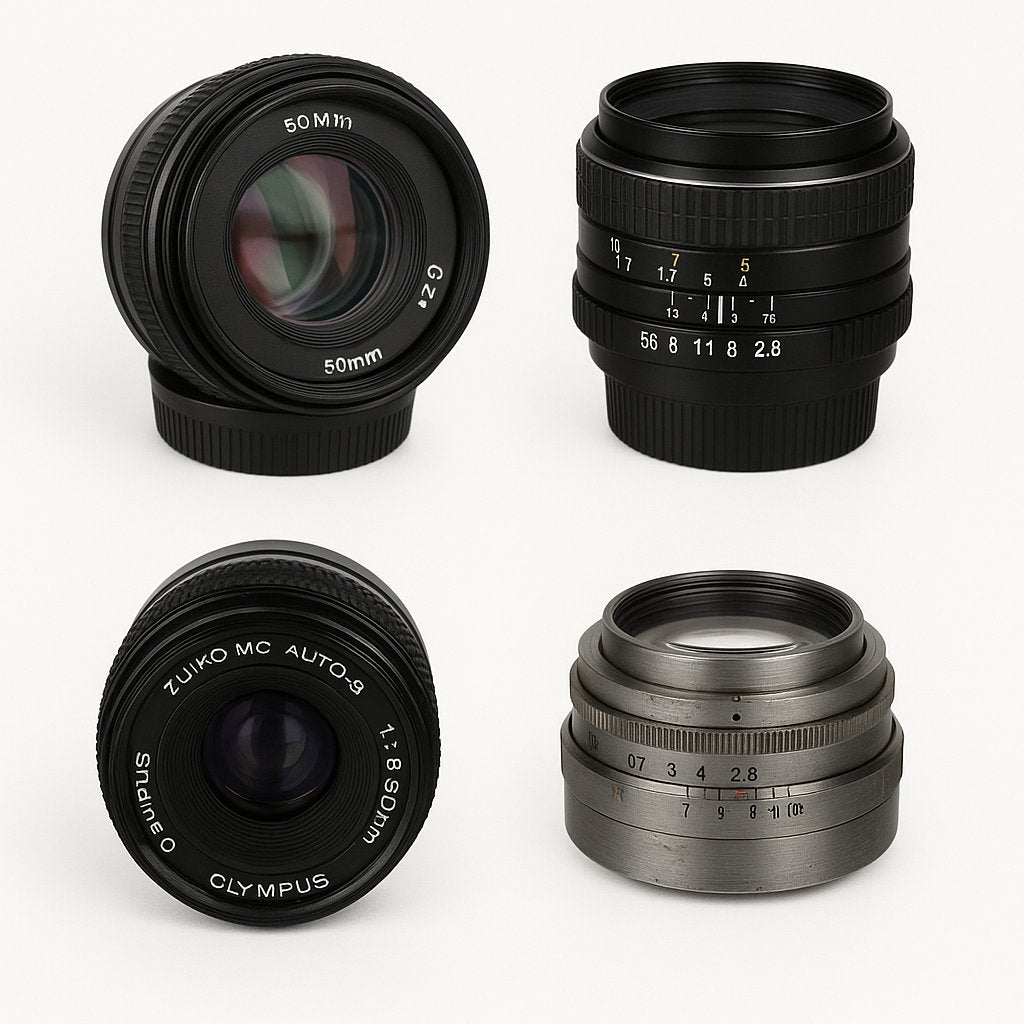
The RMC Tokina 35–105mm f/3.5 is built in the tradition of classic manual zooms: a dense metal barrel, engraved markings, and rubberized grip rings with precise knurling. Everything about it suggests longevity.

The zoom and focus rings are typically broad and well‑damped, designed for smooth, continuous movement rather than the light, fly‑by‑wire feel of modern autofocus lenses. The constant f/3.5 aperture means the physical aperture mechanism is a little more complex than in some variable‑aperture zooms, yet when maintained well, it remains reliable and consistent.
RMC coating and external details
Tokina’s Rainbow Multi Coating gives the front element a subtle sheen and helps keep contrast intact when shooting against the light. Aperture markings, distance scales, and focal length indicators are usually deeply engraved and paint‑filled, making them easy to read in the field.

Performance and Optical Character
Rendering: contrasty yet classic
Stopped down slightly, the RMC Tokina 35–105mm f/3.5 can deliver crisp images with good micro‑contrast and pleasing color. Wide open at f/3.5 it retains usable sharpness, especially toward the center, with a gentle falloff that many portrait shooters enjoy.
Bokeh is generally smooth, with some characteristic vintage swirl or edge nervousness depending on background distance. At 105mm, it can isolate subjects nicely, especially on APS‑C or full‑frame digital bodies.
Flare, distortion, and real‑world use
RMC coating holds its own, but this is still a vintage zoom; strong point light sources can produce ghosts and contrast loss. Some barrel distortion at 35mm and mild pincushion at 105mm are to be expected, but are easily corrected in post.
Using the Tokina 35–105mm on Modern Cameras
M42 adapters for mirrorless systems
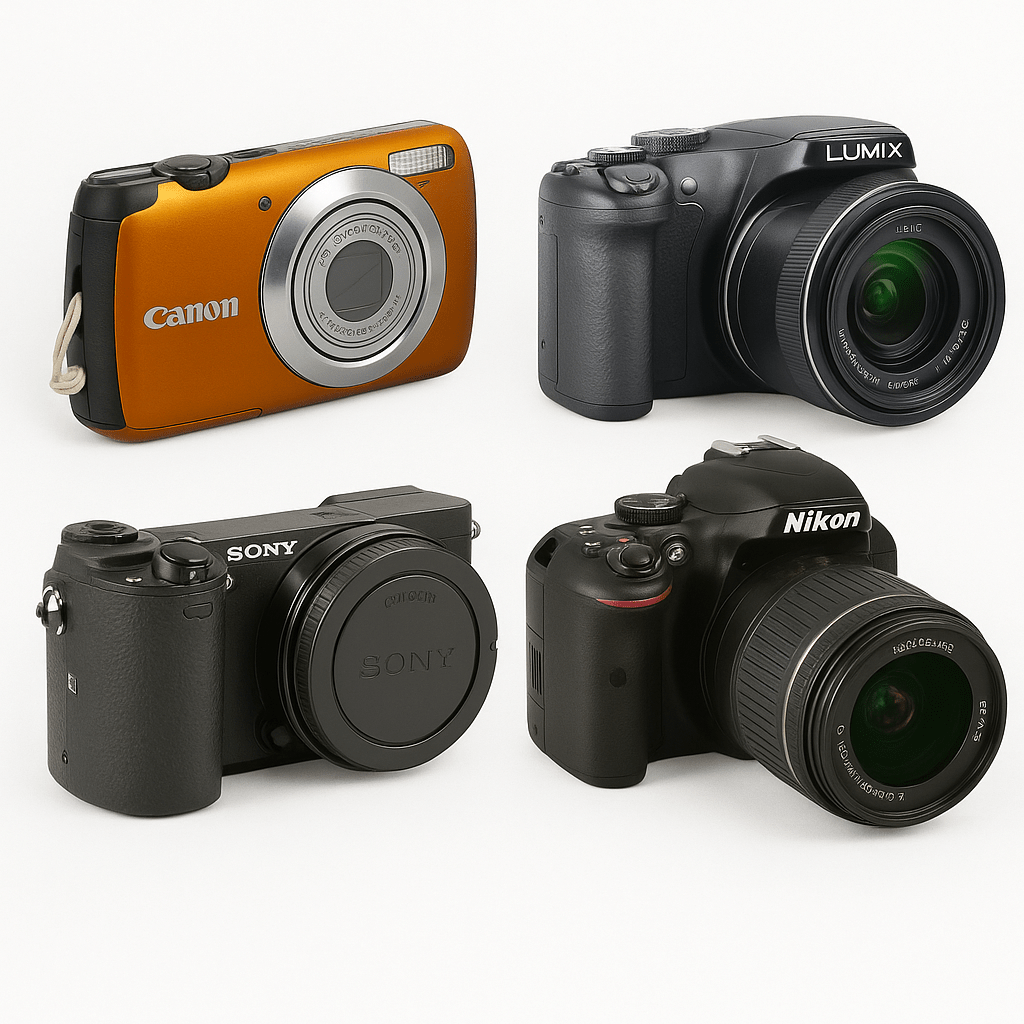
The M42 screwmount is one of the easiest vintage mounts to adapt. With a simple, affordable adapter, the Tokina 35–105mm f/3.5 can be mounted on Sony E, Canon RF, Nikon Z, Fuji X, and many other mirrorless systems. There is no electronic communication, so you set aperture on the lens and focus manually.
Modern cameras with focus peaking, magnified live view, and in‑body stabilization make using a classic zoom like this surprisingly straightforward. On APS‑C sensors, the effective field of view becomes roughly 50–160mm, turning it into a versatile short‑telephoto zoom.
Balancing vintage optics with digital sensors
Digital sensors tend to reveal more of a lens’s character, good and bad. The Tokina’s strengths—contrast, color, and solid center sharpness—translate well. Some edge softness and chromatic aberration in high‑contrast scenes can appear, but are often part of the charm for those seeking a more organic look.
Buying Second-Hand: What to Watch For
As with any vintage lens, condition is everything. A well‑cared‑for Tokina 35–105mm can feel almost new; a poorly stored one may suffer from haze, fungus, or sticky mechanisms.
Practical inspection checklist
- ✔️ Check for smooth zoom and focus movement.
- ✔️ Ensure aperture blades snap cleanly.
- ✔️ Look for clean, coating-protected glass.
- ✔️ Confirm no haze or internal fungus is visible.
- 🔍 Inspect glass for haze or yellow tint.
- 🧭 Test smooth operation of zoom and focus rings.
- 🌤️ Verify aperture blades open/close fast.
- 📦 Prefer versions stored in dry environments.
Gently rock the zoom ring from end to end; it should move without grinding or binding. Set the aperture to minimum and maximum, watching through the rear of the lens as the blades move. Any oil, sluggishness, or inconsistent closing may require servicing.
Why This Lens Still Matters in 2025
An affordable entry into vintage zooms
In 2025, the RMC Tokina Zoom 35–105mm f/3.5 usually sells for around $50–100 depending on condition and mount version. That makes it a compelling choice for photographers who want to experiment with manual zooms without committing to collector‑level prices.
Its constant aperture, solid mechanics, and adaptable M42 mount fit beautifully into a sustainable, second‑hand shooting kit alongside other used camera lenses and carefully chosen photography accessories.
Creative possibilities on film and digital
On film, the Tokina complements compact M42 bodies for travel, street, and portraits. On digital, it can give stills and video a subtle vintage signature that is difficult to fake with filters alone. For indie filmmakers, the smooth focus ring, constant aperture, and gentle contrast make it a budget‑friendly option for a classic, cinematic look.
FAQs
Is the Tokina 35–105mm f/3.5 compatible with modern digital cameras? Yes. With an affordable M42 adapter, you can mount it on most mirrorless systems such as Sony E, Canon RF, Nikon Z, and Fuji X. It remains manual focus only, but modern focus peaking and magnification features make precise focusing much easier.
What makes the RMC multicoating special? Tokina’s Rainbow Multi Coating was designed to reduce glare, boost contrast, and improve color fidelity at a time when many zooms struggled with flare. For today’s vintage lens users, it means cleaner images and more consistent color than many uncoated or single‑coated alternatives.
What’s a fair price for a second-hand Tokina 35–105mm f/3.5? In 2025, clean copies typically sell between $50 and $100, depending on cosmetic condition, optical clarity, and specific mount variation. Pristine examples with smooth mechanics and spotless glass tend to sit at the higher end of that range.
Can this lens be used for video production? Absolutely. The smooth manual focus, constant f/3.5 aperture, and gently contrasty rendering work well for narrative and documentary projects. Many filmmakers appreciate its cinematic character when paired with modern digital cameras.
If you are building a thoughtful, sustainable kit around second‑hand gear, the RMC Tokina Zoom 35–105mm f/3.5 is a strong candidate. Explore our curated selection of analog cameras, vintage camera lenses, and photography accessories at DutchThrift.com to find a copy that fits your style and budget.