



The Character of the Ricoh KR-5 + Tokina AT-X 28–85mm Combo
A straightforward 35mm workhorse
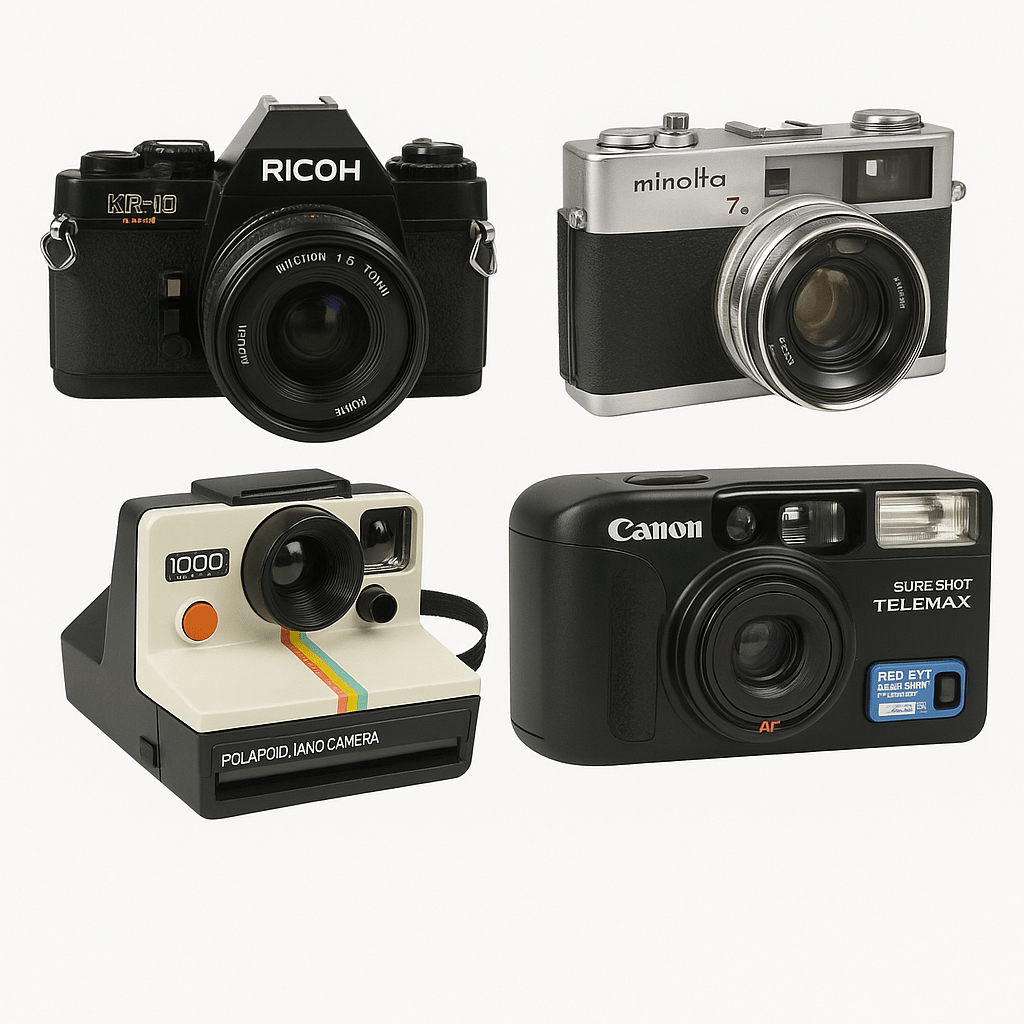
The Ricoh KR-5 is a fully mechanical 35mm SLR that strips photography back to its essentials: shutter speed, aperture, focus, and film choice. Paired with the Tokina AT-X 28–85mm f/3.5–4.5, it becomes a compact, do‑almost‑everything setup that covers classic focal lengths from wide‑angle to short telephoto.
The body feels reassuringly solid without being bulky, with a simple control layout and a bright viewfinder that keeps you focused on the scene rather than on menus. The Tokina lens adds a slightly warm, vintage rendering that suits portraits, street, and everyday life images.

A personal lesson in patience
The first time I used a fully manual camera, I spent a whole afternoon on a single roll, double‑checking the meter, focus, and framing before every shot. Waiting for the lab scans taught me that good photographs often start long before you press the shutter — with patience, observation, and a quiet confidence in your choices.
Why This Setup Still Works for Today’s Creators
Film for the digital generation
In a world of autofocus bursts and 4K video, the Ricoh KR-5 offers something different: deliberate, tactile shooting. Every frame costs you a little money and a little time, which nudges you to plan your shots and think about light, timing, and composition.
The Tokina AT-X 28–85mm shines here because it covers so many scenarios: 28mm for environmental scenes, 50mm for natural‑looking portraits, and 85mm for tighter framing with compressed backgrounds. This flexibility makes it an excellent travel or walk‑around combination for creators who want to slow down without feeling limited.
Digital crossover potential
For hybrid shooters, the Tokina AT-X 28–85mm can be adapted to many mirrorless systems. On digital, its slightly softer corners and warm color are perfect when you want a cinematic look for video or a vintage feel for stills. While it will not replace modern autofocus glass for fast work, it excels in controlled, creative projects.
Technical Traits That Define the Experience
Mechanical reliability with simple metering
The key to the KR-5’s appeal is its mechanical shutter. It works without batteries, which only power the light meter. That means even if your battery dies mid‑roll, you can keep shooting by relying on the Sunny 16 rule or an external meter.
Inside the viewfinder, a straightforward needle meter guides your exposure. It responds to changes in light, aperture, and shutter speed, nudging you toward correct exposure without distracting you with extra information.
Tokina AT-X 28–85mm handling and look
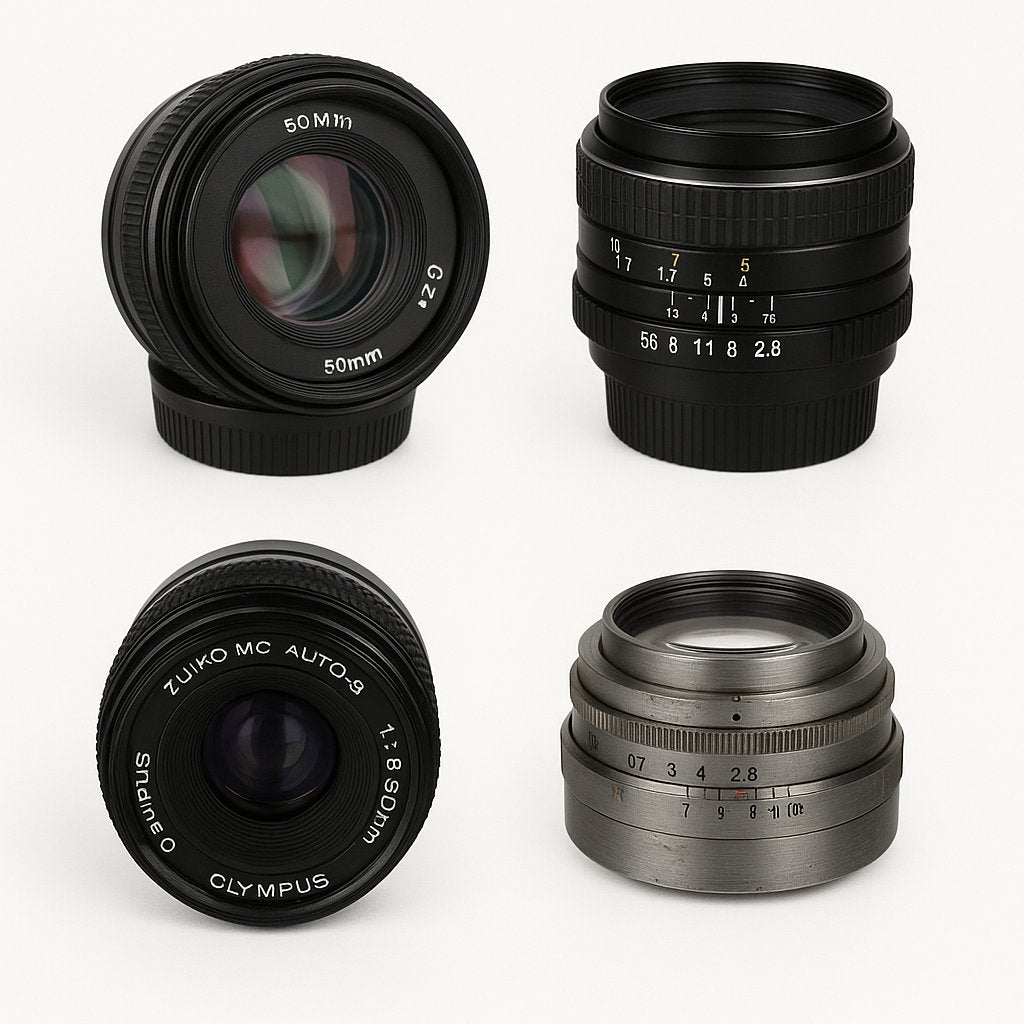
The Tokina AT-X 28–85mm features a broad zoom ring and a separate focusing ring, both usually well‑damped on a cared‑for copy. The variable aperture design (around f/3.5–4.5) gives you workable light‑gathering ability across the zoom range while keeping the lens reasonably compact.
Optically, expect moderate contrast, gentle fall‑off toward the edges at wider focal lengths, and a pleasant, slightly vintage color palette. Stopped down, it sharpens considerably, making it great for landscapes and architecture; wide open, it lends a subtle softness that flatters skin.

Buying Used: What To Check Before You Commit
Camera body checks
When you are shopping for a second‑hand Ricoh KR-5, take a few minutes to test the basics. These simple checks can save you from surprises once you load your first roll.
- Check shutter speed progression for smooth operation.
- Inspect light seals for crumbling or gaps.
- Confirm the meter needle moves with light changes.
- Store with shutter uncocked.
- Operate all controls monthly to maintain movement.
- Seek professional CLA if advance lever feels stiff.
Lens inspection essentials
The Tokina lens deserves equal attention. Hold it up to a bright light and look for anything that might compromise image quality.
- Look for fungus or haze inside the lens.
- Test aperture ring and focus ring movement.
- Avoid humidity; use silica packs in storage.
Creative and Learning Benefits of Shooting With the KR-5
A hands‑on exposure lesson
Because the KR-5 is fully manual, you are in charge of every part of the exposure triangle. Pairing the camera with ISO 400 films such as Kodak Ultramax, Fujifilm C200, or Portra 400 gives you enough latitude to recover from small mistakes while learning.
You see directly how changes in aperture affect depth of field and how shutter speed influences motion blur — lessons that carry over perfectly to any digital system you use later.
One lens, many stories
The 28–85mm range encourages experimentation. Try wide‑angle environmental portraits at 28mm, “normal” life‑documentary shots around 40–50mm, and more intimate, compressed perspectives at 85mm. Instead of switching lenses, you are simply rotating the zoom ring and rethinking your distance to the subject.
Maintenance and Longevity Tips
Keeping a mechanical classic alive
Mechanical cameras like the Ricoh KR-5 can last decades if treated well. Keep it in a dry place, away from extreme temperatures and humidity. A simple routine of occasional operation prevents mechanisms from stiffening.
Store the camera with the shutter uncocked to reduce tension on springs, and operate the shutter, advance lever, and dials once a month, even if you are not actively shooting. If the advance lever or shutter feels sticky, a professional CLA (clean, lubricate, adjust) is a wise investment rather than forcing the mechanism.
Lens care for the Tokina AT-X 28–85mm
The Tokina lens benefits from the same common‑sense care: avoid damp storage, keep front and rear caps on, and use silica gel packs in your camera bag or cabinet to manage humidity. Clean the glass gently with a blower, soft brush, and microfiber cloth, and avoid aggressive cleaning that might damage coatings.
Final Thoughts: The Value of Mechanical Simplicity
The Ricoh KR-5 with Tokina AT-X 28–85mm is not about specs on paper; it is about feel, rhythm, and attention. Its mechanical shutter, manual focus, and straightforward meter create a distraction‑free way to connect with your subjects and surroundings.
For a relatively modest investment — often in the $80–150 USD range for a well‑kept combo — you gain a capable, characterful tool that teaches you fundamentals while producing images with a timeless, analog charm. Whether you are stepping into film from digital or coming back to it after years away, this setup is a reliable, sustainable choice that rewards care and curiosity.
FAQs
Can the Ricoh KR-5 shoot without batteries? Yes. Its mechanical shutter operates independently of the battery; batteries power only the internal light meter.
Is the Tokina AT-X 28–85mm lens good for digital use? Yes. When adapted to mirrorless cameras, it delivers a warm, cinematic look that suits creative video and vintage‑style photography.
What is a safe price range for a second-hand Ricoh KR-5 + Tokina combo? Typically, you can expect to pay around $80–150 USD for the pair, depending on overall condition and included accessories.
What film works best with the Ricoh KR-5? ISO 400 films such as Kodak Ultramax, Fujifilm C200, or Portra 400 provide generous exposure latitude and vibrant color, making them ideal while you learn the camera.
Explore More Analog Options
If you enjoy the idea of mechanical simplicity and vintage glass, explore more analog cameras, browse our curated camera lenses, and complete your setup with sustainable, second‑hand photography accessories at DutchThrift.