



The Ricoh 500G: Compact Rangefinder with Lasting Appeal
The Ricoh 500G is a small 35mm rangefinder camera that has quietly survived the digital transition with its charm fully intact. Lightweight, discreet, and surprisingly capable, it offers a classic analog experience without the bulk or complexity of professional film bodies.
Its fixed 40mm lens, bright rangefinder patch, and straightforward controls make it ideal for everyday photography, from city walks and travel to family gatherings. Unlike many collectible cameras, the 500G remains relatively affordable, which is why it often becomes a first “serious” film camera for new shooters.

The first time you advance the lever on a truly mechanical camera like the Ricoh 500G, the smooth resistance and soft “snick” of the shutter feel almost alien compared to digital gear — there’s no artificial click, just the quiet honesty of springs and gears doing their work.
Key Features and Technical Characteristics
Lens, Focusing, and Exposure
At the heart of the Ricoh 500G is a fixed 40mm f/2.8 lens, a focal length that sits perfectly between classic 35mm and 50mm perspectives. It’s wide enough for street scenes and interiors, but natural enough for portraits and everyday snapshots.
The coupled rangefinder focusing system lets you focus by aligning a split or overlaid image in the viewfinder. Once aligned, the lens distance is set with impressive accuracy, even at close range. You get both shutter-priority auto exposure (using the internal meter) and full manual control, which is a rare luxury in such a compact body.
Build, Handling, and Metering
The 500G is mostly metal with plastic trim, feeling solid but far from heavy. Its leaf shutter is tucked inside the lens assembly, which keeps operation quiet and allows for flash sync at all speeds. The built-in meter was originally designed around the PX625 mercury battery, but the camera’s shutter is fully mechanical and will fire without power.

Why It Still Works for Modern Creators
A Film Companion in a Digital World
Today’s photographers are often hybrid shooters, mixing smartphones, digital bodies, and film. The Ricoh 500G fits into that mix beautifully. Its compact size means you can carry it alongside a mirrorless camera without feeling overloaded, and the quiet shutter is ideal when you want to photograph people without drawing attention.
For content creators, the 500G adds a tangible, analog dimension to visual storytelling. Scanned negatives combine well with digital workflows, and the 40mm lens delivers a look that feels classic but not dated.
Perfect for Learning Film Fundamentals
Because you can switch between auto exposure and manual mode, the Ricoh 500G teaches exposure in a forgiving, intuitive way. Use auto when you’re starting out, then gradually move into manual to understand how shutter speed and aperture affect your images.
Essential Maintenance and Simple Upgrades
Any second-hand Ricoh 500G benefits from a little care. These cameras are decades old, but most issues are easy to inspect and, if needed, fix.
Basic Checks and Maintenance
- ☐ Replace battery with correct voltage equivalent
- ☐ Check rangefinder alignment and clarity
- ☐ Clean lens and viewfinder optics
- ☐ Inspect light seals and replace if sticky
- ☐ Fire shutter across all speeds to confirm consistency
- ☐ Rangefinder focus visible and accurate
- ☐ Lens clear of haze or fungus
- ☐ Shutter speeds even, with no sticking
- ☐ Metering works or camera usable manually
Light seals around the back door are often the first things to deteriorate. Replacing them with modern foam or felt is inexpensive and dramatically reduces the risk of light leaks. A gentle clean of the viewfinder and lens elements can also transform the shooting experience.
Battery Solutions and Small Upgrades
The original PX625 mercury cell is no longer made, but the camera’s meter can be powered with a Wein MRB625 zinc-air cell or an adapter that allows the use of LR44/SR44 batteries stepped down to the correct voltage. Many photographers also choose to ignore the internal meter and rely on a handheld meter or smartphone app.
Buying Tips for a Second-Hand Ricoh 500G
What to Inspect Before You Commit
When shopping for a Ricoh 500G, condition matters more than cosmetics. A few scuffs on the body won’t affect your photos, but misaligned focusing or a hazy lens will.
Look through the viewfinder: the rangefinder patch should be visible and reasonably bright. Focus on a distant object and confirm that the lens scale matches infinity. Fire the shutter at all speeds; they should sound distinct, with no obvious sluggishness at slow settings.
Finally, inspect the lens under a strong light for haze, fungus, or scratches. Light seal residue around the back door or on the film rails is normal in older cameras, but it’s a sign the seals will need replacement soon.
Real-World Use: Quiet, Honest, and Rewarding
On the Street and at Home
In day-to-day use, the Ricoh 500G feels like a camera that wants to be used, not displayed. The film advance has a short throw, the shutter button is light, and the viewfinder encourages you to stay observant. It’s especially at home in street photography, where its small size and nearly silent leaf shutter help you stay invisible.
Load a versatile 400-speed film like Kodak Ultramax or Ilford HP5 Plus, set your exposure, and you’re ready to document anything from café life to family events. The 40mm lens gives you enough flexibility to capture both scenes and portraits without feeling limited.
Building a Compact Analog Kit
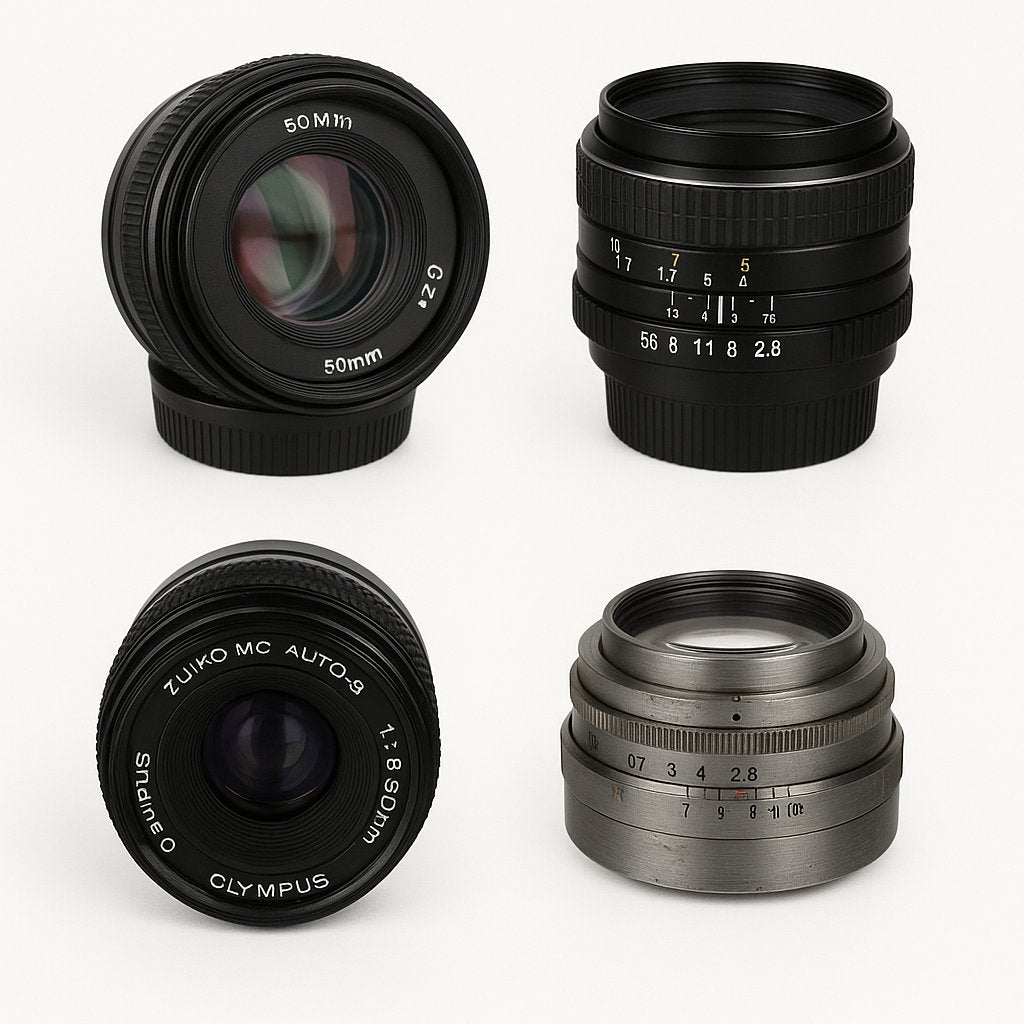
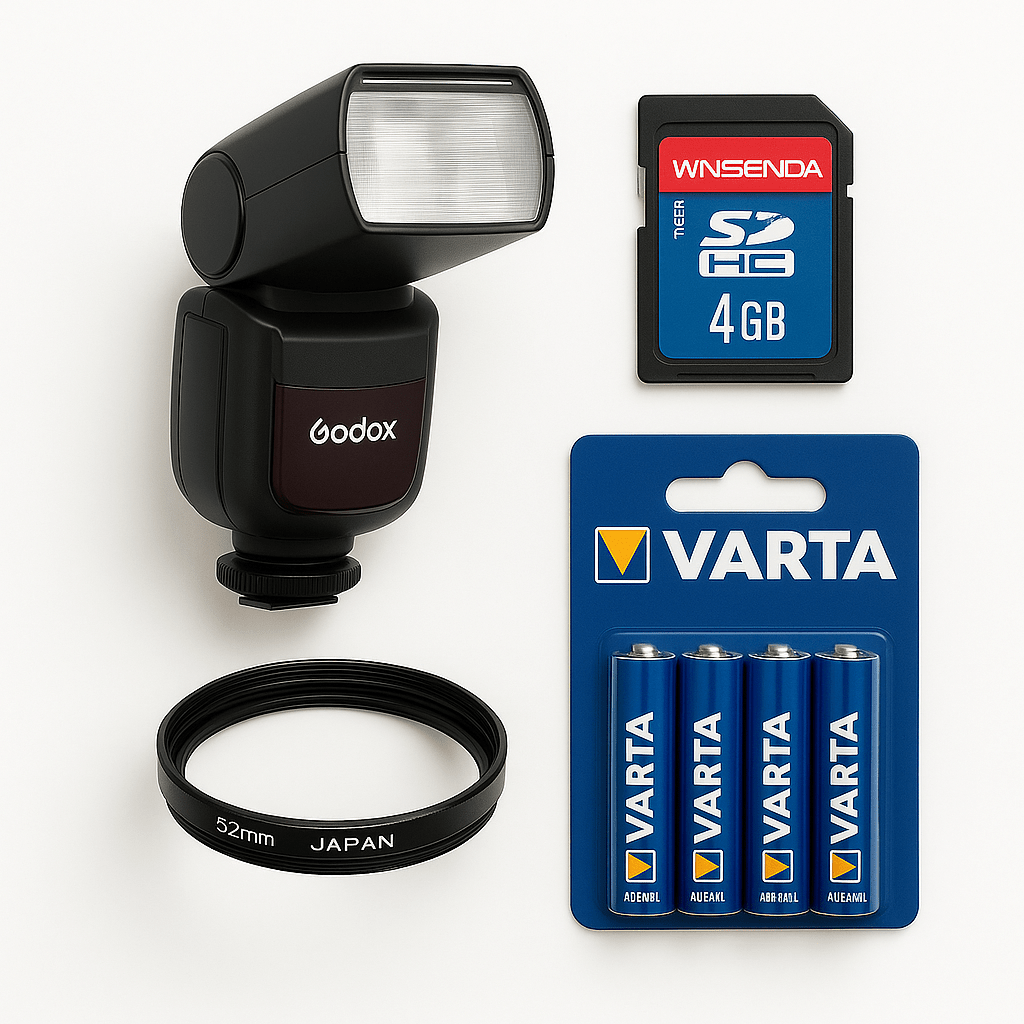
The 500G also plays well with a small analog kit: a spare roll or two of 35mm film, a soft release button, and a simple strap are often all you need. If you want to grow further, you can complement it with other classic camera lenses on a separate SLR, or add light meters and straps from our curated photography accessories collection.
FAQs
Does the Ricoh 500G still work without its original PX625 battery? Yes. The shutter is fully mechanical and works without power, but exposure automation requires a Wein MRB625 or an adapted LR44 setup to maintain correct voltage for accurate metering.
What kind of film should I use with the Ricoh 500G? The camera takes standard 35mm film. Popular choices include Kodak Ultramax 400 for versatile color work and Ilford HP5 Plus for classic, forgiving black-and-white tones.
Is the Ricoh 500G good for beginners in film photography? Absolutely. Its simple controls, compact size, quiet shutter, and reasonable second-hand price make it an excellent first camera for anyone exploring analog photography.
What should I check before buying a used Ricoh 500G? Confirm that the rangefinder focus patch is bright and accurate, shutter speeds sound consistent, the lens is free from haze or fungus, the meter works if you plan to use it, and the light seals are intact or ready to be replaced.
Ready to add a compact rangefinder to your kit? Explore our curated selection of Ricoh and other classic rangefinder cameras, pair them with reliable 35mm film, and enjoy the enduring pleasure of mechanical photography.