



A Short History of the Revue 35 AF-D
The Revue 35 AF-D comes from an era when automatic 35mm cameras were designed to make photography effortless. Sold under the Revue brand, it was typically manufactured by established Japanese makers and rebadged for European markets. The idea was simple: make film photography as easy as pressing a single button.
Fully automatic exposure, autofocus, and motorized film advance turned what used to be a technical craft into a casual, everyday habit. Families took cameras like the Revue 35 AF-D on holidays, students threw them into backpacks, and nights out were documented with its distinctive flash-lit snapshots.
I still remember the first time I used a point-and-shoot film camera—the soft whirr of the motor winding the film and the clack of the shutter felt more alive than any silent digital click. Every sound told you a real, physical photo had just been made.
Today, the Revue 35 AF-D sits in a sweet spot for film lovers: old enough to feel nostalgic and analog, modern enough to be straightforward and reliable.
Key Features That Define the Revue 35 AF-D
Fully Automatic Shooting
The Revue 35 AF-D is a true point & shoot camera: autofocus, exposure, and winding are all taken care of. You load the film, close the back, and the camera handles the rest. For anyone new to film, this removes the fear of “getting it wrong” and lets you focus entirely on the scene in front of you.
Autofocus and Motorized Advance
A simple half-press on the shutter activates autofocus. When you take a photo, an internal motor advances the film and readies the next frame with a satisfying whirr. This creates a quick, fluid shooting rhythm that works well for travel, street photography, and everyday snapshots.

Built-In Flash Convenience
With its built-in flash and light sensor, the Revue 35 AF-D can automatically decide when to fire in dim light. This is ideal for nights out, parties, and indoor scenes where you do not want to think about exposure values.
Quick-Start Checklist
Before heading out to shoot, run through this simple checklist to make sure your Revue 35 AF-D is in good working order:
- Load fresh ISO 200–400 color negative film.
- Check autofocus function with half-press before shooting.
- Tape over flash sensor to experiment with fill light.
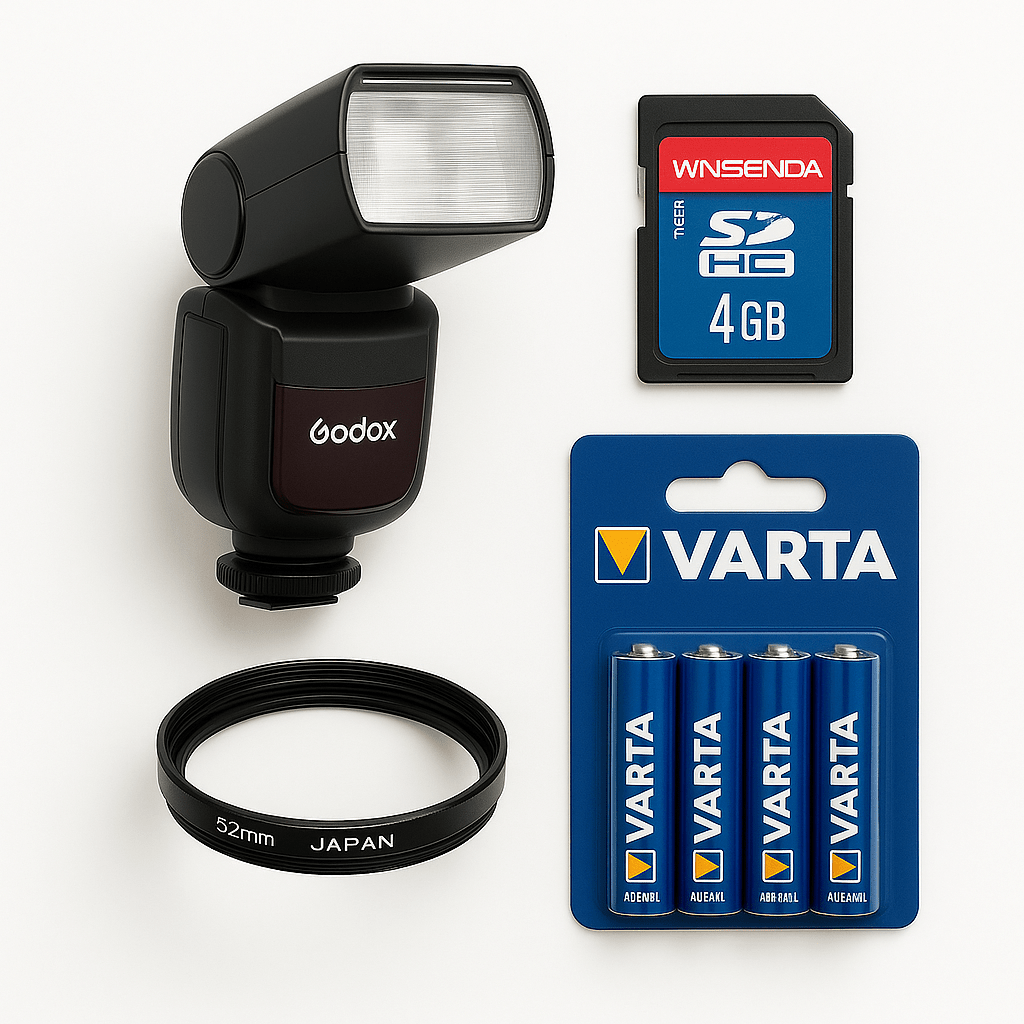
- Keep spare AA batteries handy for uninterrupted use.
- Check flash activation in low light.
- Confirm motorized film advance/rewind.
- Ensure smooth shutter click and AF sound.
Why It Still Matters in 2025
A Gentle Introduction to Film Photography
In 2025, film photography is thriving again. The Revue 35 AF-D offers a gentle way into this world: no manual metering, no interchangeable lenses, just honest 35mm negatives with the look people love. For digital-native photographers, it is a perfect bridge between smartphone snapshots and more advanced analog cameras.
Sustainable and Affordable
Buying the Revue 35 AF-D second-hand keeps another camera out of landfill and saves the resources that would go into making a new one. Paired with reusable accessories such as straps and cases, it is a budget-friendly, low-impact way to enjoy analog photography.
Creative Ways to Use the Revue 35 AF-D
Everyday Life Documented
The Revue 35 AF-D is ideal as an “always-with-you” camera. Keep it loaded in your bag and use it for everyday walks, family gatherings, or quiet moments at home. The automatic exposure tends to prioritize a balanced, forgiving look that suits candid images.

Experimenting With Flash and Film Stocks
Because it is so simple to use, the Revue 35 AF-D encourages experimentation. Try taping part of the flash sensor to “trick” the camera into different exposures, or use fast black & white film for a gritty, high-contrast look. ISO 200–400 color negative film provides forgiving exposure and punchy colors in most lighting.
Slow Photography in a Fast World
Perhaps the most creative aspect of the Revue 35 AF-D is the mindset it encourages. With a limited number of frames on each roll, every click matters. You tend to look longer, frame more carefully, and appreciate the surprise when you finally see your developed negatives.
Buying a Revue 35 AF-D Second-Hand
What to Check Before You Commit
When buying a Revue 35 AF-D from a second-hand store or marketplace, a quick inspection tells you most of what you need to know. Always bring fresh batteries and, if possible, a test roll of film.
Beyond the basic function checklist above, visually examine the camera carefully:
- Avoid heavy corrosion or cracked plastic shells.
- Look inside the film chamber to check for clean, intact pressure plates.
- Check the battery compartment for white or green residue.
- Confirm that the back door closes smoothly and latches securely.
A clean, fully working example is worth paying a little extra for, as replacement parts for the Revue 35 AF-D are limited.
Choosing a trusted second-hand source like DutchThrift adds another layer of confidence. Each camera is carefully assessed so you can spend more time shooting and less time worrying about hidden issues.
Maintaining and Storing Your Revue 35 AF-D
Simple Care for Long-Term Use
The Revue 35 AF-D does not demand complex servicing. Most care can be done at home with basic tools and a gentle touch.
- Clean exterior gently with microfiber cloth.
- Detach batteries when storing.
- Keep the camera in a dry, cool place away from direct sunlight.
- Use a small pouch or case to protect it from dust and knocks.
Battery and Film Habits
Use fresh, branded batteries—two AA or CR123A, depending on your specific variant. Remove them between shoots if you will not use the camera for a while. With film, try to finish and develop rolls promptly to avoid degradation from heat or humidity.
With this light level of care, your Revue 35 AF-D can keep producing sharp, characterful images for many years, proving that a well-loved second-hand camera is often the most sustainable choice.
FAQs
Is the Revue 35 AF-D good for beginners? Yes, it is fully automatic and simple to operate, making it a great introduction to 35mm film photography.
What batteries does the Revue 35 AF-D use? Most models use two AA or CR123A batteries; always check the compartment or manual for your exact variant.
Can the Revue 35 AF-D still be serviced or repaired? Basic maintenance is possible, but replacement parts are scarce, so it is wise to look for clean, fully working examples when buying.
What film works best in the Revue 35 AF-D? ISO 200–400 color negative film offers generous exposure latitude; for black & white, a classic stock like Ilford HP5 is an excellent match.
Ready to start your own film journey? Explore our curated selection of analog cameras, discover more point and shoot film cameras, and complete your kit with sustainable photography accessories at DutchThrift.com.