



A Genuine Classic: The Story of the Voigtländer Skoparex 35mm f/3.4
A compact wide‑angle from the film era
The Voigtländer Skoparex 35mm f/3.4 comes from a time when lenses were engineered to last decades, not just product cycles. Built for 35mm film SLRs, this compact wide‑angle was designed as an everyday storyteller’s lens: wide enough for streets and travel, yet natural‑looking enough for portraits and environmental scenes.
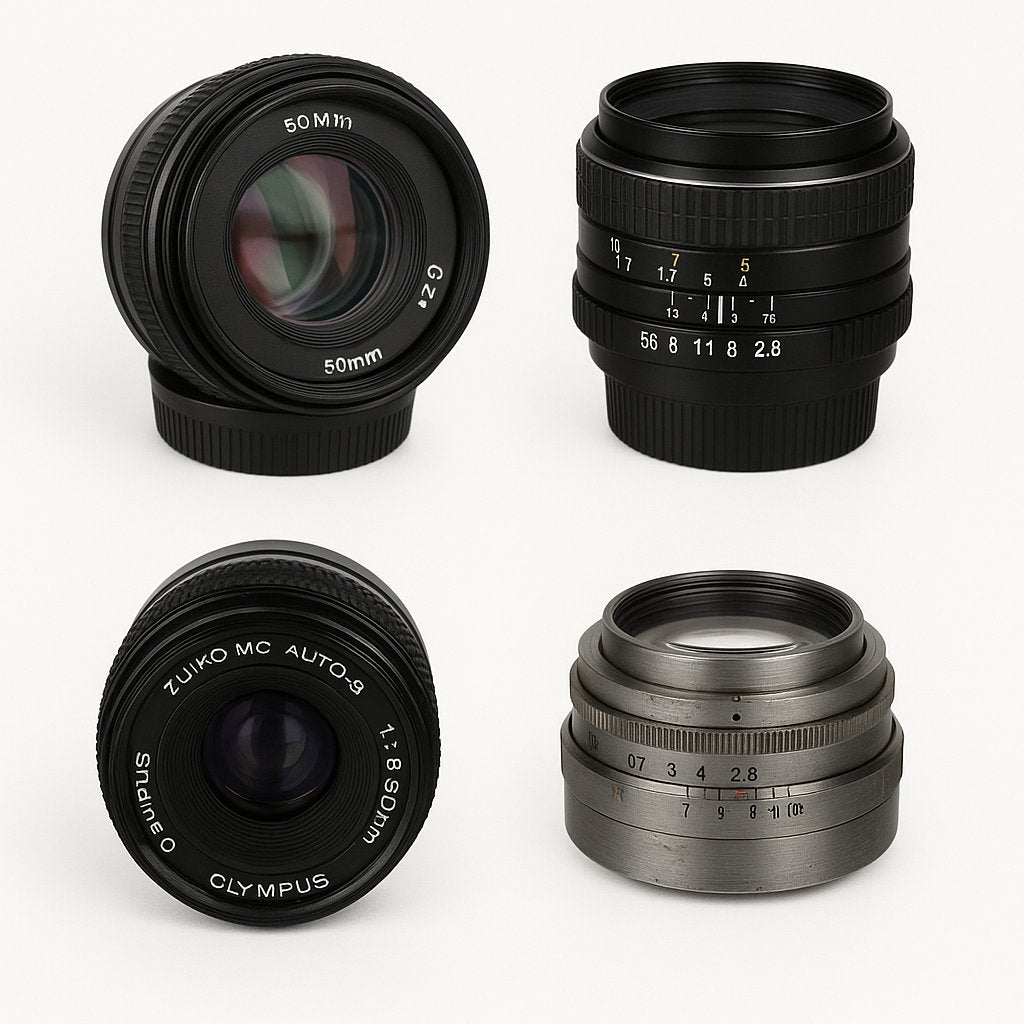
You will typically find the Skoparex in two main mounts: the M42 screw mount and the QBM (Quick Bayonet Mount) used on certain German SLRs. Both versions share the same philosophy—solid metal construction, precise manual focus, and a restrained optical formula that favours natural rendering over clinical perfection.

I still remember the first time I mounted a vintage 35mm lens on a digital body. The cold, knurled metal, the weight, and the perfectly damped focus ring felt nothing like the lightweight plastics I was used to. The first images had a softness in the transitions and a quiet mood that made me slow down and look again.
A lens made to be repaired, not replaced
The Skoparex 35mm is fully mechanical: no autofocus motors, no electronics to fail, just glass and metal working together. That simplicity is exactly why it has aged so gracefully—and why it pairs so well with today’s mirrorless systems through simple adapters.
Optical Personality: What Makes the Skoparex 35mm Unique
Rendering with character, not perfection
The appeal of the Voigtländer Skoparex 35mm f/3.4 is not in extreme sharpness or modern clinical contrast. Instead, it offers a gentle, almost cinematic rendering. Colours are natural and slightly muted, giving your images a timeless, documentary feel rather than a hyper‑processed look.
Stopped down, the Skoparex can be surprisingly sharp across the frame, easily suitable for landscapes or architecture. Wide open at f/3.4, it softens delicately towards the edges, creating a subtle vignette and smooth fall‑off that draws attention toward your subject.
Bokeh and contrast for storytelling
With a moderate maximum aperture, you will not get ultra‑blurry backgrounds like with a fast 35mm f/1.4, but you do get a calm, unobtrusive separation—especially at closer distances. Contrast is gentle, and highlights bloom slightly in the right conditions, giving a distinct vintage glow that many creators now try to emulate in post‑processing.

Modern Compatibility and Creative Use Cases
Adapting the Skoparex to mirrorless cameras
One of the joys of the Skoparex 35mm f/3.4 is how easily it adapts to modern systems. Mirrorless cameras with short flange distances are particularly friendly to vintage glass, and the Skoparex is no exception.
First, you’ll want to confirm which mount your copy uses—M42 or QBM—and then choose a matching adapter for your camera system, such as M42‑to‑Sony E or QBM‑to‑Fuji X. Once adapted, you get full manual control, with focus peaking and magnification making precise focus surprisingly effortless.
- ✓ Confirm lens mount (M42 or QBM)
- ✓ Choose a compatible adapter (e.g., Sony E, Fuji X)
- ✓ Use focus peaking and magnification for precise focusing
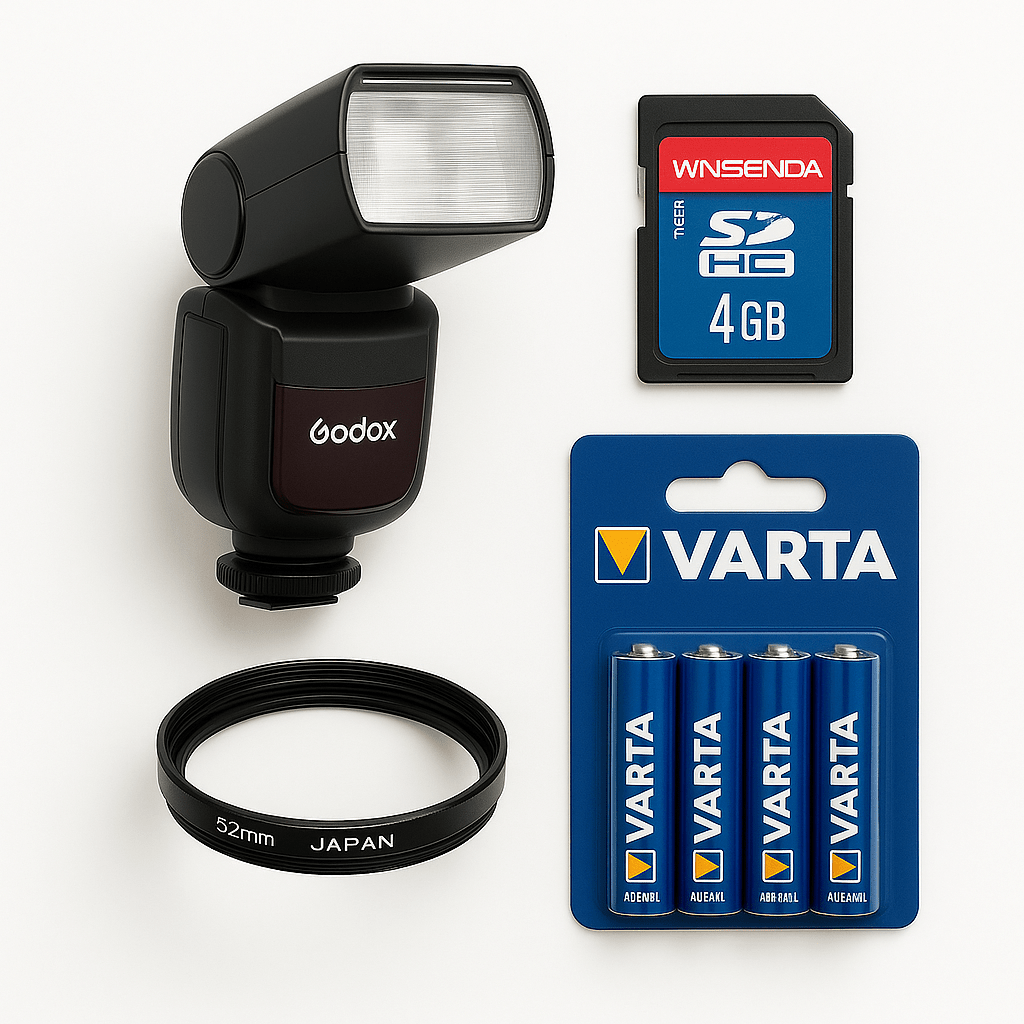
- ✓ Experiment with ND filters or step-up rings for video work
- ✓ Inspect glass for haze or fungus
- ✓ Check aperture blade movement
- ✓ Test focus smoothness
- ✓ Verify mount compatibility
- ✓ Ask for recent sample photos
Creative fields where it shines
On APS‑C cameras, the Skoparex becomes roughly a 50mm equivalent—ideal for portraits and everyday shooting. On full‑frame sensors, it is a classic 35mm: perfect for environmental portraits, street photography, and travel.
For video work, the lens’s smooth focus ring and gentle contrast make it an excellent partner for cinematic storytelling. Add an ND filter (with a step‑up ring if needed) and you can shoot at wider apertures outdoors, preserving motion blur and maintaining that soft vintage look for interviews, short films, or B‑roll.
Buying the Skoparex 35mm on the Second-Hand Market
What to inspect before you buy
Because every Skoparex has lived a previous life, condition matters. Take a moment to check the optics and mechanics thoroughly or work with a trusted used‑gear shop that does this for you.
Inspect the glass under strong light to look for haze, fungus, or separation. Light dust is common and usually harmless, but foggy or web‑like patterns can affect contrast and sharpness. Gently move the focus ring from minimum distance to infinity; it should feel smooth and even, without grinding or stiff spots. Likewise, the aperture ring should click positively, and the blades should open and close cleanly without oil or hesitation.
Mount type and system planning
Mount compatibility is key, so verify whether your Skoparex is M42 or QBM before ordering an adapter or a body to match. A quick test fit or a comparison with known mounts can save frustration later. Because these lenses respond so well to digital bodies, planning a small system around one or two vintage lenses can be both affordable and creatively freeing.
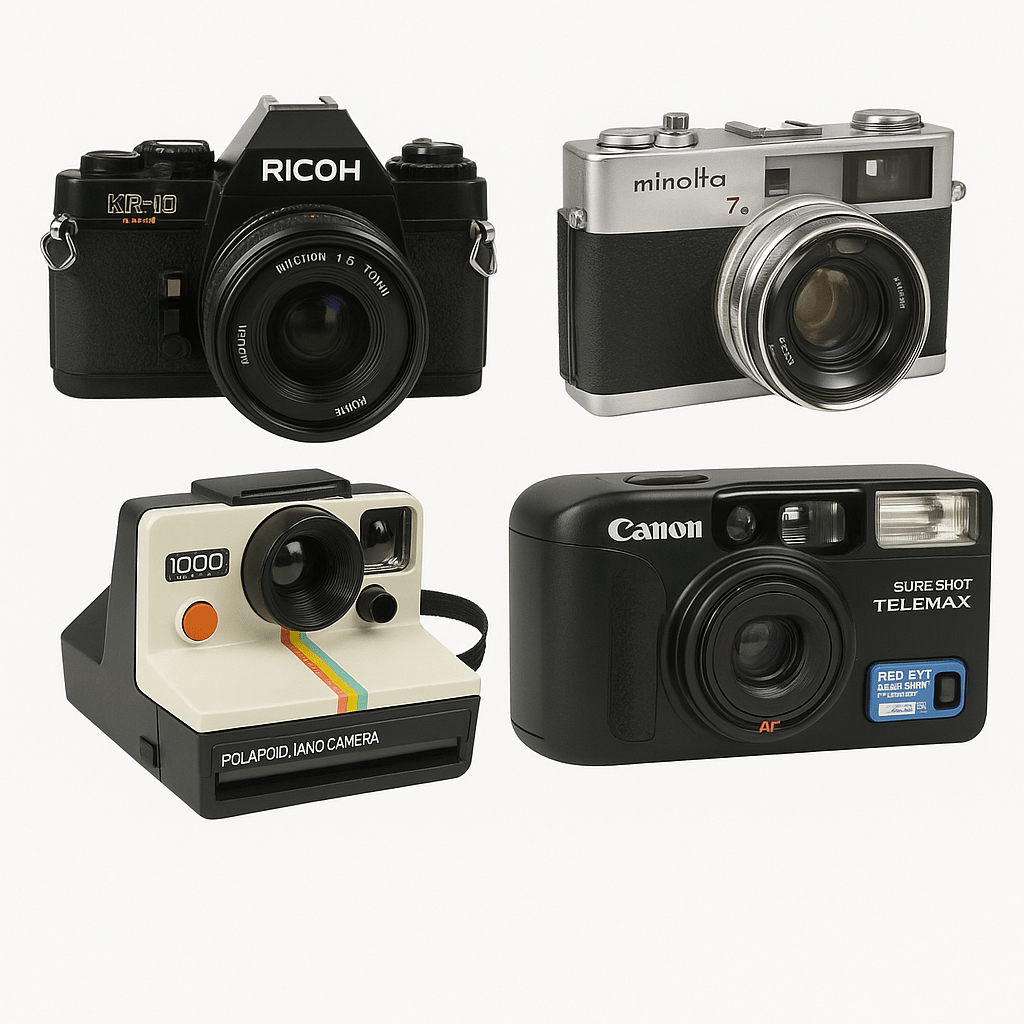
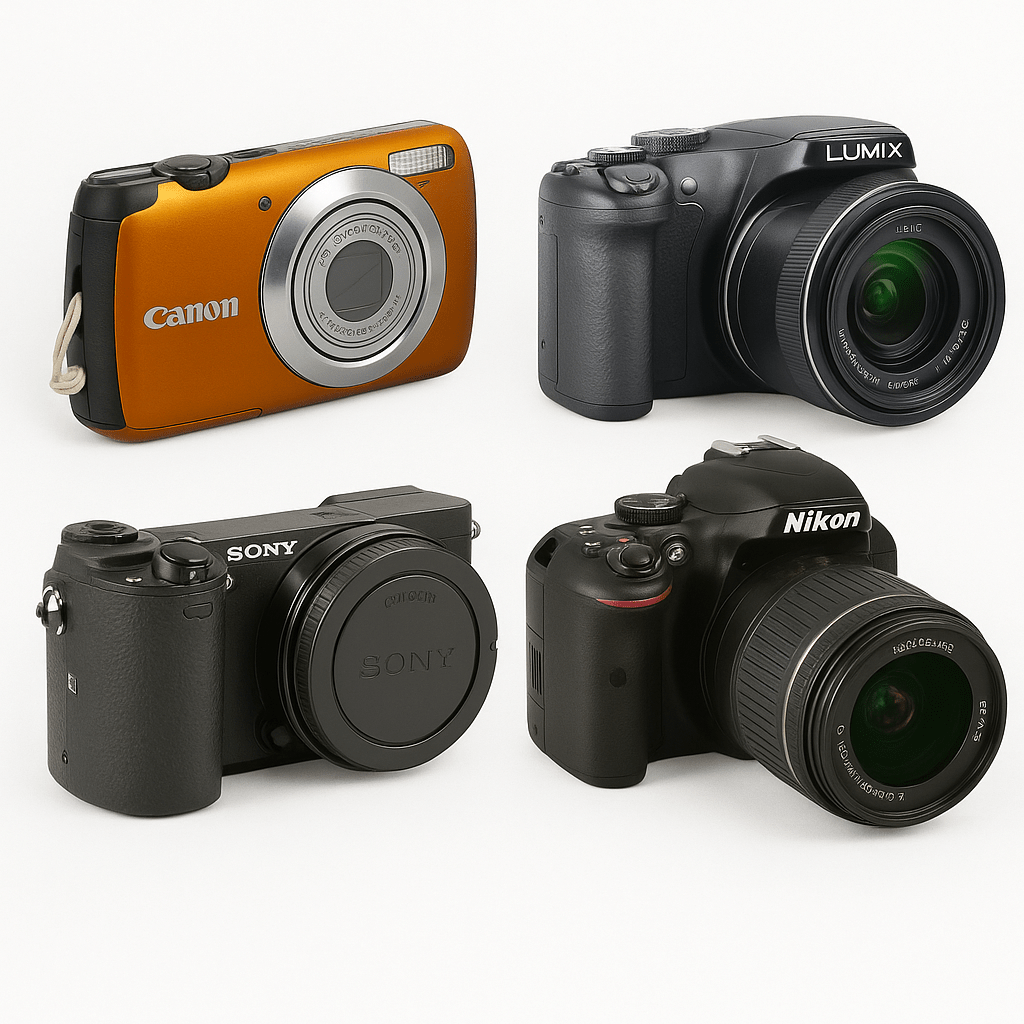
If you are building a kit, consider combining the Skoparex with other second‑hand camera lenses or even a dedicated video body from our selection of videocameras for a fully character‑rich setup.
Why It Still Inspires Today’s Image Makers
A tactile, mindful way of shooting
In an age of autofocus bursts and endless firmware updates, the Voigtländer Skoparex 35mm f/3.4 offers a different rhythm. Manual focus slows you down just enough to think about framing, timing, and light. The metal focus ring, engraved markings, and mechanical aperture all invite a more intentional way of working.
Affordable character and sustainability
Choosing a vintage lens like the Skoparex is not only a creative decision; it is a sustainable one. Re‑using high‑quality optics keeps them out of drawers and landfills, while giving you access to a unique image character that modern lenses rarely replicate. For photographers and filmmakers looking to stand out without buying the latest gear, this classic 35mm may be the perfect bridge between past and present.
FAQs
Can the Voigtländer Skoparex 35mm f/3.4 be used on modern digital cameras? Yes. With the proper adapter (for example, M42‑to‑Sony E or QBM‑to‑Fuji X), it works smoothly on most modern mirrorless systems, giving you manual focus control with focus peaking and magnification support.
What should I look for when buying a used Skoparex 35mm lens? Check for optical issues such as haze or fungus, make sure the focus and aperture rings move smoothly, and verify that the mount type (M42 or QBM) matches the adapter or camera system you plan to use.
Is the Skoparex 35mm good for video? Yes, its smooth, mechanically damped focus ring and gentle contrast make it excellent for cinematic shots, interviews, and creative storytelling videos, especially when paired with ND filters for consistent exposure.
Why choose this vintage lens over a modern 35mm? The Skoparex offers a unique tonal style, a tactile shooting experience, and an affordable entry into classic German optics—qualities that many modern lenses, however sharp, often lack.
Ready to explore what a classic 35mm can do for your images? Discover more characterful glass and bodies in our curated selection of second‑hand camera lenses, analog cameras, and videocameras at DutchThrift.com.