



A 1990s All-Rounder Worth Revisiting
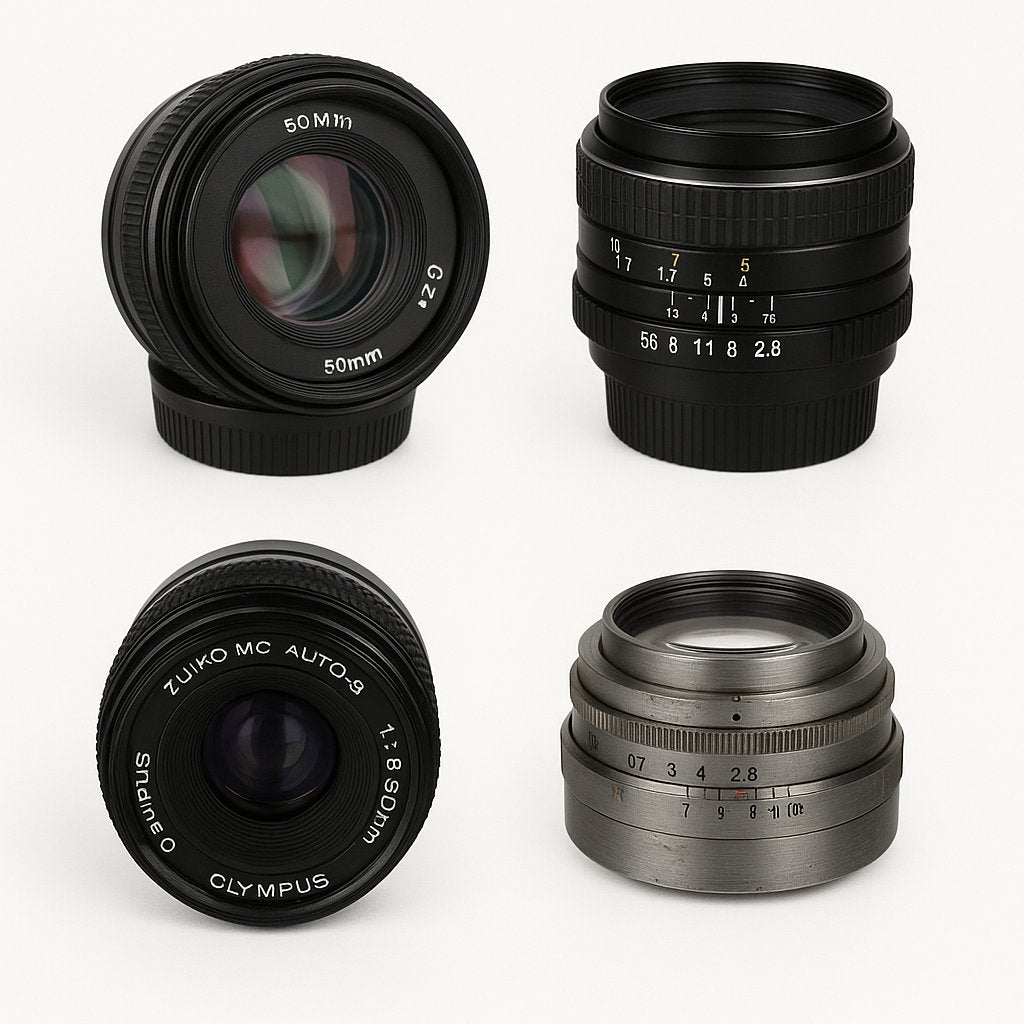
The Sigma 28–135mm f/3.8–5.6 Nikon AF lens is a classic 1990s all-round zoom: wide enough for street and travel, long enough for portraits and details, and compact enough to live on your camera. On the used market, it has quietly become a hidden gem for photographers who enjoy character, versatility and the tactile feel of older glass.
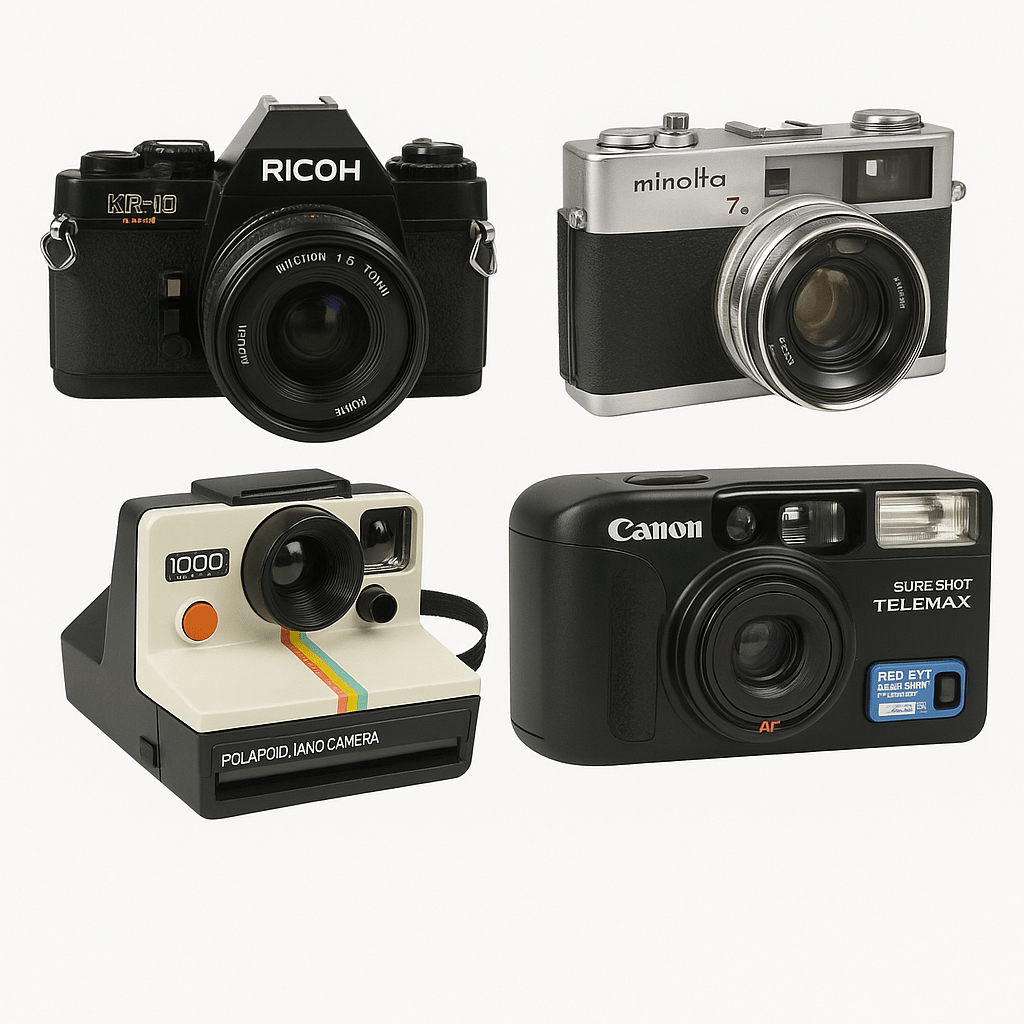
Originally designed for 35mm film SLRs, this lens pairs especially well with second-hand analog cameras, but it also adapts nicely to digital bodies. Its rendering leans toward the nostalgic: gentle contrast, pleasing color, and a softness wide open that can be flattering for portraits and documentary work.
I still remember my first second-hand Sigma zoom: it looked unassuming, a bit scuffed, and was cheaper than a new camera strap. But once I saw how it painted light—slightly dreamy at the long end, with surprisingly crisp detail when stopped down—it turned everyday walks into experiments in framing, flare and texture. That is the kind of creative surprise the 28–135mm can still deliver.

Key Technical Highlights of the Sigma 28–135mm f/3.8–5.6
Zoom range and aperture
The 28–135mm span gives you a useful walkaround toolkit: 28mm for environmental scenes, 50–85mm for portraits, and 135mm for compressed perspectives and tighter framing. With a variable aperture of f/3.8–5.6, it is not a low‑light monster, but on modern digital bodies or loaded with ISO 400 film, it remains perfectly usable.
Autofocus and handling
As a Nikon AF-mount lens, autofocus is driven by the camera’s screw-drive motor. That means AF support on Nikon DSLRs with a built-in motor, and manual focus only on bodies without one or when used via an adapter. The focus ring provides a tactile experience that many photographers find missing on lightweight kit lenses.
Optical character
You can expect respectable sharpness when stopped down, some vignetting at the wide end, and a slight glow wide open that feels right at home on film. It is not clinically perfect—and that is precisely the appeal for many shooters seeking a more organic look than modern, ultra-corrected zooms.

Modern-Day Usage: Blending Film and Digital Workflows
On Nikon DSLRs
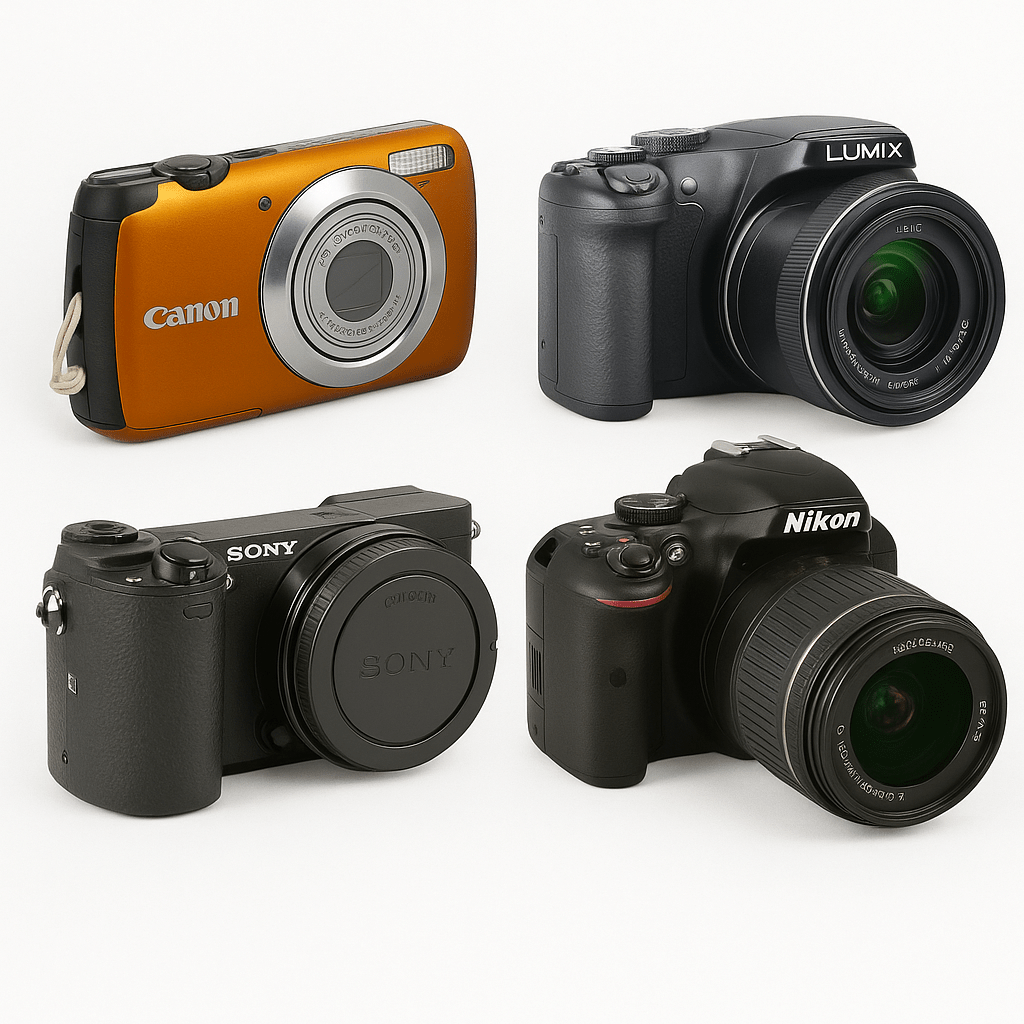
Mounted on many second-hand DSLR cameras, the Sigma 28–135mm becomes a versatile everyday zoom. On APS-C bodies it behaves more like roughly 42–200mm in full-frame terms, favoring portraits and tighter framing. Autofocus works best on models with a built-in AF motor, giving you a classic but capable setup for travel or learning manual exposure.
On Nikon Z mirrorless
With a simple F-to-Z adapter, the lens can be used on Nikon Z cameras. Here you will rely on manual focus, but you can combine its analog character with the precision of focus peaking and in-body stabilization on some models. It is a great way to turn a modern digital body into a flexible platform for exploring older glass.
On 35mm film bodies
Where the Sigma 28–135mm truly feels at home is on a Nikon film SLR. The focal range covers almost any casual assignment: city walks, family gatherings, landscapes and spontaneous close-ups. Pair it with a compact Nikon body and an ISO 200–400 film, and you have a go-anywhere kit that still feels refreshingly simple.
Second-Hand Buying Guide for the Sigma 28–135mm
Buying this lens second-hand is not just budget-friendly; it is also a more sustainable choice, extending the life of gear that still has plenty to offer. Because these lenses are now decades old, a careful inspection is important—whether you are browsing online or in-store.
What to inspect before you commit
- ✅ Check for zoom and focus ring smoothness.
- ✅ Inspect lens elements for haze or fungus.
- ✅ Test the macro switch for proper function.
- ✅ Verify aperture blades aren’t oily or sluggish.
- ✅ Examine lettering and threads for cosmetic integrity.
A clean copy should zoom and focus without grinding or sticking, with only minor cosmetic wear. Pay special attention to internal haze or separation when shining a light through the lens—these can be harder to fix than simple dust.
Why the used price is so appealing
Because this lens is overshadowed by newer zooms, second-hand prices tend to be very accessible. For the cost of a basic filter set, you can pick up a lens that covers a huge focal range and brings a distinctive, analog-inspired look to your work.
How to Get the Best Results with This Vintage Lens
Best aperture settings
For general shooting, try working between f/5.6 and f/11. In this range you will usually see improved corner sharpness and contrast while retaining the lens’s smooth rendering. Use the widest apertures for portraits or when you want that subtle 1990s softness.
Managing flare and contrast
Being a vintage design, the Sigma 28–135mm can show flare and reduced contrast with strong light sources in or near the frame. A simple 62mm lens hood helps, as does slightly adjusting your framing to keep the sun just out of view. On digital bodies, you can restore contrast in post-processing while keeping the flare as a creative element.
Using the close-focus and macro capability
The macro switch is not a true 1:1 macro, but it does get you to around 1:3 magnification—ideal for details like food, flowers, fabric textures or product shots for small online shops. Combine it with careful manual focus and a tripod for surprisingly detailed close-ups from a budget‑friendly lens.
Conclusion: An Affordable Path to Analog Charm
The Sigma 28–135mm f/3.8–5.6 Nikon AF lens is not about chasing technical perfection; it is about unlocking character on a budget. On a Nikon film body or a second-hand DSLR, it provides one-lens versatility for everyday photography. Adapted to mirrorless, it becomes a playful, manual-focus tool that adds personality to otherwise clean digital files.
If you are building a compact kit of second-hand camera lenses, or you simply want to experience the feel of 1990s zoom design without spending a fortune, this Sigma is a compelling option. With a careful purchase and a bit of patience in use, it can open up a more mindful, analog-inspired way of seeing—whether you shoot film, digital, or both.
FAQs
Is the Sigma 28–135mm f/3.8–5.6 compatible with modern Nikon Z cameras? Yes. You can mount it on Nikon Z cameras using an F-to-Z adapter. It will operate in manual focus mode, while autofocus is only available on compatible Nikon DSLRs with built-in AF motors.
What makes the Sigma 28–135mm worth buying second-hand? Its low purchase price, broad focal range and distinctive vintage rendering make it a great creative lens for experimentation and learning, especially if you are exploring older Nikon systems.
Does the macro switch offer true macro performance? Not quite—its maximum magnification is around 1:3, which is still close enough for detailed shots of textures, still-life subjects and small objects without the complexity of a dedicated macro setup.
How can I reduce flare with this lens? Use a 62mm lens hood and avoid bright light sources hitting the front element directly. Slightly adjusting your angle or shielding the lens with your hand can also help maintain contrast while keeping its characteristic flare under control.
Ready to explore analog-style zooms and characterful optics? Browse our curated selection of used analog cameras, dslr cameras and matching camera lenses and build a sustainable, creative kit that fits your style.