



The Telephoto Lens That Defined Affordable Reach
The Pentax SMC 55–300mm f/4–5.8 ED is one of those lenses that quietly shaped how many photographers discovered long telephoto work. It offered serious reach on a budget, bringing wildlife, sports, and candid portraits within range for everyday Pentax shooters.
On APS-C Pentax DSLRs, the 55–300mm behaves like roughly an 82–460mm equivalent lens. That makes it a natural partner for a standard kit zoom, extending your range from casual walk‑around scenes to distant birds, stage performances, or compressed landscape views.

The first time you look through a long telephoto, the world suddenly feels smaller. Distant church towers fill the frame, people across the street turn into portraits, and details you barely noticed with your eyes become the main subject. What surprised me most was how tiny hand movements became huge shifts in composition — framing felt more like steering than simply pointing.
Because of its compact size and relatively light weight for a 300mm-capable zoom, this lens is also well suited to travel. It fits easily into most shoulder bags and doesn’t attract the same attention as larger pro telephoto glass.
Key Technical Highlights That Still Matter
Optical design and image quality
The SMC 55–300mm f/4–5.8 ED uses extra-low dispersion (ED) glass elements and Pentax’s classic SMC coatings to control contrast-robbing flare and chromatic aberration. While it’s not a modern ultra-sharp prime, it delivers satisfying, usable results across the zoom range when handled correctly.
Stopped down to around f/8, the lens sharpens up nicely from edge to edge for general shooting. Wide open at the long end, it’s a bit softer with more visible color fringing, but still very workable for casual wildlife and sports.
Autofocus and handling
This lens uses the K AF mount with screw‑drive autofocus. On compatible Pentax DSLRs, that means reasonably quick focus with audible but familiar whirring. It is compatible with many bodies including popular options like the K‑70, KP, and K‑3 series.
The zoom ring has a long, smooth throw, making it easy to fine‑tune framing. The manual focus ring is usable, and on modern Pentax bodies focus confirmation helps nail critical focus even when you take over manually.
Best aperture settings
For many shooters, the sweet spot of this lens is around f/8. At that aperture you benefit from improved sharpness, better micro-contrast, and reduced chromatic aberration across most of the zoom range, especially between 100mm and 250mm.
How This Lens Fits into Modern Workflows
On contemporary Pentax DSLRs
The 55–300mm f/4–5.8 ED integrates smoothly with modern Pentax DSLR cameras. It takes full advantage of in‑body image stabilization on models like the K‑3 III, improving hand‑held shooting at the long end where even slight movements are magnified.
On these bodies, screw‑drive autofocus is supported, and focus confirmation in the optical viewfinder gives an extra layer of reliability. For stills photography, especially outdoors, it remains an easy lens to live with.

Adapted to mirrorless cameras
With a suitable Pentax K‑to‑mirrorless adapter, this lens can also find new life on many mirrorless systems. In that setup you typically use manual focus, often assisted by focus peaking and magnification in the electronic viewfinder.
On mirrorless cameras that feature in‑body image stabilization, the lack of optical stabilization in the lens is largely compensated for, making telephoto video and stills surprisingly manageable.
Video shooting considerations
While designed primarily for stills, the 55–300mm can work for video scenarios where you want tight framing from a distance: stage performances, outdoor sports, or details in landscapes. Because screw‑drive AF is noisy, many videographers prefer to pre‑focus and then record, or focus manually during the shot.
- Use focus confirmation when shooting on Pentax DSLRs.
- Work around f/8 for optimal sharpness.
- Mount securely or use a monopod for long video shots.
- Add a hood to control flare in bright conditions.
- Inspect for dust or fungus under strong light.
- Confirm autofocus activation on a Pentax DSLR body.
- Ensure aperture blades move cleanly.
- Ask if the original hood (PH-RBG58) is included.
Buying Guide for the Second-Hand Pentax 55–300mm
What to check before you buy
On the second‑hand market, condition varies, so a careful inspection is crucial. Check the front and rear elements under strong, angled light for scratches, cleaning marks, or coating damage. A few tiny dust specks are normal and rarely affect real‑world images, but haze, fungus, or separation are cause for concern.
Gently operate the zoom and focus rings to feel for smooth movement without grinding or stiffness. Test the aperture ring via the camera body: the blades should move cleanly and snap closed and open without delay or oil residue.
Autofocus and mount condition
Mount the lens on a compatible Pentax DSLR and confirm autofocus engages correctly in both single and continuous modes. Listen for any unusual squeals beyond the normal screw‑drive sound. Check the metal mount for wear or deformation and ensure the lens locks firmly into place with no play.
Accessories that add value
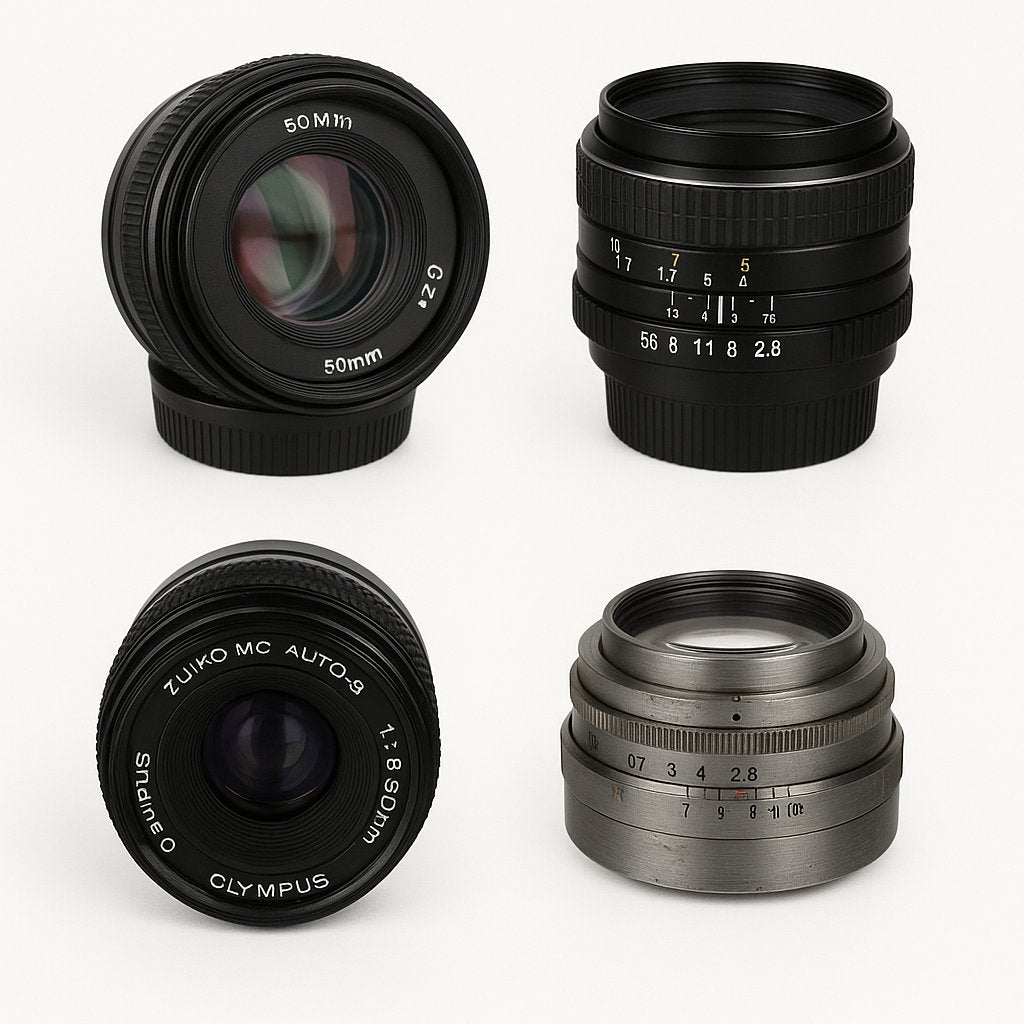
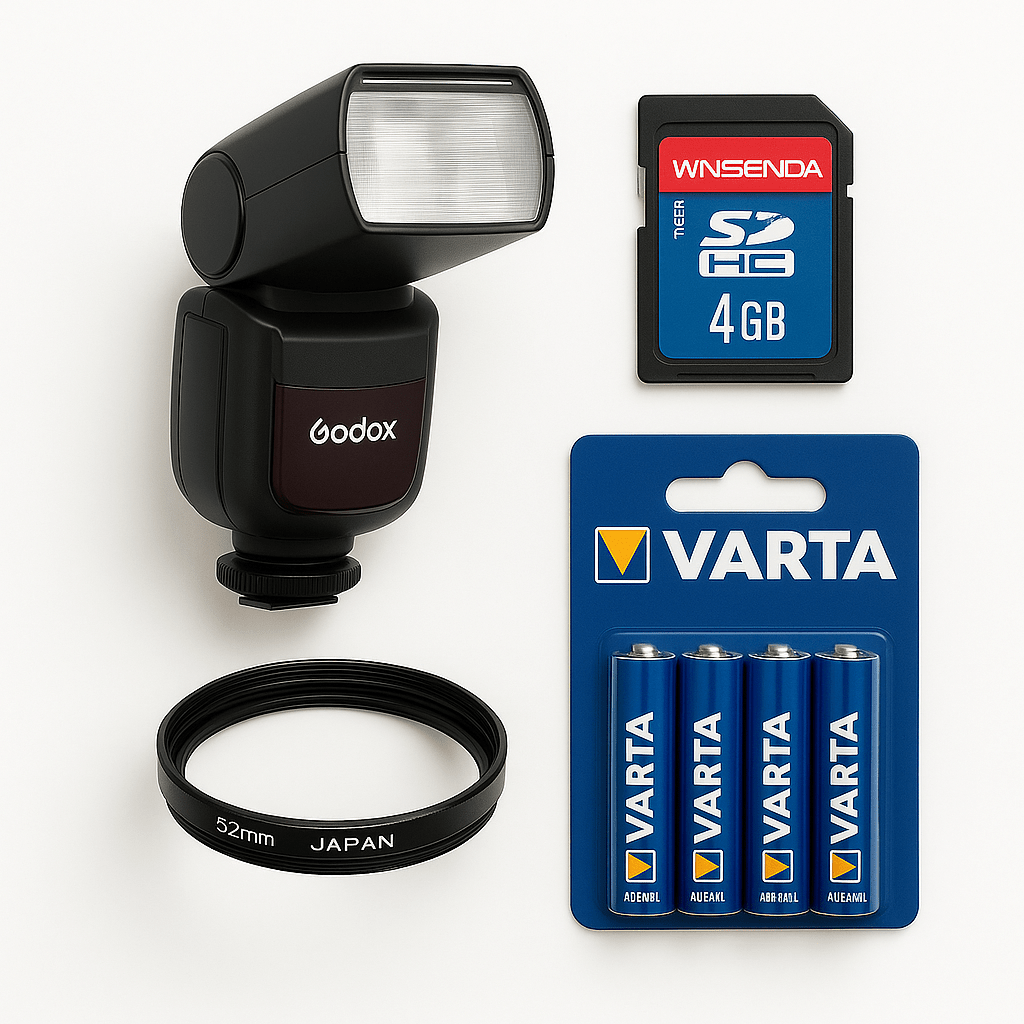
A second‑hand copy with the original PH‑RBG58 hood is a bonus. The hood helps maintain contrast and reduce flare, especially at longer focal lengths. Original front and rear caps are also helpful for storing the lens safely in your bag alongside your other camera lenses and photography accessories.
Why It’s Still a Worthwhile Creative Investment
Extending your visual storytelling
Long lenses change how you see. With the Pentax 55–300mm, you can compress distant mountains into dramatic backdrops, isolate a musician on stage, or capture shy wildlife without intruding. It opens creative possibilities that shorter zooms and primes simply cannot match.
For photographers working with sustainable, second‑hand kits, it’s a particularly attractive upgrade: you gain reach without a large financial or environmental cost, and you keep older but capable glass in active use.
Pairing with your existing gear
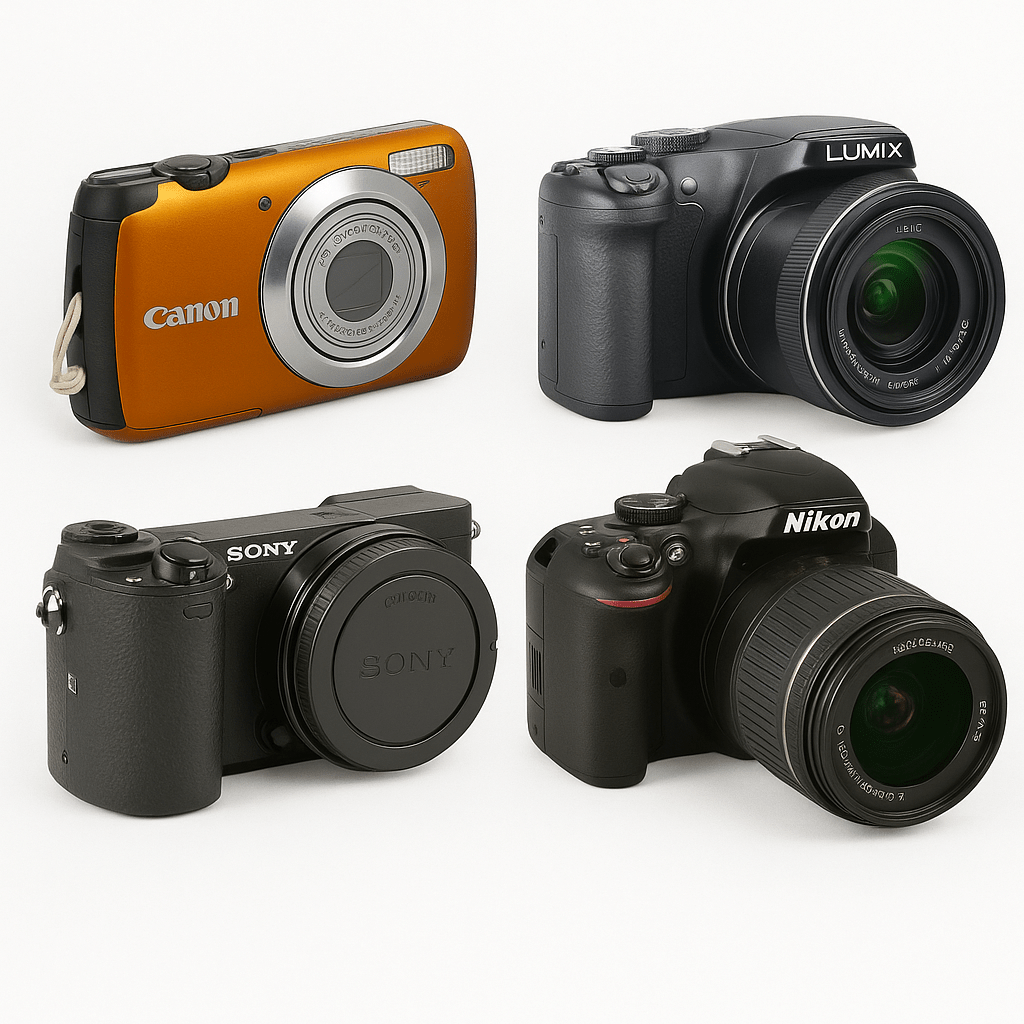
If you already own a Pentax APS‑C body from the DSLR cameras lineup and a standard zoom, the 55–300mm is an obvious next step. It slots into your bag as the “event and adventure” lens — the one you pull out when something interesting is happening just beyond normal reach.
Ultimately, the Pentax SMC 55–300mm f/4–5.8 ED is not about technical perfection. It’s about making far‑off moments photographable, about discovering compositions you couldn’t frame before, and about doing so with a lens that remains practical, repairable, and accessible years after its release.
FAQs
Is the Pentax 55–300mm f/4–5.8 compatible with modern Pentax DSLRs? Yes. It uses the K AF mount and supports screw‑drive autofocus on most Pentax DSLRs, including popular models like the K‑70, KP, and the K‑3 series.
Can I use this lens on a mirrorless camera? Yes. With a suitable Pentax K‑to‑mirrorless adapter, it works in manual focus mode. Mirrorless bodies with focus peaking make precise focusing much easier at long focal lengths.
Does it include image stabilization? No, the lens itself has no optical stabilization. However, IBIS‑equipped cameras such as the Pentax K‑3 III and many mirrorless bodies can compensate for camera shake effectively.
What’s the best aperture for sharpness on this lens? Around f/8 usually provides the best balance of sharpness, contrast, and reduced chromatic aberration across most of the zoom range.
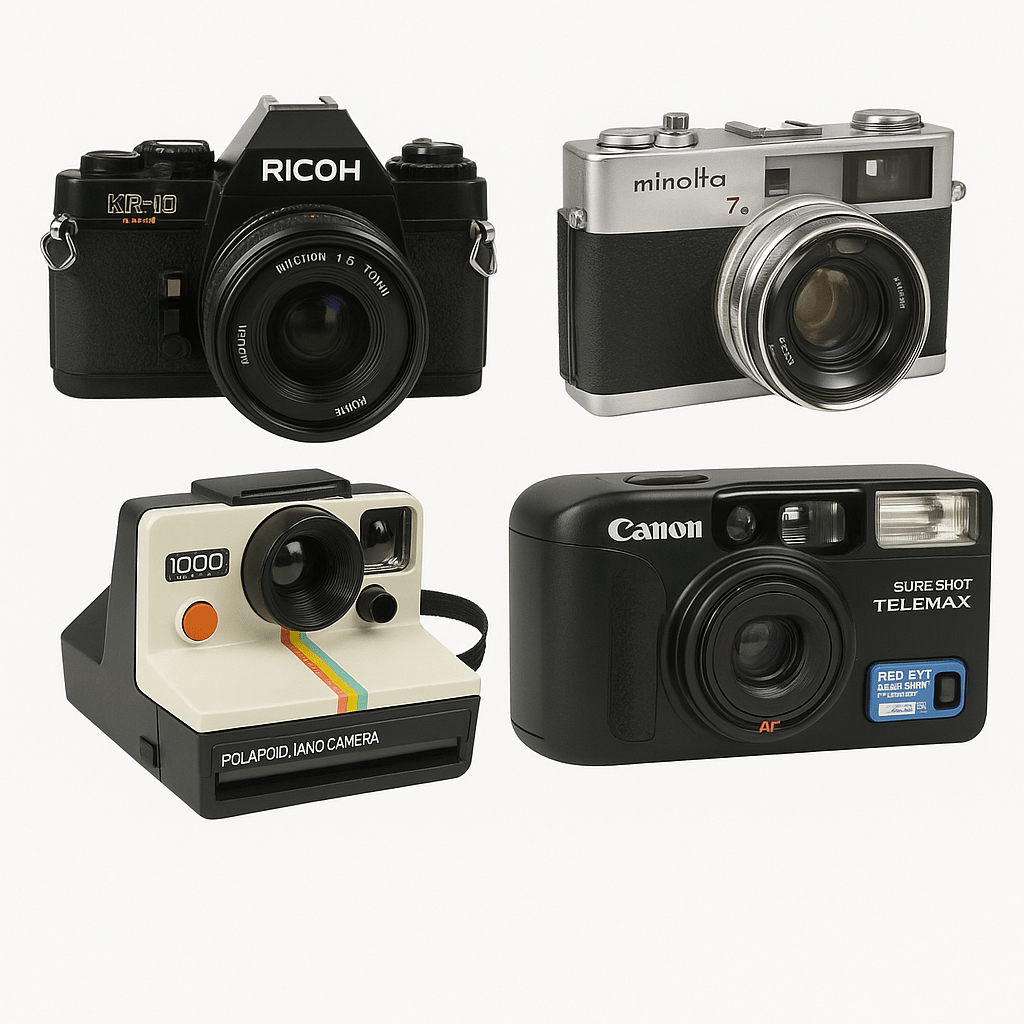
Ready to explore affordable telephoto reach? Discover our curated selection of second‑hand Pentax lenses, compatible DSLR cameras, and essential photography accessories at DutchThrift.com.