



The Nikon AF F-801: A Bridge Between Film and Digital Mindsets
The Nikon AF F-801 (also known as the N8008 in some markets) arrived in the late 1980s as a bold step into autofocus. In 2025, it feels like a missing link between all-mechanical classics and the intuitive, menu-driven DSLRs and mirrorless cameras many of us use today.
It offers manual aperture rings, a bright optical viewfinder, and the deliberate pace of film loading—yet it adds powered film advance, autofocus, and program modes that make it feel surprisingly modern. With the Sigma 28–105mm f/4–5.6 zoom attached, it becomes a flexible, go-anywhere setup that can cover everything from street scenes to portraits.
I still remember putting my trusted manual Nikon down on the table, mounting my usual 50mm onto the F-801, and half-pressing the shutter for the first time. The whirr of the autofocus motor, the quick lock-on in the viewfinder, and the confidence that the focus would simply “be there” changed how I shot. Suddenly I could look for expressions instead of fumbling focus rings; my hit rate went up, and so did my appetite to experiment with shallow depth of field on moving subjects.
Technical Traits That Still Matter Today
Autofocus and metering that hold up
The F-801’s autofocus is not as fast as modern mirrorless systems, but it is accurate and reliable in most daylight situations. Its multi-mode metering system offers center-weighted and matrix options, which makes it simple to expose reliably on negative film.

The Sigma 28–105mm: One lens, many looks
Paired with the Sigma 28–105mm, the F-801 covers a very useful focal range. At 28mm you can capture interiors, travel scenes, and environmental portraits. Around 50mm things feel natural and close to what your eye sees. At 85–105mm, you get flattering compression for portraits and details.
The modest f/4–5.6 aperture encourages you to pay attention to light and background instead of relying solely on razor-thin depth of field—a good discipline for anyone learning film.
Everyday practicality
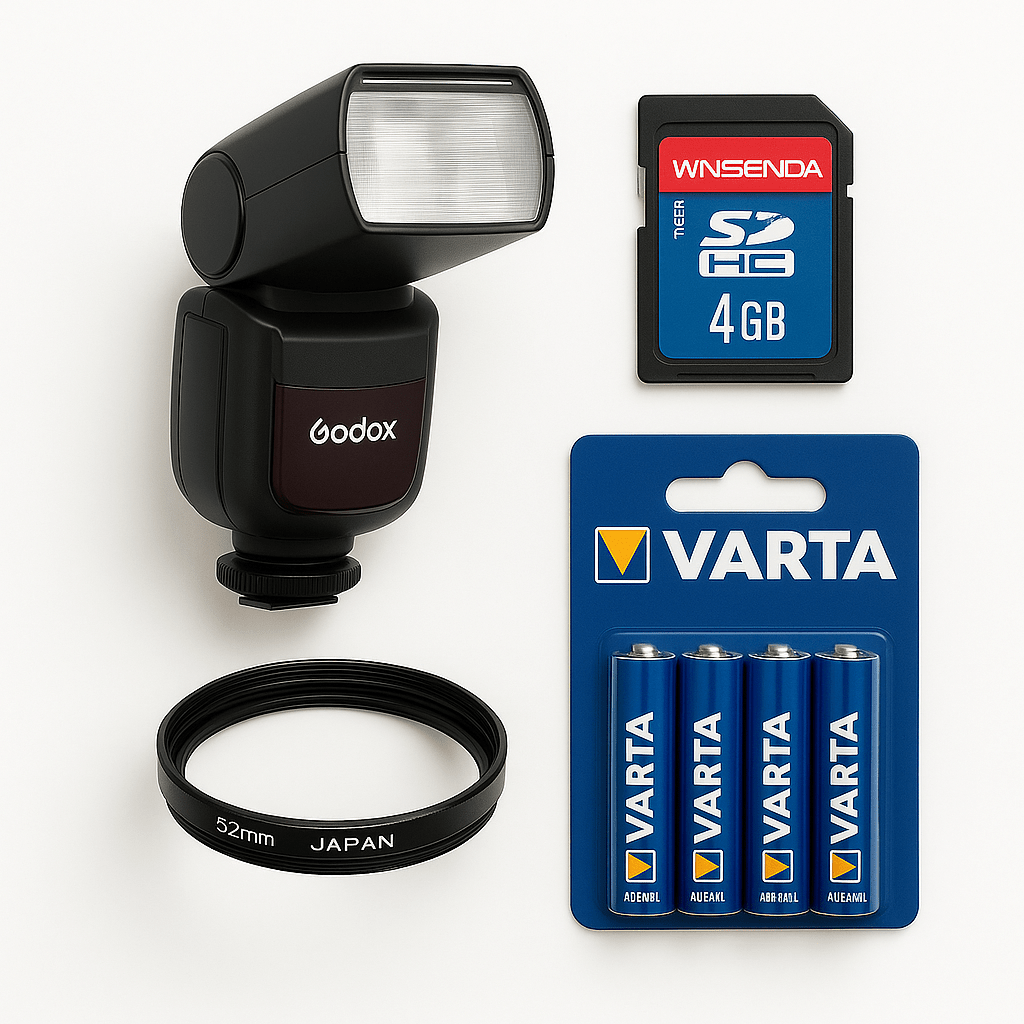
One of the strongest advantages of the F-801 today is its power source. It runs on 4 standard AA batteries, which are cheap, easy to find, and available in rechargeable or lithium varieties for longer life. That makes it an easy companion on longer trips where proprietary batteries might be harder to charge.
Who the Nikon F-801 + Sigma 28–105mm Combo Is Perfect For
Digital photographers exploring film
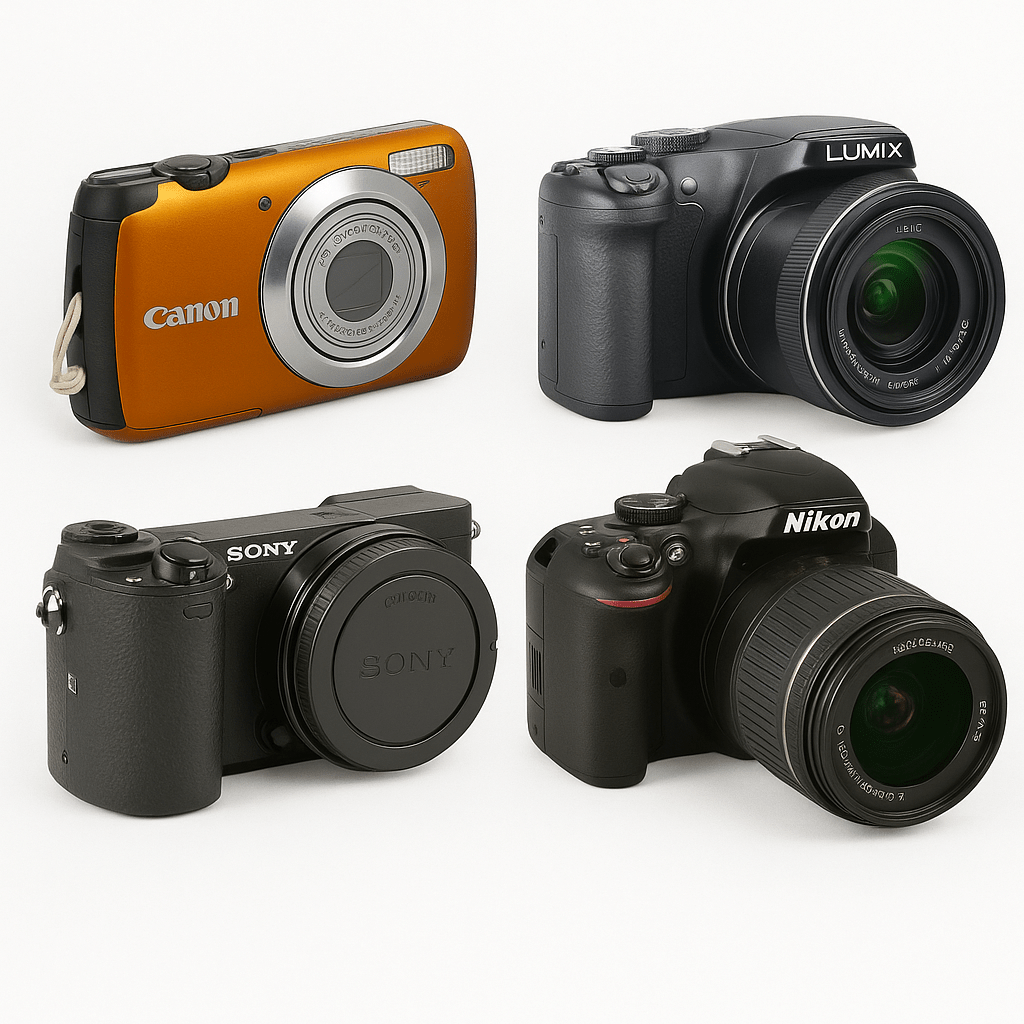
If you already shoot a modern Nikon DSLR or mirrorless body, the F-801 will feel wonderfully familiar. The grip, the top LCD, and the shooting modes ease the transition to film without removing the tactile pleasure of rewinding and loading rolls.
Students and budget-conscious creators
The F-801 and Sigma 28–105mm together form a complete kit that can cover most assignments: reportage, portraits, still life, and street. Because you can often find them second-hand at friendly prices, you save budget for film, developing, and scanning.
Slow photography lovers
For photographers tired of infinite digital bursts, a 36-frame roll in the F-801 is an invitation to slow down. You still enjoy autofocus and exposure aids, yet each frame feels intentional. That mix is hard to find in either fully mechanical or fully digital systems.
Buying and Maintaining a Second-Hand F-801
Buying used film gear is both sustainable and budget-friendly, but it pays to inspect carefully. When you’re checking a Nikon F-801 and its Sigma zoom in person, walk through a simple checklist.
Second-hand inspection checklist
- ✅ Verify LCD display clarity.
- ✅ Test shutter and film advance sounds.
- ✅ Check light seals around the film door.
- ✅ Examine lens for haze or oil spots.
- ✅ Confirm motorized rewind and AF response.

Basic maintenance tips
Store the camera in a dry place, away from direct sunlight. Leave lens caps off occasionally so any minor moisture can dissipate, and avoid storing the camera in sealed plastic bags, which can trap humidity and encourage fungus.
A soft brush and microfiber cloth are usually all you need for external cleaning. For anything involving the shutter, mirror, or internal optics, it’s safer to consult a technician than experiment.
Shooting Techniques and Hybrid Workflows with the F-801
Using the F-801 alongside digital bodies
One of the joys of the F-801 in 2025 is how well it slots into a hybrid analog–digital workflow. You can carry a digital body for instant feedback and high ISO work, and the F-801 with the Sigma 28–105mm for deliberate, low-ISO film shooting.
Compose your scene digitally, check exposure and lighting, then translate those settings to the F-801. Over time, you’ll rely less on the digital “training wheels” and trust the camera’s metering and your own eye.
Exposure strategies with the Sigma zoom
For color negative film, a slight overexposure often yields forgiving, rich results. Use aperture priority on the F-801, set the lens around f/5.6–8 at 28–50mm for general scenes, and let the camera choose the shutter speed. For portraits at the long end of the zoom, open up as much as the lens allows and pay attention to background distance for softer bokeh.
Digitizing and sharing
Once your film is developed, high-resolution scans make it simple to bring the F-801 into your digital life. You can edit gently to preserve the character of the film and share images online just as you would with digital files.
Why the Nikon F-801 Still Feels Relevant
The Nikon AF F-801 remains relevant because it doesn’t fight against how we shoot today—it anticipates it. Autofocus, auto exposure, and clear LCD information make it intuitive for anyone raised on digital cameras, while the film transport and mechanical shutter connect you to the craft of analog photography.
In an age of rapid upgrades, choosing a second-hand F-801 and Sigma 28–105mm is also a small act of sustainability. You extend the life of existing gear, avoid new manufacturing impact, and experience photography at a slower, more thoughtful pace.
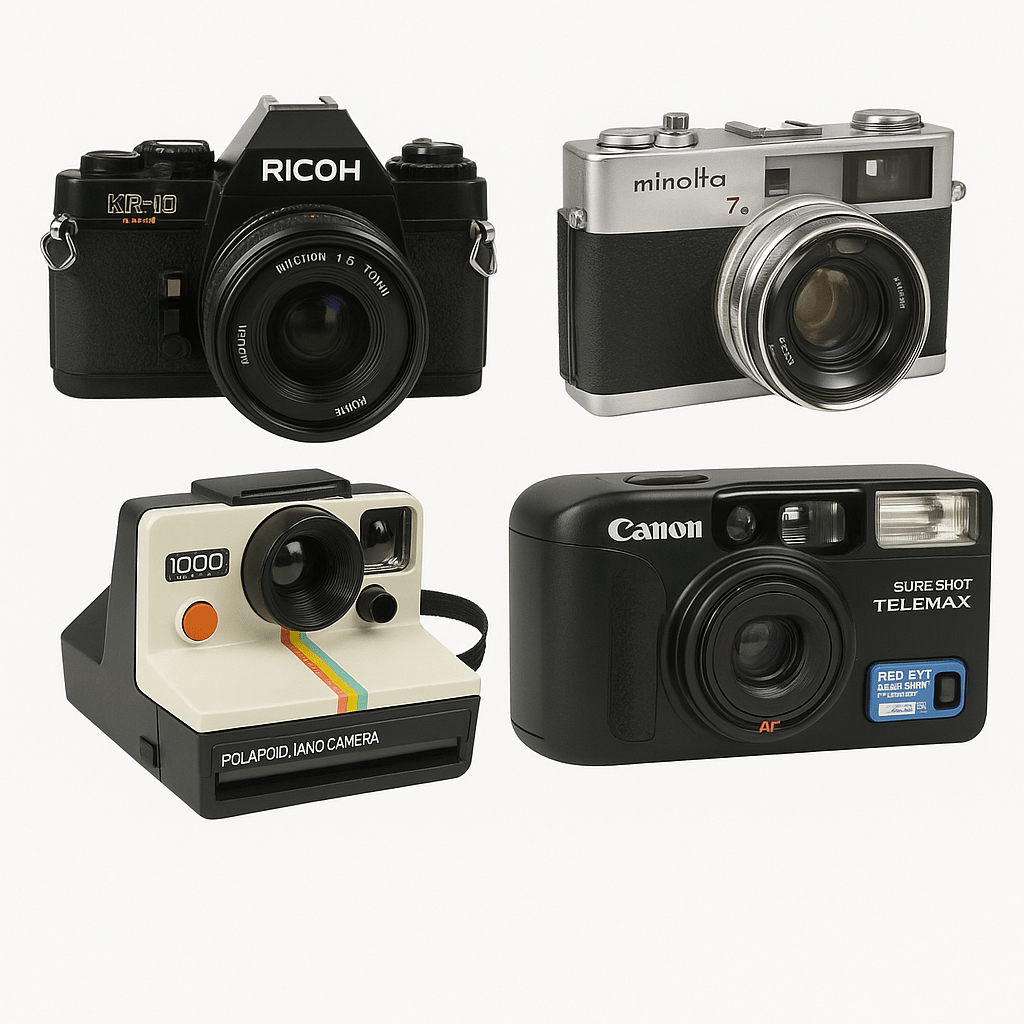
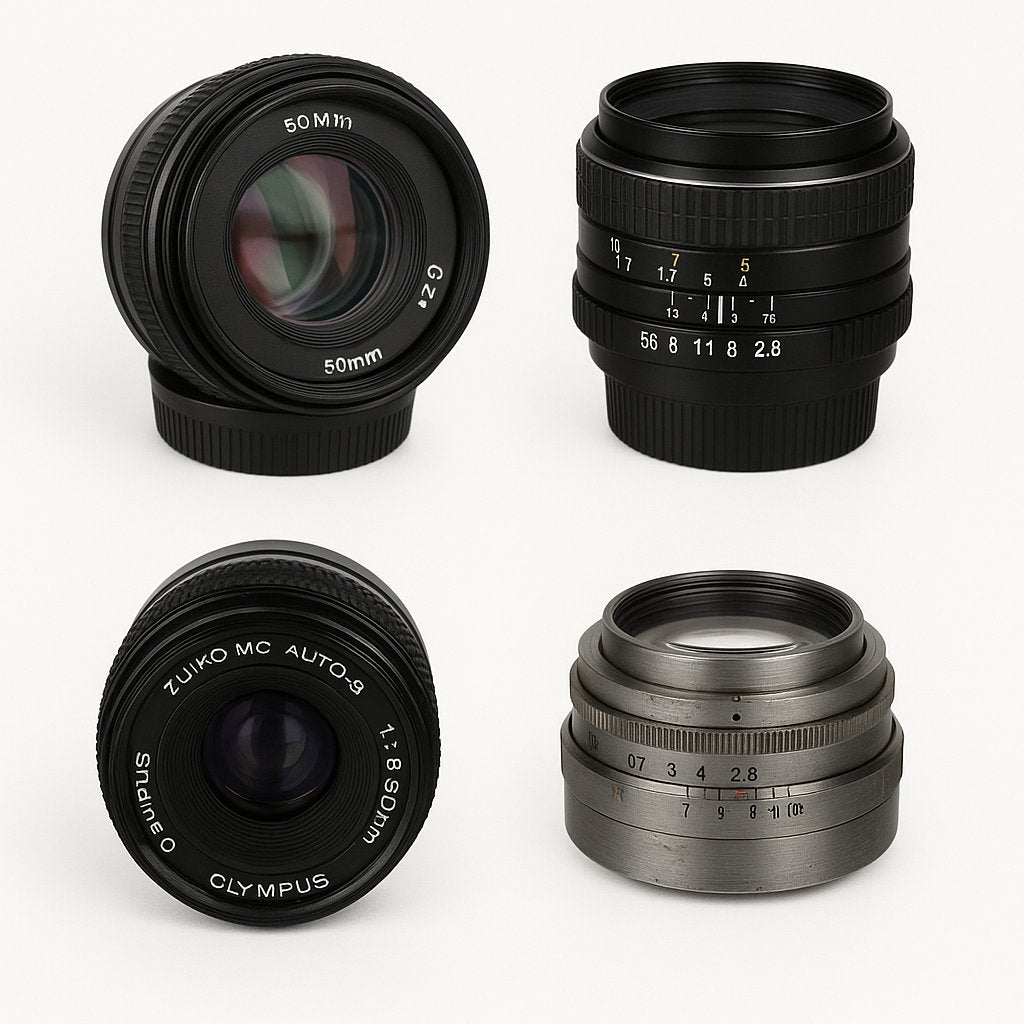
If this resonates with you, explore more carefully checked, second-hand analog cameras, matching camera lenses, and handy photography accessories to complete your kit.
FAQs
Is the Nikon AF F-801 compatible with modern Nikon lenses? Yes, it works with most Nikon AF lenses and many AI/AI-S manual-focus lenses. Some newer AF-P or certain AF-S lenses may have limited or no autofocus functionality, so always check specific compatibility before buying.
What batteries does the Nikon F-801 use? The camera uses 4 AA batteries, which you can easily replace with rechargeable NiMH cells or long-lasting lithium AAs for travel and cold weather.
Is the Sigma 28–105mm lens good for beginners? Yes. Its flexible focal range helps you learn composition and exposure without constantly swapping lenses. You can experiment with wide, normal, and short-telephoto perspectives using a single, affordable zoom.
What should I check before buying a used Nikon F-801? Inspect the top and rear LCDs for clarity and missing segments, listen to the shutter and film advance for smooth operation, test autofocus response, and carefully check the light seals around the film door for crumbling or stickiness.
Ready to rediscover film? A well-kept Nikon AF F-801 with Sigma 28–105mm might be the most rewarding—and sustainable—way to step in.