



The Timeless Appeal of the Nikkor 85mm f/2
The Nikkor 85mm f/2 occupies a sweet spot in the Nikon lineup: compact, fast enough for available light, and purpose-built for natural, flattering portraits. Decades after its release, this manual-focus prime has become a favorite among photographers and filmmakers who want character instead of clinical perfection.
On full frame, 85mm is a classic portrait focal length. It compresses features gently, separates your subject from the background, and lets you work at a comfortable distance. On APS-C or DX, it behaves more like a short telephoto, ideal for candid street shots, detail photos, and tight portraits.
The first time I used a manual-focus lens, the process slowed me down in the best way. Feeling the resistance of the focus ring under my fingertips made me more deliberate: I stopped “spraying and praying” and started waiting for that one precise moment, refining focus and composition with each tiny adjustment.
For creators moving from autofocus zooms to something more intentional, the Nikkor 85mm f/2 offers a tactile, analog experience that pairs beautifully with digital sensors.
Design and Build: Mechanical Precision in Metal
All-metal construction you can feel
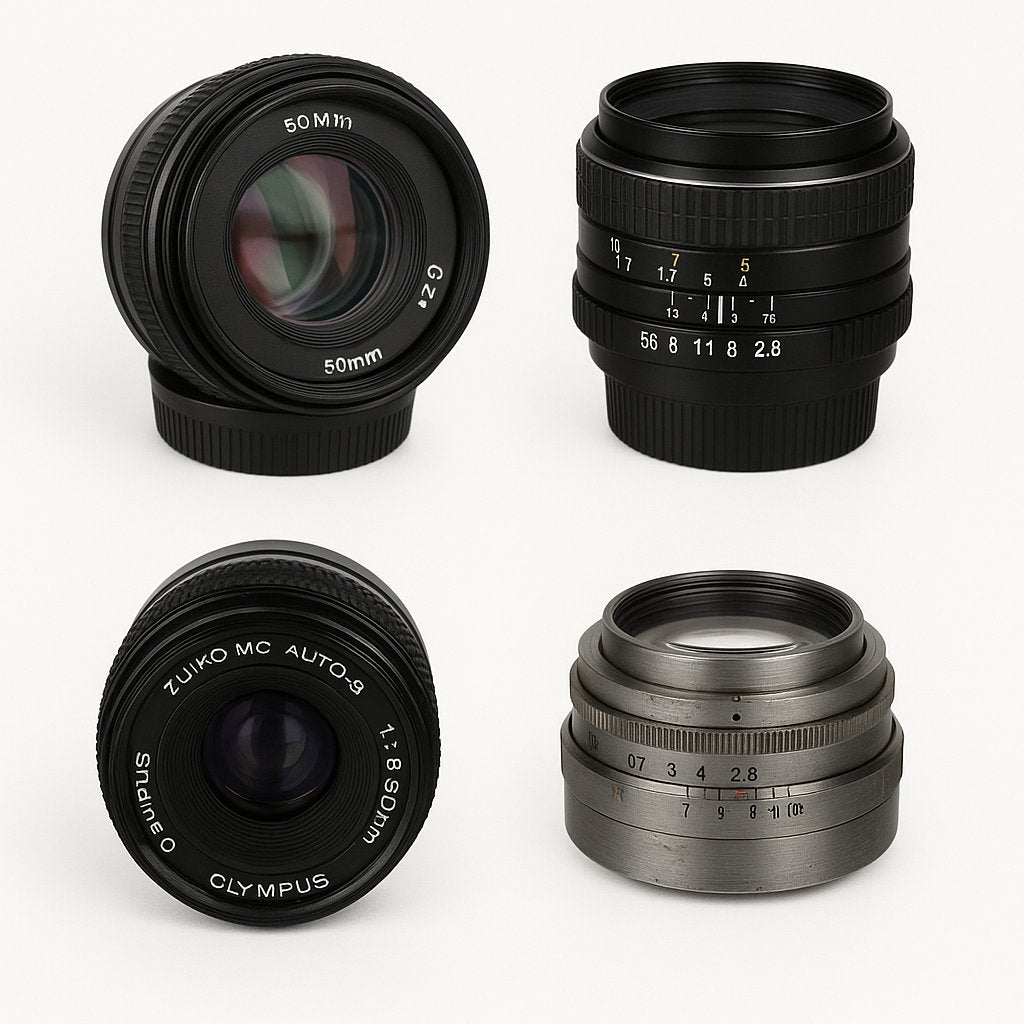
This lens comes from an era when camera gear was engineered to be serviced and to last. The Nikkor 85mm f/2 features a mostly metal exterior, engraved markings, and a focus ring with a generous rubber grip. It feels dense but not heavy, well balanced even on smaller mirrorless bodies with an adapter.

Smooth focus and tactile aperture control
The long focus throw is central to its charm. You can nudge focus with millimeter precision, vital for portraits at f/2 where depth of field is razor-thin. The aperture ring clicks confidently through full stops, making it easy to adjust exposure by feel without taking your eye from the viewfinder.
Because this is a fully mechanical lens, there are no electronics, no autofocus motors, and almost nothing to fail. Treated well, an 85mm f/2 can easily serve multiple generations of photographers.
Real-World Performance: Portraits, Street, and Video
Portrait rendering with character
Wide open at f/2, the Nikkor 85mm delivers a gently soft, almost painterly look on skin while keeping eyes crisp when nailed in focus. Many users appreciate its slightly warm color rendition and smooth, rounded bokeh that feels organic rather than overly corrected.
Stop down to f/2.8–f/4 and micro-contrast increases, giving a sharper, more modern look while retaining pleasant background separation. This flexibility makes it a one-lens solution for both dreamy portraits and more technical work.

Street and candid photography
Though known as a portrait lens, the 85mm f/2 shines for street photography when you prefer to work at a distance. The focal length lets you isolate gestures and expressions without intruding, while the fast aperture keeps shutter speeds up in low light.
Cinematic video on a budget
For filmmakers, the manual focus and gentle flare of this lens create a filmic, nostalgic look. The long focus throw allows controlled focus pulls, and the moderate size pairs well with smaller rigs and cages. Slight vignetting and contrast roll-off at wide apertures can add mood to scenes without relying on heavy grading.
Using the Nikkor 85mm f/2 Today
Adapting to modern mirrorless cameras
The Nikkor 85mm f/2 uses the Nikon F-mount, which adapts reliably to most modern mirrorless systems using a simple mechanical adapter. You won’t get autofocus or electronic aperture control, but you gain full manual command and a unique rendering.
- ✔ Check adapter compatibility for your camera body.
- ✔ Enable focus peaking or magnified assist for accurate manual focusing.
- ✔ Test focus ring smoothness before filmmaking use.
- ✔ Experiment with aperture from f/2 to f/4 for varied depth and contrast.
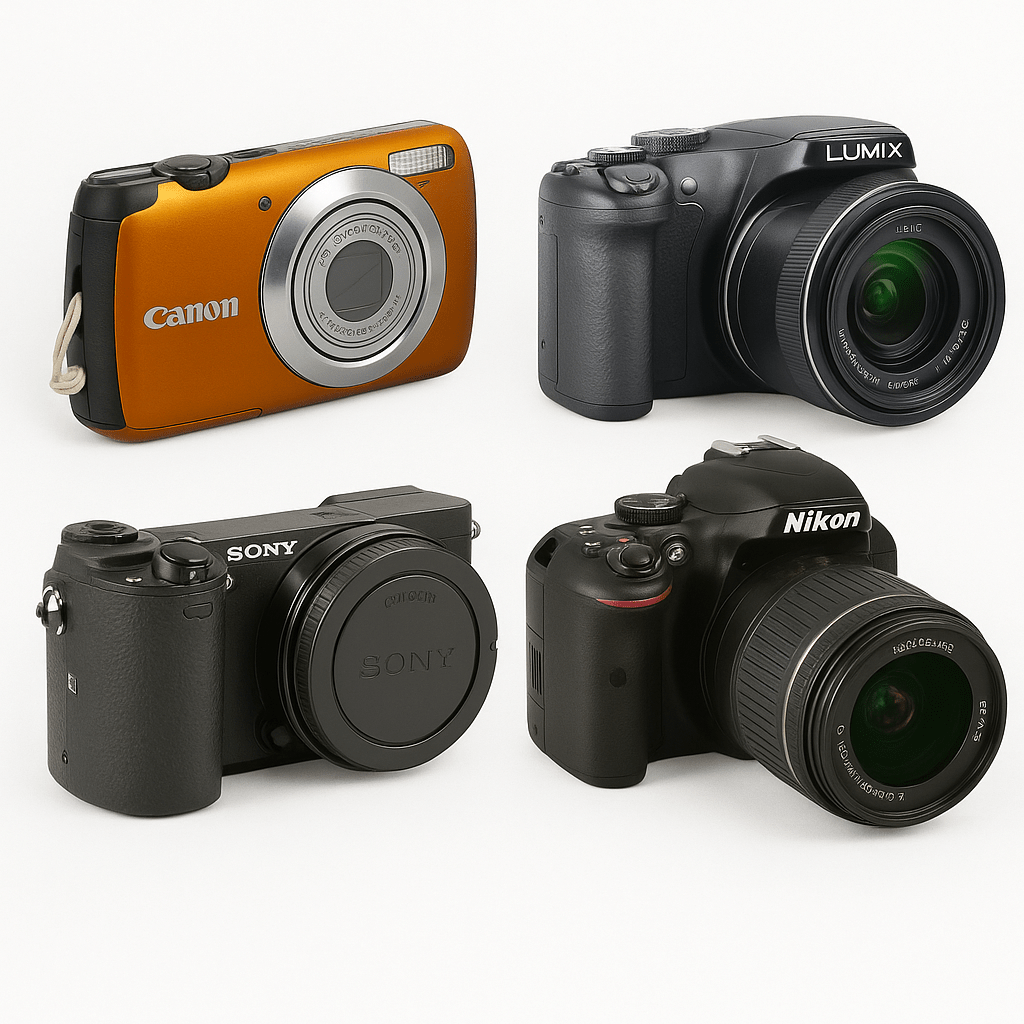
On Nikon Z cameras, the official FTZ adapter works well; on Sony E-mount, many creators use K&F Concept or similar adapters. Micro Four Thirds and other systems also have affordable F-to-native adapters.
Dialing in your workflow
To get the most from this lens, configure your camera for manual-focus support. Assign a button for magnification, enable focus peaking, and consider using a slower, more deliberate shooting style. This helps you embrace the strengths of vintage glass rather than fighting them.
Buying a Used Nikkor 85mm f/2: What to Look For
Optical and mechanical checks
Because these lenses are decades old, condition matters. A careful inspection ensures you’re getting the best possible copy and keeps gear in circulation longer—good for your budget and the planet.
- ✔ Check for clean and oil-free aperture blades.
- ✔ Inspect glass under a light for haze or fungus.
- ✔ Ensure focus ring moves smoothly end-to-end.
- ✔ Verify mount stability and minor wear are acceptable.
Some external wear is normal and purely cosmetic. Focus should feel smooth and even, without gritty spots or excessive play. Slight dust inside is common and rarely affects real-world images.
Why This Vintage Lens Still Matters
The Nikkor 85mm f/2 is more than a relic; it is a practical creative tool. For portrait shooters, it offers a recognizable, classic look that stands apart from modern ultra-sharp glass. For filmmakers, it provides a cost-effective way to build a set of lenses with consistent, characterful rendering.
Buying this lens second-hand keeps a well-crafted piece of gear working instead of sitting on a shelf or, worse, ending up as e-waste. It is a sustainable way to expand your kit while discovering a more intentional way of shooting.
If you enjoy the feel of mechanical controls and the challenge of manual focus, the Nikkor 85mm f/2 will reward you with images that feel timeless—perfect for pairing with your favorite analog cameras or giving new life to your digital body.
FAQs
Is the Nikkor 85mm f/2 compatible with modern mirrorless cameras? Yes. With the right mechanical adapter—such as Nikon’s FTZ for Nikon Z bodies or a quality F-to-Sony E adapter like K&F Concept—you can mount it easily. You retain manual aperture and manual focus control.
What makes the Nikkor 85mm f/2 special for portrait photography? Its slightly warm color, smooth focus throw, and pleasing, non-distracting background blur give portraits a classic, cinematic feel that differs from ultra-corrected modern optics.
How can I check the condition of a used Nikkor 85mm f/2 lens? Turn the focus ring from minimum to infinity to ensure smooth movement, stop the aperture down while watching the blades for snappy, oil-free motion, and shine a light through the elements to check for haze, fungus, or major scratches. Also confirm the mount feels secure.
Is the Nikkor 85mm f/2 good for filmmaking? Yes. Its manual focus design and gentle flare make it ideal for vintage-style cinematography. The long focus throw supports controlled focus pulls, and its characterful rendering adds a filmic quality straight out of camera.
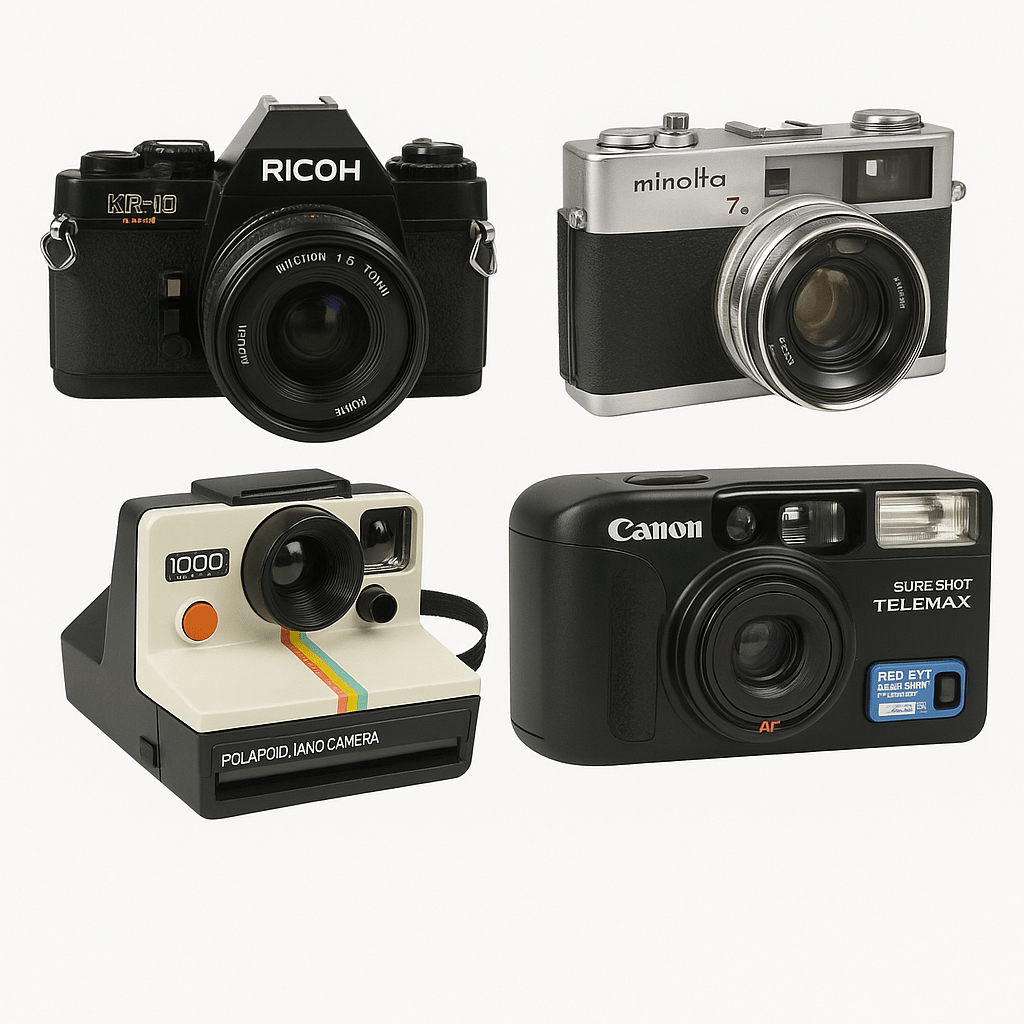
Ready to explore more characterful optics and sustainable gear? Browse our curated selection of second-hand camera lenses, pair them with trusted analog cameras, and complete your kit with quality photography accessories at DutchThrift.com.