



A Brief History of the Minolta XG-9
The Minolta XG-9 arrived in the late 1970s, when 35mm SLRs were shifting from purely mechanical designs to more electronic, user-friendly cameras. Sitting just below Minolta’s professional XD line, the XG-9 was crafted for serious enthusiasts who wanted reliability, automation, and compact form without losing the tactile joy of analog photography.
Bundled with the 50mm f/1.7 MD lens, the XG-9 became a gateway camera for countless photographers. It offered a way to learn exposure through aperture-priority auto mode while still encouraging manual control. Decades later, this balance of guidance and freedom is precisely what makes it so appealing to new film shooters and digital natives curious about analog.
The first time you wind the lever, raise the viewfinder to your eye, and feel that shutter “clack,” you understand how physical photography can be. The sound is decisive but gentle—a tiny mechanical promise that you’ve captured a moment you won’t see again in quite the same way.

Technical Highlights That Still Matter
Balanced Automation with Aperture Priority
The XG-9’s headline feature is its aperture-priority auto exposure. You select the f-stop on the 50mm f/1.7 MD lens, and the camera chooses a corresponding shutter speed. This keeps the creative decision—depth of field—in your hands while speeding up shooting. When you want full control, you can switch to manual and dial in your own shutter speeds.
The 50mm f/1.7 MD: A Classic Everyday Lens
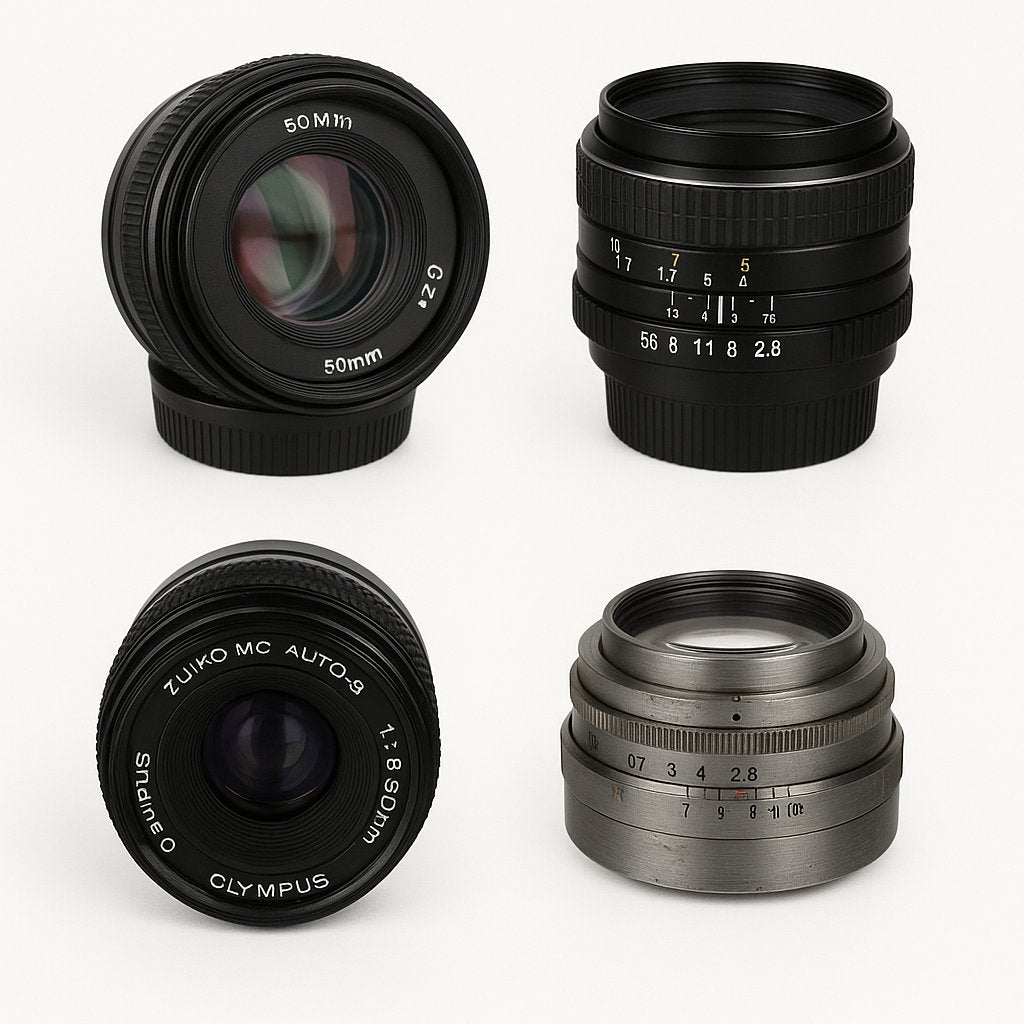
The bundled 50mm f/1.7 MD lens is the heart of the kit. Its bright maximum aperture lets you shoot in low light and isolate subjects with smooth, natural bokeh. The manual focus ring has a long, precise throw, making it easy to nail focus even at wide apertures. Stopped down to f/5.6–f/8, it becomes a sharp, versatile walk-around lens for almost any subject.

Core Specs in a Compact Body
The XG-9 offers a wide shutter-speed range suitable for daylight, interiors, and long exposures. A bright viewfinder with clear exposure readout helps you stay focused on composition rather than menus. Combined with a sturdy but relatively lightweight body, it’s easy to carry all day—whether you’re exploring a city or documenting a trip.
Why the XG-9 Appeals to Creators in 2026
Analog as an Antidote to Screen Fatigue
In a world of instant previews and algorithm-optimized feeds, the XG-9 offers something slower and more intentional. There’s no LCD, no endless reshoots—just 36 frames that force you to think. This deliberate pace is one reason many digital creators reach for analog gear as a creative reset.
A Tool for Learning Exposure and Composition
The combination of aperture-priority automation and manual controls makes the XG-9 an excellent learning camera. You can start with auto exposure, then compare the camera’s choices with your own meter readings to understand how shutter speed, aperture, and ISO work together. Over time, you’ll rely less on automation and more on your own judgment.
Sustainable, Second-Hand Creativity
Choosing an XG-9 from a trusted second-hand store extends the life of well-made gear and reduces demand for new manufacturing. You’re keeping a classic tool out of storage or landfill and giving it a second life in your camera bag. That’s good for your creativity and better for the planet.
Modern Workflow Tips for Film Photographers
Setting Up the XG-9 for Reliable Results
The XG-9 rewards a small amount of preparation before you head out to shoot. A few habits ensure consistent results roll after roll.
- ✅ Load fresh LR44 or SR44 batteries.
- ✅ Select ISO to match your film stock.
- ✅ Use metering apps for precise exposure.
- ✅ Store camera in dry, cool conditions.
- ✅ Remove batteries before long-term storage.
- 💡 Test all shutter speeds—listen for smooth transitions.
- 💡 Check battery compartment for corrosion.
- 💡 Inspect film advance lever and viewfinder clarity.
- 💡 Confirm light meter works with new batteries.
Blending Analog Capture with Digital Sharing
Once your negatives are developed, scanning them brings the XG-9 into your modern workflow. High-resolution scans let you color grade, crop, and archive your film images just like digital files. Many creators shoot film for key moments in a project, then weave those frames into digital edits for a unique, textured look.
Choosing Supporting Gear
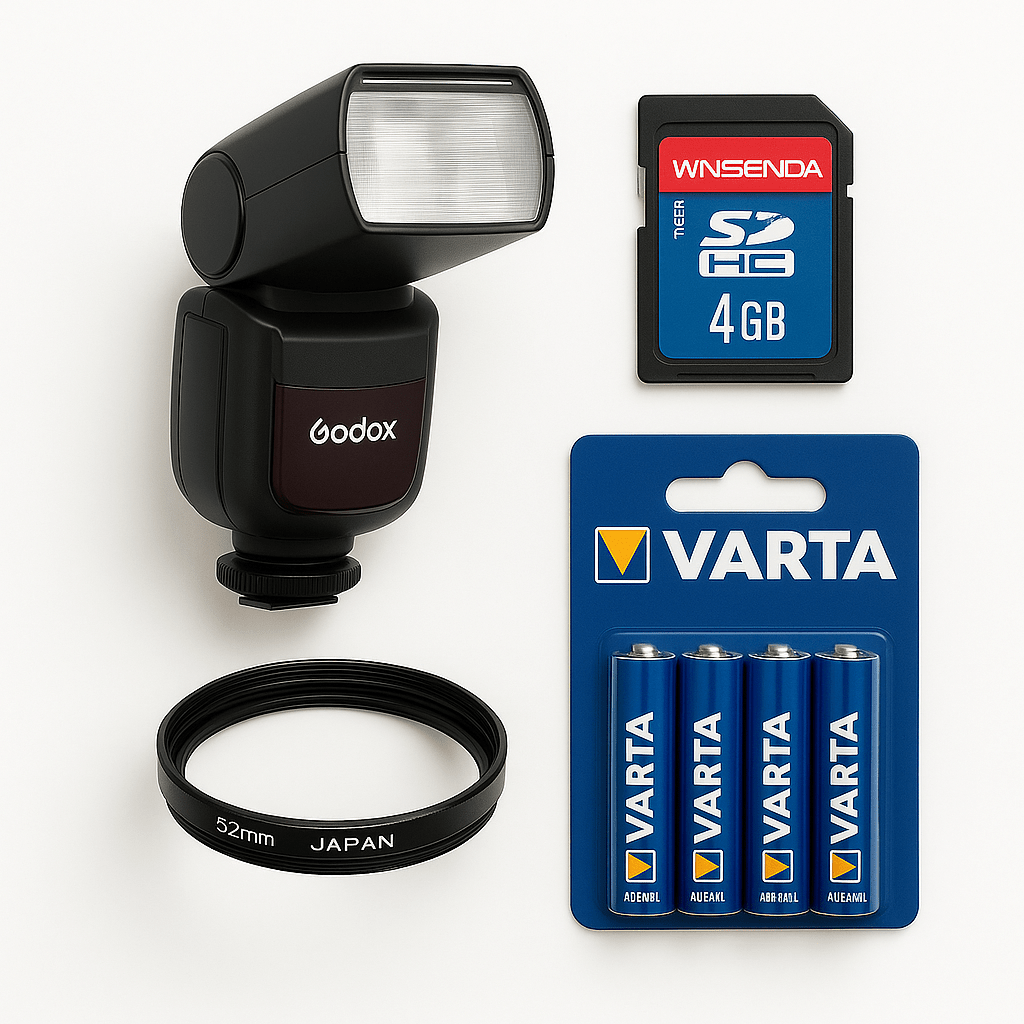
To get even more from your XG-9, consider complementing it with a small selection of camera lenses—a wider lens for landscapes and a short telephoto for portraits are popular choices. A simple strap, light meter, and cleaning kit from the photography accessories collection will also make shooting more comfortable and consistent.
Inspecting a Second-Hand Minolta XG-9
Body Checks Before You Buy
Whether you’re browsing online or in-store, a careful inspection helps you choose an XG-9 that will serve you for years. Look closely at the body for dents or impact marks that may indicate previous drops. Gently operate the shutter release, film advance lever, and rewind crank to ensure they move smoothly without grinding or excessive resistance.
Electronics and Viewfinder
With fresh batteries installed, check that the light meter activates and responds to changes in light and aperture. Peer through the viewfinder to confirm it’s bright and reasonably clear; a little dust is normal, but heavy haze or fungus can be distracting. Listen to the shutter across different speeds—long exposures should sound noticeably slower than fast ones, with no irregular delays.
Lens Condition
Inspect the 50mm f/1.7 MD lens for scratches, cleaning marks, or fungus. Rotate the focus ring through its entire range and click through each aperture stop. The aperture blades should move quickly and remain free of oil. A well-maintained lens is just as important as the body.
Creative Ways to Extend Its Legacy
Using the 50mm f/1.7 on Modern Mirrorless Bodies
One of the most exciting aspects of the Minolta XG-9 kit is that the 50mm f/1.7 MD lens doesn’t have to stay on film forever. With an inexpensive adapter, you can mount it on many mirrorless systems such as Sony E or Fuji X. On digital bodies, it becomes a character-rich portrait lens, blending vintage rendering with modern sensors.
Building a Compact Minolta System
Over time, you can expand around the XG-9 with additional Minolta MD lenses. A small set of primes—a 28mm for wide scenes, the 50mm you already own, and a short telephoto like a 100mm or 135mm—forms a powerful yet portable kit. Swapping lenses teaches you how focal length influences perspective and storytelling.
Personal Projects and Long-Term Stories
The XG-9 is an ideal companion for long-term personal projects: documenting a neighborhood, a loved one, or a creative journey. The slower film process encourages you to commit to ideas over months or years. Each developed roll becomes a tangible chapter in that story.
Why the Minolta XG-9 Still Matters
The Minolta XG-9 + 50mm f/1.7 MD is more than nostalgia. It’s a thoughtfully designed analog tool that still fits how many of us like to create: hands-on, deliberate, and connected to the physical world. Its blend of aperture-priority convenience and manual control makes it just as relevant for first-time film shooters as for seasoned photographers seeking a simpler, more grounded experience.
By choosing a well-cared-for XG-9 from a sustainable second-hand shop, you tap into decades of photographic history while supporting a circular, less wasteful approach to gear. In an era of constant upgrades, the XG-9 stands as a reminder that good tools age well—and that creativity doesn’t need to be brand new to feel fresh.
FAQs
Is the Minolta XG-9 a good choice for beginners? Yes. Its aperture-priority mode and straightforward manual controls make it ideal for newcomers who want to learn film photography without feeling overwhelmed.
Which batteries does the Minolta XG-9 use? It uses two LR44 or SR44 batteries for its electronic shutter and light meter. Always remove them after longer periods of non-use to prevent corrosion.
Can the Minolta 50mm f/1.7 lens be used on modern cameras? Yes. With affordable adapters, it fits many mirrorless systems such as Sony E or Fuji X mounts, where it serves as a sharp, vintage-style portrait lens.
What should I check before buying a used Minolta XG-9? Ensure that shutter speeds sound consistent, the light meter activates with fresh batteries, the battery compartment is clean, and the lens focuses and stops down smoothly.
Ready to start your own analog chapter? Explore curated SLR film cameras, matching camera lenses, and essential photography accessories to build a timeless, second-hand kit that suits your way of seeing.