



A Brief History of the Kobo N905C
The Kobo N905C arrived in the early 2010s, when dedicated e‑readers still felt futuristic. It was never marketed as a tool for photographers or filmmakers, yet its crisp E Ink display, week-long battery life and rugged simplicity quietly gave it everything a field notebook needed—only in digital form.
As tablets became brighter, heavier and more distracting, gear-focused creatives started to look back at devices like the N905C. Minimalist, matte and easy on the eyes, it turns out to be almost perfectly suited to slow, deliberate analog workflows and distraction-free digital shoots alike.

I first rediscovered an old Kobo N905C in a box of forgotten chargers and cables. After charging it overnight, I loaded a simple shot list PDF as a test. Standing outside in bright midday sun, the list stayed perfectly readable while my phone screen turned into a mirror. That was the moment I realized this “outdated” reader might be one of the best creative tools I owned.
Technical Overview in Real-World Terms
E Ink display and readability
The Kobo N905C uses an E Ink screen designed for static content. There’s no glossy glare, no harsh blue light, and the contrast remains readable even in direct sunlight. For photographers, this means exposure charts, lens notes or location maps that stay legible beside a bright lake or snow field.
Battery life that matches long shooting days
Unlike modern tablets that drain in hours, the N905C sips power. With Wi‑Fi off and brightness (if present) kept low, it can comfortably last a week or more of on‑off use. For multi‑day road trips or remote landscapes where outlets are rare, that endurance is quietly game-changing.
Storage, ports and limitations
On paper, the internal storage and processor look modest by 2025 standards. In practice, text files and optimized PDFs are tiny, so you can store an entire library of manuals, shot lists, gear checklists and scripts. Physical ports allow you to connect via USB and, on some variants, expand with an SD card.
The trade-off: the Kobo N905C is not made for fast scrolling, color, or motion. That’s exactly why it shines as a calm, reliable reference tool rather than yet another glowing screen.
Modern Uses for Creatives in 2025
For photographers
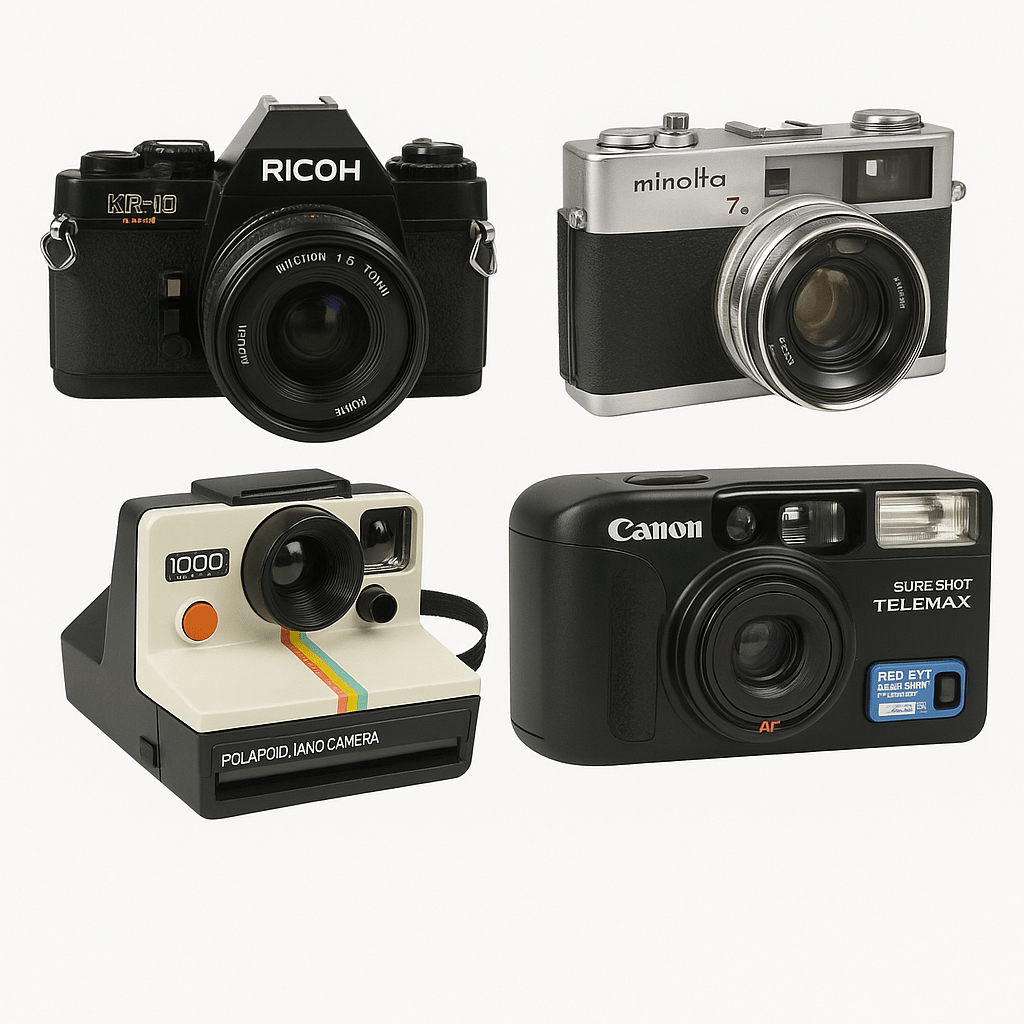
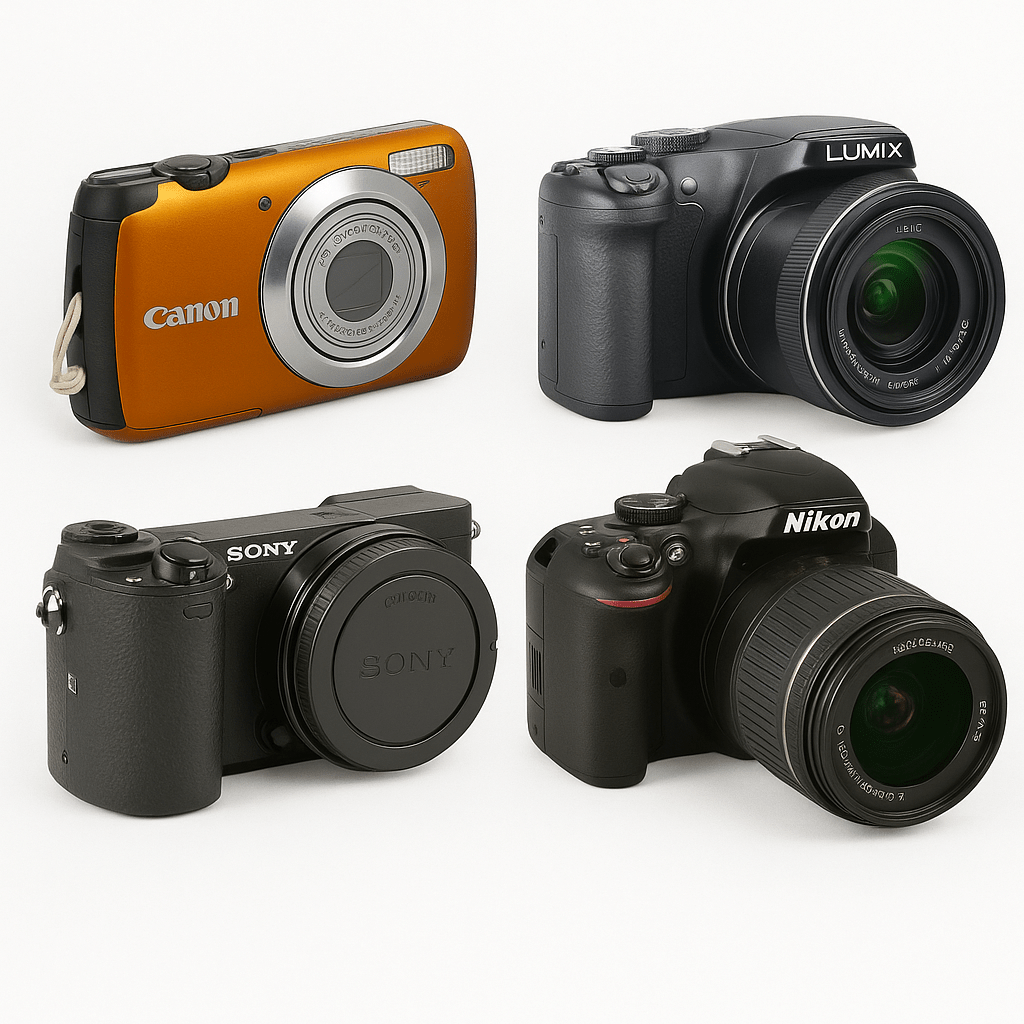
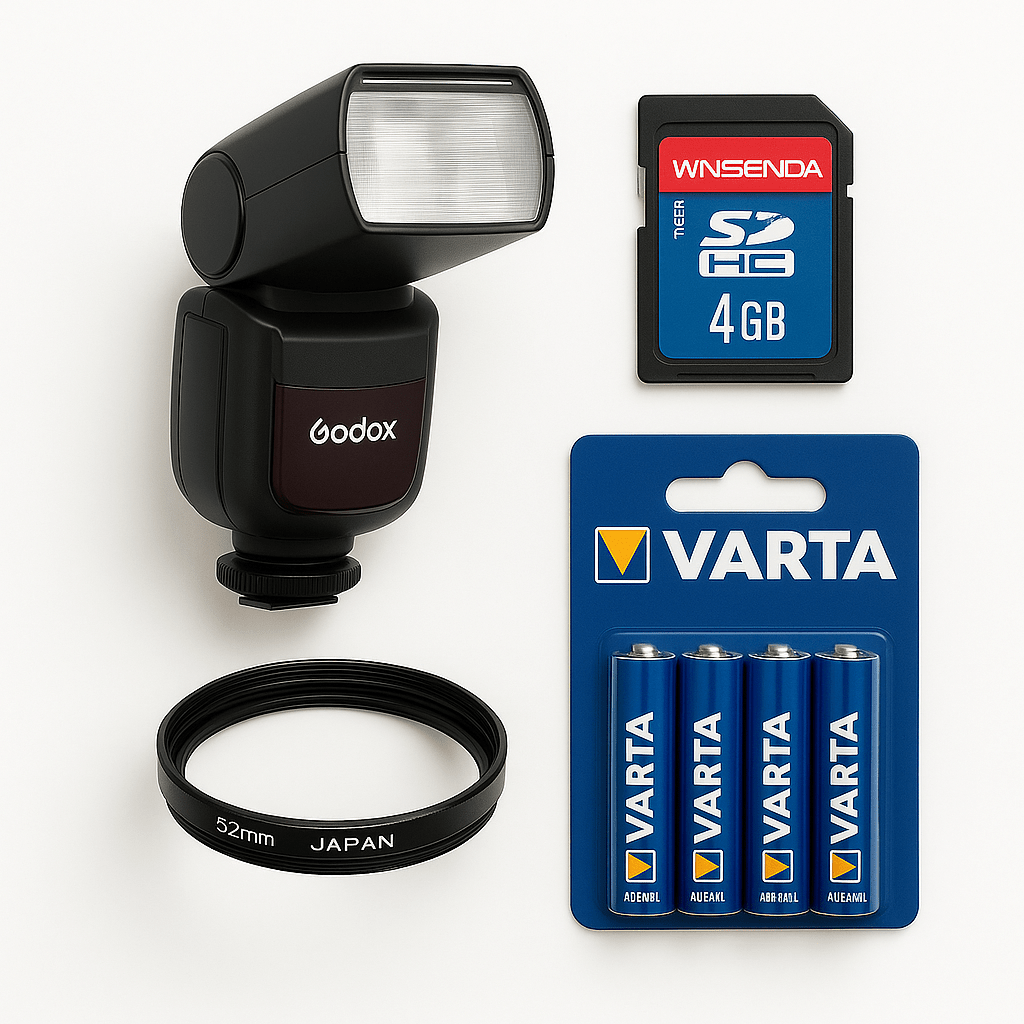
Photographers can offload all the “paperwork” of a shoot onto the Kobo N905C: shot lists, lighting diagrams, location addresses, client notes and even scanned pages from camera manuals. Paired with your main camera and a few key photography accessories, it becomes a compact, distraction-free brain in your bag.
For filmmakers and videographers
On video sets, the N905C is ideal for scripts, storyboards, checklists and equipment manifests. Everyone on set has a smartphone, but few can resist notifications. A dedicated reader keeps you focused on the next scene instead of the next message.

For writers, directors and mixed-media creatives
Because it’s lightweight and distraction-free, the N905C doubles as a script or outline reader when you’re scouting locations or traveling. Many creatives pair it with more powerful digital tools but turn to the e‑ink screen whenever they need quiet focus.
Practical Workflows in the Field
Core setup with KOReader
To unlock the N905C’s full potential in 2025, many creatives install KOReader, a lightweight alternative reading app that handles PDFs and text with more flexibility than the original firmware.
- Install KOReader for readable PDFs and text files.
- Load shot lists or photo manuals in optimized PDF format.
- Keep scripts or creative briefs stored offline for field reference.
- Protect the device with a sleeve to increase durability outdoors.
- Check for responsive touchscreen zones.
- Test battery life for at least one week of on-off use.
- Inspect physical ports for damage or looseness.
- Use clean PDFs for optimal screen clarity.
Optimizing your documents
For best results, create “clean” PDFs: high-contrast text, minimal background graphics and layouts that match the Kobo’s screen size. Dense, image-heavy documents will still display, but they’ll be slower and harder to read.
Buying and Caring for a Second-Hand Kobo N905C
What to check before you buy
Because the N905C is an older device, condition matters. When evaluating a second-hand unit, focus on function over cosmetics—scuffs are fine, but screen issues are not.
Work through this checklist: verify that all touchscreen areas respond, test page turns across several documents, check USB and SD card ports for a snug fit, and confirm that the device holds charge across several days of intermittent use.
Maintaining your Kobo in the long term
A simple sleeve or padded pouch protects the E Ink screen from pressure in your camera bag. Avoid leaving it in a hot car or damp environment, and unplug gently from the USB port to prevent loosening over time.
The beauty of a second-hand Kobo N905C is its simplicity—no moving lenses, no fragile hinges, and a battery that generally ages gracefully when treated well.
Final Thoughts: Why the Kobo N905C Still Fits a Modern Kit
In 2025, the Kobo N905C is not competing with tablets or phones. Instead, it fills a quiet but crucial niche in a creative kit: an always-ready, low-power, beautifully readable reference surface. For photographers and filmmakers who value focus, sustainability and resilient tools, that niche matters.
Paired with your favorite cameras and accessories, this modest e‑reader becomes a serious field companion—one that costs less, distracts less, and lasts longer on a charge than many modern alternatives.
FAQs
Can the Kobo N905C display images or video previews? The Kobo N905C uses an E Ink screen optimized for static content. It can technically show simple images inside documents, but it’s not designed for accurate photo previews or any kind of video. Where it excels is in displaying text, diagrams and charts outdoors, with excellent legibility in bright light.
How can I load files onto a Kobo N905C? Connect the Kobo N905C to your computer via USB, or use a compatible SD card if your model supports it. Then transfer PDFs or plain text (.txt) files onto the device. These files can be opened either in the native firmware or, if installed, in KOReader for more flexible viewing options.
Is it worth buying the Kobo N905C second-hand? For many creatives, yes. Second-hand units are usually very affordable and, thanks to their simple design, relatively easy to keep in service. As a sustainable, distraction-free device that replaces printed scripts, manuals and shot lists, the Kobo N905C offers excellent value.
What makes the Kobo N905C suitable for photographers? The E Ink screen is readable in harsh sunlight, making it perfect next to reflective water, snow or sand. Its light weight and slim form factor slip easily into a camera bag, and the energy-efficient hardware means you can trust it through long shoots or trips without constantly worrying about charging.
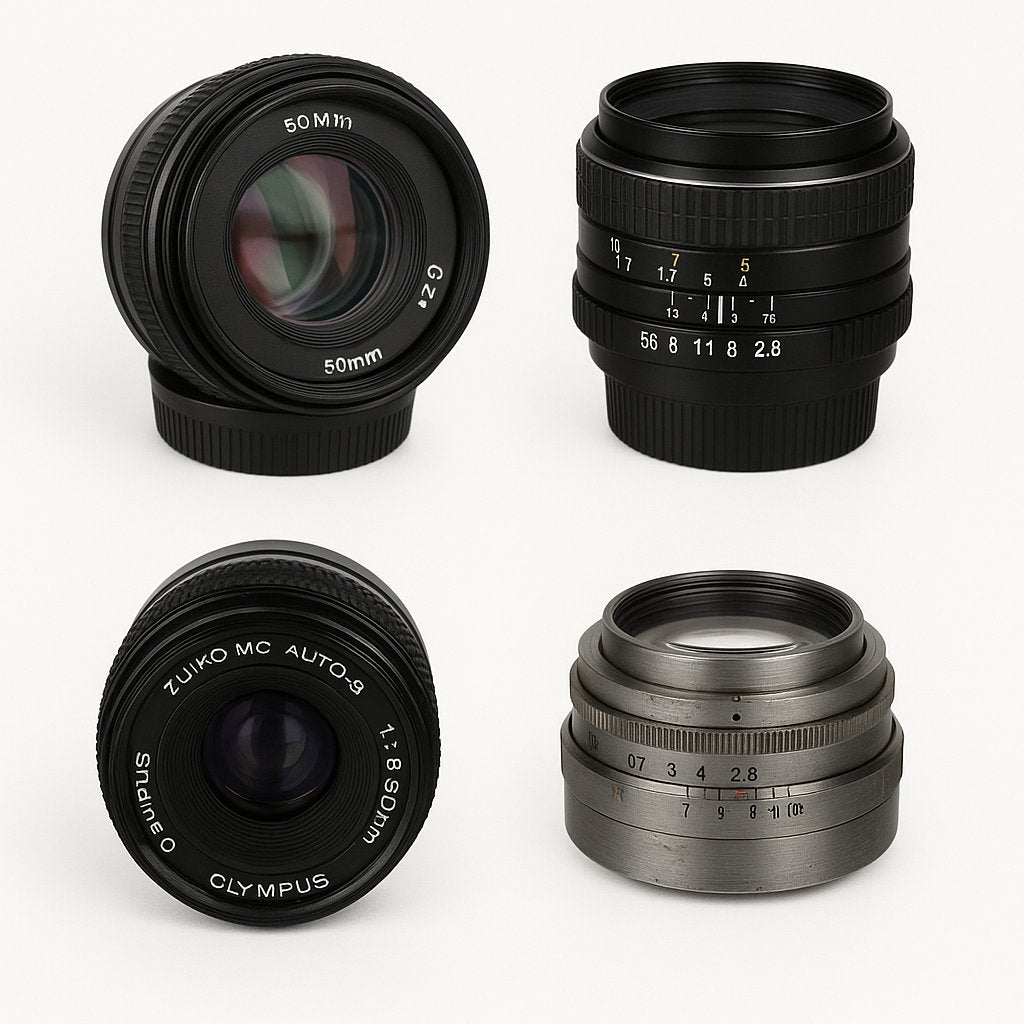
Looking to build a thoughtful, sustainable kit? Explore second-hand bodies, lenses and accessories that pair beautifully with a focused, paper-light tool like the Kobo N905C on DutchThrift.com.