



A Forgotten Compact Classic Revisited
The PMC Automatic Rapid is one of those compact film cameras that quietly disappeared when 35mm cartridges took over the market. In 2025 it feels like a time capsule: a small, metal‑and‑plastic box that runs without batteries, meters light with a selenium cell, and uses the now‑unusual Rapid film cassette system. For film photographers who enjoy a bit of problem‑solving, it is a surprisingly practical everyday camera.
Unlike many automatic point‑and‑shoots from the late 20th century, the PMC Automatic Rapid is almost entirely mechanical. Once you understand its simple loading system and trust the meter, it becomes a pocketable companion for city walks, travel, and slow weekends. It also fits neatly into a more sustainable way of shooting, especially when bought second‑hand and kept in circulation.

The first time I shot a roll through a vintage camera, I was amazed at how slow the process felt — not in a frustrating way, but in an intentional way. Waiting to finish the roll, then to see the scans, made every frame feel like a small commitment instead of a casual tap on a screen.
Understanding the Camera’s Design and Function
Rapid cassette system in a nutshell
The defining feature of the PMC Automatic Rapid is in its name: it uses Rapid film cassettes instead of standard 35mm cartridges. Rapid was designed as a quick‑load system. You slide a pre‑loaded metal cassette into one side of the camera and an empty cassette on the other; as you advance and shoot, the film moves from full to empty. There are no rewind cranks — once you reach the end, you simply remove both cassettes.
Although Rapid cassettes were discontinued long ago, the system is based on standard 35mm film. That means you can still shoot the camera today by reusing old cassettes or modern 3D‑printed replacements.
Lens, shutter, and exposure
The PMC Automatic Rapid typically features a fixed lens with a modest wide‑angle field of view, ideal for everyday scenes and street photography. Combined with a simple leaf shutter and automatic exposure system, it aims to deliver sharp, correctly exposed frames with minimal user input. The selenium cell on the front of the camera powers the metering — no batteries required.
When the selenium cell is healthy, the camera reads light and sets a suitable shutter–aperture combination for the film speed you’re using, especially within the ISO 100–400 range. This makes it an accessible option for those new to film, while still offering enough character to keep more experienced photographers engaged.

How to Use the PMC Automatic Rapid Today
Loading film in 2025
Using the PMC Automatic Rapid today means working a little differently from standard 35mm cameras. You will need Rapid cassettes — either original reusable ones saved from older film, or 3D‑printed replacements sourced from specialist makers and vintage camera communities. Once you have two cassettes, you can respool 35mm film in a changing bag or darkroom, trimming the leader to match the original Rapid shape.
Slide the loaded cassette into the feed side, thread the film into the take‑up cassette, and close the back. After a couple of blank frames to get the film tight, you are ready to shoot.
Practical checklist for shooting
Before you head out with a second‑hand PMC Automatic Rapid, work through this quick checklist to keep your results consistent:
- ✓ Find reusable Rapid cassettes or 3D-printed replacements.
- ✓ Clean the selenium window before shooting.
- ✓ Check that the shutter cycles freely.
- ✓ Use ISO 100–400 film for best results.
- ✓ Store camera dry to protect meter and glass.
Most of these checks take only a few minutes but dramatically increase the odds that your first roll will be usable from frame one to the leader.
Buying a Second‑Hand PMC Automatic Rapid
What to look for in 2025
Because the PMC Automatic Rapid is no longer produced, buying used is the only option — and also the most sustainable. When considering a second‑hand body, prioritise mechanical health first. The shutter should fire cleanly at all speeds, and the advance mechanism should move smoothly without scratching sounds inside the film gate.
Next, inspect the selenium cell and its window. A clean, unscratched window and a meter needle that moves when you point the camera from dark to bright areas are good signs. Check the lens for haze, fungus or separation; a little dust is expected and rarely visible in final images.
Pairing with other gear
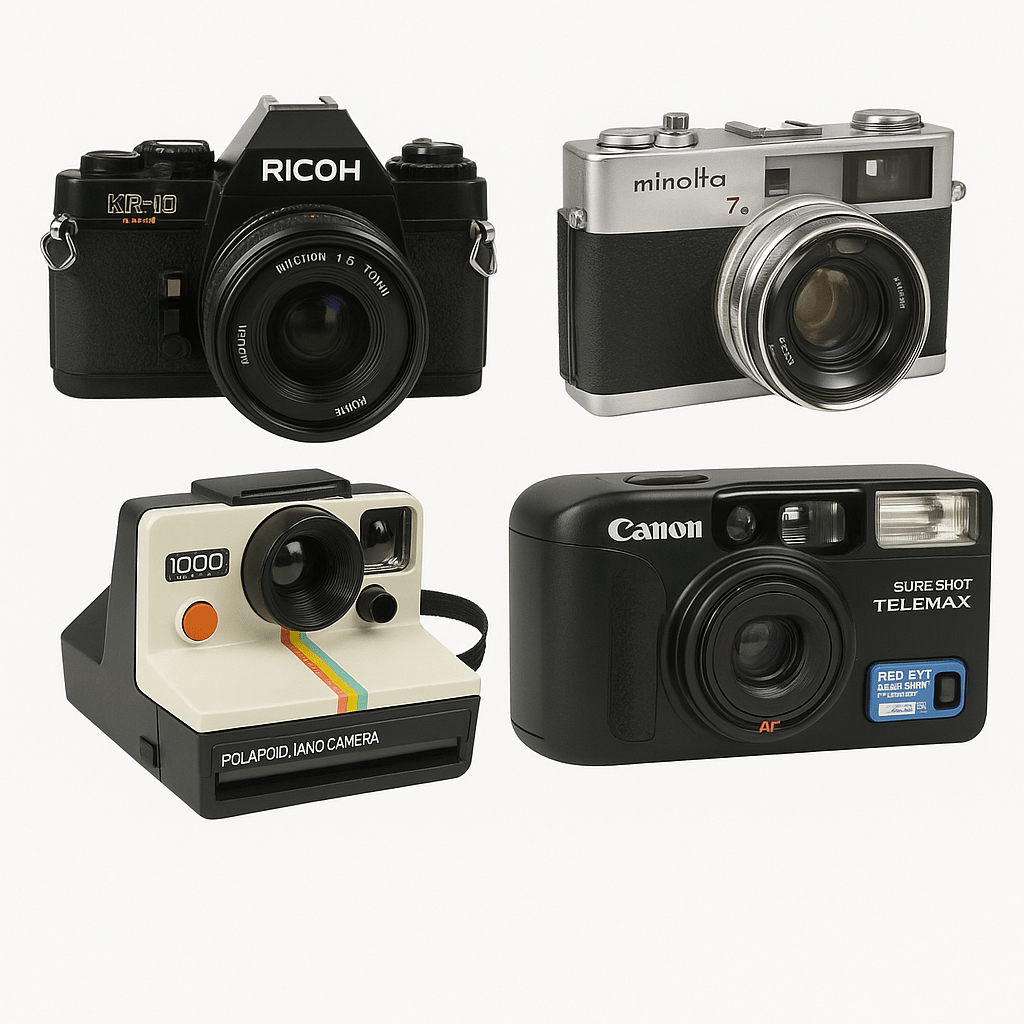
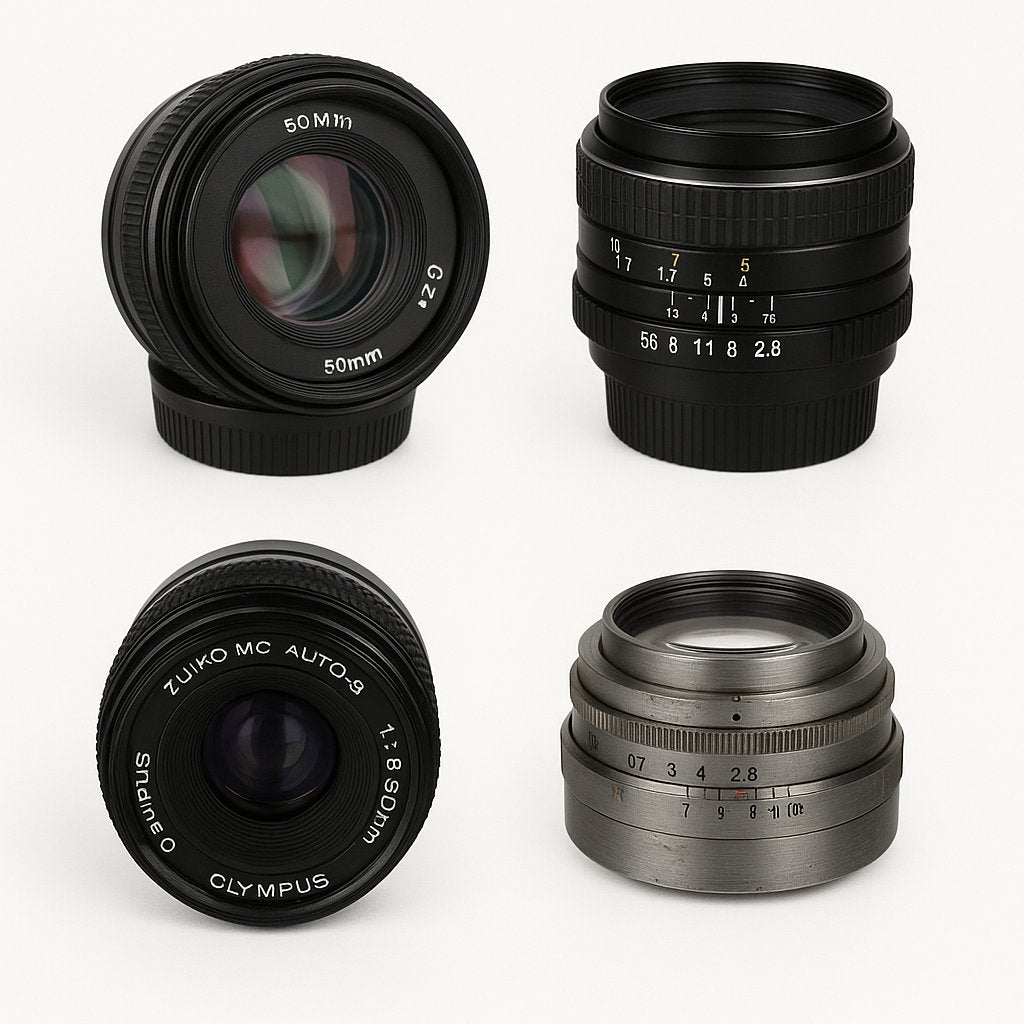
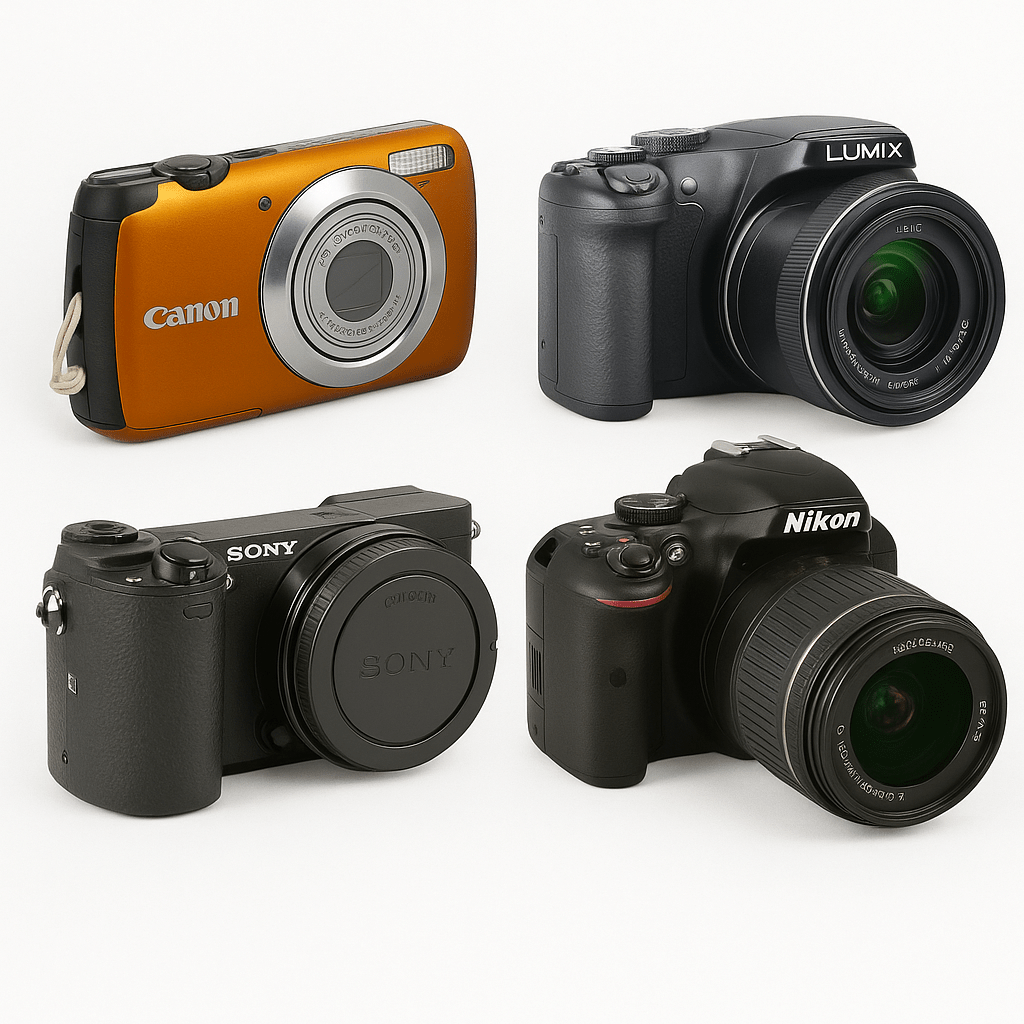
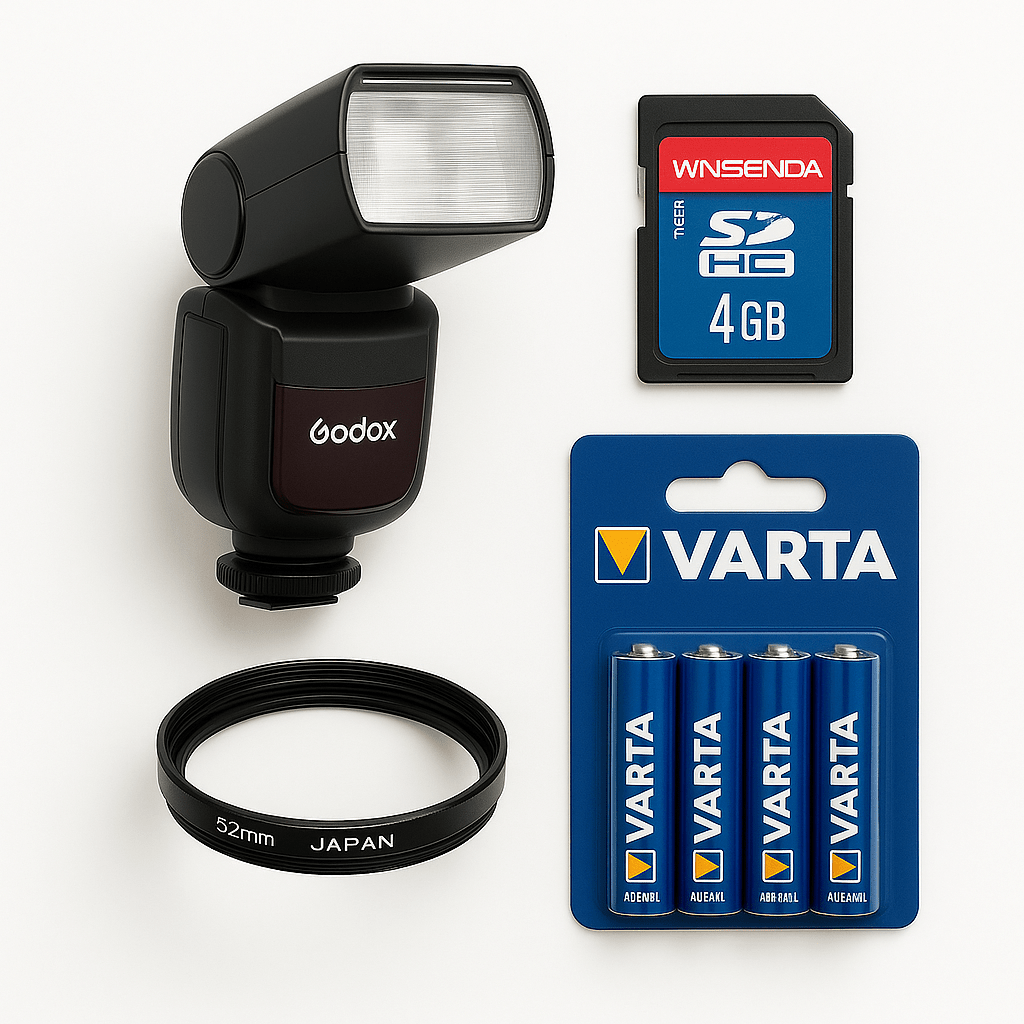
The PMC Automatic Rapid is an excellent companion to more flexible systems. You might carry a modern digital camera for speed, and keep the Rapid in your bag for slower, deliberate frames. On DutchThrift.com you’ll also find other analog cameras, a wide range of camera lenses, and practical photography accessories that help keep your vintage kit running for years.
Why Creators Still Love It in 2025
A battery‑free creative challenge
For many photographers in 2025, the appeal of the PMC Automatic Rapid lies in its constraints. No batteries, no screens, and a limited number of frames per roll encourage a slower, more thoughtful workflow. Composing with a small viewfinder and trusting a decades‑old meter can feel like a refreshing reset from autofocus and burst modes.
The fixed lens is another part of the charm. Instead of swapping glass, you move your feet. The rendering has a modestly vintage character — not clinically sharp, but more than capable of crisp, pleasing prints when you nail focus and exposure.
Sustainability and story
Shooting a second‑hand PMC Automatic Rapid is also an act of reuse. Keeping an older camera in service reduces demand for new electronics and keeps metal, glass, and plastic out of the waste stream. Each scuff on the body hints at previous journeys; every new roll adds another chapter.
For creators who value both craft and environmental impact, that combination of history, simplicity, and longevity is hard to beat.
FAQs
Can I still find film for the PMC Automatic Rapid? Yes. The camera uses Rapid cassettes, but the film itself is standard 35mm. You can buy fresh 35mm film, then respool it into reusable Rapid cassettes in a changing bag. Replacement cassettes occasionally appear on specialist marketplaces, and there are also 3D‑printed options shared and sold through vintage camera forums and online communities.
Does the PMC Automatic Rapid need batteries? No. The camera relies on a selenium‑cell meter for automatic exposure, so it is completely self‑sufficient as long as the cell is still responsive. That makes it ideal for travel or long days out, with no chargers or spare batteries to pack.
Is the camera reliable for regular shooting? Provided the shutter and meter are working, the PMC Automatic Rapid is quite reliable. Its mechanical design is simple and durable, and it usually only needs basic cleaning, occasional lubrication by a technician, and sensible storage to stay in shooting condition.
What makes this camera special for analog creators? The no‑battery design, sharp fixed lens, and distinctive Rapid film‑loading system make the PMC Automatic Rapid a rewarding creative challenge in 2025. It slows you down just enough to think about each frame, while still being compact and spontaneous enough to carry every day.
Ready to give a classic compact a new life? Explore our curated selection of second‑hand analog cameras, mix in a few characterful camera lenses, and round out your kit with sustainable photography accessories on DutchThrift.com.