


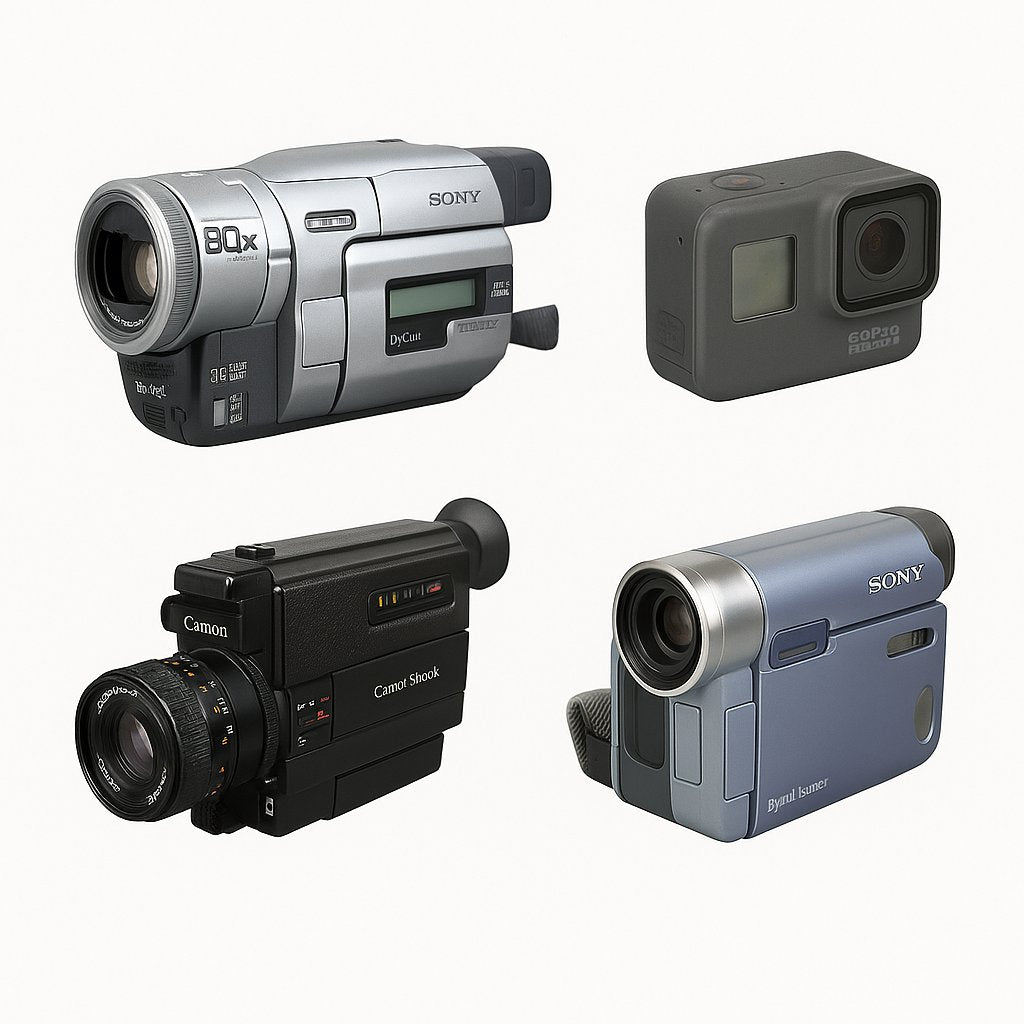

A Brief History of the Pentax Asahi Stereo Viewer 2
From post‑war curiosity to living-room cinema
The Pentax Asahi Stereo Viewer 2 was born in an era when 3D slides turned the living room into a miniature cinema. Built by Asahi Optical Co. (the company behind Pentax cameras), this viewer was designed to make stereo photography accessible, precise, and comfortable for everyday use.
At a time when families shot holidays and city trips on 35mm film, stereo slides added a layer of depth that felt almost unreal. Instead of flat projections, you suddenly had streets, mountains, and faces pushing out toward you with tangible presence.
A personal first look into 3D
The first time I picked up a vintage optical viewer at a flea market, I expected a toy. Instead, I found a portal. Two tiny frames of a cobblestone street snapped into perfect alignment, and suddenly the scene lifted off the cardboard. The space between lamp posts, the distance to a doorway, the curve of a parked bicycle—everything became measurable. That quiet, three-dimensional click in my brain is exactly what the Pentax Asahi Stereo Viewer 2 was built to deliver, again and again.

Technical Traits and Hands-On Feel
Optics, format, and slide handling
The Asahi Stereo Viewer 2 is purpose‑built for 35mm stereo slides in standard 41×101 mm Realist-style mounts. Two matched lenses bring the left and right frames into a single 3D image, provided your slide pairs are properly aligned.
The slide slot is engineered for smooth insertion and stable positioning, so you can cycle through a full evening of images without fighting the mechanism. When adjusted and cleaned, the optics deliver a crisp, immersive view with a surprisingly generous sense of depth.
Illumination and build quality
Originally, the viewer used an internal bulb to back‑light the slides. Many photographers now opt for a low‑heat LED retrofit, which offers brighter and safer illumination while preserving the original character of the device.

Why It Still Matters in Modern Creative Work
Analog depth in a digital-first world
Despite the dominance of digital screens, the Pentax Asahi Stereo Viewer 2 remains surprisingly relevant. It offers something even VR headsets struggle to match: the tactile joy of holding a physical object that turns two small frames into a deep, luminous space.
Artists, collectors, and educators still rely on viewers like this to explain how human depth perception works, to showcase historic stereo slides, and to anchor exhibitions in something tangible and mechanical rather than purely virtual.
A sustainable way to explore 3D imagery
Using a second‑hand viewer is also a sustainable choice. Re‑circulating existing gear reduces waste and keeps beautifully made optics in active use. Instead of disposable gadgets, you’re investing in a durable tool that can serve decades of creative projects.
Creative Projects and Modern Techniques
Planning and capturing your stereo images
The Pentax Asahi Stereo Viewer 2 is more than a display device; it can guide your whole 3D workflow from shooting to presentation. Here is a practical checklist to build your own stereo projects:
- Plan a stereo photo shoot with dual-lens camera setup.
- Mount film pairs in standard 35mm stereo format.
- Use the Asahi Viewer to preview alignment and depth.
- Digitize and align frames for digital 3D sharing.
- Incorporate into exhibitions as an interactive feature.
Bridging analog capture and digital output
Once your slides are aligned in the viewer, you can scan each frame and combine them digitally for anaglyph glasses, side‑by‑side VR, or cross‑view formats. The viewer becomes a quality control tool: if your depth feels natural here, it will usually translate well to modern displays.
For galleries and pop‑up shows, simply mounting the Asahi viewer on a pedestal with a curated set of slides turns it into an instantly engaging, hands‑on exhibit piece.
Buying a Used Pentax Asahi Stereo Viewer 2
Inspection checklist for second‑hand units
Because the Asahi Stereo Viewer 2 is a vintage device, careful inspection is essential. When shopping used, pay attention to these points:
- Examine both lenses under light.
- Verify bulb and wiring condition.
- Confirm smooth slide insertion.
- Upgrade to LED for safety and brightness.
- Store in dry environment to prevent lens fungus.
Clear optics and secure wiring make the difference between a display piece and a trusted daily‑use tool.
Budget and sourcing considerations
Most working Pentax Asahi Stereo Viewer 2 units are available for under $150, with price varying according to clarity of the lenses, completeness of the housing and covers, and whether the illumination is functional. Buying second‑hand from a dedicated photography store adds an extra layer of inspection and care compared to general marketplaces.
To complete your setup, browse compatible photography accessories like slide mounts, cleaning kits, and safe storage solutions that keep both the viewer and your stereo slides in top condition.
In Summary: Classic Form, Modern Vision
The Pentax Asahi Stereo Viewer 2 represents a thoughtful balance of precision optics, simple mechanics, and pure viewing joy. It turns pairs of 35mm images into a vivid, almost sculptural experience that stands apart from flat screens and filters.
Whether you’re restoring family archives, designing an exhibition, or experimenting with fresh stereo projects using vintage cameras, this viewer remains a reliable, inspiring companion. By choosing a used unit, you keep a refined optical instrument in circulation—and open a small, bright window into the three‑dimensional stories hidden in your film strips.
FAQs
What type of slides fit the Asahi Stereo Viewer 2? It accepts 35mm stereo slides in standard 41×101 mm Realist-style mounts. Accurate alignment of each slide pair is key for the best 3D effect.
Can I replace the original bulb with modern lighting? Yes. A BA9S-type low‑heat LED retrofit is a popular choice, offering brighter and safer viewing while reducing heat buildup and protecting the internal optics.
Is the Pentax Asahi Stereo Viewer 2 still practical for modern use? Absolutely. It remains highly valued for analog 3D viewing, art installations, and educational demonstrations that show how optical depth and stereo vision work in the real world.
How much does a used Asahi Stereo Viewer 2 typically cost? In good working condition, it usually sells for under $150, with price influenced by lens clarity, cosmetic condition, and whether the illumination system is intact.
Ready to explore 3D photography? Discover curated second‑hand viewers, cameras, and accessories at DutchThrift and build a sustainable, analog‑meets‑modern stereo setup of your own.