



A Forgotten Macro Gem: The Story of the Panagor Tele-Macron 50mm
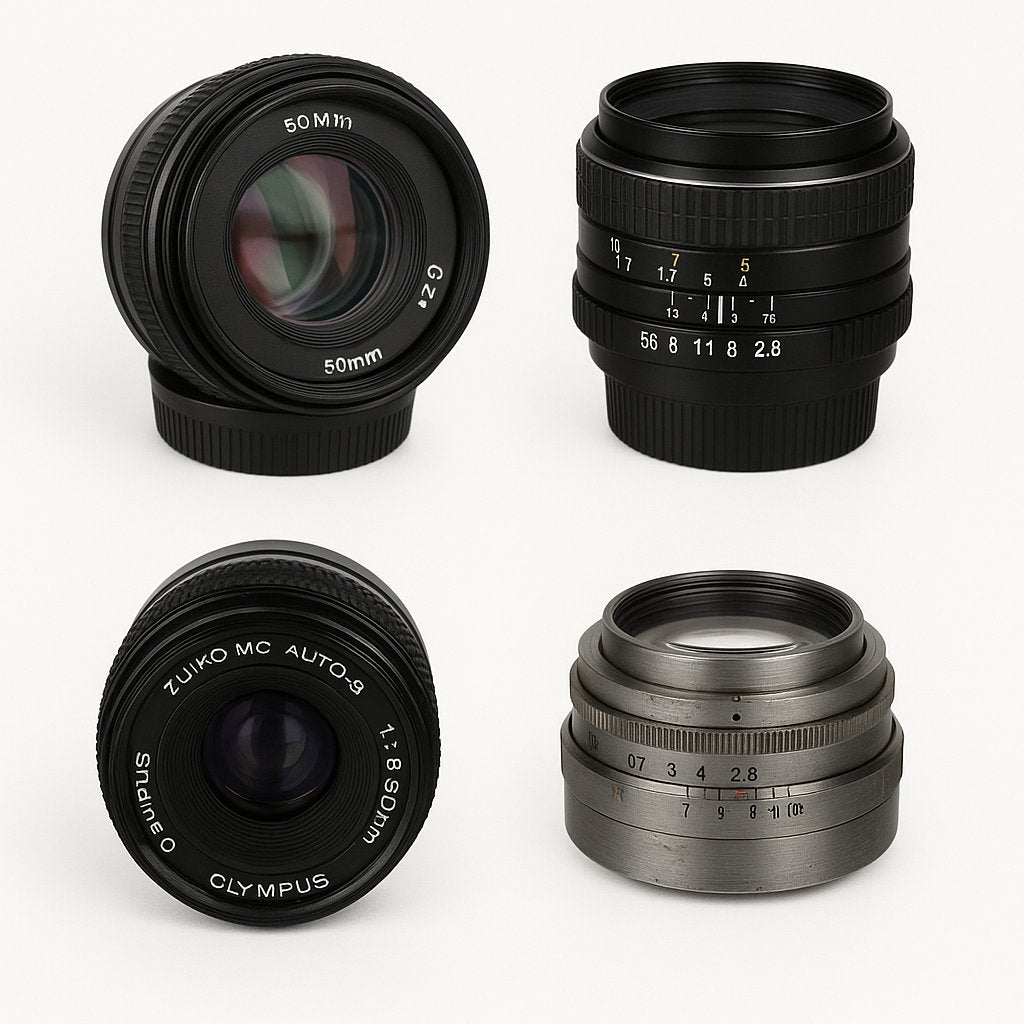
The Panagor Tele-Macron 50mm/1.5:1 is one of those vintage macro lenses that quietly slipped out of the spotlight when autofocus and image-stabilised optics took over. Yet among enthusiasts of classic camera lenses, it remains a cult favourite for its close‑focus ability and organic rendering.
Built in an era when mechanics mattered as much as optics, the Tele-Macron typically came in popular 35mm SLR mounts and was aimed at photographers who needed tight detail shots of products, textures, and nature. Today, it finds a second life on mirrorless cameras, where short flange distances make adaptation easy and focusing through the EVF feels natural.
I first noticed lenses like the Tele-Macron in a small thrift store: a dusty shelf, a pile of anonymous glass, and then that heavy, all-metal macro lens. Turning the focus ring, feeling the long, damped throw, it was obvious this “old” lens still had a lot to say on a modern camera.
Because it never became a mainstream classic like some OEM macros, the Panagor remains relatively affordable. That makes it an appealing option for photographers who want macro capability and vintage character without paying collector prices—or buying new.

Key Technical Traits and Optical Personality
Near Life-Size Magnification
The defining feature of the Tele-Macron is in its name: 1.5:1 close‑up capability. That means it reaches approximately 1:1.5 magnification—near life‑size reproduction—without the need for extension tubes or bellows. For many macro users, this is more than enough for:
- Product and small object photography
- Jewellery, watches, and craft documentation
- Textures, plants, and food details
Manual Focus and Long Throw
The lens features a long focus throw, designed for precise control at close distances. On a tripod or macro focusing rail, this gives you extremely fine adjustment, especially when combined with your camera’s magnified live view.
Rendering and Bokeh Character
Optically, the Tele-Macron leans more towards character than clinical perfection. Expect:
- Good central sharpness stopped down for detail work
- Gentle fall-off and smoother contrast compared to modern glass
- Pleasing, non‑distracting bokeh at close range
This balance makes it versatile. You can use it for both macro and general 50mm work—portraits, still life, and even analog‑style street images on a full‑frame body.

Adapting the Tele-Macron for Modern Mirrorless Photography
Identify the Mount First
Before anything else, you need to know which mount your Tele-Macron uses. Panagor-branded lenses were produced in several mounts (often for major SLR systems). Check the rear of the lens carefully and compare it with reference photos, or ask the seller for high‑resolution images of the mount.
Once identified, you can select an appropriate adapter to your camera system—Sony E, Canon RF, Nikon Z, Micro Four Thirds, and so on.
Choose the Right Adapter
A slim, infinity‑corrected adapter is vital. Poorly machined adapters may prevent the lens from reaching infinity focus or introduce wobble. Because the Tele-Macron relies on precise spacing for accurate magnification and focus scales, a quality adapter makes a noticeable difference, especially at closer distances.
Camera Settings for Manual Lenses
Most mirrorless bodies require a quick setup tweak:
- Enable “release without lens” (or similar wording) so the camera fires with a manual lens attached.
- Activate focus peaking or magnified view to help with fine manual focusing.
What to Check When Buying Second-Hand
Essential Inspection Checklist
Vintage lenses are wonderfully sustainable—keeping existing gear in use instead of buying new—but condition matters. When you’re evaluating a Panagor Tele-Macron 50mm, use this checklist:
- Ensure correct lens mount identification before purchase
- Select slim, infinity-corrected adapter for precise focus
- Use focus rails for critical macro distance control
- Enable ‘release without lens’ in camera settings
- Keep lens caps and avoid dust during adaptation
- Operate aperture ring across full range smoothly
- Shine a light through the lens to detect haze or fungus
- Test focusing throw for resistance
- Confirm mount with seller photos before purchase
Optical and Mechanical Health
Pay particular attention to haze, fungus, and oily aperture blades. Light dust is normal, but heavy internal haze or web‑like fungus can reduce contrast and be costly to repair. The focus ring should move smoothly from minimum focus to infinity without grinding or stiff spots.
One benefit of shopping second‑hand through a specialist like DutchThrift is that lenses are checked and described carefully, so you know what you’re getting before it arrives.
Creative Uses: Making the Most of a Tele-Macron in 2026
Macro and Product Photography
At near life‑size, the Tele-Macron is a natural choice for product work, especially for small items you might resell or document. Pair it with a sturdy tripod, macro focusing rail, and reliable LED panels from our curated photography accessories collection for consistent, repeatable results.
Analog-Style Digital Images
Mounted on a mirrorless body, the lens gives a subtly vintage look that pairs beautifully with film‑inspired presets. If you shoot analog cameras alongside digital, the Tele-Macron can bridge both worlds: tactile manual control with the instant feedback of digital.
Field Close-Ups and Details
Use the lens to isolate details during travels or walks—textures in architecture, patterns in leaves, or the craftsmanship of everyday objects. Its 50mm focal length on full frame (or roughly 75–100mm equivalent on APS‑C and Micro Four Thirds) offers a natural perspective that doesn’t feel exaggerated.
Conclusion: A Vintage Tool Built for Modern Creativity
The Panagor Tele-Macron 50mm/1.5:1 is a reminder that older gear still has enormous creative potential. It offers near life‑size magnification, characterful rendering, and beautifully tactile manual controls—in a package that adapts gracefully to today’s mirrorless cameras.
For photographers who value sustainability, personality, and hands‑on shooting, a well‑kept Tele-Macron can be far more inspiring than a brand‑new clinical macro. Treat it well, pair it with the right accessories, and this “forgotten” lens can become one of the most rewarding tools in your kit.
FAQs
Can the Panagor Tele-Macron 50mm be used on digital cameras? Yes. With the correct adapter for your camera mount, the lens works perfectly on most mirrorless systems using manual focus and aperture control.
Is the Panagor Tele-Macron suitable for true macro photography? It achieves approximately 1:1.5 magnification—near life-size—ideal for close-up detail and product photography without extension tubes.
What should I look out for when buying this lens second-hand? Check for smooth aperture operation, clean optics, and a properly working focus helicoid. Avoid lenses with heavy haze, fungus, or stuck blades.
What accessories improve shooting with this lens? A sturdy tripod, macro focusing rail, and consistent LED lighting help achieve sharp, controlled close-ups and make the most of the lens’s resolution.
Ready to explore characterful macro and vintage charm? Discover more second-hand camera lenses, trusted analog cameras, and essential photography accessories at DutchThrift.