



Introduction: The Enduring Charm of the Olympus OM10
The Olympus OM10 with the 50mm f/1.8 lens is one of those 35mm SLR cameras that quietly wins people over. It is compact, unfussy, and surprisingly capable, making it a favourite starter camera for film newcomers and a nostalgic workhorse for experienced photographers.
Pairing aperture-priority exposure with a bright standard lens, the OM10 offers that sweet spot between automation and creative control. You focus, you choose the aperture, and the camera looks after the shutter speed—unless you add the optional manual adapter and take full control.
The first time I shot with a fully manual film camera, I was shocked by how slow everything felt—in the best way. Metering, focusing, and winding each frame forced me to notice the light, the edges of the scene, and the tiny decisions I usually let a digital camera automate. That slower rhythm made every click feel intentional.
Historical Background and Design Philosophy
The OM10 was introduced at a time when Olympus wanted to bring the elegance of its professional OM series to a wider audience. Instead of building a bulky “student” camera, they kept the same compact OM design language: slim body, bright viewfinder, and clean, logical controls.
What set the OM line apart was the emphasis on portability without sacrificing optical quality. The 50mm f/1.8 lens perfectly reflects this philosophy. It is small, light, and sharper than its modest looks suggest, delivering crisp negatives with pleasant, natural contrast.

Key Specs and Features to Know
Aperture Priority With Optional Full Manual
Out of the box, the OM10 offers aperture-priority auto exposure: you set the aperture on the lens, and the camera selects the appropriate shutter speed. With the dedicated manual adapter attached to the front, you can dial in shutter speeds yourself, turning the OM10 into a fully manual SLR.
The 50mm f/1.8 Olympus OM Lens
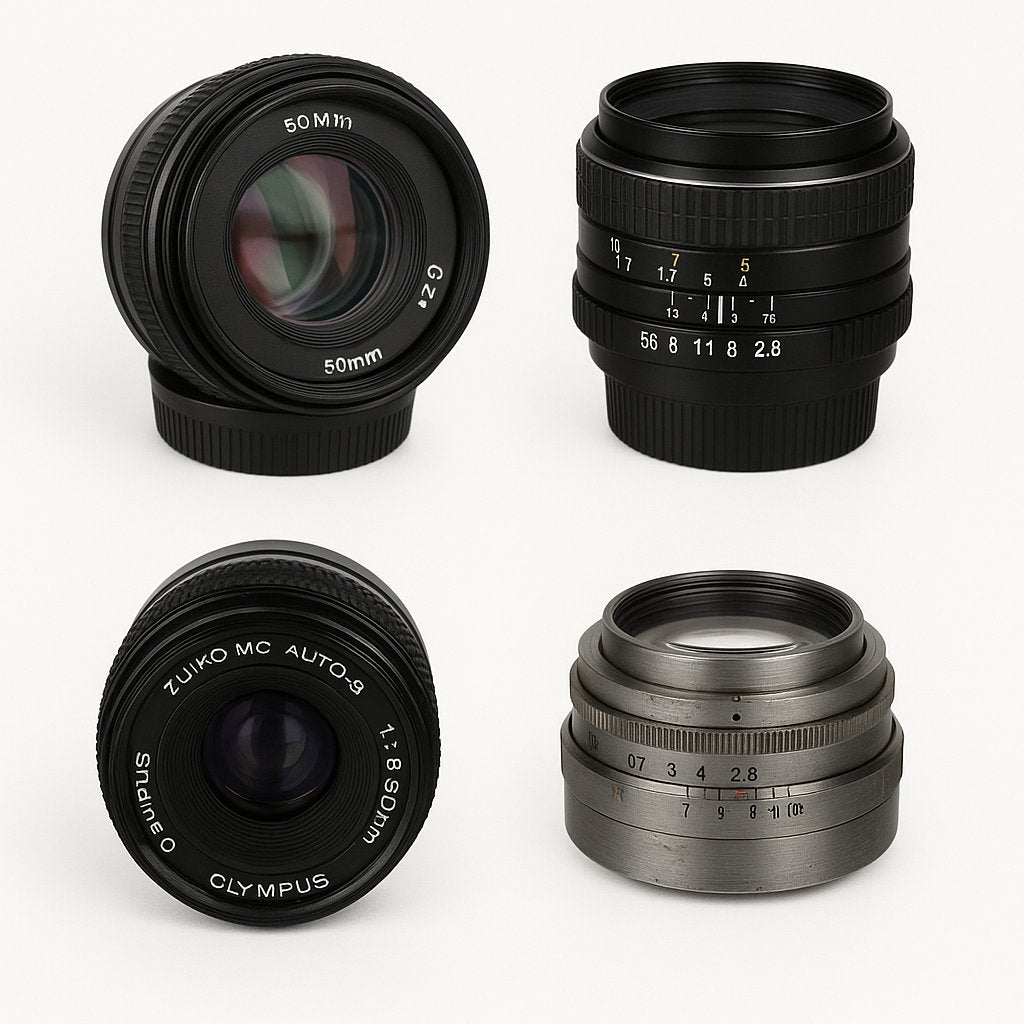
The bundled 50mm f/1.8 is often underestimated. At f/1.8 it is fast enough for low light and shallow depth of field; stopped down, it produces sharp, contrasty images. Its focal length is ideal for portraits, street photography, and everyday use.

Battery and Metering
The OM10 uses two SR44 or LR44 button cells to power the light meter and electronic shutter. Without batteries, the camera will not operate correctly, so fresh cells are essential before any serious outing.
Shooting the Olympus OM10 in 2025
Embracing the Slower Workflow
In 2025, the OM10 feels almost meditative compared to digital cameras. You load a 36-exposure roll, meter carefully, and accept that each frame costs something. This constraint leads to better timing and more thoughtful compositions.
Using fresh film stock also helps the OM10’s meter shine. Modern colour-negative emulsions like ISO 200–400 stocks provide generous exposure latitude, while black and white film pairs beautifully with the camera’s straightforward controls.
Using the 50mm f/1.8 Creatively
Wide open at f/1.8, the lens gives gentle background blur—perfect for portraits and detail shots. Stopping down to f/5.6–f/8 delivers crisp landscapes and street scenes. Manual focus encourages you to anticipate moments rather than chase them.
Essential Accessories and Adaptations
Must-Have Add-Ons
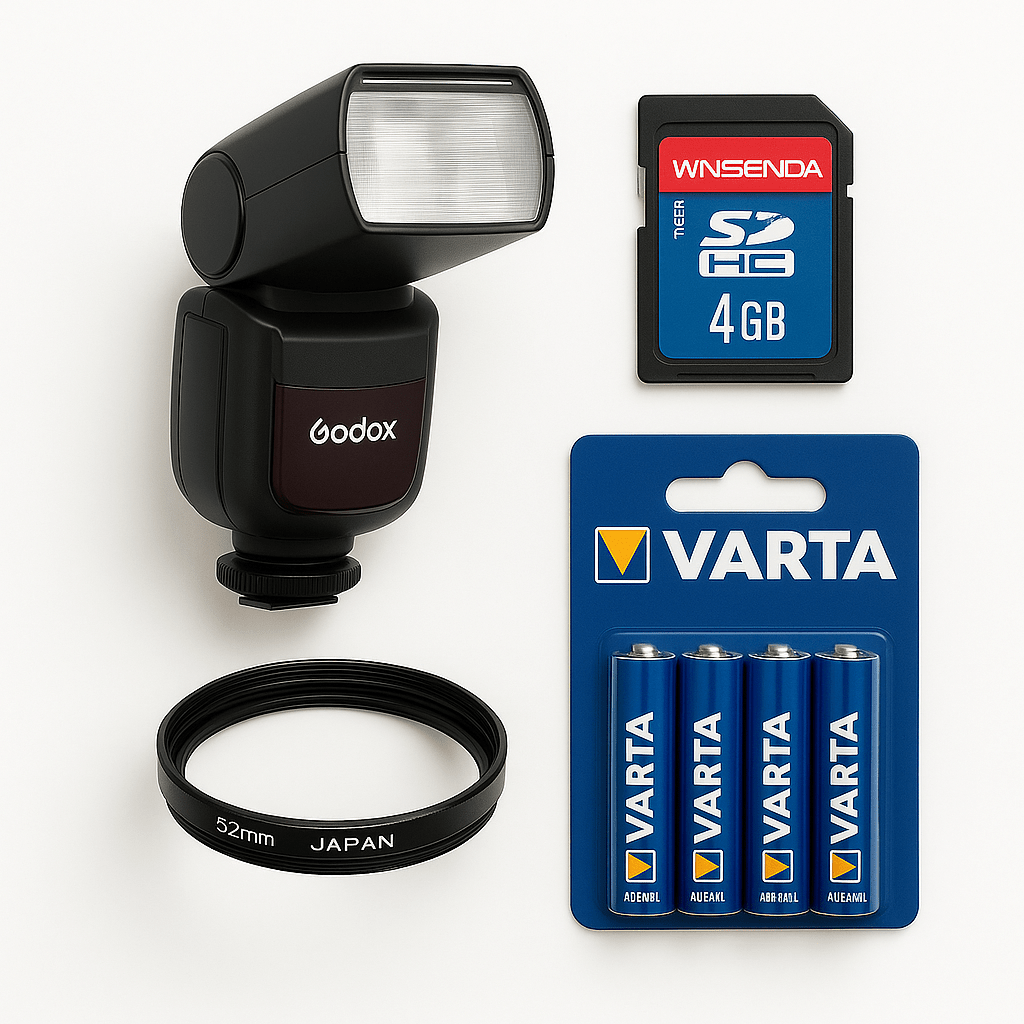
To get the best from an OM10 setup, a few simple accessories go a long way. A sturdy camera strap, a basic lens hood, and a soft cleaning cloth keep the kit practical and ready for daily use.
The manual adapter is highly recommended if you want to learn exposure fundamentals. It plugs into the front of the body and gives you a physical shutter-speed dial, making the OM10 much more versatile.
Adapting the 50mm f/1.8 to Digital
The Olympus 50mm f/1.8 lens can be adapted to many modern mirrorless systems via an OM-to-mount adapter. On digital, you retain manual focus and aperture control, turning the lens into a characterful portrait or detail lens with classic rendering.
Buying a Second-Hand Olympus OM10: What to Check
Because the OM10 relies on electronics, careful inspection is important when shopping second-hand. A well-maintained body can last for decades; a neglected one may need service before it is reliable.
- ✔️ Test manual adapter before purchase.
- ✔️ Carry spare SR44/LR44 batteries.
- ✔️ Use fresh film stock for consistent exposure.
- ✔️ Keep a cleaning cloth for the OM lens.
- 🔍 Check shutter speeds at all settings.
- 🔋 Inspect battery compartment for corrosion.
- 🧽 Replace foam light seals if degraded.
- 📷 Evaluate lens for haze or fungus.
- 💡 Ask for sample photographs where possible.
Light seals around the film door are often the first parts to wear out on older cameras. Crumbling foam can lead to light leaks; fortunately, replacement kits are inexpensive and straightforward to fit.
When evaluating the lens, shine a small torch through the elements to reveal any internal haze, fungus, or separation. A little dust is normal; a milky or patchy look inside the glass is a reason to reconsider.
Final Thoughts: A Classic Worth Keeping
The Olympus OM10 with the 50mm f/1.8 lens is a classic for good reason. It makes film photography approachable without feeling limiting, and its compact size invites you to bring it everywhere. With a bit of care when buying and a few essential accessories, it can be a long-term companion rather than a shelf decoration.
If you are exploring film for the first time or returning after years away, the OM10 offers a balanced mix of simplicity, reliability, and creative potential—exactly what a good everyday 35mm SLR should be.
FAQs
Is the Olympus OM10 a good beginner film camera? Yes. Its aperture-priority mode makes it easy to start with, while the optional manual adapter allows you to grow into full manual control at your own pace.
Does the Olympus OM10 need batteries to work? Yes. It uses two SR44 or LR44 button cells to power the light meter and its electronic shutter; without them, it will not function correctly.
What should I check before buying a second-hand OM10? Inspect the shutter at all speeds, look for corrosion in the battery compartment, test the light meter with fresh batteries, and ensure the light seals and film advance mechanism operate smoothly.
Can the Olympus 50mm f/1.8 lens be used on digital cameras? Yes. With an OM-to-mirrorless adapter, you can mount it on many digital bodies. You keep manual focus and aperture control, turning it into a creative vintage lens option.
Ready to start or expand your film journey? Explore our curated analog camera collection, browse classic SLR film cameras, and complete your setup with sustainable, second-hand photography accessories at DutchThrift.com.