



Introduction: The Return of the Olympus OM10
The Olympus OM10 with the classic Zuiko 50mm f/1.8 lens is one of the most inviting ways to step into 35mm film today. Compact, quiet, and surprisingly capable, this SLR kit offers a tactile shooting experience that digital simply cannot copy.
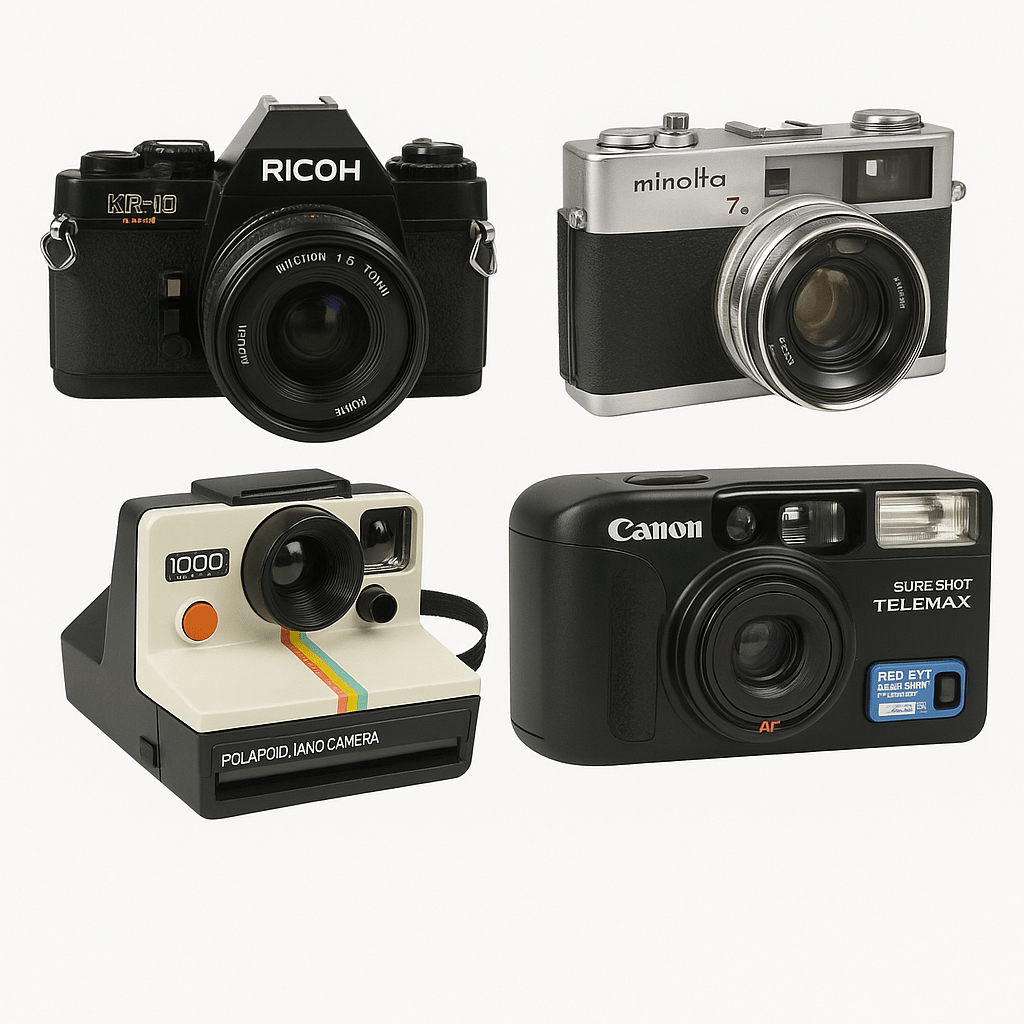
As more photographers rediscover analog cameras, the OM10 stands out as a practical, budget-friendly choice. It bridges the gap between fully automatic point‑and‑shoots and complex pro bodies, making it ideal for both curious beginners and seasoned shooters looking for a lightweight second body.
The first time I loaded a roll of 35mm into an old SLR, the click of the back door and the tension of the advance lever slowed everything down. Every frame suddenly felt expensive, deliberate, and worth thinking about before I pressed the shutter.
Origins and Design Philosophy
Launched in the late 1970s, the Olympus OM10 was designed as the approachable sibling to the professional OM‑1 and OM‑2. It kept the same compact OM-mount body style but simplified operation with aperture-priority auto exposure.
Where many SLR film cameras of the era were bulky, the OM10 focused on being small, light, and unintimidating. The idea was simple: let photographers choose the aperture to control depth of field, while the camera set a matching shutter speed. For most real-world shooting, it still feels refreshingly modern.

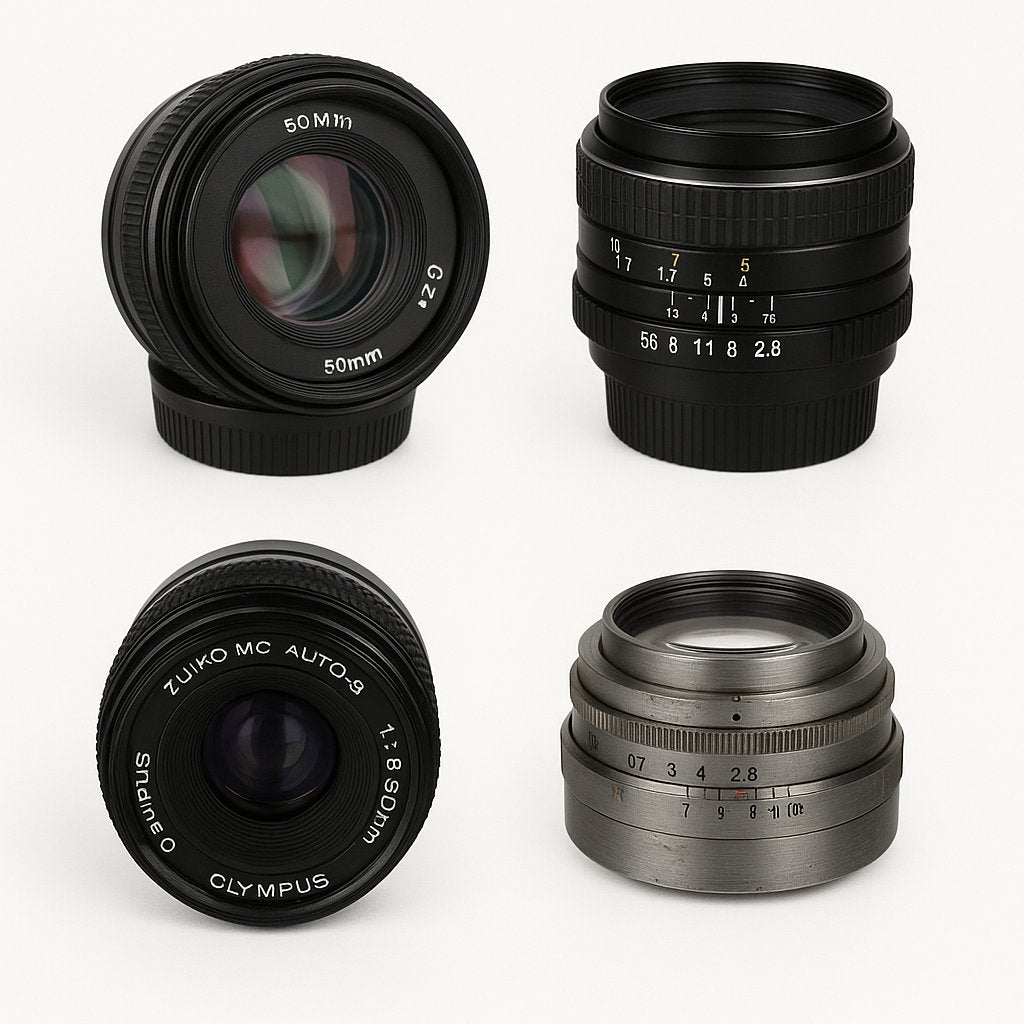
The paired Zuiko 50mm f/1.8 lens fits that philosophy perfectly: compact metal construction, straightforward focusing, and a bright aperture ring that clicks confidently between f/1.8 and f/16. It is a “standard” lens that encourages you to move your feet and think about composition, not zoom ranges.
Key Technical Highlights
Exposure and Controls
The Olympus OM10 is primarily an aperture-priority camera. You set the aperture on the lens, and the camera’s electronic shutter chooses a shutter speed based on the light meter reading.
- Aperture-priority auto exposure with exposure compensation.
- Optional manual adapter converts it to a fully manual body.
- Shutter speeds from long exposures up to fast daylight-ready speeds.
- Bright viewfinder with simple exposure readout.
For photographers who want more control, a plug-in manual adapter (often available second-hand) slots onto the front and lets you dial in specific shutter speeds. This makes the OM10 surprisingly flexible for such an accessible camera.
The Zuiko 50mm f/1.8 Lens
The bundled 50mm f/1.8 Zuiko is the heart of this kit. With a bright maximum aperture, it handles low light, portraits, and everyday scenes with ease.
- Fast f/1.8 aperture for shallow depth of field and night shots.
- Sharp center performance with pleasing, gentle rendering.
- Classic Olympus color and contrast that flatter both color and B&W film.

Creative Potential in 2025
Film Stocks to Try
The OM10 thrives with a wide range of films. Some reliable choices include:
- Kodak Portra for soft, warm skin tones and forgiving latitude.
- Fujifilm C200 for everyday color with a classic look.
- Ilford FP4 or Ilford HP5 for versatile, expressive black & white.
- Lomography color and B&W stocks for experimental, punchy results.
Experiment with color stocks like Kodak Portra for portraits, or B&W stocks like Ilford HP5 when you want gritty street shots and darkroom-style tones.
Hybrid Analog–Digital Workflows
The OM10 fits naturally into a hybrid workflow where you shoot analog but finish and share your work digitally. Two popular approaches:
- Scan and digitize film using DSLR or mirrorless camera scanning setups for precise control in post.
- Use lab scans for convenience, then fine‑tune colors and contrast in your favorite editing software.
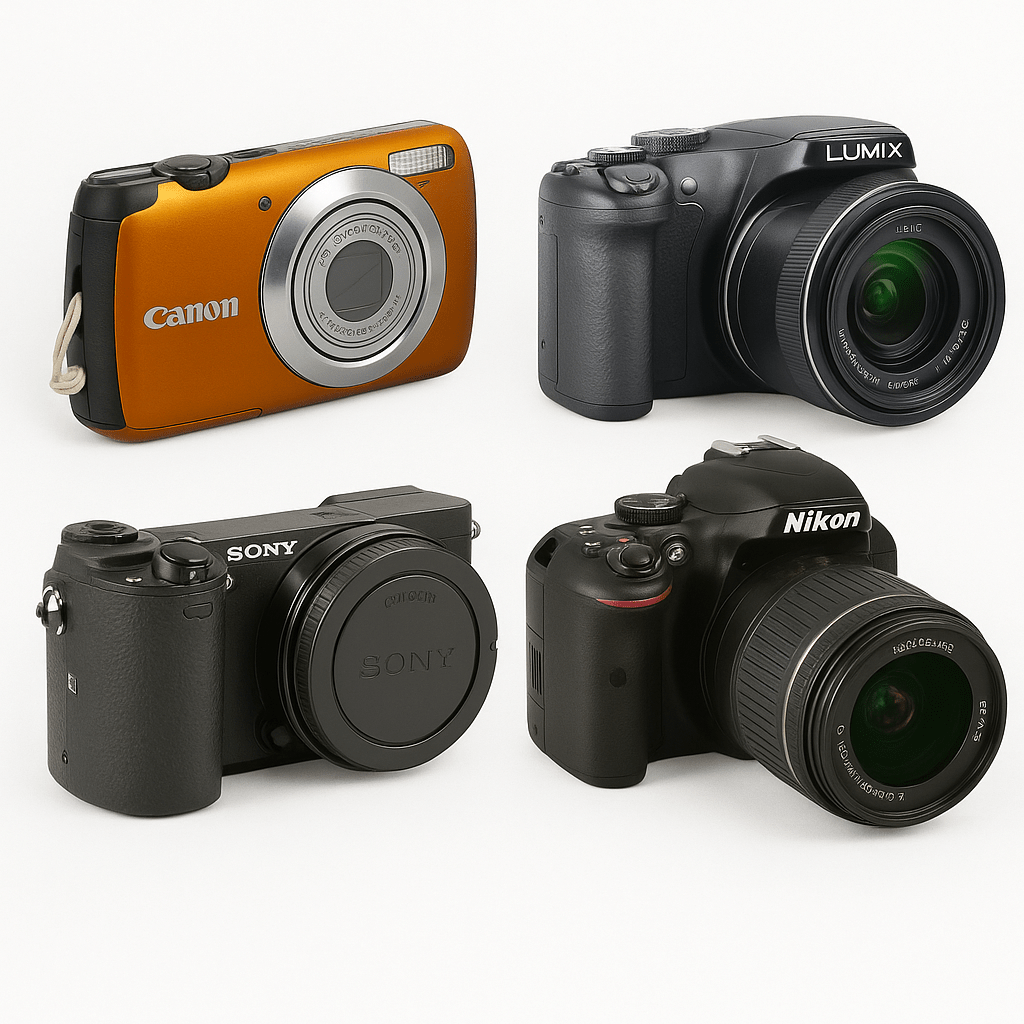
The Zuiko 50mm f/1.8 also does double duty on digital cameras. With simple OM-mount adapters, you can mount it on Sony E, Fuji X, Canon RF and other mirrorless systems to enjoy vintage rendering on modern sensors.
Style and Ergonomics
Beyond image quality, the OM10 is simply enjoyable to carry. Pair it with vintage-style straps and cases for durability and comfort, and you get a kit that feels as good as it looks. The compact body slips easily into a small shoulder bag, leaving more room for extra rolls of film instead of bulky gear.
Buying Second-Hand: What to Check Before You Commit
When buying any second-hand SLR, condition matters as much as specs. At DutchThrift.com we carefully inspect cameras, but if you're evaluating one yourself, use this checklist:
- ✅ Test shutter speeds and exposure readout consistency.
- ✅ Inspect foam seals to prevent light leaks.
- ✅ Check battery compartment for corrosion.
- ✅ Look through viewfinder for haze or fungus.
- ✅ Confirm film advance mechanism is smooth.
Also, confirm the Zuiko 50mm f/1.8 lens focuses smoothly and that the aperture blades are snappy and free from oil. A clear lens makes a noticeable difference, especially when shooting wide open at f/1.8.
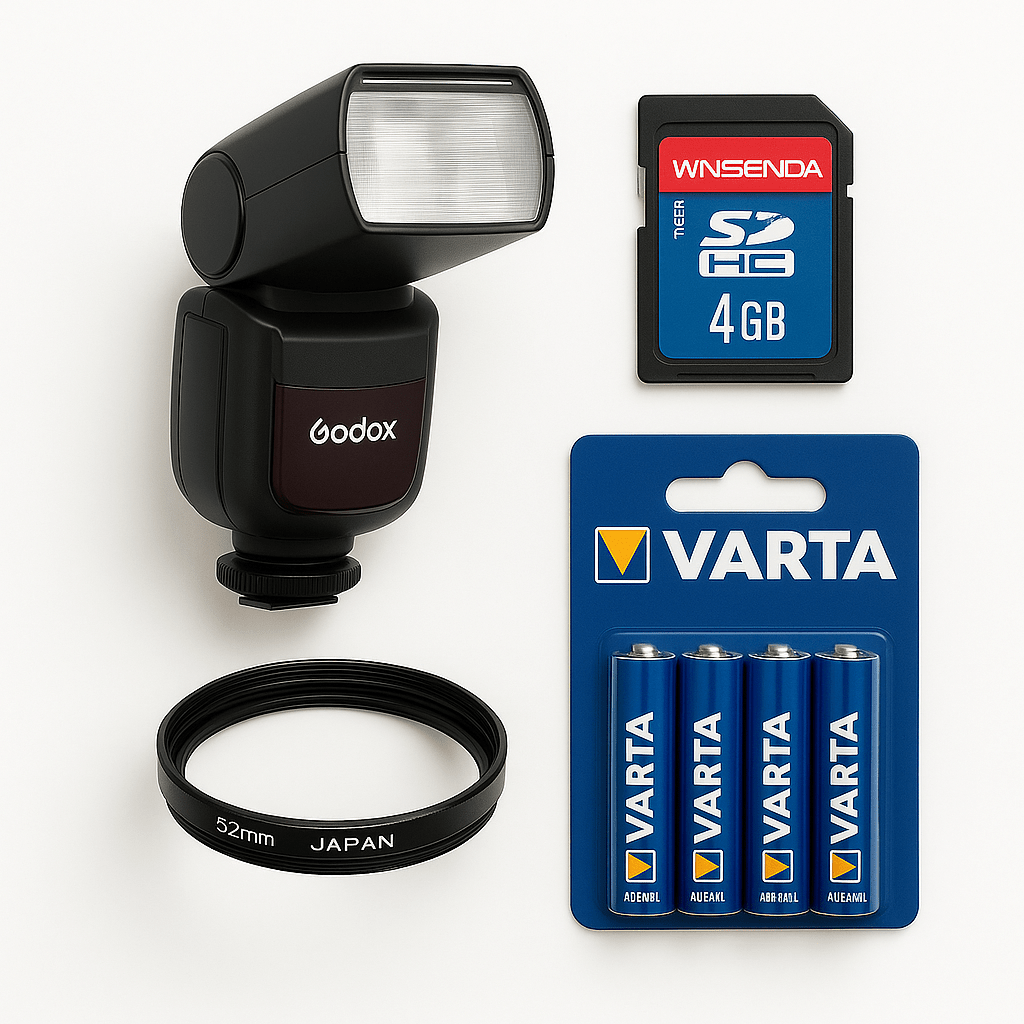
The OM10 runs on two LR44 or SR44 button cells. Do not mix battery types, and always remove them if you plan to store the camera for a long time. Fresh batteries keep the meter accurate and the shutter reliable.
If you are exploring similar options, browse our curated selection of SLR film cameras and complementary camera lenses for building a versatile, sustainable system around the OM mount or your chosen format.
Conclusion: Timeless Craft in a Digital World
The Olympus OM10 with the 50mm f/1.8 is more than a nostalgic object. It is a practical tool that encourages you to slow down, think about light, and commit to each frame. In 2025, that kind of intentionality feels almost radical.
Whether you are picking up your first film camera or adding a characterful classic to your kit, the OM10 offers a balanced blend of simplicity, control, and enduring design. With careful second-hand buying and a few thoughtful accessories, it can become a long-term creative companion that sits comfortably alongside your digital gear.
FAQs
Is the Olympus OM10 fully manual? The OM10 is primarily an aperture-priority automatic camera. However, you can convert it to full manual control by attaching the dedicated plug-in manual adapter, which is often available second-hand and gives you direct access to shutter speeds.
What batteries does the OM10 use? The OM10 runs on two LR44 or SR44 button cell batteries. Use a matching pair, avoid mixing types, and replace them as a set to keep the meter and shutter working reliably.
Can I use the OM10 lens on digital cameras? Yes. The Zuiko 50mm f/1.8 lens can be adapted easily to most mirrorless systems, including Sony E, Fuji X, Canon RF and others, using affordable OM-mount adapters. It is a great way to enjoy vintage rendering on modern sensors.
What film works best with the OM10? The OM10 performs well with many films. Try Kodak Portra or Fujifilm C200 for color, Ilford FP4 or Ilford HP5 for classic black & white, and Lomography films when you want experimental colors or grainy, lo-fi aesthetics.
Ready to start your analog journey? Explore our carefully inspected analog cameras, lenses, and accessories at DutchThrift.com and find the OM10 kit that fits your style.