



The Olympus E-P1: A Compact Revolution Revisited
When the Olympus E-P1 arrived, it felt like someone had shrunk a classic film camera and slipped a digital brain inside. It was one of the earliest Micro Four Thirds cameras, and it helped define what we now call mirrorless: small, quiet, and capable enough for serious work.
Today, in 2025, the E-P1 has taken on a new role. It is no longer the spec-sheet champion; instead, it has become a creative companion for photographers who enjoy slowing down, embracing limitations, and chasing character over clinical perfection.

The first time I slowed down with an older digital camera, I noticed how every frame suddenly mattered. Without endless autofocus points and burst modes, I was forced to think: where should the subject sit, how does the light fall, what story am I telling? That pause changed everything — photography became less about collecting images and more about crafting them.
Key Technical Features of the Olympus E-P1
Sensor, mount, and image quality basics
At the heart of the Olympus E-P1 is a 12 megapixel Micro Four Thirds sensor. On paper, that may sound modest, but 12 MP is more than enough for web use, prints up to A3, and everyday documentary work. The Micro Four Thirds mount gives you access to an enormous ecosystem of compact lenses, from sharp modern primes to quirky vintage glass via adapters.
Olympus paired this sensor with in-body image stabilization (IBIS), meaning the sensor floats to counteract hand shake. For slower shutter speeds and low light work, this is still a major advantage over many budget cameras today.
Handling, build, and controls
The E-P1 wears a solid metal chassis with minimal plastic frills. Dials and buttons are straightforward, and the menu layout reflects Olympus’s focus on direct control rather than endless automation. You get manual exposure modes, custom white balance, and access to RAW files — all the essentials for deliberate photography.

Why the E-P1 Still Matters in 2025
A different pace in a high-speed world
Modern cameras can fire silent bursts at 30 frames per second, track eyes across the frame, and send images straight to social media. The Olympus E-P1 cannot. And that is exactly why it still matters.
By choosing a second-hand E-P1, you opt for a slower, more reflective process. You will focus more carefully, anticipate moments, and work within the camera’s modest ISO range. In exchange, you get images with a recognizable, almost “early digital” character — crisp yet gentle, with color that responds beautifully to careful exposure.
Sustainable creativity and long-term value
Buying an E-P1 second-hand is not just budget-friendly; it is sustainable. Extending the life of a capable body keeps it out of the waste stream and reduces the demand for new manufacturing. For many photographers, pairing a used E-P1 with a single small prime lens is enough to rediscover the joy of everyday shooting.
Creative Techniques: Getting the Most from the E-P1
Embrace manual control and lower ISOs
The E-P1 shines when you meet it halfway. Its sensor rewards careful exposure and controlled ISO use, especially if you plan to edit RAW files later.
- ✔ Try an adapted lens for character-rich images
- ✔ Use manual exposure modes for full control
- ✔ Keep ISO below 1600 for optimal color output
- ✔ Test stabilization with handheld shots
- ✔ Experiment with RAW editing in modern software
Stick to base ISO for clean daylight shots, and let the in-body stabilization handle lower shutter speeds when the light fades.
Adapted lenses and vintage rendering
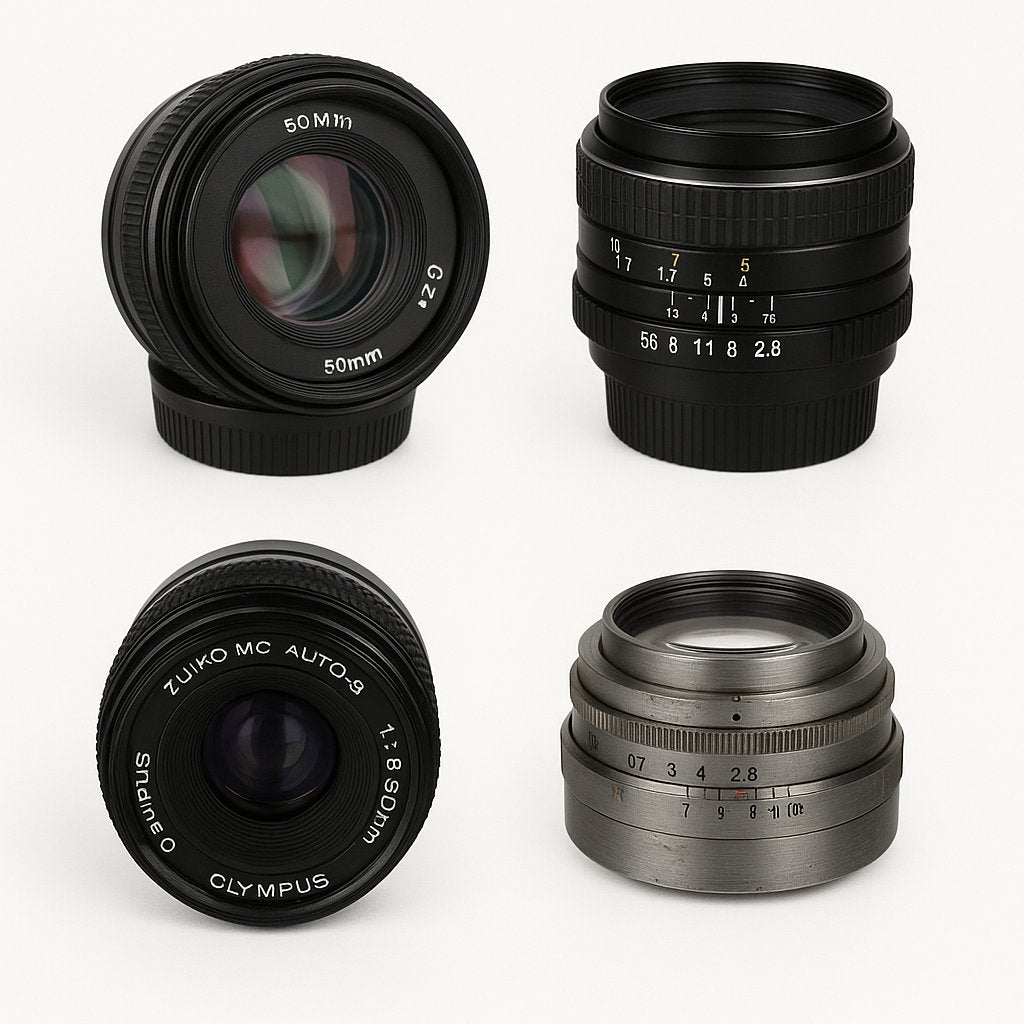
One of the E-P1’s greatest strengths in 2025 is how easily it accepts adapted glass. With simple mechanical converters, you can mount classic M42, Nikon F, or Canon FD lenses and enjoy manual focus with unique rendering. Stopped down, these lenses can be surprisingly sharp; wide open, they often give a dreamy glow that pairs well with the E-P1’s sensor.
Second-Hand Buying Guide for the Olympus E-P1
What to inspect before you commit
A well-cared-for E-P1 can still be a reliable everyday camera, but age means you should be selective when buying used. Prioritize working condition over cosmetic perfection; light scuffs on metal are often signs of honest use, not abuse.
- ✓ Inspect LCD and body for wear
- ✓ Test shutter, buttons, and ports
- ✓ Listen for steady stabilization noise
- ✓ Confirm battery door is secure
- ✓ Verify with a lens for focus accuracy
If possible, bring a known-good Micro Four Thirds lens to test autofocus, exposure, and IBIS. Run through all shooting modes, and plug in any relevant cables to ensure the ports respond.
Accessories and Modern Setup Tips
Building a compact kit around the E-P1
Thanks to the Micro Four Thirds mount, you can pair the E-P1 with a tiny prime or a compact zoom and still have a remarkably small bag. A 17mm or 25mm prime makes an ideal everyday lens for street and travel. For more flexibility, a small standard zoom keeps weight down while covering most situations.
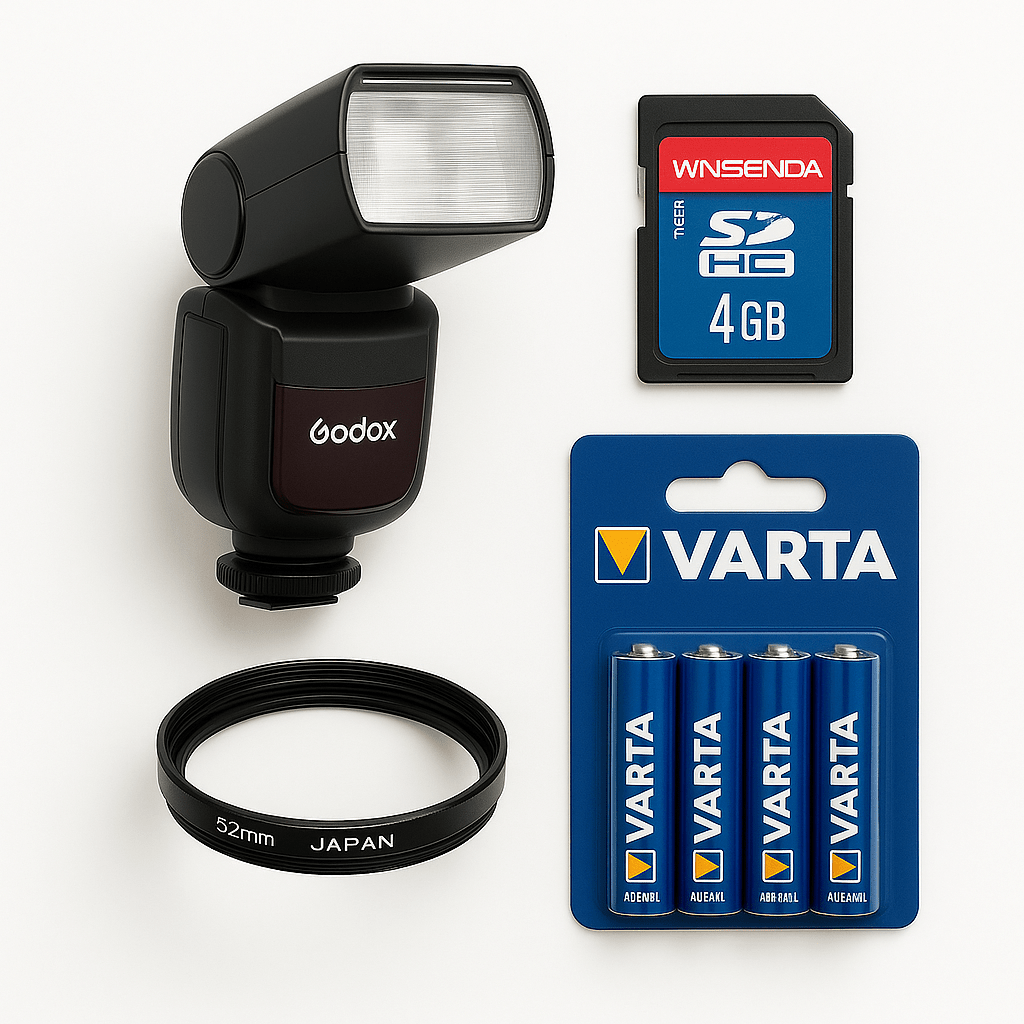
Adding a simple strap, a spare battery, and a modest SD card turns the E-P1 into a ready-to-go daily camera. Modern RAW processors handle its files easily, letting you fine-tune color and contrast beyond what was possible at launch.
Conclusion: A Digital Time Capsule with Lasting Relevance
The Olympus E-P1 is not about chasing the latest specification; it is about discovering how much you can do with less. Its 12 MP sensor, Micro Four Thirds mount, and in-body stabilization remain quietly capable in 2025, especially for photographers who enjoy manual control and thoughtful composition.
As a second-hand purchase, it offers genuine value, sustainable practice, and a tactile shooting experience that many modern cameras have left behind. Paired with the right lens and a patient mindset, the E-P1 becomes more than a relic — it becomes a trusted companion, ready to turn everyday scenes into considered photographs.
If you are exploring older digital cameras, mixing in adapted glass from our range of camera lenses, or searching for supporting photography accessories, the Olympus E-P1 deserves a spot on your shortlist.
FAQs
Is the Olympus E-P1 still worth buying in 2025? Yes. It remains an affordable, compact, and creatively fulfilling option for photographers who value tactile control and vintage digital aesthetics over raw speed.
Which lenses work on the Olympus E-P1? Any native Micro Four Thirds lens will work directly. You can also adapt vintage lenses via mount converters such as M42, Nikon F, or Canon FD for unique rendering and manual focus practice.
What should I check before buying a used Olympus E-P1? Inspect the LCD and body for damage, ensure the battery door closes securely, listen for a steady stabilization sound, test the shutter, buttons, and ports, and confirm focus accuracy with a mounted lens.
Can the Olympus E-P1 still produce good images? Absolutely. Its 12 MP sensor delivers beautiful color and pleasing tonality when used thoughtfully, especially if you keep ISO modest and work with RAW files in modern editing software.