



The Legacy of the Nikon Nikkor 50mm f/1.8
The Nikon Nikkor 50mm f/1.8 is one of those rare lenses that quietly bridges eras. Built for Nikon F-mount SLRs, it has become a timeless “normal” prime that still holds its own in the age of ultra-fast autofocus and clinical sharpness.
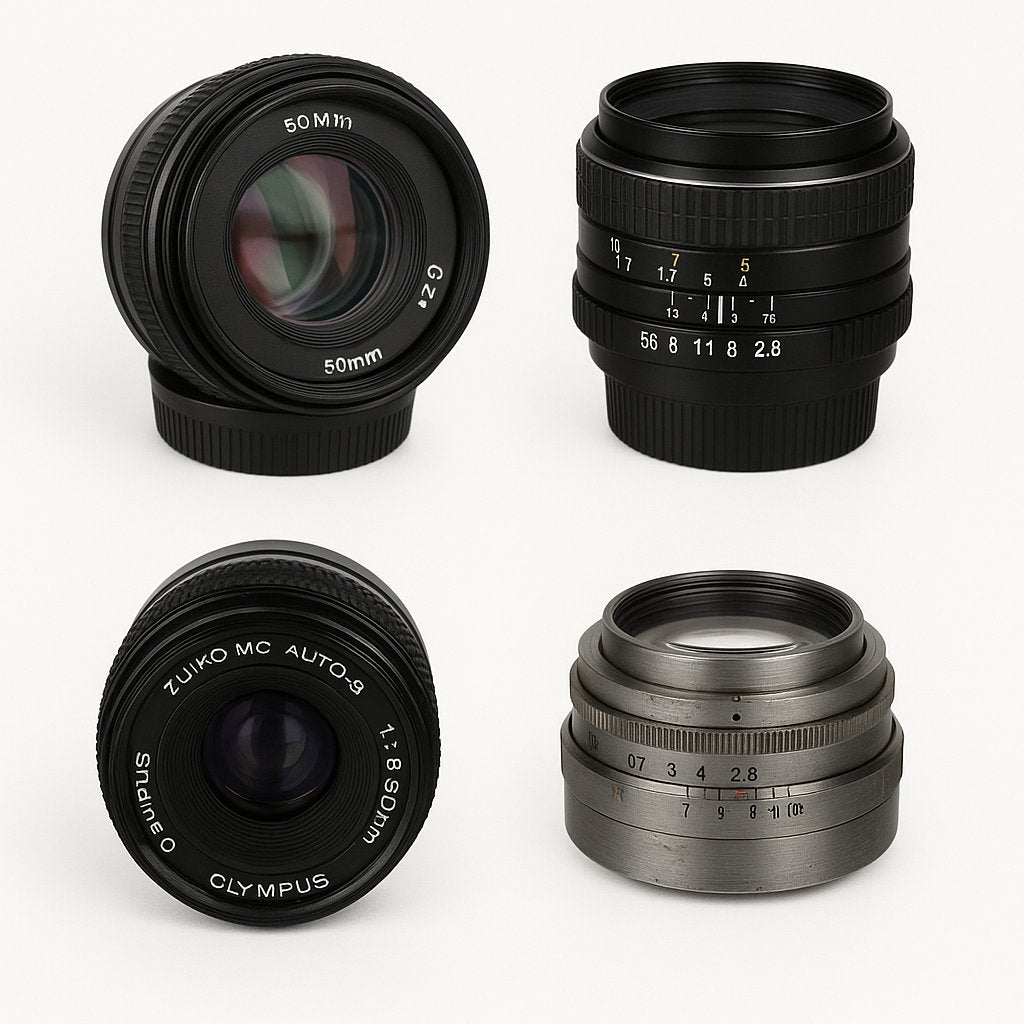
Optically, the design aims to deliver natural perspective and dependable sharpness, while the all-metal and high-quality plastic construction reflects a time when lenses were built to last decades, not just product cycles. For many photographers, this was the first prime that taught them to see in 50mm.
The first time I mounted a vintage Nikon 50mm on a digital body, I expected “old” image quality. Instead, I got crisp detail, smooth falloff, and colors that felt surprisingly modern—but with a slightly softer, almost cinematic character wide open that my modern autofocus glass just didn’t have.

Technical Highlights and Real-World Handling
Key Optical and Mechanical Features
On paper, the Nikon Nikkor 50mm f/1.8 seems straightforward: a standard focal length, bright f/1.8 aperture, and classic manual focus design. In practice, these features come together in a way that feels purposeful, especially on a compact camera body.
- Focal length: 50mm, a natural field of view close to human vision.
- Maximum aperture: f/1.8 for low-light shooting and subject isolation.
- Manual focus: Long, precise throw for fine control.
- Aperture ring: Clicked stops for tactile adjustment and easy zone exposure.
- Nikon F-mount: Compatible with a huge ecosystem of film and digital bodies (and adaptors).
Handling in Everyday Use
The focusing ring is the soul of a vintage lens, and the Nikkor 50mm f/1.8 embodies this. When serviced and in good condition, the ring moves smoothly with a gentle resistance that makes precise focusing feel intuitive, especially when paired with focus peaking on mirrorless cameras.
Stopped down around f/2.8–f/4, the lens becomes a reliable workhorse for street, travel, and documentary work. Wide open at f/1.8, it offers a pleasing separation between subject and background, with a falloff that flatters portraits rather than exaggerating every pore.
Why It’s Perfect for Modern Creators
Adapting Vintage Glass to Digital and Mirrorless
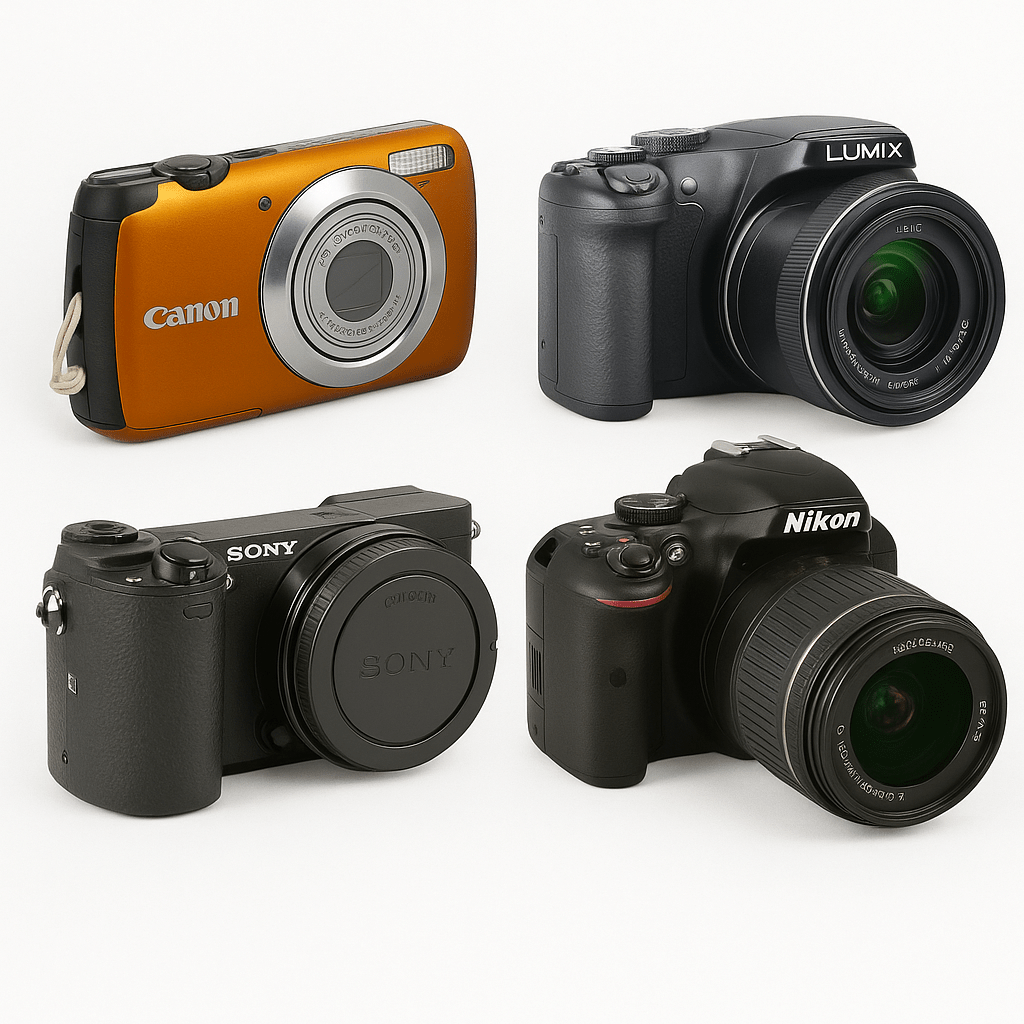
One reason the Nikkor 50mm f/1.8 has found a second life is how easily it adapts to modern mirrorless systems. With a simple, affordable mechanical adapter, you can mount it on Nikon Z, Sony E, Canon RF, and many APS-C mounts like Fuji X. There is no electronic communication, but that’s part of the appeal: you gain full manual control and a slower, more deliberate process.
On full frame, 50mm remains the classic “do-everything” focal length. On APS-C, it becomes a tighter, short-telephoto ideal for portraits and detail shots, still benefiting from that bright f/1.8 aperture.
A Distinct Rendering for Photo and Video
Compared to many modern autofocus lenses, the Nikkor 50mm f/1.8 has a slightly gentler contrast and a more organic look, especially in backlit scenes. Highlights roll off more smoothly, and background blur feels less clinical. This can be a creative advantage if you want images or footage with character rather than pure technical perfection.
For video creators, the long focus throw and mechanical aperture ring allow precise focus pulls and exposure adjustments. Paired with focus aids on mirrorless cameras, you can achieve cinematic shots without investing in specialized cinema glass.
How to Evaluate and Buy a Second-Hand Copy
Essential Checklist for Buying Used
Vintage lenses are only as good as their condition. Before you buy a second-hand Nikon Nikkor 50mm f/1.8, walk through this simple inspection list:
- Inspect aperture blades: no oil or sticking.
- Check focus smoothness across full range.
- Test lens on camera for proper alignment.
- Shine light through to detect internal haze or fungus.
- Verify serial and version—AI-S is ideal.
Pay special attention to the mount and filter threads. Small cosmetic marks on the barrel are normal for a lens of this age, but dents near the front ring can indicate impact damage, which may affect alignment or focusing accuracy.

Why the AI-S Version Is Often Preferred
Among the variations of the 50mm f/1.8, the AI-S version is particularly attractive. It offers reliable mechanical compatibility with a wide range of Nikon film bodies and adapts easily to digital systems. Its more refined mechanics and consistent aperture indexing make it a favorite for both analog shooters and mirrorless users building a vintage kit.
Pairing and Shooting Techniques
Best Camera Pairings
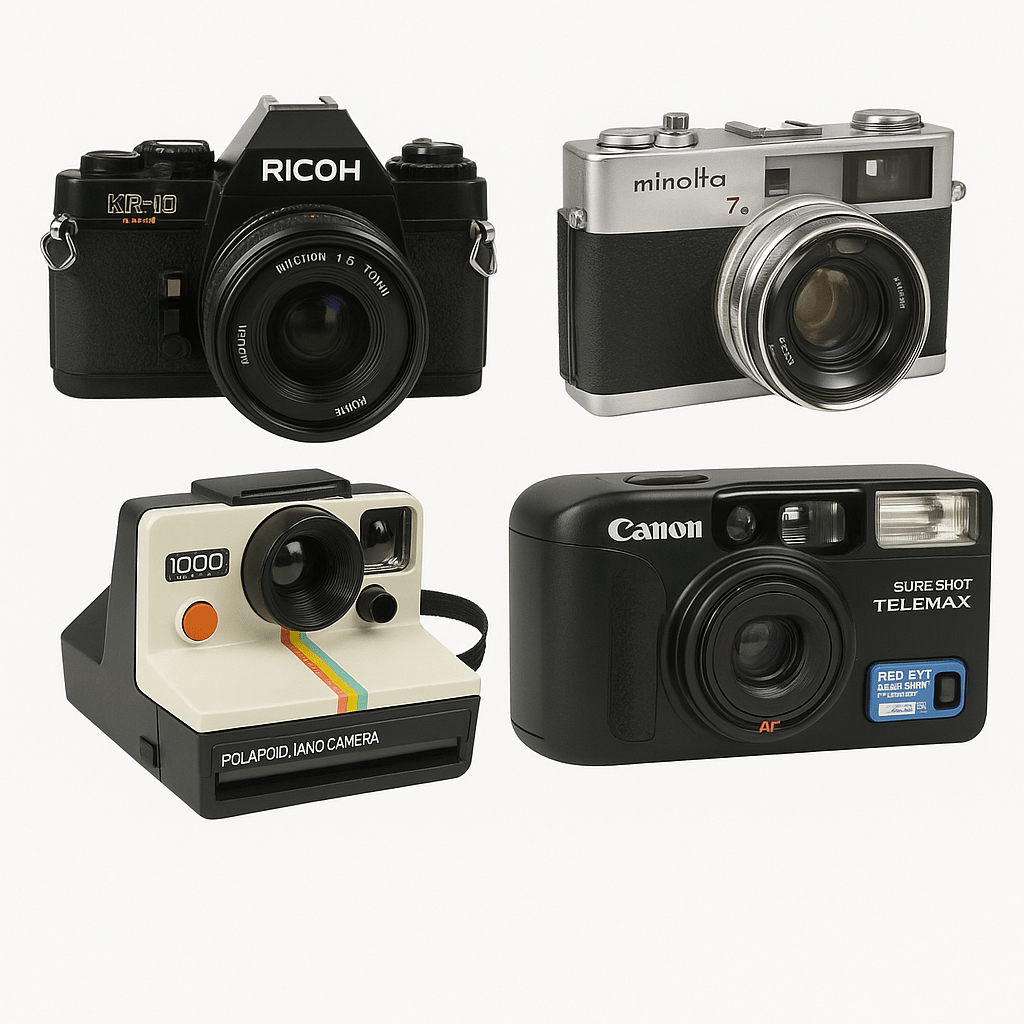
The Nikkor 50mm f/1.8 pairs beautifully with classic analog cameras like Nikon FM, FE, or F-series bodies, delivering the shooting experience it was originally designed for. On digital, it shines on lightweight mirrorless bodies via an adapter, balancing nicely without making the setup front-heavy.
For a minimal kit, combine this lens with a wider 28mm or 35mm prime for landscapes and street, and you can cover most situations with just two small lenses.
Simple Techniques for Strong Results
Because the 50mm field of view is so natural, composition becomes the real creative tool. Try these approaches:
- Environmental portraits: Shoot around f/2–f/2.8 to keep your subject sharp while holding enough context.
- Low-light scenes: Use f/1.8 with a stable stance or tripod, letting background lights turn into soft, rounded bokeh.
- Street photography: Set aperture to f/8, pre-focus to a few meters, and use zone focusing for quick, candid shots.
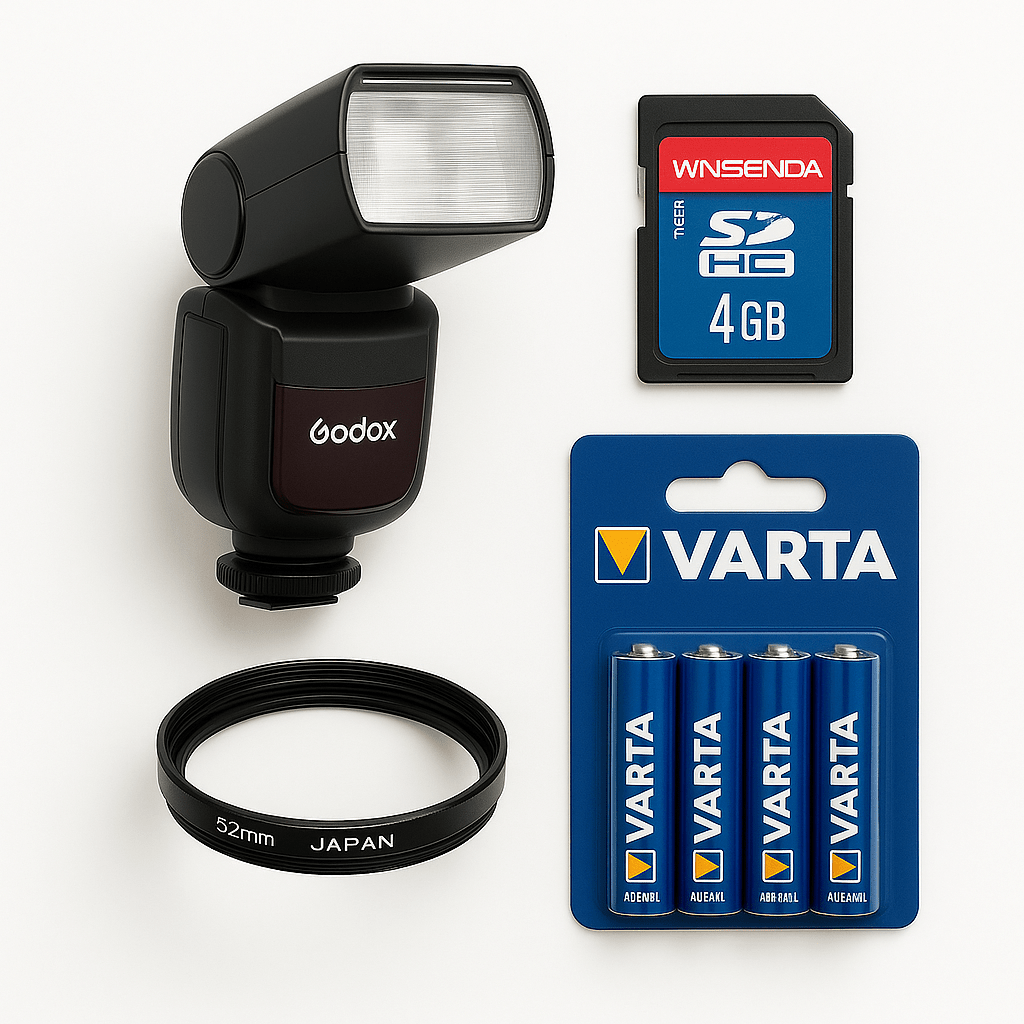
Adding simple photography accessories like a lens hood and a high-quality UV or clear filter can further protect the glass and improve contrast in challenging light.
Why the Nikkor 50mm f/1.8 Endures
Decades after its release, the Nikon Nikkor 50mm f/1.8 remains a favorite because it delivers what matters most: dependable sharpness, characterful rendering, and a shooting experience that invites you to slow down and be intentional.
From sustainable, second-hand kits to fully analog workflows, this lens is a small, affordable way to step into the world of classic Nikon optics. Whether you are just building a collection of camera lenses or looking for a single, do-it-all prime, the Nikkor 50mm f/1.8 is a piece of gear that rarely stays on the shelf for long.
FAQs
Is the Nikon Nikkor 50mm f/1.8 compatible with modern mirrorless cameras? Yes. With an affordable Nikon F to mirrorless adapter, you can use it on Nikon Z, Sony E, Canon RF, Fuji X, and many other mounts. These adapters are usually fully mechanical—no electronics needed.
What should I check when buying this lens second-hand? Confirm that focusing is smooth across the full range, the aperture snaps cleanly without hesitation, the glass is clear of haze or fungus, and the mount is undamaged. If possible, choose an AI-S version for the best adaptability and consistency.
Is the Nikon 50mm f/1.8 good for video work? Yes. Its long focus throw, responsive mechanical focus ring, and gentle background falloff make it excellent for precise manual focus pulls and cinematic shots, especially on stabilized mirrorless bodies.
Why choose a vintage Nikkor over a modern autofocus lens? A vintage Nikkor offers tactile manual control, distinctive rendering with character, and excellent optics at a budget-friendly price. It is also a sustainable choice, giving high-quality gear a second life instead of buying new.
Ready to explore more vintage glass and build a sustainable kit around the Nikkor 50mm f/1.8? Discover curated second-hand primes and zooms in our camera lenses collection, and pair them with reliable analog cameras and essential photography accessories at DutchThrift.