



The Legacy of the Nikkor AF Micro 60mm f/2.8
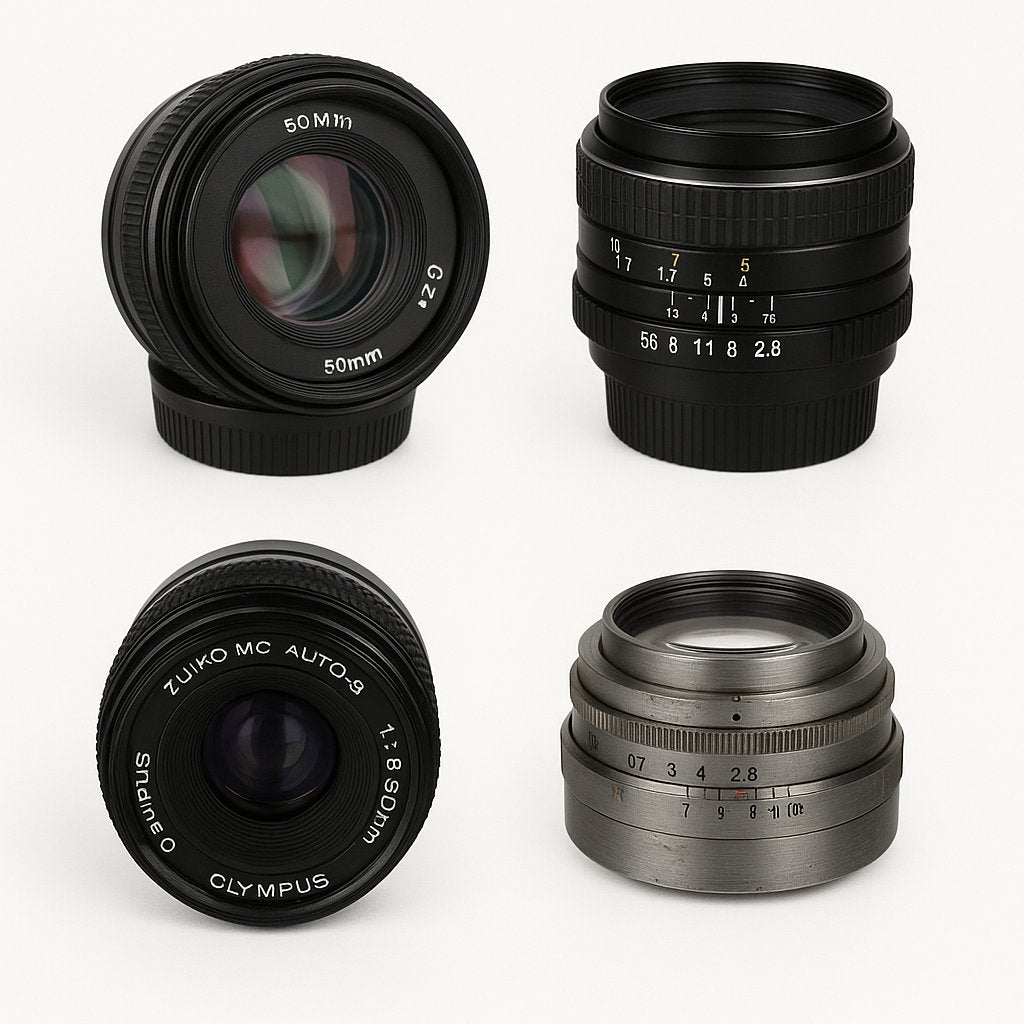
The Nikkor AF Micro 60mm f/2.8 sits at a sweet spot in Nikon’s history: modern enough to deliver fast, accurate exposure automation, yet classic enough to feel like a precision mechanical tool in your hands. It is a screw‑driven autofocus macro designed for Nikon F‑mount bodies, and it has earned a reputation among photographers for its sharpness, neutral rendering, and reliability.
Unlike many newer plastic-heavy lenses, this Micro‑Nikkor has a solid, purposeful build. It was designed as a workhorse for close‑up photography—think product shots, flowers, textures, and small objects—but its 60mm focal length also makes it a very usable standard lens on full‑frame and a short telephoto on APS‑C bodies.
I still remember the first time I used a vintage macro lens on a roll of fine‑grain film: the texture of a dried leaf filled the frame, every vein rendered like a map. The slow, deliberate focus and the soft evening light made the image feel less like a snapshot and more like a quiet discovery—proof that good glass and patience can turn the smallest details into entire landscapes.

Key Technical Highlights
True 1:1 Macro Capability
The standout feature of the Nikkor AF Micro 60mm f/2.8 is its ability to achieve true 1:1 reproduction. At minimum focus distance, your subject is projected onto the sensor or film at life size, making it ideal for capturing intricate textures, jewelry, small products, and natural details with scientific precision.
Optical Quality and Rendering
This Micro‑Nikkor is known for excellent edge‑to‑edge sharpness and almost zero distortion, even at close working distances. The neutral color rendition and strong micro‑contrast help subjects “pop” without relying on heavy post‑processing. For digital shooters, that clarity translates into files that take sharpening well and hold up to cropping.
Autofocus and Handling
The lens uses Nikon’s traditional screw‑drive autofocus system, which is powered by a motor inside compatible DSLR bodies. While AF is not as silent or fast as modern AF‑S or AF‑P lenses, it remains responsive for product and studio work, where precision matters more than speed. The broad, rubberized focus ring makes manual focusing smooth and predictable—essential for critical macro work.

Real-World Use for Modern Creators
On Nikon DSLRs
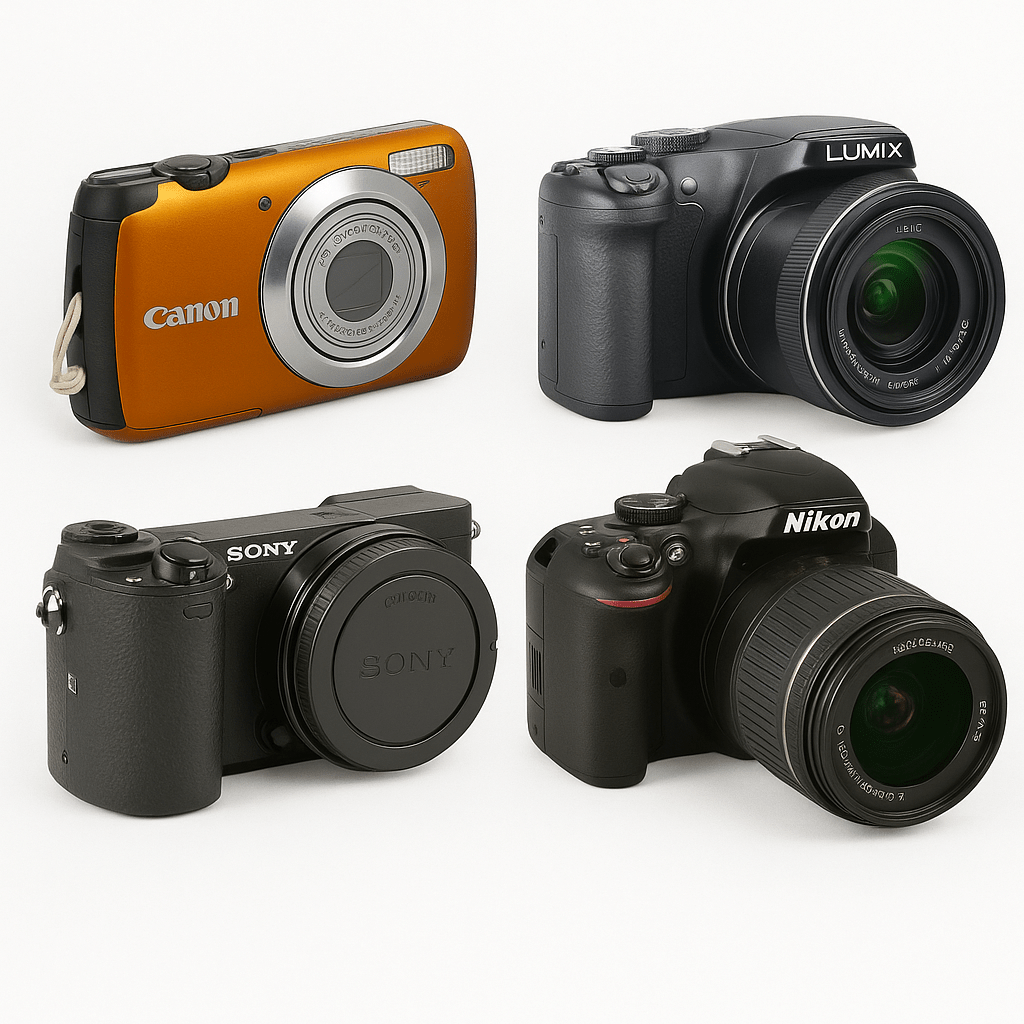
Mounted on a Nikon FX DSLR, the 60mm focal length behaves as a versatile standard prime. It can handle everything from tabletop product photography to portraits with a natural perspective. On DX bodies, it becomes roughly a 90mm‑equivalent field of view, which is excellent for tighter macro framing and flattering headshots.
On Nikon Z Mirrorless via FTZ
Despite being an older F‑mount design, the Nikkor AF Micro 60mm f/2.8 adapts beautifully to Nikon Z cameras using the FTZ or FTZ II adapter. You retain full exposure control, and thanks to modern tools like focus peaking and magnified live view, manual focusing becomes even more precise than on many DSLRs.
- Mount using FTZ for Nikon mirrorless bodies.
- Use focus peaking for precise manual control.
- Pair with stable LED lighting or ring flash for even exposure.
- Check for clean front and rear elements.
- Test aperture movement across all settings.
- Listen for smooth AF drive when engaged.
Macro, Product, and Everyday Subjects
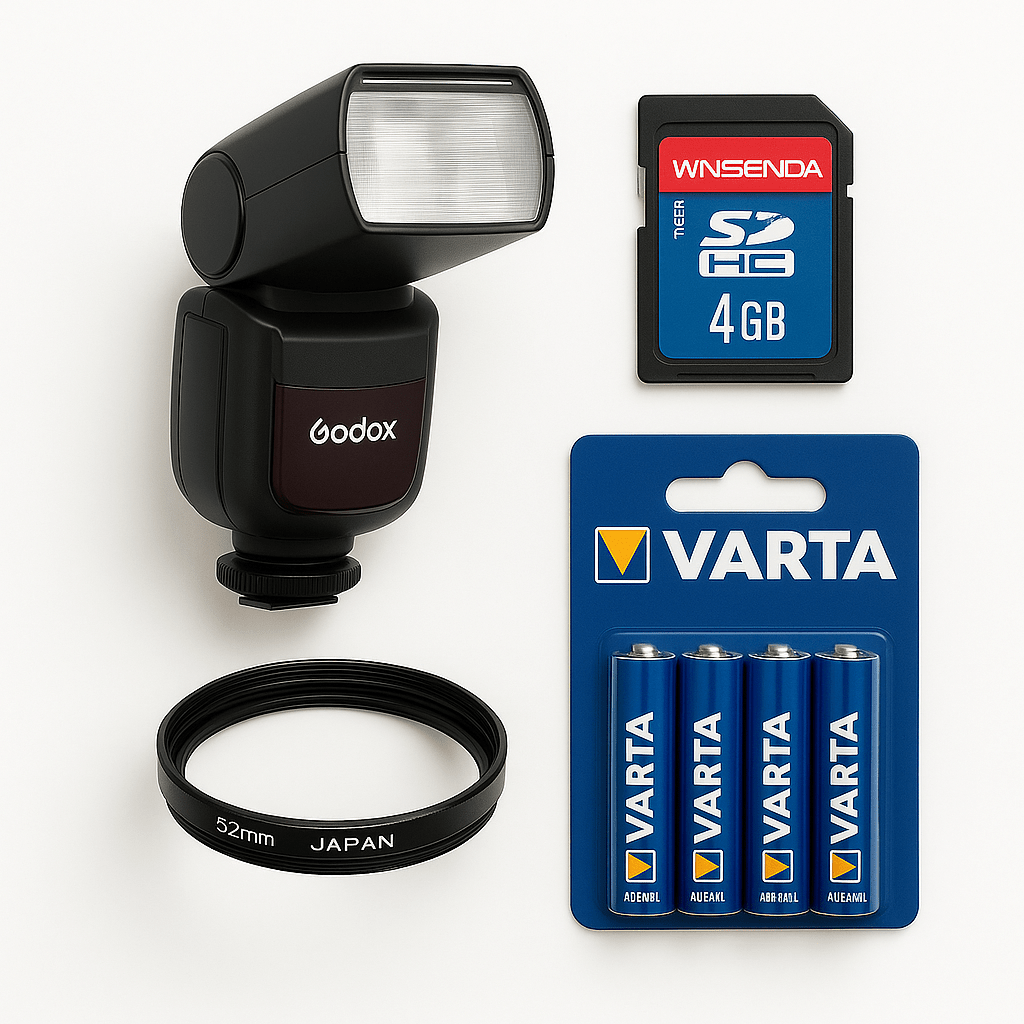
Beyond macro, this lens excels for food photography, crafting tutorials, and still‑life scenes where you want delicate detail. Its close‑focusing ability makes small setups easier—no need to stand far back to frame your subject. Combined with simple photography accessories like reflectors, LED panels, or a used ring flash, it becomes a compact studio solution.
What to Check Before Buying Second-Hand
Optics: Glass and Internal Condition
Start by inspecting the front and rear elements under a strong light. You want them as clean as possible, with no haze, fungus, or heavy scratches. A little dust is normal for older lenses and rarely affects image quality, but avoid copies with obvious cloudiness or large particles that could show up in images.
Aperture: Blades and Response
Move the aperture ring or camera controls through the full f‑stop range while watching the diaphragm blades. They should open and close briskly and evenly. Look closely for oil on the blades—shininess or stickiness can signal trouble and may require servicing.
Autofocus and Mechanics
On a compatible body, engage autofocus and listen. The screw‑drive motor will make a soft mechanical sound, but grinding, squealing, or hesitation are red flags. Rotate the focus ring across its entire range; the motion should feel smooth, with no sudden resistance or rough spots.
Buying through a curated second‑hand shop like DutchThrift helps reduce risk: lenses are checked for clarity, aperture function, and mount integrity before listing. It is not just better for your wallet—it keeps quality camera lenses in circulation and out of landfill.
Why It’s Still Worth Owning
Timeless Macro Performance
Even in the era of high‑resolution sensors and specialized autofocus systems, the Nikkor AF Micro 60mm f/2.8 remains highly competitive where it counts: detail, contrast, and reliability. Its true 1:1 magnification and low distortion make it a trusted tool for anyone serious about macro photography.
Sustainable, Budget‑Friendly Choice
Buying this lens second‑hand is a smart way to upgrade your kit sustainably. Instead of investing in a brand‑new macro lens, you can tap into proven optical quality for a fraction of the price, while reducing the demand for new manufacturing and packaging.
Perfect Bridge Between Old and New Systems
Whether you shoot analog, DSLR, or mirrorless, the Micro 60mm f/2.8 adapts gracefully. On film bodies it becomes a classic macro companion; on digital F‑mount cameras it remains fully integrated; and on Z‑mount, it gains new life with in‑body stabilization and advanced focusing aids.
FAQs
Is the Nikkor AF Micro 60mm f/2.8 compatible with Nikon Z cameras? Yes. You can adapt it using Nikon’s FTZ or FTZ II adapter. You retain exposure automation, and the lens works wonderfully with focus peaking and magnified live view for precise manual focus.
Does the screw-driven AF work on modern DSLRs? It works on Nikon DSLR bodies that have a built‑in focus motor, such as many higher‑end and mid‑range models. On entry‑level, motorless bodies, autofocus is not available, but manual focus remains smooth and accurate.
What makes this lens suitable for macro photography? The Nikkor AF Micro 60mm f/2.8 offers true 1:1 magnification, excellent edge sharpness, and almost zero distortion. This combination delivers clean, detailed images that are ideal for close‑up work, from scientific documentation to creative art projects.
What should I test when buying this lens second-hand? Check that the optics are clear, with minimal dust and no haze or fungus. Test the aperture through all settings to ensure the blades move quickly and cleanly, and inspect the coupling and focus mechanics for smooth operation. It is best to avoid copies with oily blades or significant internal dust.
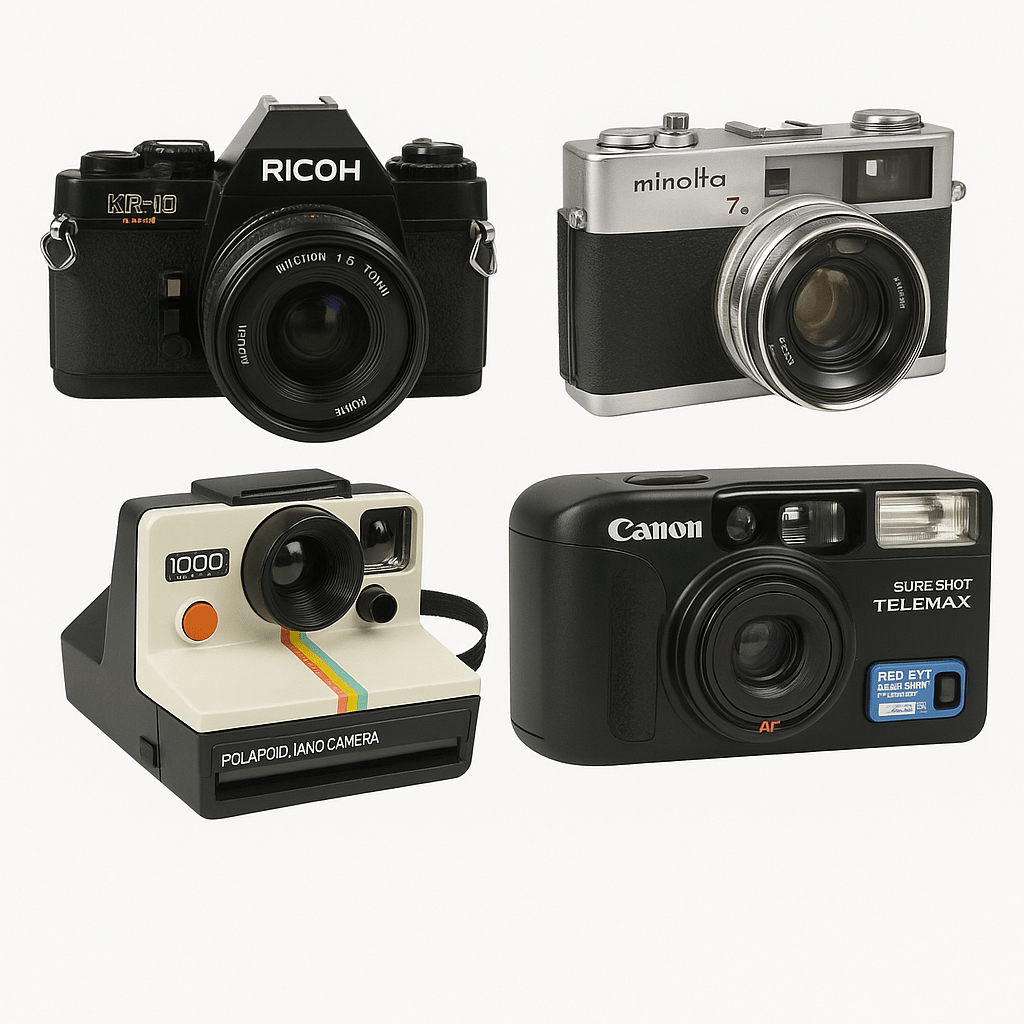
Ready to explore macro photography without buying new? Browse our curated selection of second‑hand camera lenses, classic analog cameras, and practical photography accessories to build a unique, sustainable kit that fits the way you shoot.