



Introduction to the Minolta XG-M and 50mm f/1.7 MD Lens
The Minolta XG-M, paired with the 50mm f/1.7 MD lens, is one of those classic SLR film cameras that quietly does everything right. Released in the early 1980s, it sits at the sweet spot between fully mechanical classics and modern electronic convenience. For anyone curious about 35mm film, this combination offers an intuitive, tactile way into analog photography without feeling outdated.
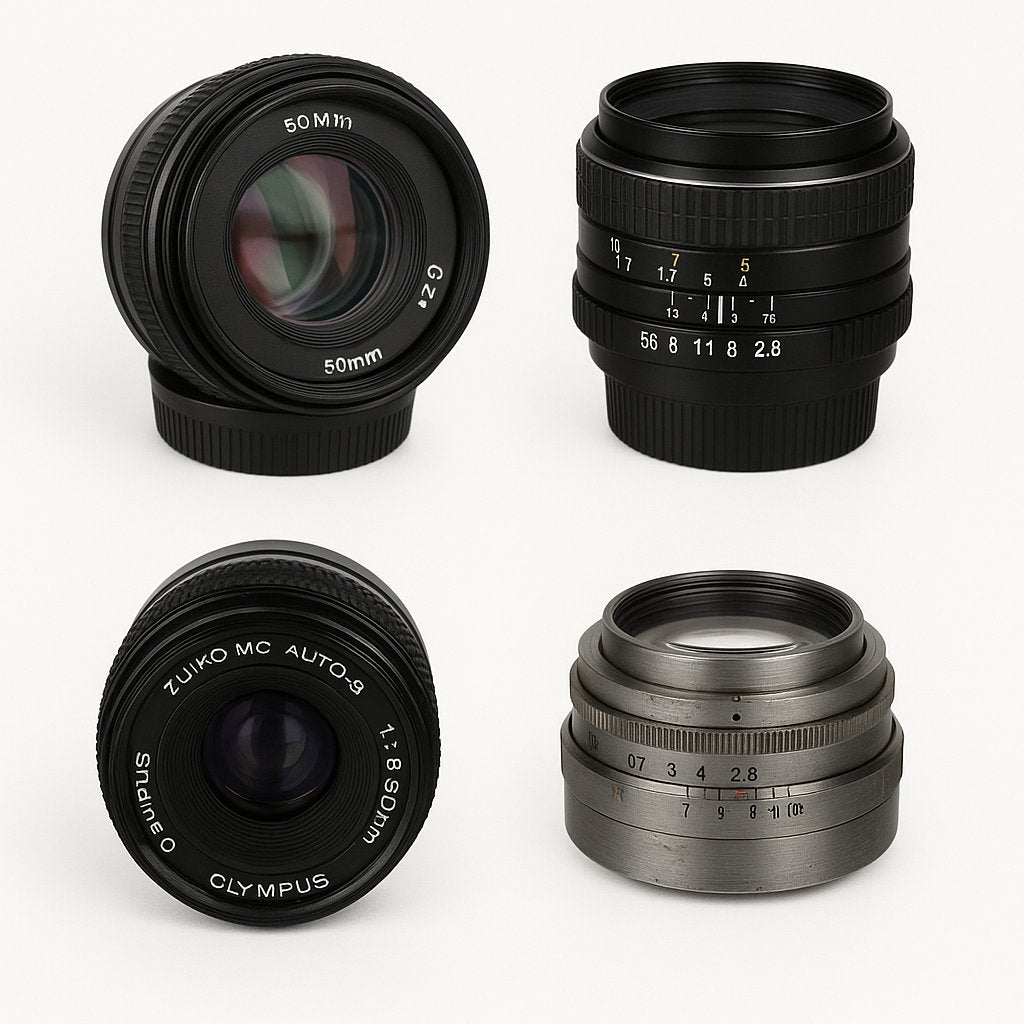
The 50mm f/1.7 MD lens completes the package. It is compact, bright, and optically impressive, with a versatile focal length that works for street, portrait, travel, and everyday shooting. Wide open at f/1.7, you get a soft, dreamy background blur; stopped down, it sharpens up nicely across the frame.
The first time you hold a 1980s SLR like the XG-M, the solid click of the shutter and the weight of the metal body slow you down in the best possible way. Instead of firing off dozens of frames, you start to think about each shot — light, timing, composition — and that mechanical simplicity quietly reshapes how you see.

Key Technical Features That Define the Shooting Experience
Aperture Priority with Clear LED Readout
The XG-M centers around aperture priority exposure: you choose the f-stop on the lens, and the camera chooses a shutter speed, displayed with red LEDs in the viewfinder. This makes learning exposure feel natural — open the lens for shallow depth of field, close it down for more detail, and watch the shutter speed respond.
For more control, you can switch to manual and match the indicated shutter speed. The LED display still guides you, so you are never guessing exposure.
Comfortable Viewfinder and Handling
The viewfinder is bright and uncluttered, making it easy to focus and compose even in lower light. The film advance lever has a smooth, satisfying stroke, and the shutter release is responsive without feeling twitchy. Together, these details shape a shooting experience that feels deliberate rather than rushed.
Reliable 50mm f/1.7 MD Optics
Optically, the 50mm f/1.7 MD offers a pleasing balance between sharpness and character. Colors lean natural, with enough contrast to make negatives scan well without harshness. Bokeh is smooth, especially at mid-range distances, which works beautifully for portraits and detail shots.
Why the Minolta XG-M Remains Relevant Today
An Accessible Gateway to Film
In an era dominated by digital, the XG-M stands out as an accessible way to experience real, mechanical photography. Its controls are straightforward, yet it does not oversimplify the process. You still load film yourself, set ISO, choose aperture, and advance each frame by hand.
Compared to many other analog cameras, the XG-M offers excellent value. You get a capable body and a fast prime lens without paying a premium for a famous nameplate.
Film Look Without Filters
Photographers still gravitate toward cameras like the XG-M because film responds to light differently than digital sensors. Highlights roll off more gently, grain has texture rather than noise, and the 50mm f/1.7’s rendering gives images a subtle, cinematic feel. You can emulate it with presets, but shooting the real thing changes how you compose and time your shots.
Modern Film and Accessory Options for the XG-M
Choosing the Right Film Stock
The Minolta XG-M works well with almost any 35mm stock. For beginners, consumer color films are forgiving and scan easily. Black-and-white films highlight the tonal quality of the lens and reward careful metering. Slide film can look wonderful but demands precise exposure, making it a better choice once you are comfortable with the camera.
Essential Accessories
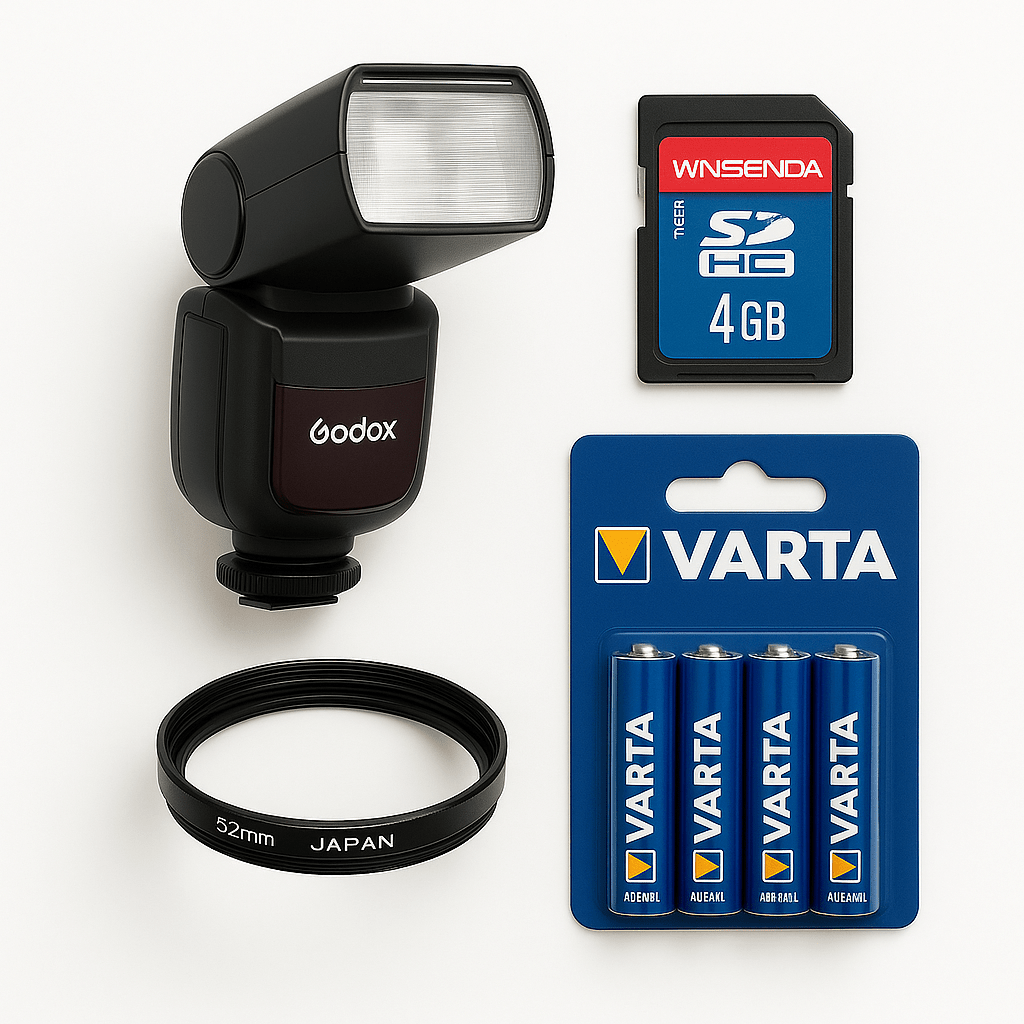
To get the most out of your camera, consider a few simple accessories: a lens hood to reduce flare, a basic neck strap, and a small manual flash for low-light work. A compact tripod helps with long exposures and night photography. Spare button cells are essential; the XG-M uses two SR44 or LR44 1.5V batteries to power both the light meter and shutter.
Using the 50mm f/1.7 on Digital
One of the pleasant surprises with Minolta MD lenses is their compatibility with many modern mirrorless cameras via adapters. Mounted on digital, the 50mm f/1.7 MD delivers a soft, cinematic look that contrasts nicely with clinical modern glass. It is an easy way to enjoy the lens even when you are not shooting film.

Checklist for Buying a Second-Hand Minolta XG-M
Buying used is a sustainable way to get into film photography, but a quick inspection goes a long way. When you are looking at a second-hand Minolta XG-M, walk through this simple checklist:
- Inspect light seals and mirror foam for stickiness or wear.
- Test shutter action and film advance smoothness.
- Verify LED exposure readout with fresh batteries.
- Ensure film rewind crank locks and back door closes firmly.
It is also worth checking that the lens focus ring turns smoothly, the aperture blades move freely without oil, and the glass is free of major haze, fungus, or deep scratches. Minor dust is normal in older camera lenses and rarely affects image quality.
Creative Uses and Practical Shooting Examples
Street and Everyday Life
With its compact size and responsive handling, the XG-M excels as a street and everyday camera. Set aperture priority, choose f/8, and let the camera pick a shutter speed while you focus on timing and composition. The 50mm field of view encourages you to move your feet rather than zoom, which results in more intentional framing.
Portraits with Character
At f/1.7 or f/2, the lens draws faces with flattering softness and gently blurred backgrounds. Using slower films outdoors keeps grain fine, while faster films indoors add a subtle texture that many portrait photographers love. Meter for the face, let the highlights fall where they may, and lean into the film look rather than fighting it.
Low-Light and Night Photography
The fast maximum aperture, combined with a tripod, makes long exposures at night surprisingly accessible. Neon signs, car trails, and city lights all translate beautifully onto 35mm film. Just remember that the meter relies on batteries, so check the LEDs before committing to a long exposure.
Final Thoughts: The Accessible Path to Authentic Film Photography
The Minolta XG-M with 50mm f/1.7 MD lens embodies what makes film photography so rewarding: simple controls, tactile feedback, and images with real character. It is advanced enough to grow with you, yet friendly enough for someone loading their very first roll.
Whether you are adding a reliable workhorse to your collection of analog cameras or looking for a first serious SLR, this combination deserves a place on your shortlist. Cared for properly, it can keep shooting for decades, turning each 36-exposure roll into a small, tangible archive of your life.
FAQs
Is the Minolta XG-M suitable for film photography beginners? Yes. Its aperture priority mode and clear LED exposure readout make learning exposure surprisingly intuitive, even if you have only used digital cameras before.
Does the Minolta XG-M require batteries to function? Yes. The camera uses two SR44 or LR44 1.5V button cells to power both the built‑in light meter and the electronic shutter mechanism.
Can the Minolta 50mm f/1.7 MD lens be used on digital cameras? In many cases, yes. With a suitable MD-to-mirrorless adapter, you can mount the lens on modern digital bodies and enjoy its soft, cinematic rendering.
What should I check before buying a used XG-M camera? Confirm the shutter fires at all speeds, the meter and LEDs respond with fresh batteries, seals and foam are sound, and film advance and rewind operate smoothly.
Ready to start (or expand) your film journey? Explore carefully checked, second-hand Minolta bodies and lenses in our curated selection of SLR film cameras and camera lenses at DutchThrift.