



Overview: The Mamiya-Sekor 35mm f/2.8 M42 Lens
The Mamiya-Sekor 35mm f/2.8 in M42 mount is a compact wide-angle prime that has quietly become a favorite among photographers who enjoy the tactile, deliberate feel of vintage glass. Sitting at that sweet spot between wide and “normal,” 35mm is perfect for everyday shooting, street work, and environmental portraits.
Built for classic M42 screw-mount SLRs, this lens combines solid metal construction with a simple, intuitive manual focus experience. On modern digital bodies, it offers a refreshing alternative to clinically perfect autofocus lenses: a subtle glow wide open, pleasant contrast, and a gentle falloff toward the corners that adds mood rather than distraction.

A Brief History of the Mamiya-Sekor 35mm f/2.8
Mamiya is best known for its medium format cameras, but during the film SLR era it also produced a line of M42 mount lenses under the Mamiya-Sekor name. The 35mm f/2.8 occupied a versatile slot in that lineup: wider than the standard 50mm, yet not so wide that distortion dominated.
Early versions were single-coated, while later “SX” variants introduced improved multicoating for better flare resistance and contrast. These SX lenses are particularly attractive today for photographers who want vintage rendering while keeping contrast and color closer to modern expectations.
My first time adapting a vintage M42 lens to a mirrorless camera, I expected muddy corners and low contrast. Instead, I was surprised by how clean the center sharpness was and how the gentle vignetting actually helped pull the viewer’s eye toward the subject. The lens felt like a collaboration partner rather than a limitation.
Technical Traits and Image Character
Optical performance and rendering
The Mamiya-Sekor 35mm f/2.8 is designed around a classic wide-angle formula that balances sharpness and size. Wide open at f/2.8 you can expect a slightly softer rendering with lower contrast, ideal for atmospheric scenes, night shots, and backlit subjects. Stop down to f/5.6–f/8 and the lens tightens up nicely, delivering crisp detail across most of the frame.
Bokeh is not the main selling point of a 35mm f/2.8, but at closer focusing distances you can still isolate subjects with a pleasant, unobtrusive blur. Colors lean natural, with a slight warmth that many photographers associate with classic film-era glass.
Build, handling, and flare resistance
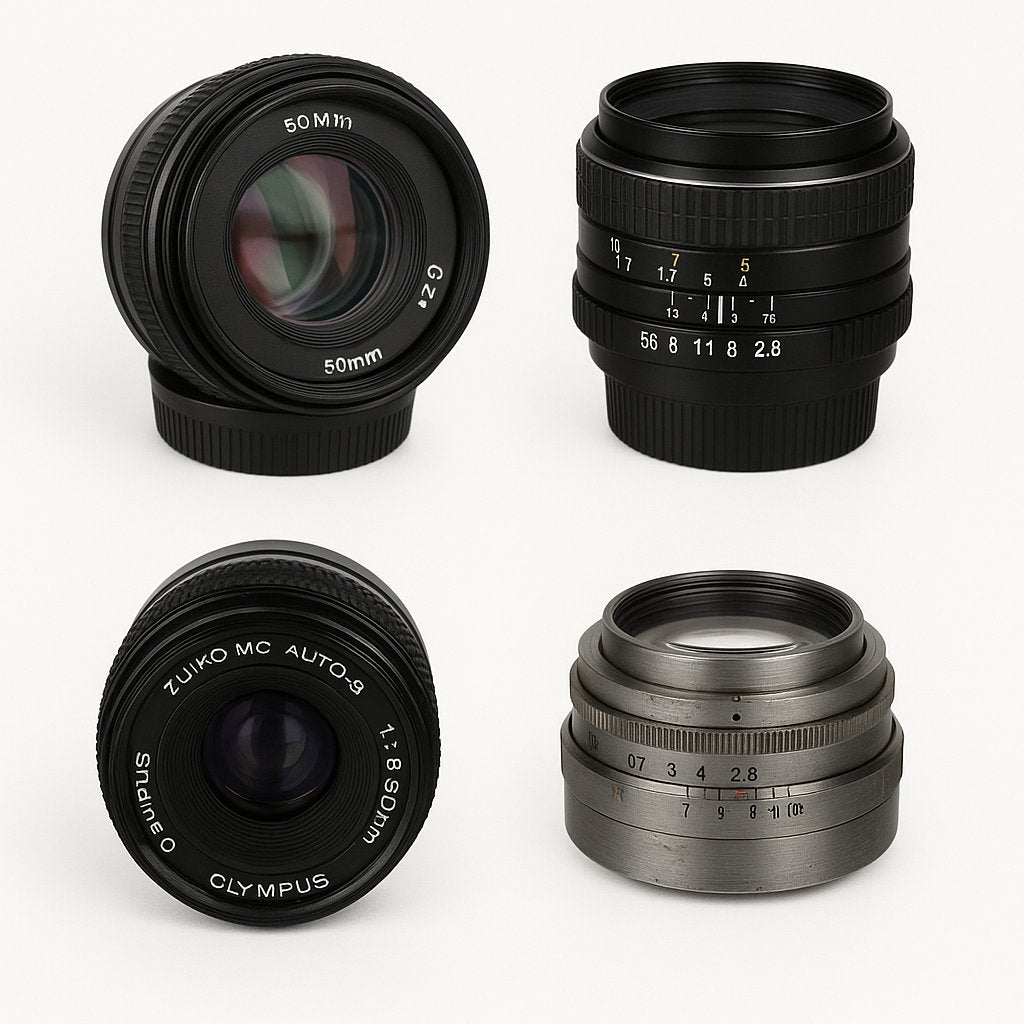
This is an all-metal, mechanically focused lens with a smooth focusing helicoid and a firm, clicky aperture ring. Most copies feel reassuringly dense in the hand without being heavy, which makes them an excellent match for small mirrorless bodies.
Flare control depends heavily on the version. Single-coated lenses can produce dramatic veiling flare and ghosting when shot into the sun, while SX versions with multicoating handle backlight more confidently. In both cases, a simple screw-on lens hood is highly recommended.
Using the Mamiya-Sekor 35mm f/2.8 on Modern Cameras
Adapting the M42 mount
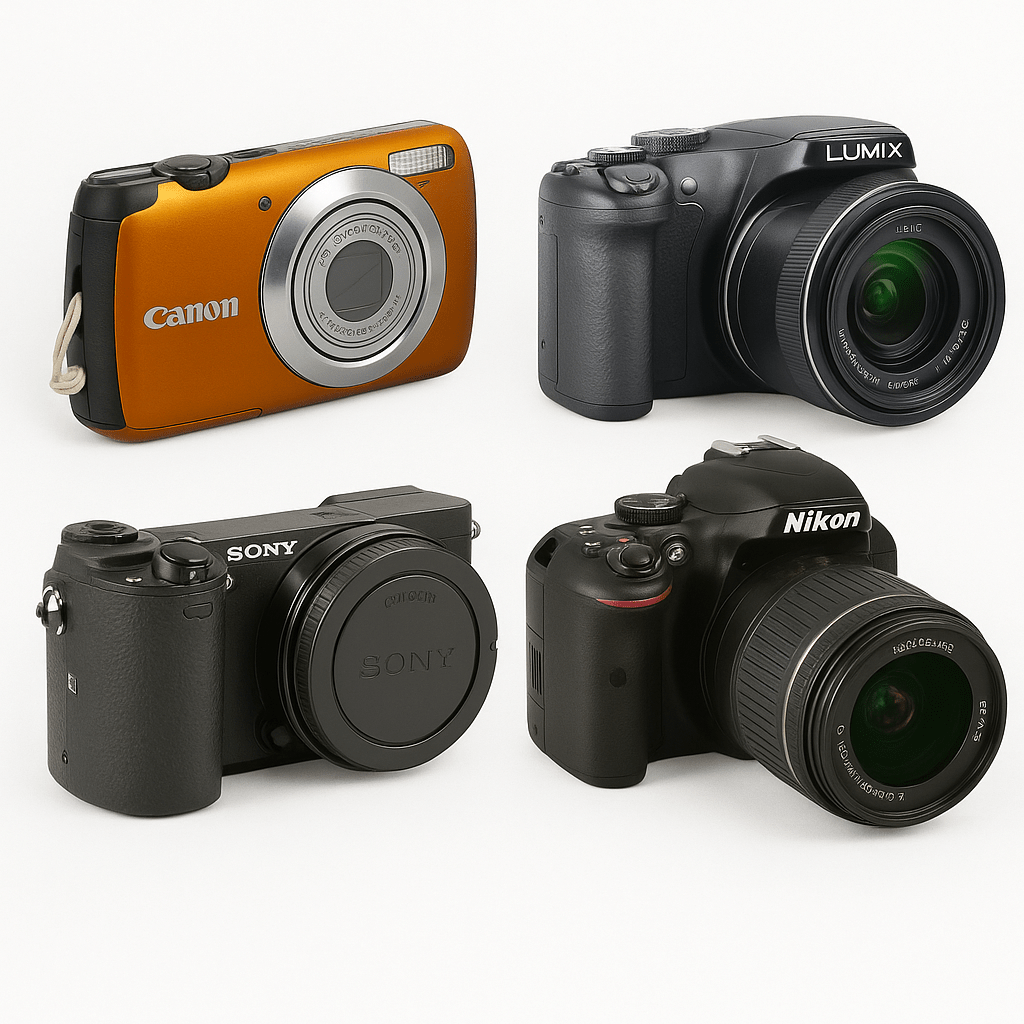
Thanks to its M42 screw mount, the Mamiya-Sekor 35mm f/2.8 adapts easily to most modern mirrorless systems, including Sony E, Canon RF, Nikon Z, and Fujifilm X. All you need is a simple, mechanical M42 adapter—no optics, no electronics. The lens will operate in full manual mode, with manual aperture and manual focus.
On full-frame bodies, you get the native 35mm field of view. On APS-C sensors, it behaves more like a ~50–55mm equivalent, perfect for general-purpose and portrait-style shooting.

Practical shooting checklist
To get the best out of this lens on digital cameras, keep these practical steps in mind:
- ✔ Set aperture manually before shooting
- ✔ Use focus peaking or magnification
- ✔ Attach a lens hood to control flare
- ✔ Experiment with variable ND filters
- ✔ Stop down to f/5.6–f/8 for street photography sharpness
Second-Hand Buying Guide for the Mamiya-Sekor 35mm
What to look for in a used copy
Because this lens is only available second-hand, condition matters. A well-kept copy can deliver decades of reliable use on both film and digital bodies, while a neglected lens may suffer from haze, fungus, or oily aperture blades.
When browsing listings—whether you are pairing it with one of your SLR film cameras or planning to adapt it to digital—pay close attention to detailed descriptions and clear photos.
- ✔ Verify focusing ring turns evenly
- ✔ Check aperture blades for clean operation
- ✔ Look for clean front and rear elements
- ✔ Seek well-documented listings with photos
- ✔ Prefer versions labeled 'SX' for multicoating
Fungus, haze, and price expectations
Fungus appears as fine, web-like threads or spots inside the glass; haze looks like a general fog or cloudiness when you shine a light through the lens. Both can reduce contrast and resale value, and professional cleaning may not always be economical.
A fair price range for a clean, working Mamiya-Sekor 35mm f/2.8 is typically between $70–$100, with later SX multicoated versions commanding a modest premium. For many photographers, that price-to-character ratio is exactly what makes this lens such a compelling second-hand buy.
Why This Lens Still Matters in 2025
In a market filled with fast autofocus primes and ultra-corrected optics, the Mamiya-Sekor 35mm f/2.8 stands out not for perfection, but for personality. Its rendering has a subtle vintage charm that many modern lenses intentionally try to emulate in post-processing.
On top of that, using a fully manual lens slows you down in the best possible way. Composing carefully, setting the aperture with intent, and focusing by hand all foster a deeper connection with the scene. For photographers exploring sustainable, second-hand gear, this lens offers long-lasting build quality without the environmental impact of new production.
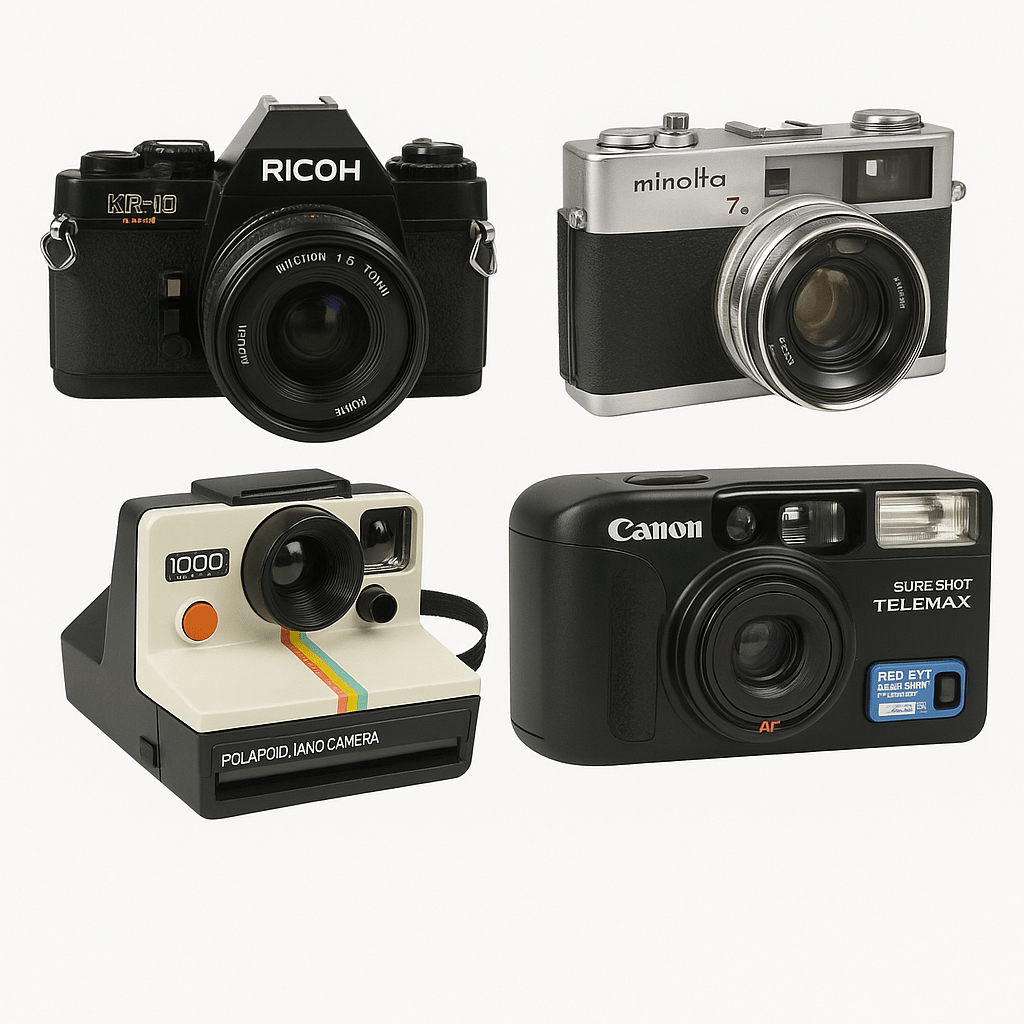
Whether you mount it on a classic M42 film body, adapt it to a mirrorless system, or pair it with other camera lenses and photography accessories, the Mamiya-Sekor 35mm f/2.8 remains a creative, affordable tool that still earns its place in 2025 and beyond.
FAQs
Is the Mamiya-Sekor 35mm f/2.8 lens compatible with digital cameras? Yes. With a simple M42 adapter, you can use it on mirrorless systems like Sony E, Canon RF, Nikon Z, and Fuji X. Manual focus and manual aperture control are required.
What is a fair price for a second-hand Mamiya-Sekor 35mm f/2.8? Expect to pay around $70–$100 depending on condition, completeness, and version. Multicoated “SX” variants often cost slightly more.
What makes this lens appealing compared to modern 35mm options? Its vintage rendering, robust metal build, and deliberate manual focusing experience give images a distinctive character that differs from many modern, clinically sharp lenses.
How can I avoid fungus or haze when buying this lens second-hand? Ask for clear, close-up images of the glass surfaces, check that the aperture blades look clean and snappy, and avoid lenses that appear foggy, dull, or milky when light shines through the elements.
Ready to explore characterful vintage glass? Browse curated second-hand options at DutchThrift.com and find a Mamiya-Sekor 35mm f/2.8—or a similar classic—that fits your style and your camera.