



A Short History of the Konica Pop
The Konica Pop arrived in the early 1980s as an affordable, colorful 35mm compact aimed at casual photographers. At a time when many cameras were black, boxy and serious, the Pop stood out with bright shells, rounded edges, and a design that looked just as comfortable at a beach party as on a city trip.
Instead of chasing pro-level specs, Konica leaned into fun. The Pop was built as a true point and shoot: zone-focus, fixed exposure, simple flash, and a lens that surprised people with how sharp it could be. It quickly became a favorite for family holidays, school trips, and first cameras for teenagers.
The first time you pick up a brightly colored vintage camera like the Konica Pop, it can feel like opening a forgotten photo album. The scuffs and worn edges hint at summers, road trips, and late nights you were never there for—but somehow remember anyway.

Decades later, these same qualities make the Pop incredibly appealing to today’s film shooters. It’s part nostalgia machine, part creative tool, and part conversation starter—especially in its brighter colors.
Technical Simplicity That Inspires Creativity
Fixed settings, fewer decisions
The Konica Pop is deliberately minimal. Instead of endless dials, you get just what you need to make pictures:
- 35mm film format with standard DX-free loading.
- A 36mm (approx.) fixed lens—wide enough for everyday scenes.
- Zone focus or fixed focus, so you can concentrate on timing and framing.
- Simple exposure system designed for daylight shooting with ISO 100–200 film.
- Built-in flash powered by AA batteries for indoor or low-light snapshots.
With no menus and no manual exposure, you learn to read light instead: where the sun is, how contrast affects your subject, and when the flash will give that classic point-and-shoot look. This constraint is exactly what many digital photographers find refreshing.
The charming look of the Konica Pop
The lens renders with a mix of sharpness and softness that feels unmistakably analog. Center sharpness is better than the toy-like exterior suggests, while corners and edges often fall off gently. Contrast is moderate, ideal for scanning and editing later.

Why the Konica Pop Matters in 2025
A sustainable, second-hand classic
In 2025, shooting film is as much about process and sustainability as it is about image quality. Choosing a second-hand Konica Pop keeps a solid camera in circulation and out of landfill, while giving you a unique look that no smartphone filter can fully imitate.
Because it uses common 35mm film and standard AA batteries, you can keep it running with minimal fuss. And unlike many premium compacts, replacement costs remain reasonable if you ever decide to upgrade or switch systems.
Perfect companion to digital gear
The Konica Pop is an ideal sidekick to your digital camera. When your main kit feels heavy or over-complicated, the Pop offers a reset button—one focal length, one film stock, and no screen to distract you. You can focus purely on timing, composition, and the joy of not knowing exactly what you captured until the film comes back.
Essential Accessories and Film Choices
What to pack with your Konica Pop
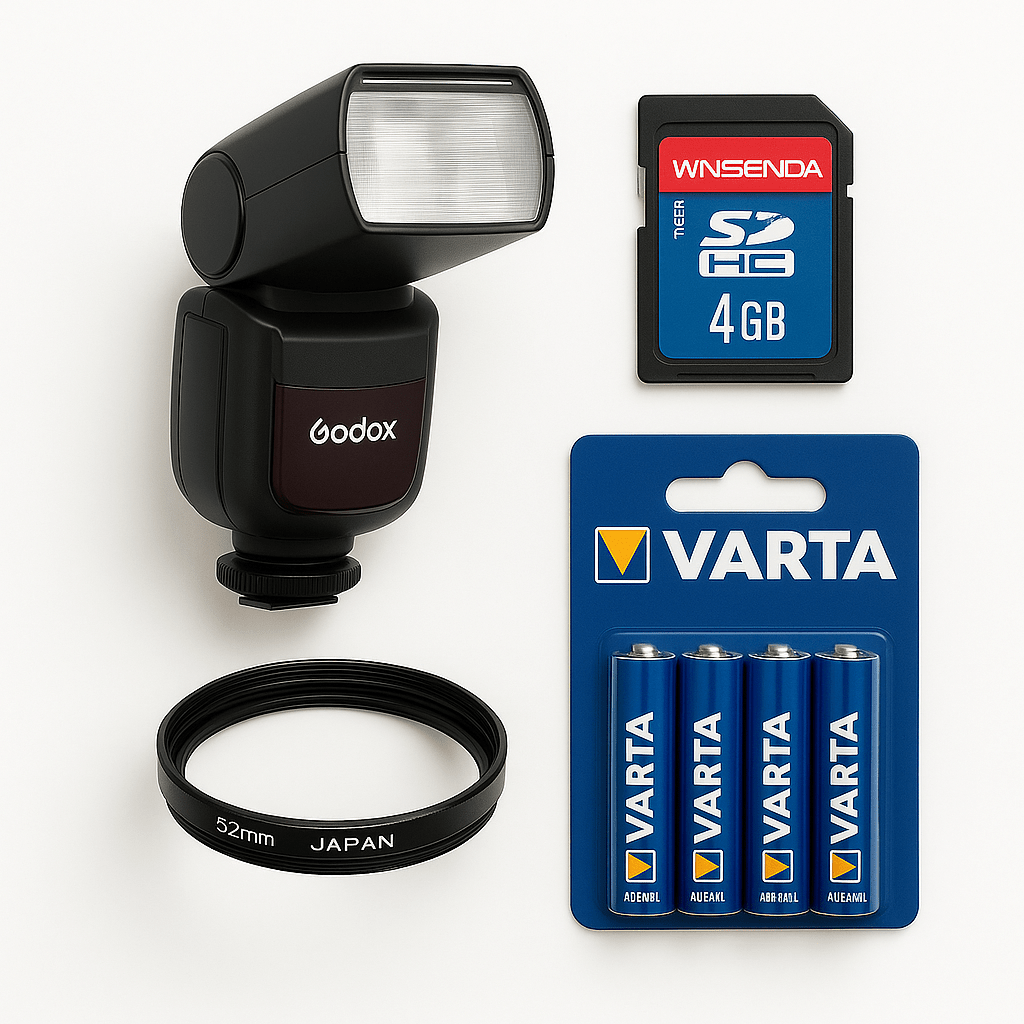
To get the most from this camera in daily use, it helps to build a simple, reliable kit. Consider packing:
- AA NiMH rechargeable batteries
- Protective padded wrist strap
- Film rolls of choice (Color or B&W)
- Film scanning kit (Valoi or Negative Supply)
- Soft camera pouch for daily carry
A comfortable wrist strap makes the Pop feel like a natural extension of your hand, while a soft pouch keeps dust and scratches away when you toss it into a bag. For scanning, a dedicated film scanning kit lets you digitise your negatives at home and share them quickly.
Best film for the Konica Pop
The Pop’s simple exposure system shines with ISO 200 film in daylight. For a classic color look, try:
- Kodak Gold 200 for warm tones and nostalgic contrast.
- Fujicolor C200 for cooler colors and gentle saturation.
If you love black and white, Ilford HP5 is an excellent choice. Its ISO 400 speed gives you more flexibility in mixed light, and it scans beautifully for editing later.
Buying a Konica Pop Second-hand: What to Check
Key points to inspect
Because every Konica Pop has a few decades behind it, careful inspection is essential when buying second-hand. Before committing, check:
- Battery compartment: clean, no corrosion.
- Flash: charges and fires correctly.
- Lens: clear, no internal haze.
- Transport: smooth winding and frame counter reset.
- Seals: replace deteriorated foam.
Many of these issues are fixable, but starting with a clean, well-cared-for body saves time and money. Light seals, for instance, are usually inexpensive to replace and will prevent streaks and fogging on your negatives.
Price expectations in 2025
In 2025, you can expect a working Konica Pop to cost around €40–€80, depending on cosmetic condition and whether the flash has been tested. Bright colors, original straps, and clean bodies often sit at the higher end of that range.
If you’re browsing our selection of analog cameras, look for listings that mention testing with film or at least full functional checks. A slightly more expensive but properly tested camera is usually cheaper in the long run.
Closing Thoughts: The Joy of Imperfect Perfection
The Konica Pop is not about technical perfection. It’s about the joy of carrying a colorful, uncomplicated camera that invites you—and the people you photograph—to relax. A bit of lens flare, some vignetting, a missed focus here and there: these imperfections are part of its charm.
In a world of clinical sharpness and instant previews, the Pop slows you down just enough to notice light, shadow, and fleeting expressions. Whether it’s your first step into film or a playful addition to an existing kit, it remains one of the most approachable ways to experience 35mm photography.
Explore our hand-picked point and shoot selection to find a Konica Pop—or a similar compact—that suits your style and pace of shooting.
FAQs
Is the Konica Pop a good camera for beginners? Yes. Its fixed settings and simple operation make it ideal for newcomers to film. You focus on framing and timing while naturally learning film fundamentals like light, ISO and composition.
What film should I use with the Konica Pop? ISO 200 color film works best for daylight. Try Kodak Gold 200 for warm, nostalgic tones, Fujicolor C200 for cooler balance, or Ilford HP5 if you prefer versatile black and white.
Does the flash still work on old Konica Pop cameras? Often, yes. Insert fresh AA batteries, wait to see if the ready light activates, and then fire a test frame. Always inspect the battery compartment for corrosion before putting the camera into regular use.
How much does a second-hand Konica Pop cost in 2025? Expect to pay around €40–€80 depending on cosmetic condition and whether the flash and transport are fully working. Prioritise cameras that have been tested or film-verified for consistent results.
Ready to start your own Konica Pop story? Browse our curated range of sustainable, second-hand analog cameras and accessories to build a film kit that fits your life.