



A Short Background: From Soviet Industry to Cult Classic
The Helios-44 2/58 started life as a Soviet workhorse lens, copied and adapted from classic Zeiss designs and produced by several factories across the USSR. It was bundled with analog cameras for decades, never intended to be a “cult” object—just a solid everyday 58mm.
What sets the Helios-44 apart today is the very thing that made it “imperfect” by modern standards: its optical quirks. Instead of razor-clean, clinical rendering, you get a swirl of background blur, gentle contrast, and a soft falloff that feels instantly nostalgic.

For many photographers, discovering the Helios-44 is the doorway into the world of vintage glass. It bridges the gap between old Soviet engineering and modern digital creativity in a way that feels both grounded and playful.
The first time I mounted a Helios-style vintage lens on a mirrorless body, I spent an entire afternoon just chasing sunlit leaves and street lights, watching the backgrounds spin into that unmistakable swirl. Everything felt slower, more deliberate—and somehow more fun.
Key Technical Characteristics of the Helios-44 2/58
Core specs and mount
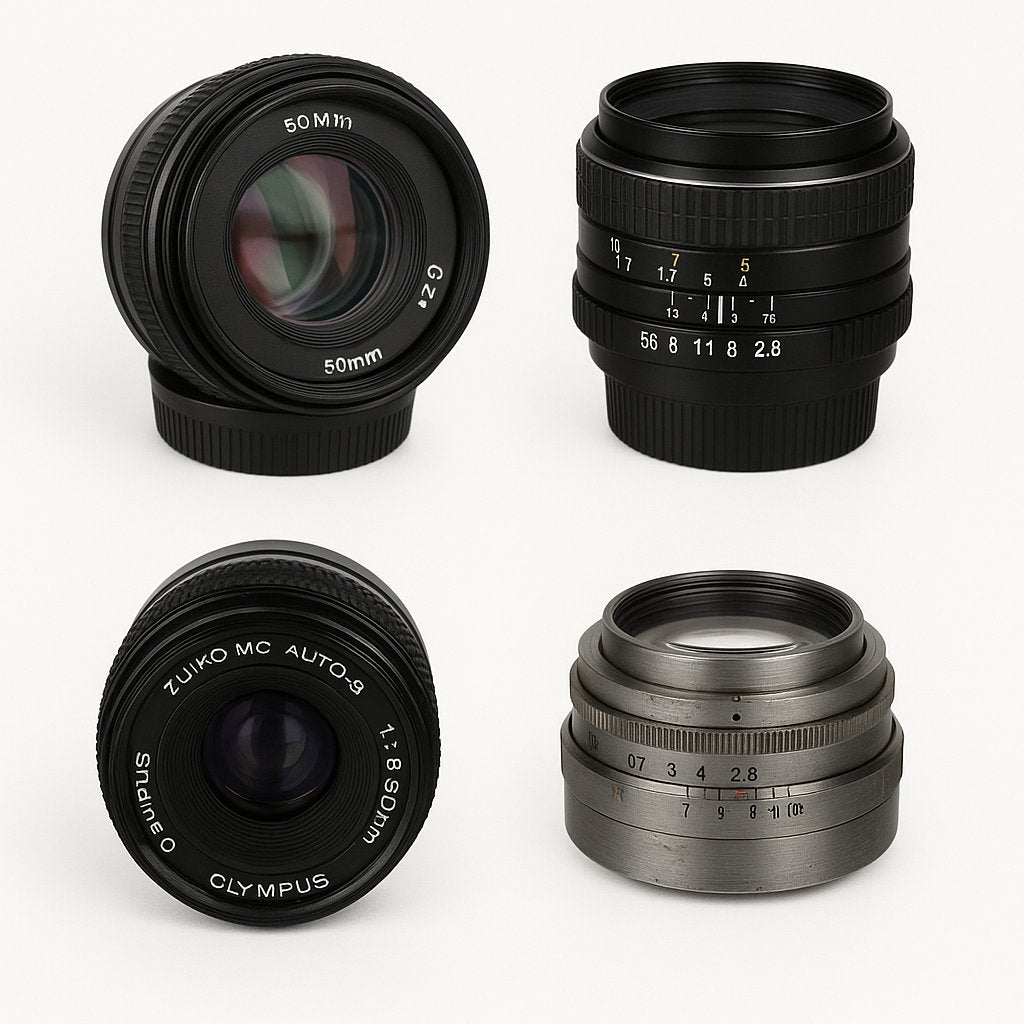
The Helios-44 2/58 is a 58mm prime lens with a maximum aperture of f/2 and an M42 screw mount. This mount was standard on many classic SLRs and adapts very easily to mirrorless systems with a simple mechanical adapter—no electronics needed.
Most versions feature a minimum focus distance of about 0.5 meters, a manual focus ring with a relatively long throw, and a manual or preset aperture ring depending on the exact model (44, 44M, 44-2, etc.).
Swirl bokeh and image rendering
Wide open at f/2, the Helios-44 can produce the famous “swirling bokeh” effect: background highlights appear to curve around the center of the frame, especially with busy foliage or lights behind your subject. Stopping down to f/4–f/5.6 calms the swirl and sharpens the center while keeping a classic, slightly low-contrast signature.
Modern Relevance: How This Vintage Lens Fits 2025 Workflows
On digital mirrorless bodies
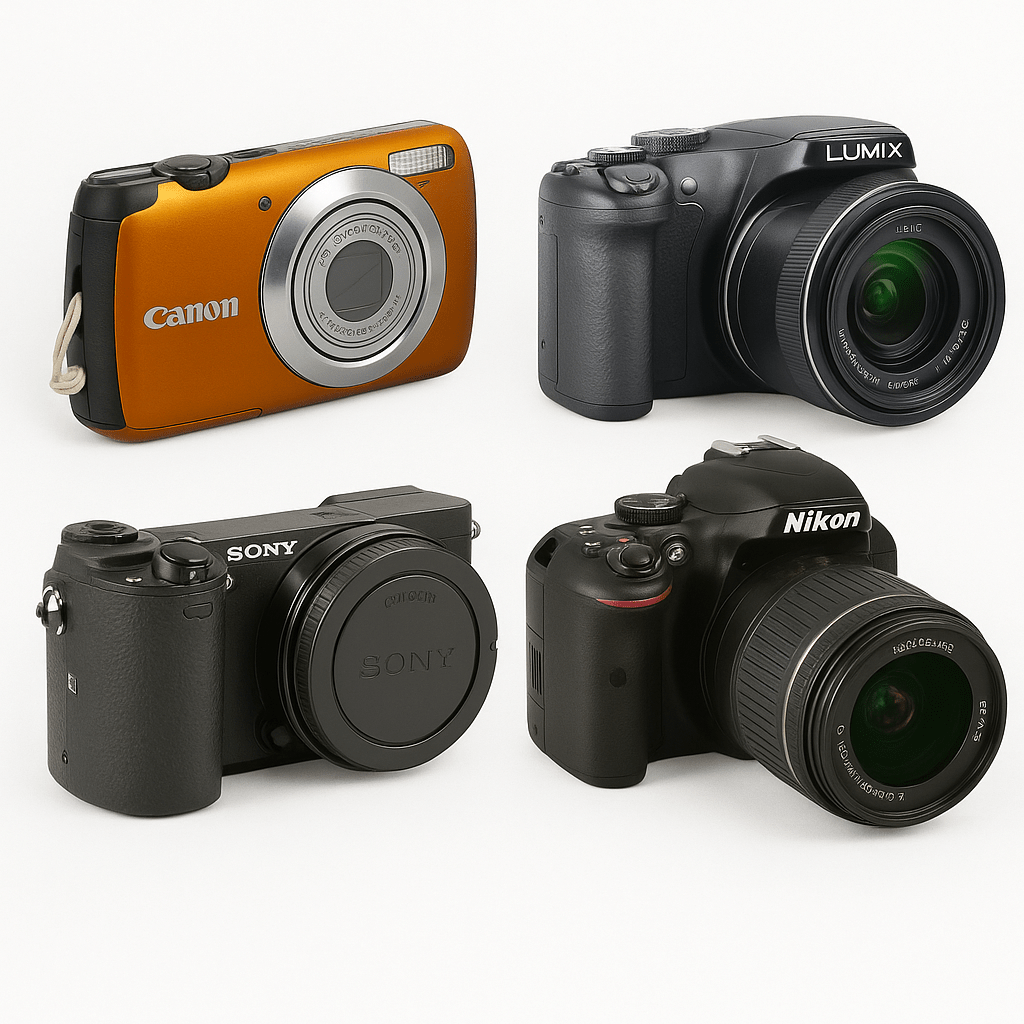
With the right M42 adapter, the Helios-44 mounts easily to most modern mirrorless systems including Sony E, Canon RF, Nikon Z, and Fuji X. On APS-C sensors, it behaves like a short telephoto—great for portraits and detail shots. On full frame, it lives in that sweet spot between normal and short tele.
Focus peaking and magnified live view make manual focusing far easier than it ever was on film SLRs, turning this vintage lens into a practical tool rather than just a display piece.

Creative uses in photography and video
Photographers love the Helios-44 for environmental portraits, dreamy backlit scenes, and detail shots where the subject pops against a whirling backdrop. Filmmakers often use the 44-2 version for its de-clickable aperture and smooth focus, pairing it with other vintage camera lenses to build a small character lens set.
In a 2025 workflow filled with ultra-sharp modern optics, the Helios-44 acts like a filter you cannot replicate in software: it adds micro-flare, gentle glow, and a sense that your images belong to another era.
Techniques to Get the Best Results from the Helios-44
Dialing in focus and bokeh
To get that trademark swirl, place your subject in the center of the frame with a busy, contrasty background behind them. Shoot at f/2 or f/2.8 and stand relatively close to your subject while keeping the background far away. Use your camera’s focus peaking or magnified view to nail critical focus on the eyes.
Managing light and flare
The coatings on Helios-44 lenses vary by production run and age, but most will flare easily compared with modern glass. This can be a feature or a bug. Backlighting can create a soft, cinematic glow around your subject, while a simple lens hood or shaded hand will help maintain contrast when you want a cleaner look.
Essential shooting checklist
When you head out with your Helios-44, use this quick checklist for smooth shooting and creative results:
- ☐ Mount securely with a quality M42 adapter
- ☐ Enable focus assist or peaking on your camera
- ☐ Experiment with backlighting for artistic effects
- ☐ Keep the lens clean and mechanical focus smooth
- ☐ Consider a de-clicked aperture modification for video
- ☐ Test aperture blades for proper operation
- ☐ Verify focus ring movement and sound
- ☐ Examine glass under light for haze or fungus
- ☐ Confirm M42 threads engage smoothly
- ☐ Research the specific model markings (44, 44M, or 44-2)
Buying Used: Smart Tips for Choosing a Helios-44
What to inspect before you buy
Because Helios-44 lenses are decades old, condition matters more than specific production years. Check the glass carefully under a bright light for haze, fungus, or deep scratches. A little dust is normal and usually harmless, but foggy elements or fungus threads can ruin contrast.
Rotate the focus ring from minimum to infinity. It should move smoothly, without grinding sounds or tight spots. Next, test the aperture ring: blades should open and close evenly, with no visible oil. Stiff or oily apertures can lead to inconsistent exposures and may require servicing.
Choosing the right version
There are many Helios-44 variants. The 44-2 version is especially popular with filmmakers thanks to its preset aperture and the ease of de-clicking it for stepless control. Still photographers often choose whichever version they find in the best condition, as the image character remains broadly similar across clean copies.
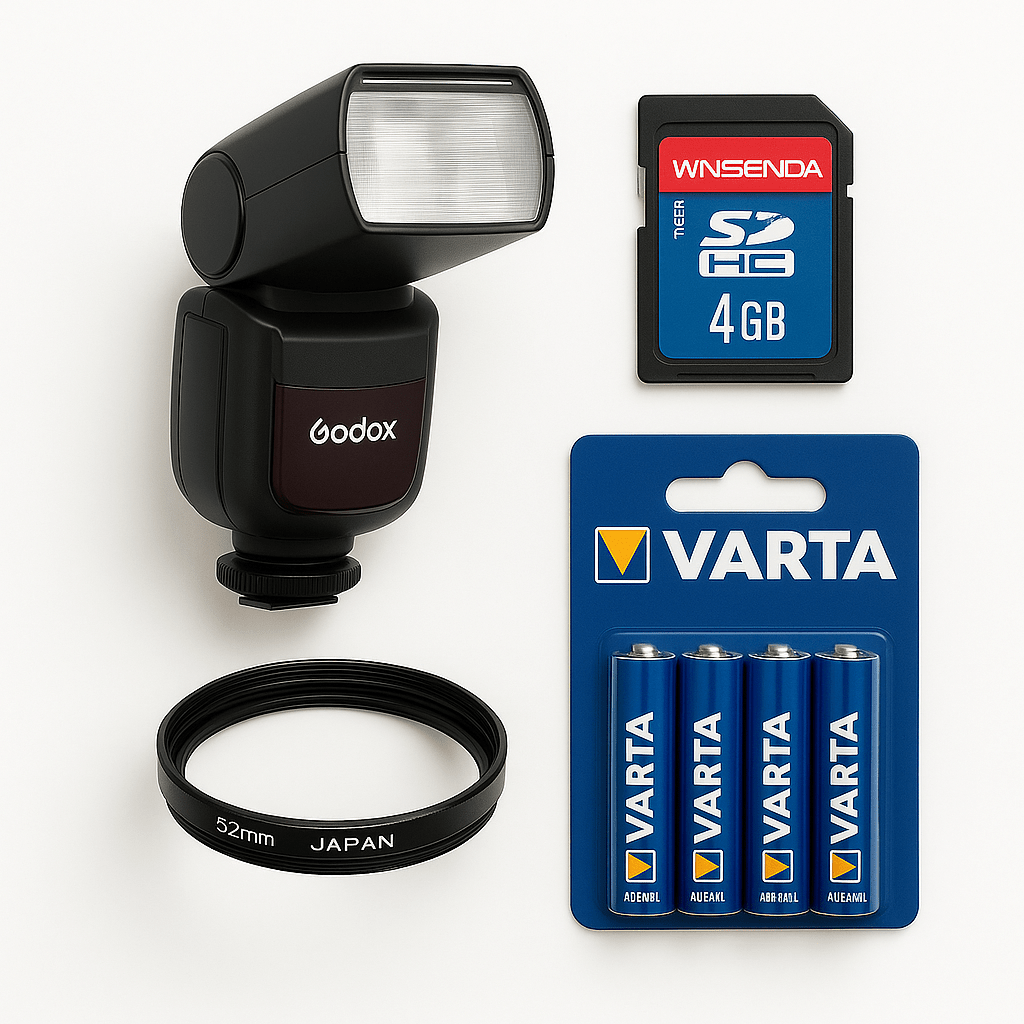
If you prefer to skip the hunt, shopping used through a curated store like DutchThrift can be a more sustainable and reliable way to find a ready-to-shoot Helios-44, often bundled with helpful photography accessories like caps and adapters.
Final Thoughts: A Vintage Tool for Modern Vision
The Helios-44 2/58 is more than a cheap manual lens; it is a creative invitation. Its swirl bokeh, gentle contrast, and hands-on focusing slow you down just enough to notice light, distance, and background in a new way. In a world of perfect autofocus zooms, that slowness can feel surprisingly refreshing.
Mounted on a modern mirrorless body, the Helios-44 becomes a sustainable, second-life tool that bridges analog heritage with today’s digital workflows. Whether you are exploring portraits, cinematic video, or simply want to add character to everyday scenes, this small Soviet classic earns a place in your bag.
FAQs
Is the Helios-44 compatible with modern digital cameras? Yes. With a simple M42 adapter, the Helios-44 fits most mirrorless systems, including Sony E, Canon RF, Nikon Z, and Fuji X. Just remember it remains fully manual for focus and aperture.
What makes the Helios-44 2/58 lens special? Its signature swirling bokeh, vintage rendering, and tactile all-metal build create an analog texture that modern clinical optics rarely match, especially for portraits and dreamy creative shots.
How can I care for an old Helios lens? Store it in a dry place, avoid getting oil on the aperture blades, and clean the optics gently with a blower and microfiber cloth. If the focus helicoid feels stiff, consider a professional service to re-grease it rather than forcing the ring.
Which version of the Helios-44 should I buy? The 44-2 is a favorite for manual aperture control and easy de-clicking for video, but any clean Helios-44 variant performs beautifully. Focus on condition, not just version names.
Ready to explore character lenses like the Helios-44? Browse our curated selection of used camera lenses and photography accessories at DutchThrift and build a sustainable, creative kit with real history.