



Introduction: The Return of the Fujifilm Zoom 60W
The Fujifilm Zoom 60W is one of those quietly brilliant compact film cameras that has found a second life in the hands of today’s creators. With its built-in zoom lens, simple controls and classic Fujifilm styling, it sits in the sweet spot between everyday snapshot camera and creative tool.
In 2025, when film prices are higher and every frame counts, a dependable point and shoot film camera like the Zoom 60W makes a lot of sense. It lets you focus on moments, not menus, while still giving you enough flexibility to shoot everything from street scenes to travel portraits.
My first roll on a film camera wasn’t perfect—blurred frames, missed focuses, odd exposures—but every image felt intentional. What drew me to analog over digital was that rhythm: the pause before pressing the shutter, the mystery of waiting for the lab results, and the feeling that each photograph was an object, not just a file.
A Brief History: Fujifilm’s Compact Innovation Era
The Zoom 60W comes from Fujifilm’s era of rapid innovation in compact 35mm cameras. Throughout the 1990s and early 2000s, Fujifilm built a reputation for practical, feature-rich cameras designed for everyday photographers who still wanted quality glass and dependable automation.
While some premium compacts focused on fast prime lenses and full manual control, the Zoom 60W leaned into ease of use. Autofocus, auto-exposure and motorised film advance placed it firmly in the “take it everywhere” category—ideal for holidays, family events and casual street photography.

Today, that same simplicity is exactly what appeals to film newcomers and digital natives alike. Instead of getting lost in options, you get a straightforward tool that still carries the charm of mechanical film transport and the look of real grain.
Technical Highlights That Still Matter
Automatic Exposure and Autofocus
The Fujifilm Zoom 60W is fully automatic, which means it meters light, sets exposure and focuses for you. For most users, this translates into fewer missed shots, especially in fast-moving situations or when you are still learning how film behaves.
Zoom Lens and Everyday Versatility
The integrated zoom lens makes the Zoom 60W more flexible than fixed-lens compacts. You can frame wide scenes, group shots and tighter portraits without changing cameras. While it may not match a professional SLR lens, its output is more than good enough for scans, social media and small to medium prints.
Built-in Flash and LCD
The built-in flash is useful for indoor gatherings or filling in shadows outdoors. The top LCD adds convenience: you can track frame count, flash modes and other basic settings at a glance, which is helpful when you are shooting on the go.
- ✔ Use ISO 400 film for versatility.
- ✔ Keep a spare CR123A battery handy.
- ✔ Clean lens and viewfinder regularly.
- ✔ Store in a dry, padded pouch.
- ✔ Test zoom movement and lens clarity.
- ✔ Check LCD contrast and buttons.
- ✔ Inspect for corrosion in battery compartment.
- ✔ Ensure flash fires correctly.
Why It Fits Modern Creators in 2025
Film Aesthetics Without the Learning Curve
For 2025 creators who mainly shoot digital, the Zoom 60W offers authentic film aesthetics with almost zero technical friction. No worrying about shutter speeds or apertures—just compose, half-press to focus and shoot. The camera handles the rest, giving you consistent negatives to scan and share.
Compact Enough for Everyday Carry
The Zoom 60W is light and compact enough to live in your bag or jacket pocket. That makes it a perfect companion to your main digital setup. Use your phone or mirrorless for work; use the Fujifilm for personal, slower moments that deserve grain and unpredictability.

Perfect for Scanning and Sharing
Once developed, negatives from the Zoom 60W scan beautifully. Ask your lab for high-resolution scans, then tweak contrast and color digitally. The workflow bridges the tactile joy of film with the instant sharing culture of 2025.
Accessories and Workflow Essentials
What to Carry With Your Zoom 60W
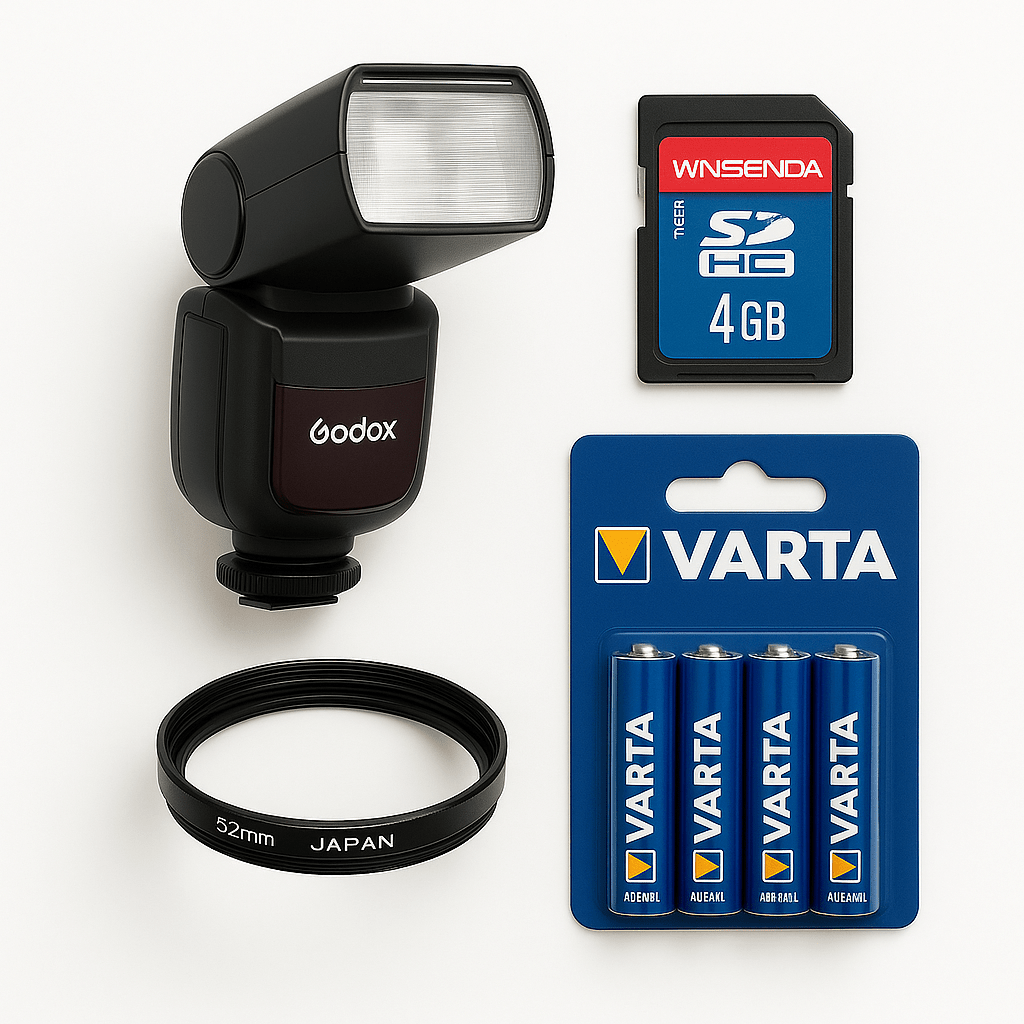
A minimal but smart kit will make your experience smoother and extend the life of your camera. At the very least, consider a padded case, spare batteries and a small cleaning cloth.
Because the Zoom 60W uses CR123A batteries, having a spare in your bag avoids unpleasant surprises halfway through a roll. A dry, padded pouch keeps dust and minor knocks at bay when you toss it into your backpack.
Complementary Gear for Creators
To round out your setup, browse our selection of practical photography accessories. Simple additions like straps, mini tripods and film cases make shooting more enjoyable and organised.
Buying Second-Hand: What to Check
Essential Functional Checks
Second-hand cameras are sustainable and budget-friendly, but they do require a bit of inspection. When evaluating a Fujifilm Zoom 60W, work through a simple checklist:
- Insert a fresh CR123A battery and ensure the camera powers on reliably.
- Test the zoom from wide to telephoto; it should move smoothly without grinding noises.
- Half-press the shutter to confirm autofocus locks; then take a test shot to check shutter response.
- Activate the flash and confirm it charges and fires correctly.
- Check the LCD for clear contrast, readable icons and fully functioning buttons.
Cosmetic and Optical Condition
Next, look at the lens and body. The lens should be free from deep scratches, haze and fungus. Minor cleaning marks are common on used cameras and usually do not affect everyday photos. Inspect the viewfinder for dust and clarity—it does not affect the image on film, but a clean finder makes composing more pleasant.
Open the back and inspect the film compartment and pressure plate. The film path should be clean, with intact felt light seals and no rust.
Battery Compartment and Corrosion
Finally, open the battery compartment. Any sign of white powder, green residue or rust indicates past battery leakage. Light corrosion can sometimes be cleaned; heavy damage is a red flag.
Conclusion: The Zoom 60W’s Enduring Charm
The Fujifilm Zoom 60W earns its place among modern film shooters not by being flashy, but by being quietly dependable. It slips into your bag, turns on without fuss and delivers roll after roll of consistent, characterful images.
For beginners, it is a forgiving entry into analog. For seasoned photographers, it is a relaxed companion to more complex gear. Either way, this compact film classic proves that you do not need the newest camera to tell fresh stories—just a solid tool and a roll of film.
FAQs
Is the Fujifilm Zoom 60W good for beginners? Yes. Its full auto-exposure and autofocus make it ideal for users new to 35mm film, with minimal settings and intuitive shooting.
What film works best in the Fujifilm Zoom 60W? ISO 400 color or black-and-white films provide balanced results for most lighting; Fujifilm Superia, Kodak Ultramax or Ilford HP5+ are reliable options.
Where can I develop and scan film from this camera? You can use commercial labs or a home development setup. Ask for high-resolution scans for easy editing and online sharing.
What should I check before buying a second-hand Zoom 60W? Ensure the zoom, flash, LCD and film transport all work smoothly, and verify a clean lens plus a corrosion-free battery compartment.
Ready to explore film for yourself? Discover more carefully inspected analog cameras and budget-friendly point and shoot film cameras at DutchThrift, and build a sustainable setup that fits your style.