



A Brief Look Back: The Story Behind the Fujifilm DL-1000 Zoom
The Fujifilm DL-1000 Zoom belongs to a generation of compact 35mm analog cameras that made film photography truly effortless. In the late film era, Fujifilm focused on practical, everyday cameras that could live in a jacket pocket yet deliver consistent results. The DL-1000 Zoom is a product of that philosophy: simple controls, reliable automation, and a zoom lens that covered most daily situations.
While it never tried to be a professional tool, it quietly documented holidays, birthday parties, and street scenes across the world. Today, as film enjoys a revival, the DL-1000 Zoom has become appealing again—especially for photographers who want a no-fuss way to experience 35mm.

The first time I used an automatic film camera, I remember the shock of hearing the motor quietly advance the film for me. Suddenly I was free from worrying about winding, exposure, or missing a frame. That small shift—trusting the camera with the technical part—let me pay attention to light, expression, and timing instead. It changed my approach from “getting it right” to simply being present.
Key Features That Define the DL-1000 Zoom Experience
Automatic 35mm point-and-shoot simplicity
The DL-1000 Zoom is designed for “load, point, shoot.” Autofocus, exposure, flash metering, and film advance are handled automatically. This makes it especially attractive if you want to enjoy film without a steep learning curve or constant metering decisions.
Versatile zoom lens
Unlike fixed-lens compacts, the DL-1000 Zoom offers a variable focal length suitable for portraits, city walks, and casual travel. You can frame a wide street scene or zoom in slightly for a tighter, more intimate portrait—all without changing lenses.

Battery-powered reliability
Depending on the version, the Fujifilm DL-1000 Zoom runs on either standard AA batteries or a compact CR123A cell. Both are easy to find and provide enough power for multiple rolls, including flash-heavy shooting.
Film compatibility
The camera supports DX-coded 35mm color or black-and-white films from ISO 100 to 400, with some variants allowing manual selection up to ISO 1600. That covers everything from consumer color film to faster stocks for low light or indoor events.
Modern Use Cases: Why It Still Matters in Analog Photography
A gateway into film for beginners
The DL-1000 Zoom is well-suited to newcomers who want to dip a toe into film without learning shutter speeds and apertures from day one. Its full automation lets you focus on composition, timing, and storytelling while still enjoying the look and feel of 35mm negatives.
Everyday documentary tool
For more experienced photographers, this camera shines as an “always with you” companion. It works beautifully for casual street photography, visual diaries, or travel postcards—moments that don’t require the weight or complexity of a big SLR.
Intentional slow photography
With 24 or 36 exposures per roll, the DL-1000 Zoom encourages selective shooting. You’ll likely think twice before pressing the shutter, making each frame a small commitment. That slower pace is part of the charm and one reason compact point-and-shoot cameras remain relevant.
Buying Used: How to Find a Reliable Fujifilm DL-1000 Zoom
Core checks before you commit
Because the DL-1000 Zoom relies on electronics and motorized parts, a careful inspection is worth your time. When browsing used listings or in-person stock, run through this quick checklist:
- Check autofocus lock and zoom smoothness.
- Verify flash operation by testing charge time.
- Ensure film transport works during loading and rewind.
- Examine battery terminals for corrosion.
- Inspect camera seals and battery door for damage.
Why battery and film transport matter most
Healthy battery contacts and a strong motor are essential. Corroded terminals can lead to unreliable performance, especially for autofocus and film advance. Likewise, a weak transport mechanism can scratch film or fail mid-roll, costing you images and money.
Expected price range
On the used market, a Fujifilm DL-1000 Zoom typically costs between $30–80, depending on cosmetic condition and tested functionality. Prioritize fully working units with clear glass, clean battery compartments, and responsive flash rather than simply chasing the lowest price.
Creative Workflows and Accessory Tips
Building a simple analog kit
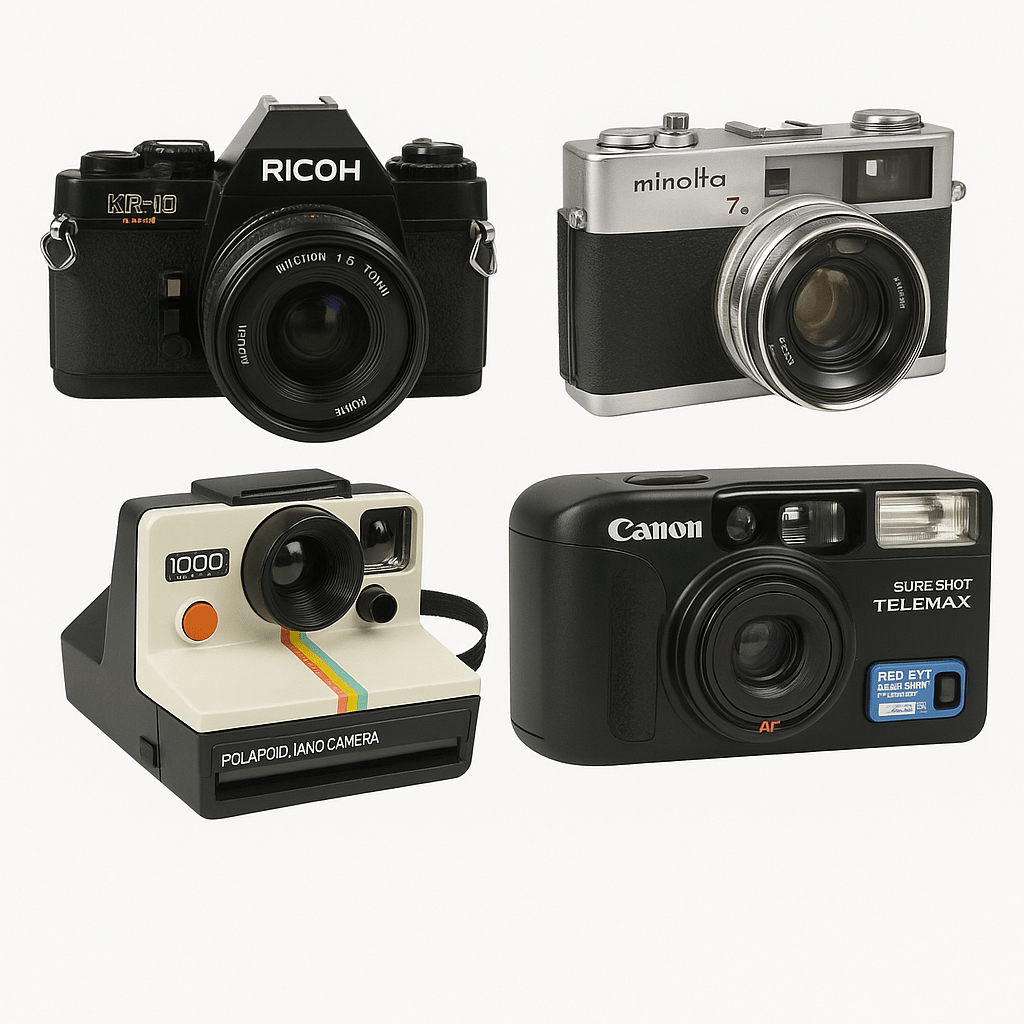
One strength of the DL-1000 Zoom is how little it needs. Combine it with a couple of favorite 35mm films and a small pouch, and you have a complete setup. For more flexibility, consider pairing it with other point and shoot cameras with different focal lengths or looks.
Recommended accessories
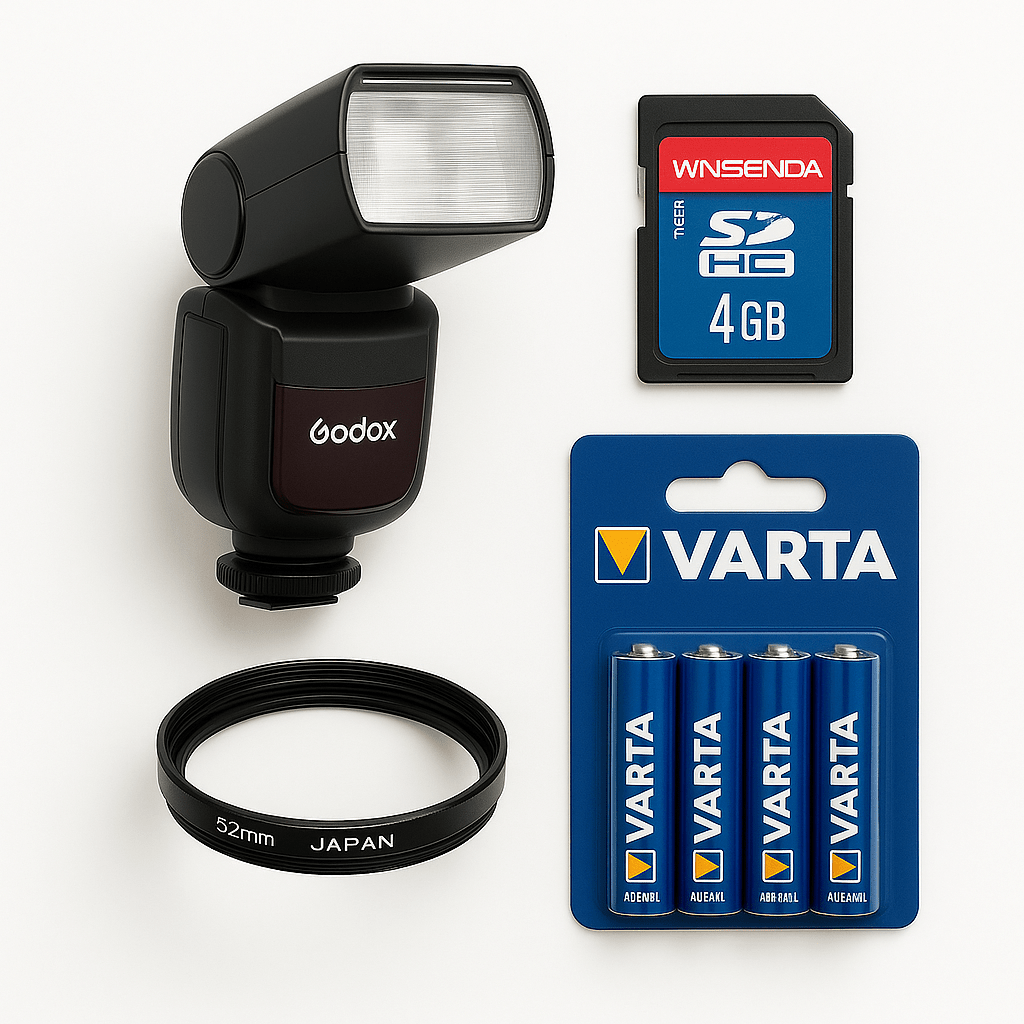
Even a basic compact camera benefits from a few thoughtfully chosen extras. A comfortable wrist strap, a soft pouch, and a small blower or cloth for the lens will keep the DL-1000 Zoom ready for daily use. Spare batteries are essential if you plan to rely heavily on flash.
Explore second-hand photography accessories such as camera bags, straps, and cleaning tools to build a sustainable, budget-friendly kit.
Creative shooting ideas
To get the most from the zoom lens, try giving yourself small assignments: a day shooting only at the widest setting, another day favoring the longer end for portraits or candid details. Experiment with high-ISO film for night walks, or stick to ISO 200 color film for sunny weekends and travel.
Conclusion: Capturing Intentional Moments with the DL-1000 Zoom
The Fujifilm DL-1000 Zoom is not about technical bragging rights. It is about quiet reliability, straightforward operation, and the simple pleasure of carrying a film camera that just works. For beginners, it offers a gentle introduction to analog photography. For more experienced shooters, it provides a relaxed, intentional way to document everyday life.
If you value sustainability, buying this camera second-hand extends its life and keeps it doing what it was made for: recording real, unrepeatable moments on 35mm film. Load a roll, trust the automation, and let the DL-1000 Zoom turn small slices of your day into lasting negatives.
FAQs
What type of batteries does the Fujifilm DL-1000 Zoom use? It runs on either AA or CR123A batteries, depending on the model version. Use fresh batteries for consistent autofocus, flash, and film transport performance.
Is the DL-1000 Zoom suitable for beginners? Yes. The camera’s full automation makes it perfect for those starting with film photography—just load, point, and shoot.
Does the Fujifilm DL-1000 Zoom work with any 35mm film? It supports DX-coded 35mm color or black-and-white films from ISO 100 to 400, with some variants allowing manual selection up to ISO 1600.
How much should I expect to pay for a used Fujifilm DL-1000 Zoom? Typically between $30–80, depending on cosmetic condition and tested functionality. Prioritize fully working units with clear glass and a clean battery compartment.
Ready to explore more film options around the Fujifilm DL-1000 Zoom? Browse our curated selection of analog cameras, discover other compact point and shoot cameras, and complete your kit with sustainable photography accessories.