



A Snapshot of the Fujifilm DL-1000 ZOOM Legacy
The Fujifilm DL-1000 ZOOM comes from the golden age of 1990s point-and-shoot cameras, when film photography was effortless, spontaneous, and made for everyday life. It was designed as an easy, fully automatic compact: you drop in a roll of 35mm film, close the back, and let the camera handle the rest.
Unlike many simple fixed‑lens compacts from the same era, the DL-1000 ZOOM adds a motorized zoom lens and a built‑in flash, making it a flexible little travel companion. Families used it for holidays, students for nights out, and hobbyists for low‑stress snapshots long before smartphone cameras were a thing.

Today, this camera sits in a sweet spot: simple enough for beginners, but with enough character and quirks to keep experienced film lovers interested. Its images feel unmistakably “film” — gentle contrast, slightly soft corners, and that nostalgic flash look that instantly transports you back a few decades.
Technical Overview: What You Get in the DL-1000 ZOOM
Core features at a glance
While exact specifications can vary slightly between regions and production runs, the Fujifilm DL-1000 ZOOM typically offers:
- 35mm film format with automatic film loading, advance, and rewind
- Motorized zoom lens (short telephoto range for portraits and details)
- Built‑in flash with auto mode for low‑light scenes
- Autofocus for worry‑free snapshots
- DX code reading to set film speed automatically
- Simple LED indicators in the viewfinder
- Powered by a single CR123A lithium battery
Handling and design
The plastic body keeps weight low, making it easy to carry in a small bag or coat pocket. Controls are deliberately minimal: a shutter button, zoom rocker, and a few small buttons or switches for flash and basic settings. This is a camera built for reacting to moments, not fiddling through menus.

Modern-Day Relevance for Film Shooters
Why the DL-1000 ZOOM still makes sense
In 2025, the Fujifilm DL-1000 ZOOM remains a practical option for anyone who wants the film look without the complexity of manual cameras. Its autofocus, motorized film handling, and reliable flash make it ideal for casual everyday photography, parties, and travel.
With fresh CR123A batteries and a properly working zoom, the camera is surprisingly dependable. The automation means you can concentrate on composition and timing instead of technical settings, which is especially appealing if you are transitioning from smartphone photography to film.
The emotional side of shooting film
The first time you shoot a roll on a 90s point‑and‑shoot, the biggest surprise is the waiting. You drop your roll off, spend days wondering if you messed something up, and then finally flip through prints that feel both imperfect and magical — a slower rhythm that makes each frame matter.
How to Get the Most from the DL-1000 ZOOM
Practical shooting tips
To make this little Fujifilm compact shine, a few habits go a long way:
- Load film properly and let auto-advance finish before opening back.
- Use ISO 200 or 400 film in changing light.
- Keep the zoom near midrange for sharpest images.
- Rely on flash for indoor or shady scenes.
- Check battery health before every roll.
- Inspect battery compartment for corrosion.
- Confirm motorized film advance and rewind work.
- Test autofocus and flash charge.
- Avoid units with zoom motor failure.
- Prioritize listings marked 'tested with film.'
Sticking to ISO 200–400 film strikes a great balance between grain and versatility. Stocks like Kodak Gold, Kodak ColorPlus, or Ilford HP5+ offer plenty of latitude for the camera’s automatic exposure to do its job.
Pairing with the right accessories
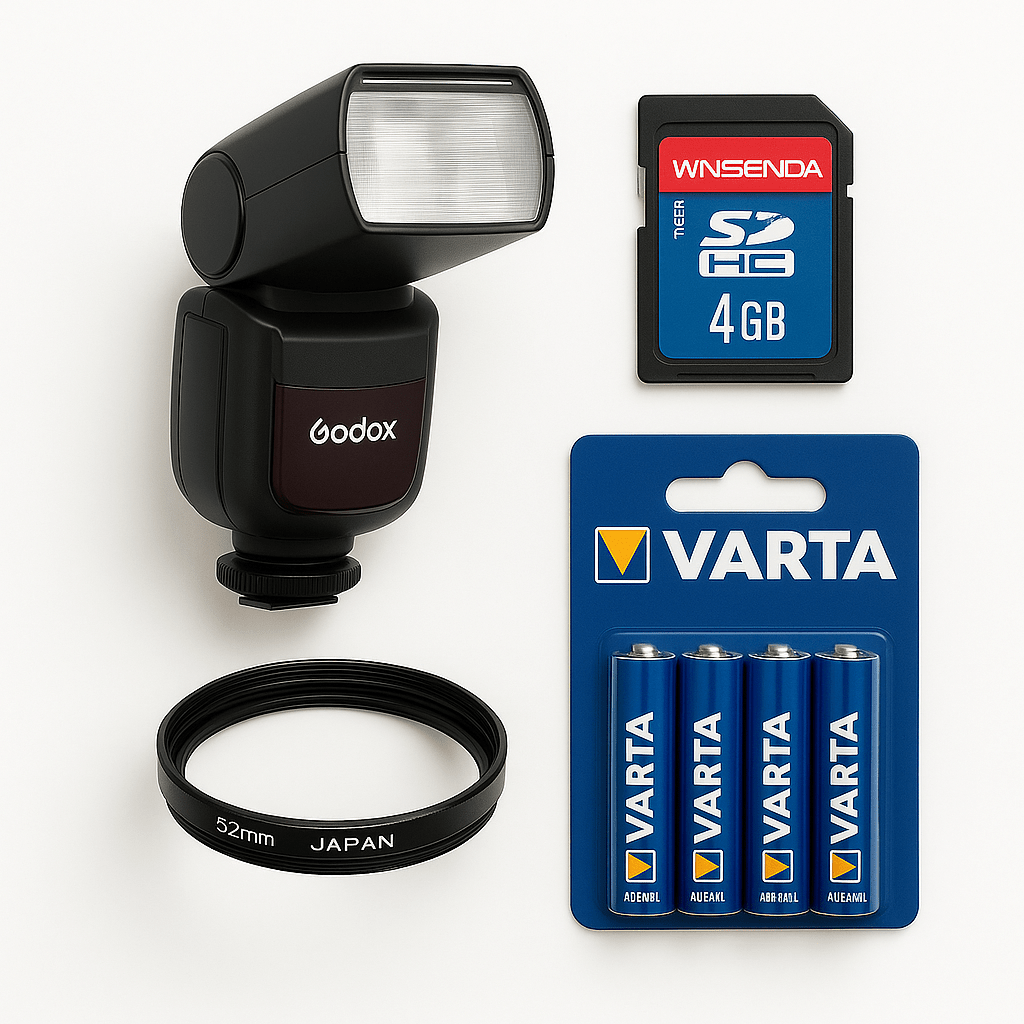
A small padded pouch, a wrist strap, and a simple lens cloth are enough to keep the DL-1000 ZOOM protected and ready. Browse reusable straps, cases, and more in our curated photography accessories selection.
Buying the Fujifilm DL-1000 ZOOM Second-Hand
What to check before you buy
As with any 1990s electronic point‑and‑shoot, careful inspection is essential. When you are evaluating a listing or testing a camera in person, pay attention to:
- Overall cosmetic condition: cracks, heavy scratches, missing rubber parts.
- Battery compartment: look for clean contacts with no green or white corrosion.
- Shutter and advance: does the camera wind on and fire consistently?
- Autofocus: half‑press the shutter to confirm focus lock indicators work.
- Flash: ensure it charges and fires reliably.
- Zoom lens: the zoom should extend and retract smoothly without grinding or getting stuck.
Whenever possible, choose a body that has been tested with film rather than one described as “untested” or “for parts.” This greatly reduces surprises after your first roll.
Why buy used from a specialist
Buying second‑hand from a dedicated analog shop helps you avoid the most common pitfalls of age‑related failures. At DutchThrift.com, cameras are checked for key functions like advance, rewind, flash, and battery integrity. This extends the life of existing gear and keeps more electronics out of landfill, all while letting you enjoy real film photography for a fraction of the cost of going new.
If you want to explore similar options, take a look at our wider range of analog cameras and compact point-and-shoot cameras.
Final Thoughts: Simple, Characterful Film Joy
The Fujifilm DL-1000 ZOOM is not a precision professional tool, and that is exactly its charm. It is a small, approachable camera that invites you to shoot freely, enjoy imperfections, and rediscover how satisfying it is to wait for your prints.
For beginners, it offers an easy, low‑stress entry into 35mm photography. For seasoned shooters, it can be a refreshing antidote to complex gear — a reminder that some of the most memorable photos come from the simplest cameras.
If you are looking for an affordable, characterful compact that turns everyday life into nostalgic film frames, a well‑kept DL-1000 ZOOM is a smart, sustainable choice.
FAQs
Is the Fujifilm DL-1000 ZOOM still reliable for shooting film in 2025? Yes. With proper care and fresh CR123A batteries, it remains dependable for casual everyday use.
What type of film works best with the DL-1000 ZOOM? ISO 200–400 color or black‑and‑white film stocks perform best — such as Kodak Gold or Ilford HP5+.
How much should I pay for a used Fujifilm DL-1000 ZOOM? Expect $25–60 USD depending on cosmetic condition and whether it has been tested with film.
Does the DL-1000 ZOOM need special batteries? It uses a common CR123A lithium cell, still widely available online and in camera stores.
Ready to start (or restart) your film journey? Explore curated, second‑hand analog cameras, compact point-and-shoot cameras, and essential photography accessories at DutchThrift.com.