



Meet the Fujica 250: A Compact Classic from the 1960s
The Fujica 250 is a 35mm point & shoot film camera from the 1960s that captures the essence of straightforward photography. No screens, no menus, no autofocus beeps—just a compact metal body, a fixed lens, and a simple shutter mechanism that still works beautifully when cared for.
Designed for everyday snapshots in its time, the Fujica 250 now appeals to film photographers who want a slower, more intentional way of shooting. It fits naturally in a jacket pocket or small bag, making it a strong companion alongside more advanced analog cameras you might already own.

Design and Build: Simple, Metal, and Long-Lasting
Compact metal body, classic ergonomics
The Fujica 250 was built in an era when even “consumer” cameras were made to last. Its body combines metal with durable plastics, giving it a reassuring weight without feeling heavy. Controls are intentionally sparse: you’ll typically find the shutter release, film advance, rewind, and a simple exposure system driven by a selenium light meter.
There are no batteries to worry about for core operation. The mechanical leaf shutter is self-contained and can function for decades with only basic care and occasional servicing.
Lens and viewfinder experience
While exact lens specifications vary slightly between production runs, the Fujica 250 typically carries a fixed lens optimized for everyday scenes: family portraits, street life, and travel details. The viewfinder is bright and uncluttered, ideal for new film shooters getting used to framing without overlays.

Using the Fujica 250 in 2025: Analog Creativity Without Distraction
Shooting without a screen
The first time I shot a full day with a camera like the Fujica 250—no screen, no instant review—I noticed how quickly my attention shifted. Instead of checking each frame, I watched the light change on people’s faces, listened for small moments of laughter, and anticipated movement. When the scans came back, the photos felt more cohesive and intentional, as if my focus had moved from perfection to presence.
This is where the Fujica 250 shines in modern photography. Without a digital display to distract you, you’re encouraged to trust your instincts, commit to your composition, and accept a bit of unpredictability.
Exposure and metering today
If the selenium meter is still functional, you can rely on it for quick, approximate exposure. If not, pairing the Fujica 250 with a simple phone light meter app or handheld meter keeps shooting simple and consistent. Once you get used to reading light, you may find you rarely need to meter at all in familiar conditions.
Buying a Second-Hand Fujica 250: What to Check Before You Commit
Essential inspection checklist
Any vintage camera benefits from a careful inspection before you bring it into regular use. When you’re considering a Fujica 250, pay particular attention to the following:
- Confirm selenium light meter movement under light.
- Test shutter speeds for consistency.
- Inspect lens for haze or fungus.
- Check viewfinder clarity and light seals.
- Look for corrosion or wear inside the film compartment.
If possible, dry-fire the shutter at each speed and listen for obvious delays or sticking. Open the back, advance the film lever, and make sure everything moves smoothly without grinding or excessive resistance.
Why second-hand is a smart choice
Buying a Fujica 250 second-hand keeps a well-designed tool in use and out of landfill, making it a sustainable alternative to disposable, battery-hungry cameras. At DutchThrift.com, bodies are inspected and test-shot where possible, so you can focus on creating images instead of hunting for hidden issues.
Recommended Films, Accessories, and Workflows
Film stocks that suit the Fujica 250
The Fujica 250 uses standard 35mm film, which is widely available and easy to develop worldwide. A few versatile choices:
- Color film: Everyday stocks like Kodak Gold or cinematic-leaning options such as CineStill work beautifully for casual shooting, travel, and portraits.
- Black-and-white film: Ilford FP4+ delivers fine grain and classic tonality, while Kodak Tri-X offers higher contrast and more grit for street photography.
Accessories to enhance your experience
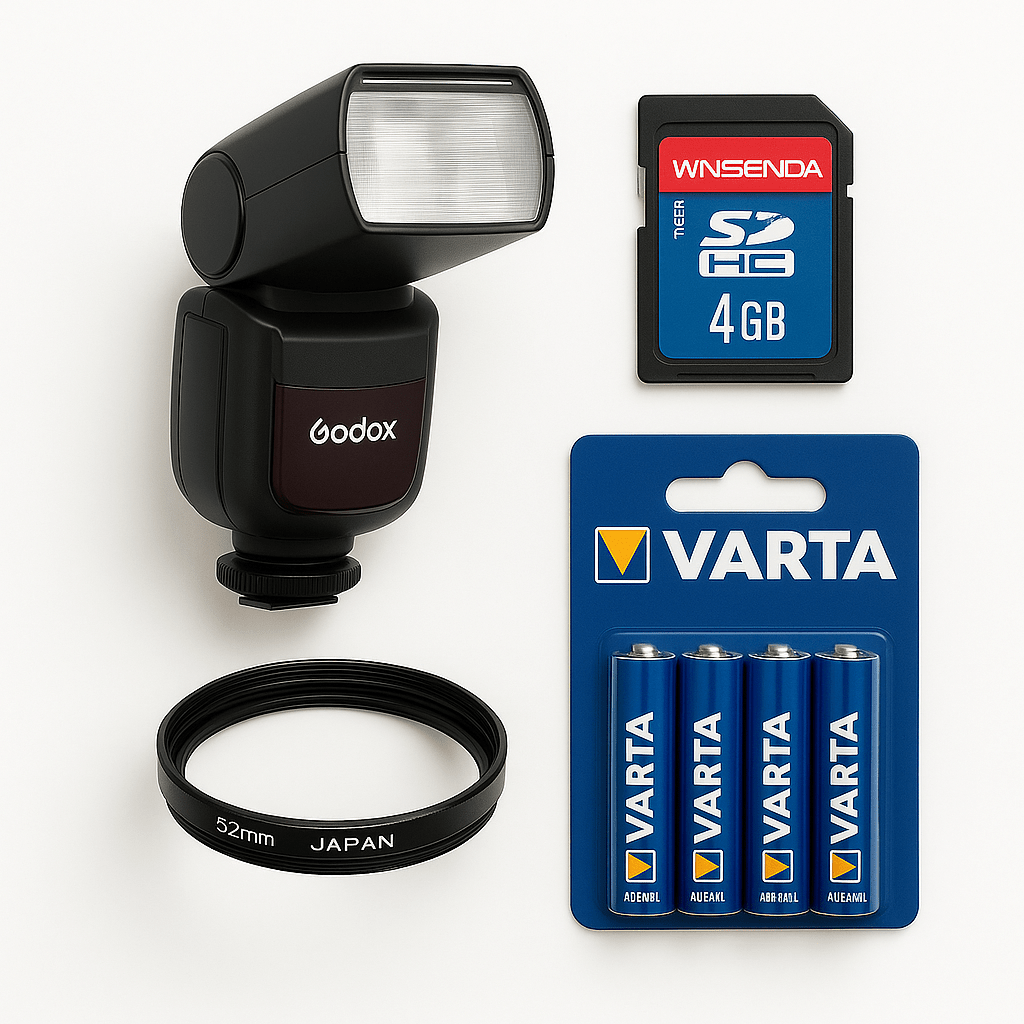
While the Fujica 250 is a self-contained camera, a few simple accessories from our photography accessories collection make shooting smoother:
- A comfortable camera strap or wrist strap for all-day carry.
- A compact light meter or reliable meter app on your phone.
- A small case to protect the camera in your bag.
Simple workflow from shot to scan
A timeless Fujica 250 workflow could look like this:
- Load a single film stock and rate it at box speed.
- Use the meter (camera, phone, or handheld) for the first few frames of each lighting scenario.
- Finish the roll within a week or two so you remember the conditions.
- Send the film to a lab or home-develop if you’re ready to experiment.
- Review scans, compare them to your notes, and adjust your exposures next roll.
Why the Fujica 250 Still Matters
In a world of autofocus bursts and 8K video, the Fujica 250 offers something refreshingly different: a calm, tactile way to make photographs. Its mechanical simplicity encourages you to slow down, think about light, and accept small imperfections as part of the process.
For beginners, it’s a gentle introduction to exposure and composition. For experienced photographers, it’s a pocket-sized reminder that great images don’t require complex gear. And for anyone interested in sustainability, choosing a second-hand Fujica 250 extends the life of a well-made tool instead of consuming another new device.
If you’re curious about building a small, reliable film setup, explore our curated point and shoot collection alongside other characterful analog cameras that pair well with the Fujica 250.
FAQs
Is the Fujica 250 reliable for everyday shooting? Yes, if properly maintained. Its fully mechanical design and simple leaf shutter can stay reliable for decades with basic care and occasional servicing.
What to do if the selenium light meter no longer works? You can keep using the camera mechanically and rely on a phone-based or handheld light meter app to set your exposure manually.
What type of film should I use in the Fujica 250? The camera takes standard 35mm film. Color stocks such as Kodak Gold or CineStill work well; for black and white, Ilford FP4+ or Kodak Tri-X give rich tonal depth and classic grain.
Can the Fujica 250 be repaired if the shutter sticks? Often yes. A professional CLA (clean, lubricate, adjust) service will usually restore smooth, consistent shutter operation.
Ready to explore film photography with a smaller environmental footprint? Discover second-hand Fujica cameras, classic compacts, and essential accessories across our analog cameras, point and shoot collection, and photography accessories at DutchThrift.com.