



Why a Simple Lens Adapter Still Matters Today
In a world of ultra-fast autofocus and touchscreen everything, a metal ring like the FOTGA Nikon AI to Micro 4/3 adapter looks almost too simple. Yet this tiny piece of gear quietly solves a big problem: how to enjoy the character of classic Nikon AI lenses on compact, modern Micro Four Thirds cameras.
For photographers and filmmakers who love reusing and repurposing gear, adapters are the missing link. They extend the life of lenses that might otherwise gather dust, and they let you build a distinctive look without buying new glass. Instead of another plastic zoom, you get decades-old craftsmanship with a modern digital sensor behind it.
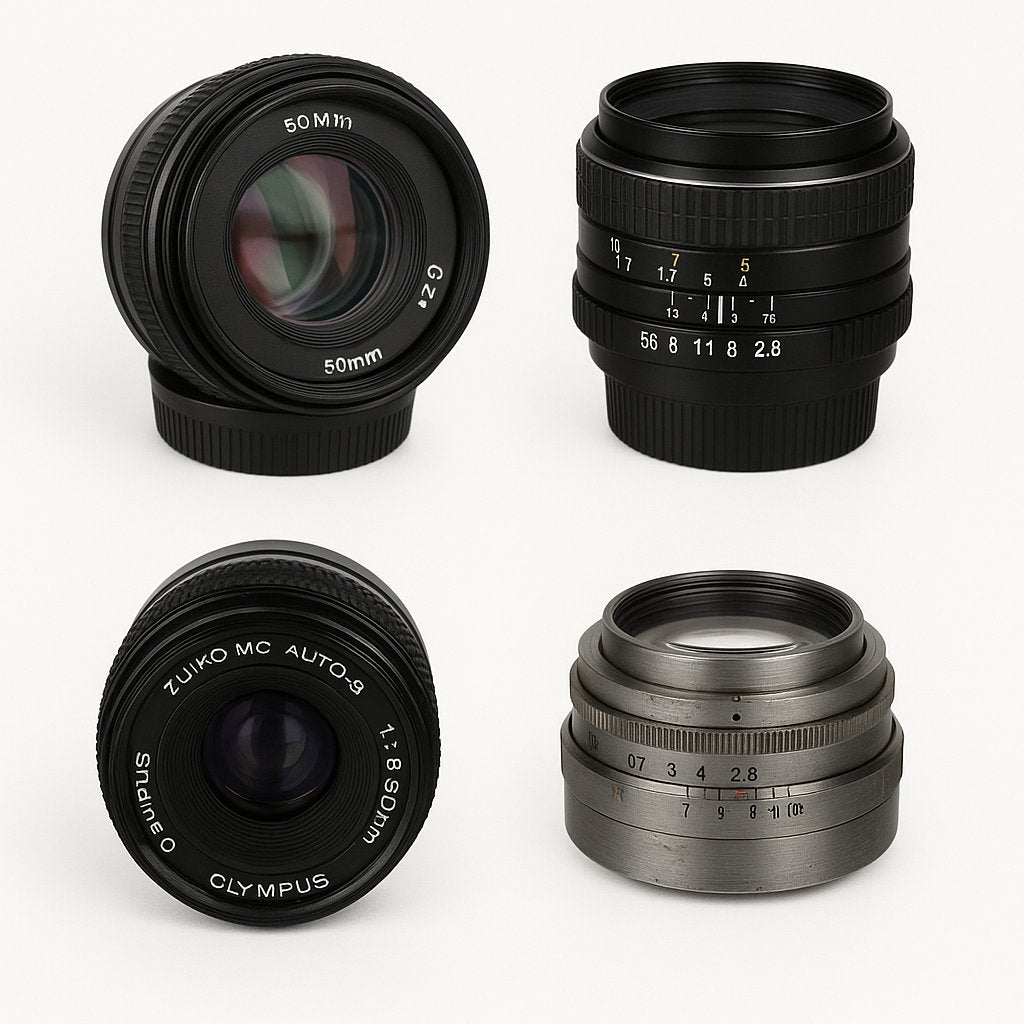
The first time I mounted a vintage Nikon 50mm AI onto a digital Micro Four Thirds body, I expected it to feel clumsy. Instead, I was surprised by how natural it felt to turn the buttery-smooth focus ring and watch the scene snap into clarity on the EVF. The images had a gentle roll-off in the highlights that my modern lenses never quite delivered, and suddenly that old lens felt alive again.
Meet the FOTGA Nikon AI to Micro 4/3 Adapter
Designed for Nikon AI to Micro Four Thirds
The FOTGA Nikon AI to Micro 4/3 adapter is a purely mechanical lens adapter. On one side, it accepts Nikon AI and AI‑s lenses; on the other, it mounts to any Micro Four Thirds camera body from brands such as Panasonic, Olympus and Blackmagic with an MFT mount.
There are no electronic contacts and no glass elements inside. That means no added optical surfaces to soften your image, and no electronic communication between lens and body. All focus and aperture control happen directly on the lens, as they were designed to.

Build, Finish and Fit
The adapter is typically machined from metal, with a matte internal finish that helps cut down stray reflections between lens and sensor. The locking mechanism on both sides should feel reassuringly firm: the Nikon bayonet should click into place, and the Micro Four Thirds side should twist-lock the way a native lens does.

Infinity Focus and Flange Distance
Because the FOTGA adapter is built to match the correct flange focal distance, a properly made sample allows your Nikon AI lenses to focus from close-up all the way to infinity. This is essential for landscapes, cityscapes and astrophotography with vintage primes.
Creative Possibilities and Workflows
Turning Old Nikon Glass into a Micro 4/3 Toolkit
Mounting Nikon AI lenses on Micro Four Thirds effectively gives them a new personality. Because of the smaller sensor, your field of view changes. As a rule of thumb, multiply the focal length by two to estimate the 35mm equivalent. A classic Nikon 50mm behaves like a 100mm portrait lens on MFT, while a 28mm turns into a roughly 56mm walk‑around lens.
This crop factor is a creative advantage: it lets you build a set of short telephoto primes from lenses you might have originally used on film. Combined with the tactile focus feel of legacy Nikon glass, it creates a different rhythm on set or on the street.
Manual Focus for Video and Slow Photography
For video, the FOTGA Nikon AI to Micro 4/3 adapter is particularly appealing. Many filmmakers prefer the long, smooth focus throw of vintage Nikon primes compared with modern fly‑by‑wire lenses. On Blackmagic and Panasonic Micro Four Thirds cameras, this setup offers excellent tactile feedback when pulling focus by hand or with a follow focus.
Still photographers benefit too. Manual focusing forces you to slow down, pre‑visualise your shot and pay attention to the edges of the frame. Paired with focus peaking and magnification on mirrorless cameras, it becomes surprisingly precise.
If you are building a small, sustainable kit, an adapter like this lets you combine a used Micro Four Thirds body with one or two Nikon primes and still cover portraits, details and everyday scenes. You can always add more camera lenses later as your style evolves.
Second-Hand Buying Advice
Because the FOTGA Nikon AI to Micro 4/3 adapter is a simple, all‑mechanical part, it’s a great candidate to buy used. However, precision matters. Before you commit to a second‑hand adapter, run through this quick checklist.
What to Inspect Before You Buy
- Confirm adapter mounts tightly on both lens and camera.
- Check for smooth locking and release mechanism.
- Inspect matte coating for scratches or light leaks.
- Inspect locking tabs and screws.
- Test for play between mounts using an actual Nikon lens.
- Confirm infinity focus accuracy.
- Avoid adapters with stripped screws or excessive looseness.
Whenever possible, bring a Nikon AI lens and your Micro Four Thirds camera to test the adapter in person. Mount the lens, shake it gently and see if there is any movement between the parts. Then aim at a distant subject and check if infinity focus lines up with the markings.
Buying second hand is not only kinder to your budget, it also keeps functional gear in circulation. At DutchThrift, that’s part of the fun: pairing well‑loved tools with new owners who will keep using them for years.
Keeping the Spirit of Experimentation Alive
The FOTGA Nikon AI to Micro 4/3 adapter is more than a metal ring; it’s an invitation to experiment. It encourages you to try that old Nikon wide‑angle on your travel camera, or to build a portrait rig from a vintage 105mm and a tiny Micro Four Thirds body.
You might even find yourself mixing eras: shooting with an MFT body in manual mode, using a Nikon AI lens that once lived on an analog camera, and recording video with the dynamic range of a modern cinema sensor. It is a low‑waste, high‑creativity way to explore photography and filmmaking.
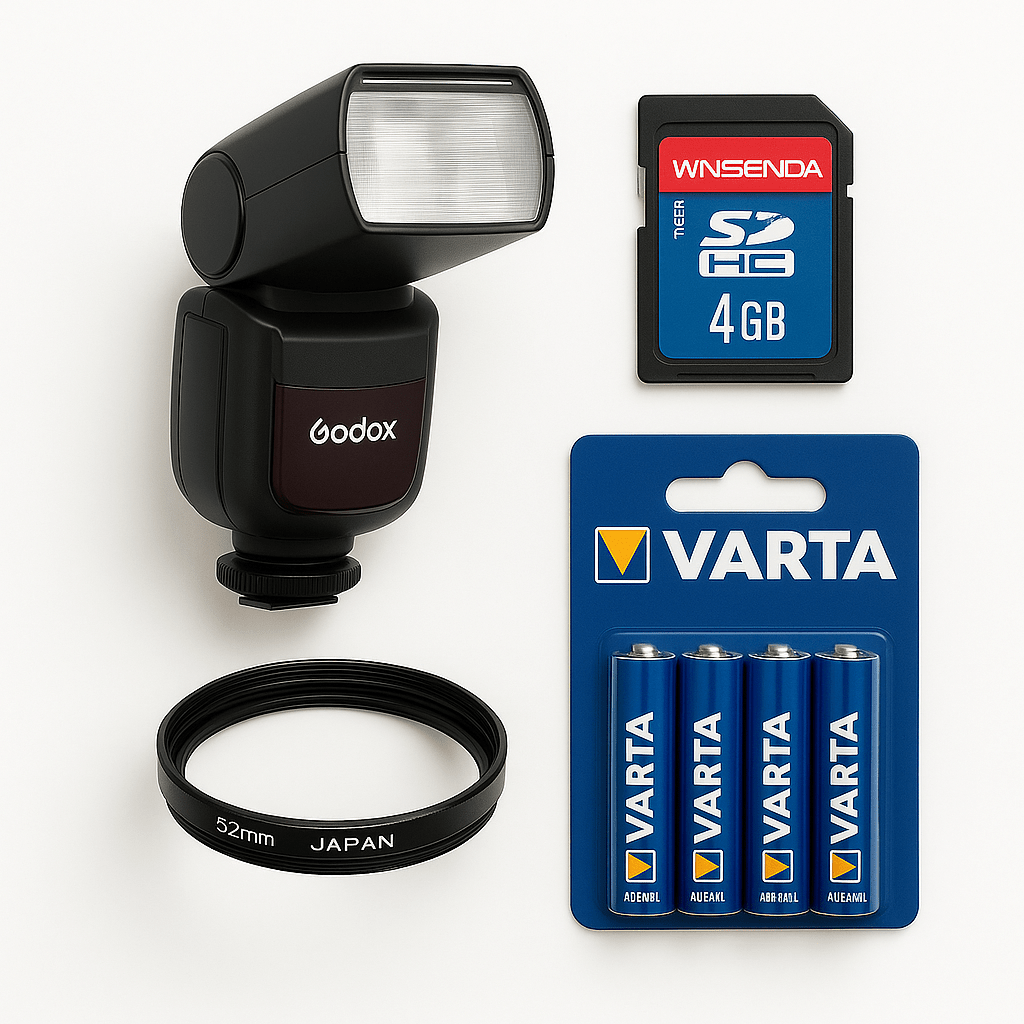
Whether you are building a compact travel kit or a small studio setup, an adapter like this gives you options without adding electronic complexity. Combine it with a few carefully chosen photography accessories, and you have a flexible, characterful system that stands apart from off‑the‑shelf kits.
FAQs
Does the FOTGA Nikon AI to Micro 4/3 adapter support autofocus? No, it’s a purely mechanical adapter. Focus and aperture are controlled manually on the lens.
Can it achieve infinity focus with Nikon AI lenses? Yes, the adapter preserves the correct flange distance, allowing focus from close-up all the way to infinity when properly calibrated.
Is it suitable for video work on Blackmagic or Panasonic cameras? Yes, many filmmakers use it for tactile manual focus control and the distinctive rendering of vintage Nikon glass on Micro Four Thirds cinema setups.
What should I check when buying this adapter second hand? Ensure a snug fit on both lens and camera, inspect screws and edges for damage, and test infinity focus with an actual lens before purchase.
Ready to give your Nikon AI lenses a second life on Micro Four Thirds? Explore our curated selection of used adapters, lenses and accessories at DutchThrift and build a sustainable kit that reflects your personal style.