



Introduction: The Enduring Allure of the F.W. Rokkor-QF 200mm
The F.W. Rokkor-QF 200mm f/5.6 is one of those vintage telephoto lenses that rewards patience and curiosity. It is fully manual, compact for a 200mm, and delivers gentle, warm rendering that feels different from crisp, clinical modern glass. On both film and digital cameras, it invites you to slow down and really look at your subject.
Telephoto lenses like this are ideal for isolating details, compressing perspective in cityscapes, or crafting intimate portraits from a respectful distance. With its modest maximum aperture of f/5.6, the F.W. Rokkor-QF is not a low‑light monster, but in good light it offers surprisingly refined results with a distinctly analog character.
I rediscovered my creativity with a fully manual lens on a quiet afternoon walk: no autofocus, no stabilisation, just the F.W. Rokkor and a mirrorless body. As I twisted the focus ring and watched the focus peaking shimmer over distant rooftops, every frame felt intentional again—more like sketching with light than simply capturing a scene.
A Look Back: The Lens’s Origin and Craftsmanship
The F.W. Rokkor-QF 200mm f/5.6 was designed for Minolta’s SR/MD mount SLR cameras at a time when mechanical precision and metal construction were the norm. Its “Rokkor” name links it to Minolta’s respected family of lenses, known for balanced color and reliable operation.
Although more compact and slower than some 200mm f/4 siblings, this f/5.6 version offers a lighter, more travel‑friendly telephoto option. It was often chosen by photographers who valued portability and budget without sacrificing the joy of a well‑made manual lens.

Why this lens still matters today
In an era of autofocus zooms and in‑camera corrections, a simple manual telephoto like the F.W. Rokkor-QF stands out. Its mechanical build, smooth focusing, and consistent color signature across the frame make it a charming partner for both film revivalists and digital shooters seeking character over perfection.
Technical Characteristics and Build Quality
As a 200mm f/5.6 telephoto, the F.W. Rokkor-QF is relatively small and easy to carry. The long focus throw helps you dial in critical focus, especially when combined with focus aids on modern camera bodies.
Image rendering and optimal settings
- ✔️ Use focus peaking for sharp manual focusing.
- ✔️ Shoot in daylight for best exposure at f/5.6.
- ✔️ Stop down to f/8 for better sharpness.
- ✔️ Pair with color-grading LUTs for a filmic tone.
- ✔️ Use a metal hood to control flare.
Wide open at f/5.6, the lens offers slightly softer corners and a gentle glow that works beautifully for portraits and dreamy details. By f/8 the image tightens up considerably, with improved micro‑contrast and edge definition. The color tends toward warm, which complements skin tones and golden‑hour light.
Handling and construction
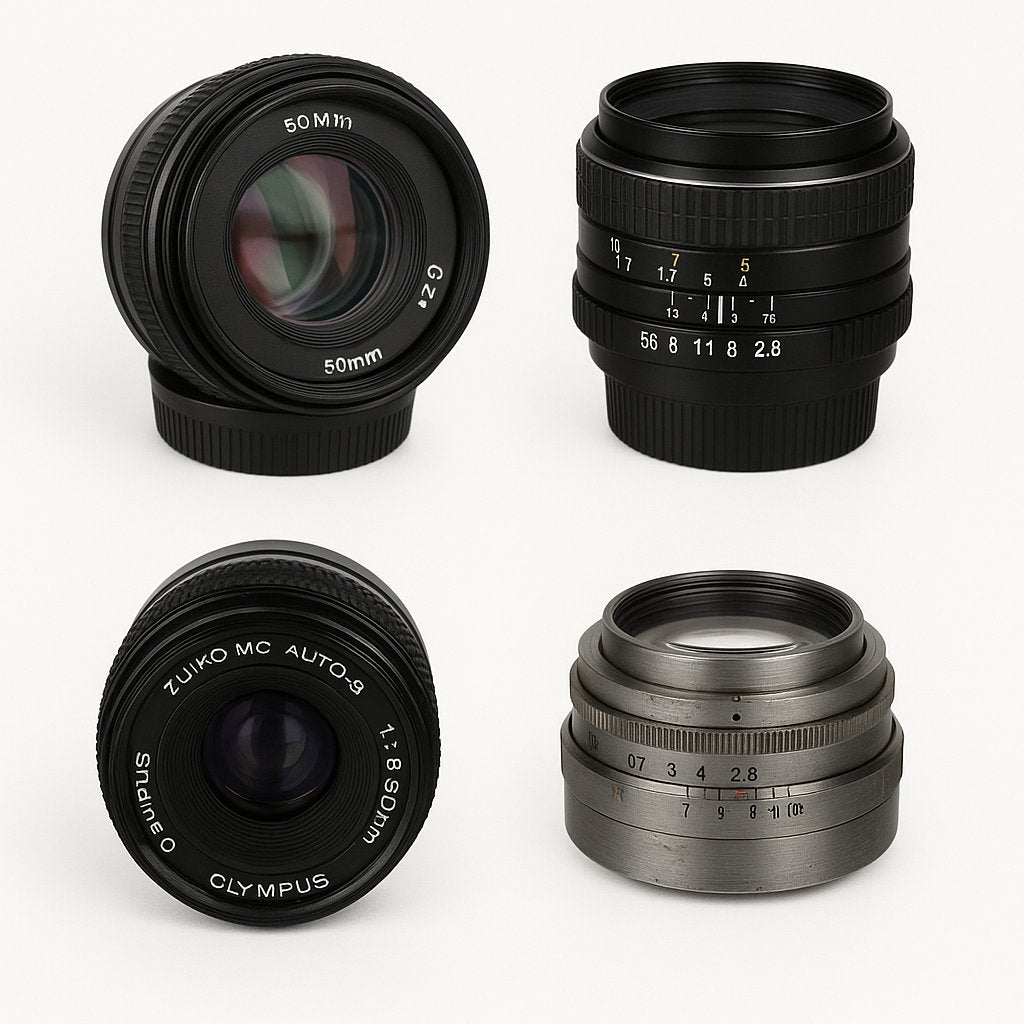
The F.W. Rokkor-QF is built mostly from metal with engraved markings and a tactile aperture ring. The balance feels natural on classic Minolta bodies and surprisingly comfortable on small mirrorless cameras when used with a simple adapter.

Modern-Day Uses: From Film Revival to Digital Adaptation
The F.W. Rokkor-QF 200mm f/5.6 is remarkably adaptable. With a basic Minolta SR/MD adapter, you can mount it on many mirrorless systems and enjoy its unique rendering in both stills and video.
Digital compatibility and creative video
On APS‑C and Micro Four Thirds sensors, the 200mm focal length becomes a powerful telephoto for distant details, compressed landscapes, and wildlife in good light. Video shooters in particular appreciate the smooth, long‑throw focus ring for controlled focus pulls.
Its subtle contrast and warm tones pair nicely with digital workflows when you refine the look in post‑production using LUTs and color‑grading presets.
Creative disciplines where it shines
On both film and digital bodies, the F.W. Rokkor-QF excels at:
- Intimate portraits from a comfortable distance.
- Compressed city scenes and architectural details.
- Nature close‑ups and abstract patterns.
- Cinematic B‑roll with slow, deliberate focus pulls.
Second-Hand Buying Advice for the F.W. Rokkor-QF 200mm
Because this lens is decades old, smart second‑hand buying is essential. Fortunately, the F.W. Rokkor-QF 200mm f/5.6 is generally affordable and robust, which makes it an excellent entry into vintage telephoto shooting.
Inspection checklist before you buy
- 🔍 Check focus ring for smooth motion.
- 🔍 Inspect aperture blades for oil or sticking.
- 🔍 Examine glass for haze or fungus.
- 🔍 Check front rim for dents before buying filters.
Minor dust is common and rarely affects real‑world images, but oil on the aperture blades or cloudy internal haze can be more serious. Also, a dented filter ring may prevent you from using protective filters or a metal hood—both useful on a telephoto like this.
Budgeting and accessories
Used copies of the F.W. Rokkor-QF 200mm f/5.6 typically fall between $40 and $80 USD, depending on cosmetic condition and optical clarity. Set aside a little extra for:
- A Minolta SR/MD adapter for your mirrorless system.
- A metal lens hood to reduce flare and protect the front element.
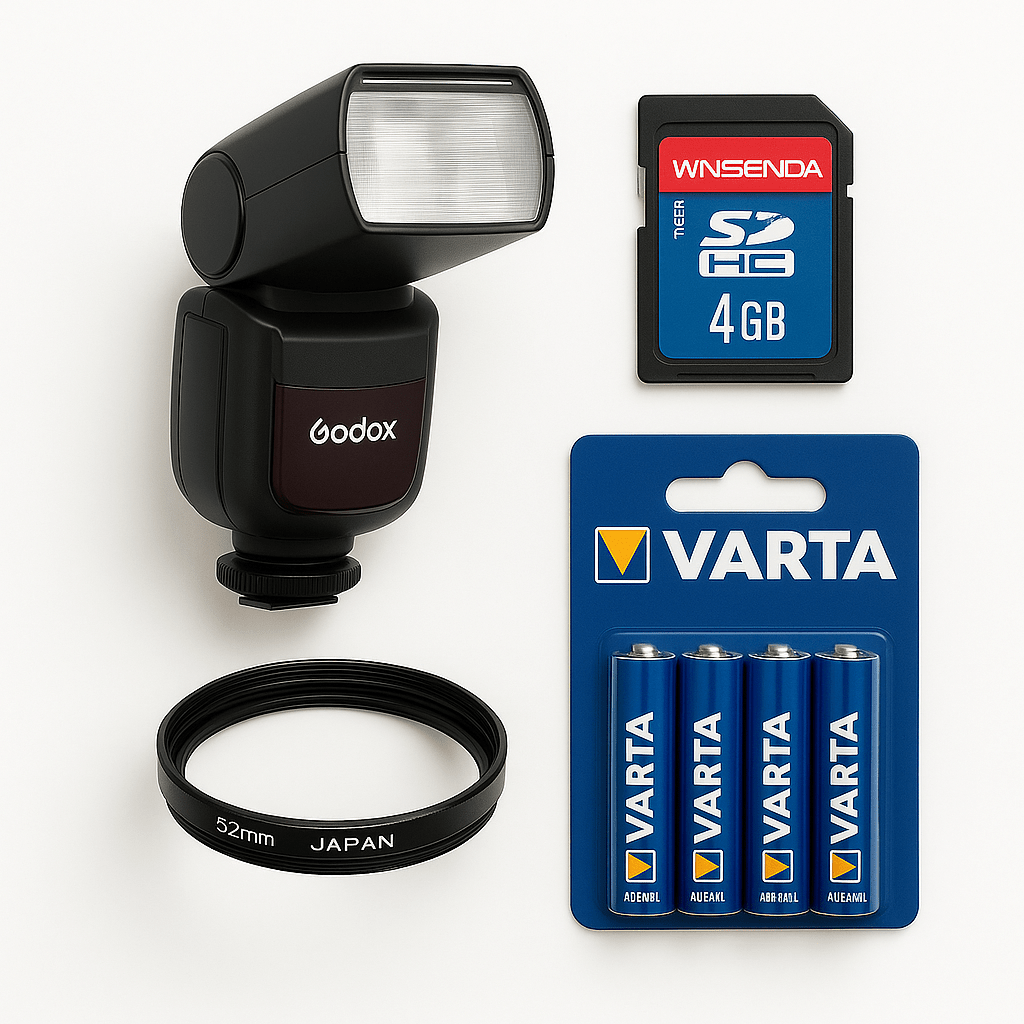
- Simple cleaning tools and other photography accessories.
Conclusion: Timeless Craft in the Digital Era
The F.W. Rokkor-QF 200mm f/5.6 is not about speed or perfection. It is about the tactile pleasure of manual focus, the warmth of vintage coatings, and the satisfaction of coaxing characterful images from a modest, well‑made telephoto lens. In a world of high‑resolution sensors and automated everything, this small 200mm invites you to be more deliberate, more observant, and more involved in every frame.
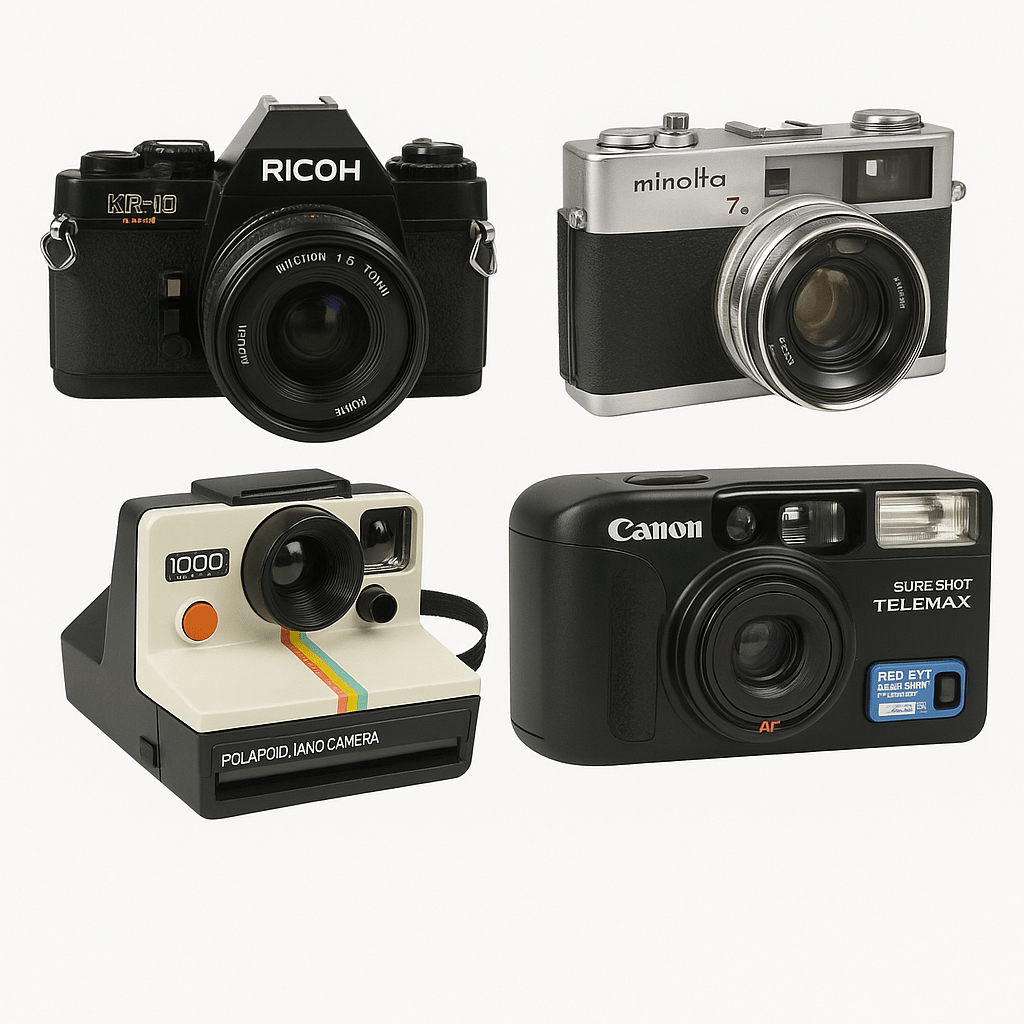
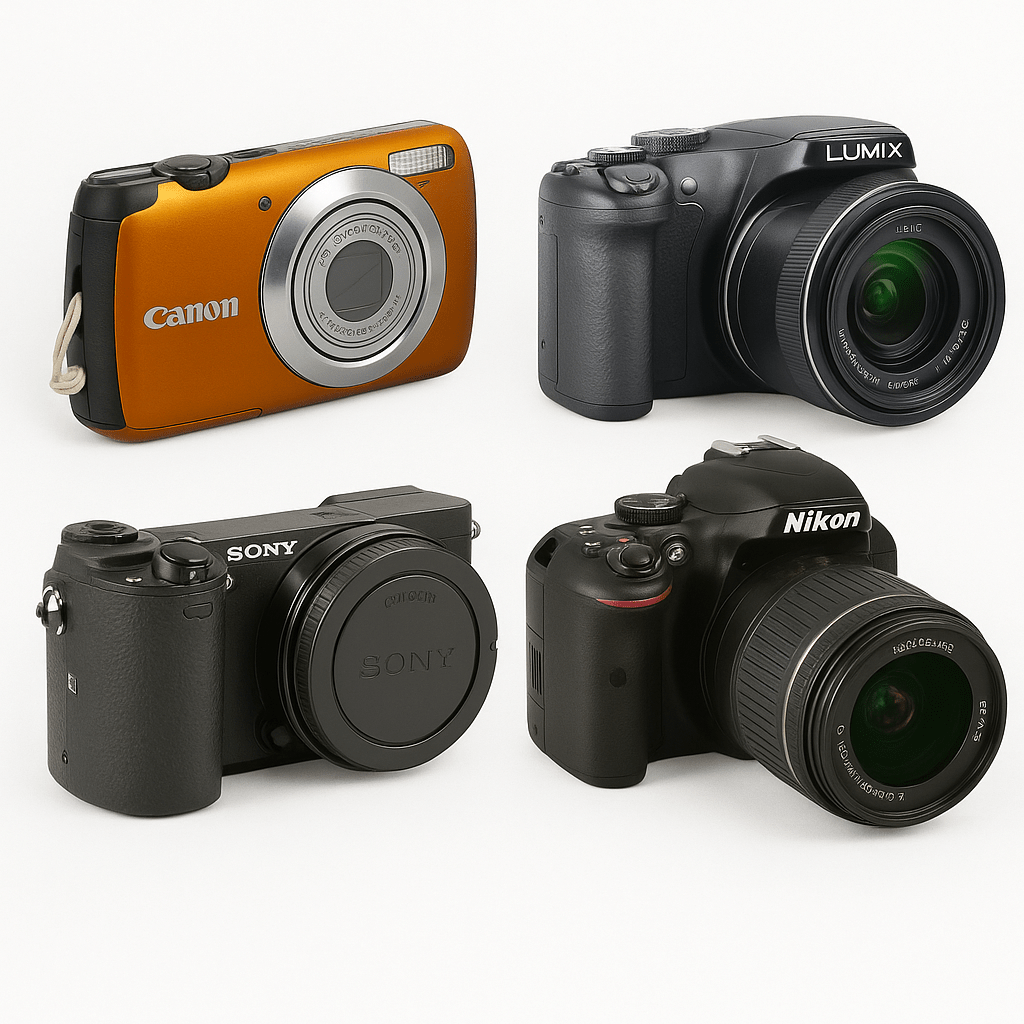
Whether you mount it on a classic Minolta from our analog cameras selection, or adapt it to a modern mirrorless body and pair it with other curated camera lenses, the F.W. Rokkor-QF remains a beautiful reminder that older gear still has stories to tell.
FAQs
Is the F.W. Rokkor-QF 200mm f/5.6 compatible with modern digital cameras? Yes. With an inexpensive Minolta SR/MD adapter, it can be used on Sony E, Fuji X, and Micro Four Thirds cameras, typically in fully manual mode.
What makes this vintage lens appealing in 2025? It offers warm color rendering, smooth manual focusing, and a budget‑friendly way to achieve filmic character in both stills and video compared to modern, clinical optics.
How much should I expect to pay for a used F.W. Rokkor-QF 200mm? Prices usually range from about $40 to $80 USD, depending on the optical condition, cosmetic wear, and whether it includes caps or a hood.
Can it still be serviced or cleaned? Yes. Basic cleaning and lubrication are often possible, but heavily hazed or fungus‑damaged copies may cost more to repair than to replace, so start with the cleanest sample you can find.
Ready to explore vintage telephoto character for yourself? Browse our curated camera lenses, discover classic analog cameras, and complete your setup with sustainable photography accessories at DutchThrift.com.