



A Closer Look at the Tokina SZ-X 270 28–70mm Lens
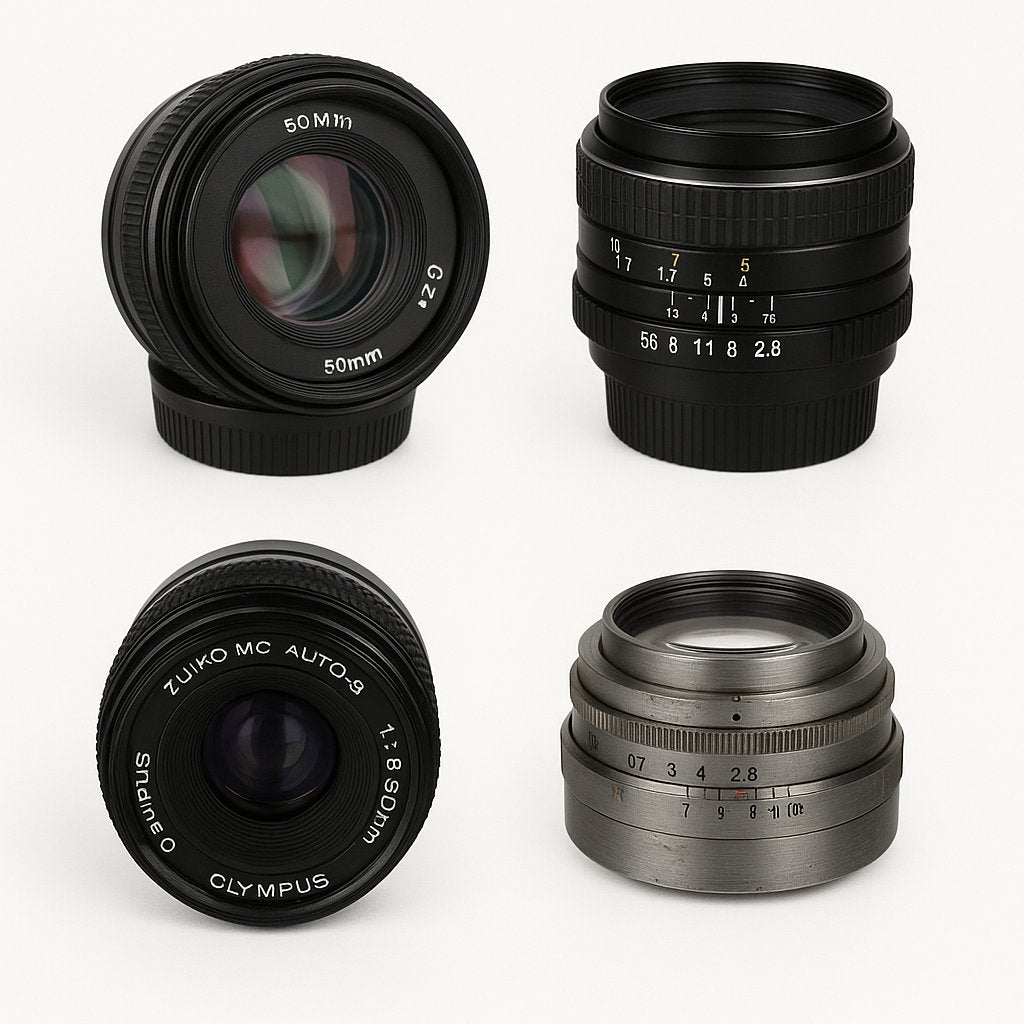
The Tokina SZ-X 270 28–70mm f/3.5–4.5 is a compact, manual-focus zoom designed for the Nikon AI-s mount. Covering the most useful everyday range from wide-angle to short telephoto, it was built as a versatile walkaround lens long before the era of plastic kit zooms. Solid metal construction, a tactile zoom ring, and manual aperture control make it a satisfying piece of gear to use today, especially when you value feel and character over clinical perfection.
At 28mm you can capture environmental scenes, interiors, and travel moments; at 70mm you move into flattering portrait territory. The modest variable aperture keeps the lens small and well balanced even on lighter analog cameras or modern mirrorless bodies.

Build, handling, and optical character
Unlike many modern plastic zooms, the SZ-X 270 feels dense and deliberate in the hand. The zoom and focus rings are broad and grippy, with a mechanical connection that lets you make precise, repeatable adjustments. Optically, it tends toward a gentler contrast profile, with pleasing falloff and a slightly softer rendering wide open that many photographers now seek out for a more “filmic” look.
Stopped down, the lens sharpens significantly and is more than capable for everyday photography. Wide open, you may see some vignetting and flare, but these can become part of your visual style rather than flaws to be corrected.
Why This Vintage Zoom Still Matters Today
In an age of ultra-sharp, autofocus lenses, it might seem odd to reach for a decades-old manual zoom. Yet the Tokina SZ-X 270 continues to earn a place in modern kits because it offers something current glass often lacks: personality.
Character over perfection
Modern optics are designed to eliminate quirks. The Tokina does the opposite: it gives a subtle glow at wider apertures, a touch of vignetting at 28mm, and a smooth transition from focus to blur that can make portraits and street scenes feel more intimate. For photographers and filmmakers chasing a vintage or analog aesthetic, these qualities are a feature, not a bug.
The first time I adapted a vintage lens to a mirrorless body, I was struck by how imperfect yet alive the images looked: softer micro-contrast, unexpected flares, and a tangible sense that the lens was “drawing” the scene rather than clinically recording it.
Affordability and sustainability
Because it sits outside the hype cycle of the latest releases, the SZ-X 270 is one of the most budget-friendly ways to explore classic rendering. Typical second-hand prices fall between €30 and €80, far below what you would pay for a modern lens with similar focal length coverage.
Choosing gear like this is also an inherently sustainable decision. Keeping well-made optics in circulation reduces electronic waste and extends the life of tools that still have plenty of creative use left in them.
How to Adapt and Use the Tokina SZ-X 270 on Modern Bodies
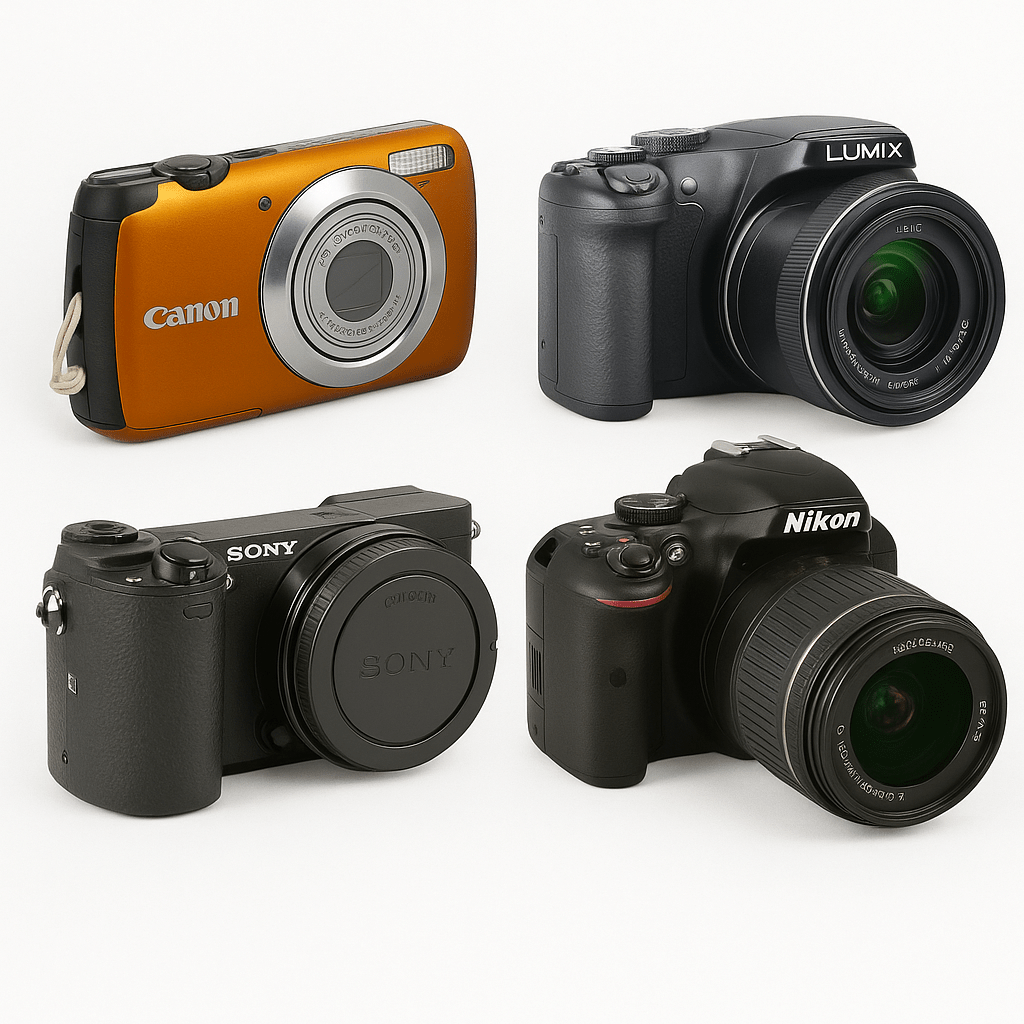
The Nikon AI-s mount of the Tokina SZ-X 270 makes it straightforward to adapt to many popular mirrorless systems. Because the lens is fully mechanical, you retain manual control over focus and aperture, while the camera handles metering and image capture.

Adapter basics
For Nikon Z, Sony E, Canon RF, and Fujifilm X, all you need is a simple “dumb” Nikon F (AI-s) to mirrorless adapter. These adapters contain no glass and simply maintain the correct distance between lens and sensor.
- ✅ Confirm adapter compatibility for your mirrorless camera system.
- ✅ Engage focus peaking on digital cameras for accurate focus.
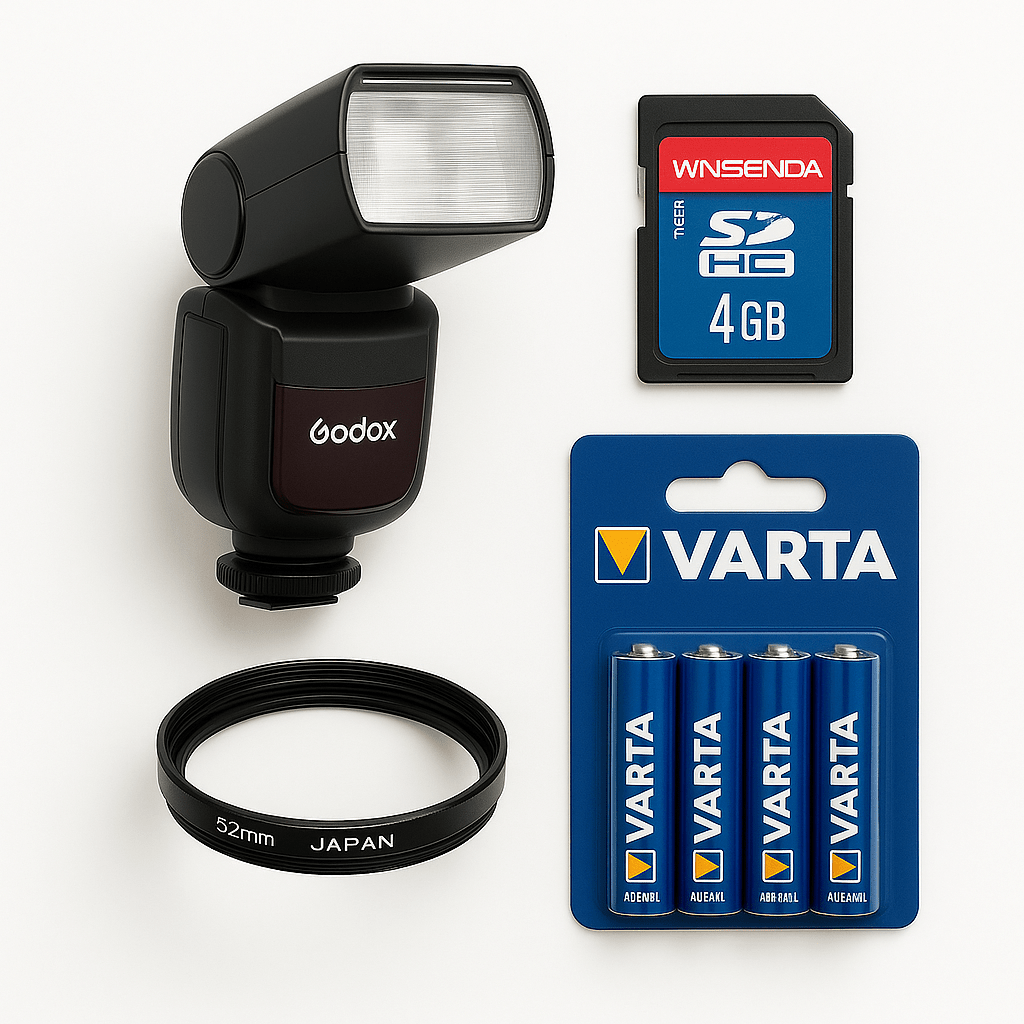
- ✅ Use a lens hood to reduce veiling flare outdoors.
- ✅ Experiment with diffusion or UV filters to fine-tune lens rendering.
Shooting technique with manual focus
Once mounted, set your camera to aperture priority or manual mode. Choose your f-stop on the lens, then use focus peaking or magnification in live view to achieve precise focus. With practice, focusing becomes second nature, especially at the longer end where depth of field is shallower.
Buying a Tokina SZ-X 270 Second-Hand: What to Check
When shopping for a Tokina SZ-X 270 28–70mm, condition matters more than box-fresh appearance. A well-cared-for copy will easily outlast a shiny but neglected one. Take your time to inspect the lens or read the condition description closely if buying online.
Essential condition checklist
Look for these points before committing to a second-hand purchase:
- ✅ Smooth zoom and focus rings
- ✅ Clean, scratch-free glass
- ✅ Oil-free aperture blades
- ✅ Secure mounting tab with no dents or damage
Also check for haze, fungus, or significant internal dust by shining a small light through the lens. A few specks are normal and rarely affect real-world images, but foggy or patchy elements may reduce contrast.
Creative Uses: Giving Your Content a Vintage Edge
The Tokina SZ-X 270 is more than a budget zoom; it is a tool for crafting a recognizable, vintage-inflected style. The combination of focal length range and classic rendering opens many creative avenues.
Portraits, street, and filmic video
At 50–70mm, the lens excels at portraits with gentle background blur and a softer, more forgiving look than modern razor-sharp primes. At 28–35mm, it becomes a capable street and travel lens, especially when you embrace its vignetting and flare as storytelling elements.
For video creators, the manual focus and slightly lower contrast can produce a cinematic, celluloid-inspired image without heavy post-processing. Zooming slowly during a shot gives a subtle, nostalgic feel reminiscent of home movies and classic documentaries.
Pairing with film and digital
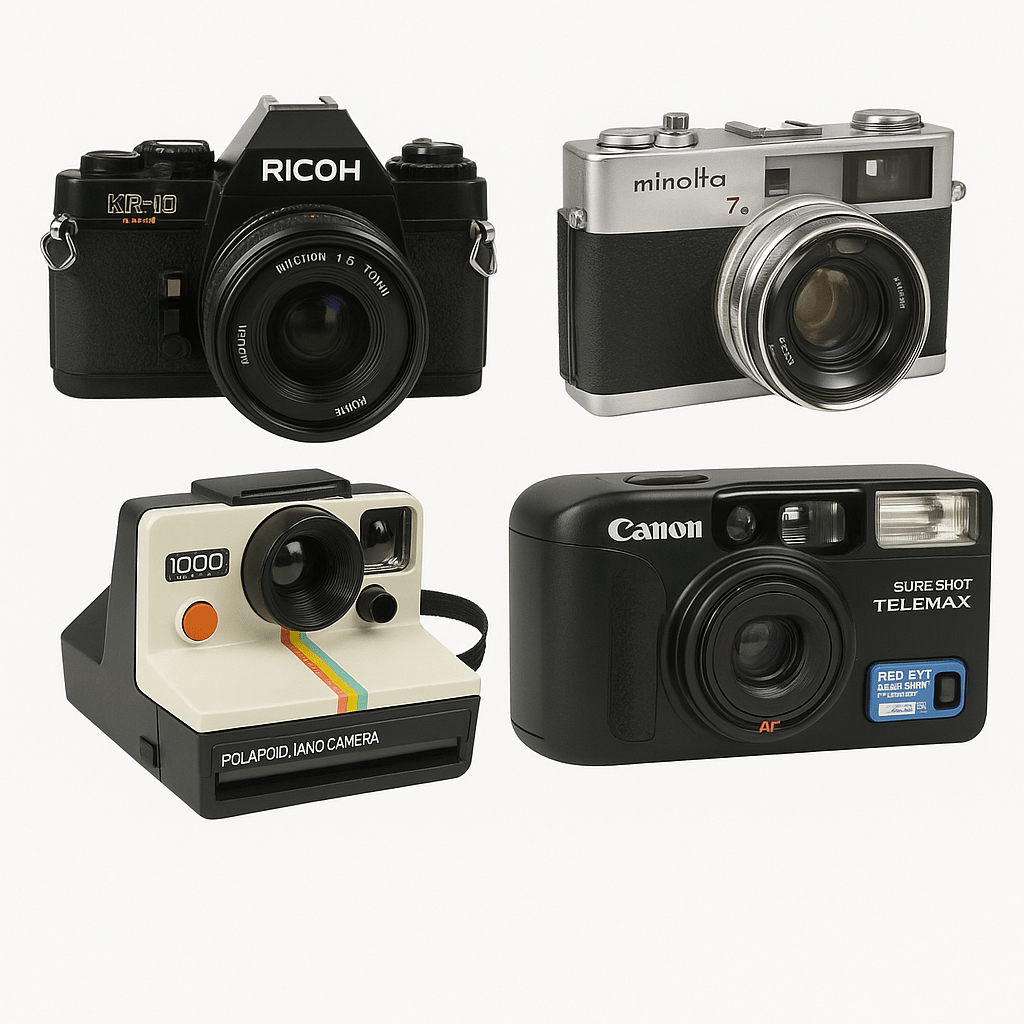
Mounted on a Nikon AI-s analog camera, the Tokina becomes a versatile companion for 35mm film. On digital, adapting it lets you mix old and new technology: vintage glass drawing onto a modern sensor.
Final Thoughts: The Human Touch of the Tokina SZ-X 270
The Tokina SZ-X 270 28–70mm f/3.5–4.5 is not about perfection. It is about the process: setting aperture by hand, feeling the focus ring glide, and accepting small quirks as part of your creative voice. In a world of automated everything, using a lens like this slows you down just enough to notice the light, the moment, and your own intent.
Whether you mount it on a vintage Nikon body or adapt it to a mirrorless system, this lens offers a uniquely human touch to your photography and video. If you are curious about exploring characterful, sustainable gear, a well-kept SZ-X 270 is a rewarding place to start.
FAQs
Is the Tokina SZ-X 270 compatible with digital cameras? Yes. With the correct Nikon F-to-mirrorless adapter, it works well on Nikon Z, Sony E, Canon R, and Fuji X systems, with full manual control over focus and aperture.
What makes this lens different from modern zooms? Modern lenses are typically sharper and feature autofocus, while the Tokina offers a more filmic, character-rich rendering at a fraction of the price.
What price should I expect to pay for a used Tokina SZ-X 270? Expect roughly €30–€80 depending on condition, with complete sets including caps or original box sometimes selling slightly higher to collectors.
How do I maintain a vintage Tokina lens? Store it in a dry, ventilated environment, avoid prolonged humidity, and periodically check for internal haze, fungus, or stiffness in the zoom and focus mechanisms.
Ready to give your images a classic twist? Explore more second-hand lenses and sustainable gear in our curated selection of camera lenses, analog cameras, and essential photography accessories at DutchThrift.com.