


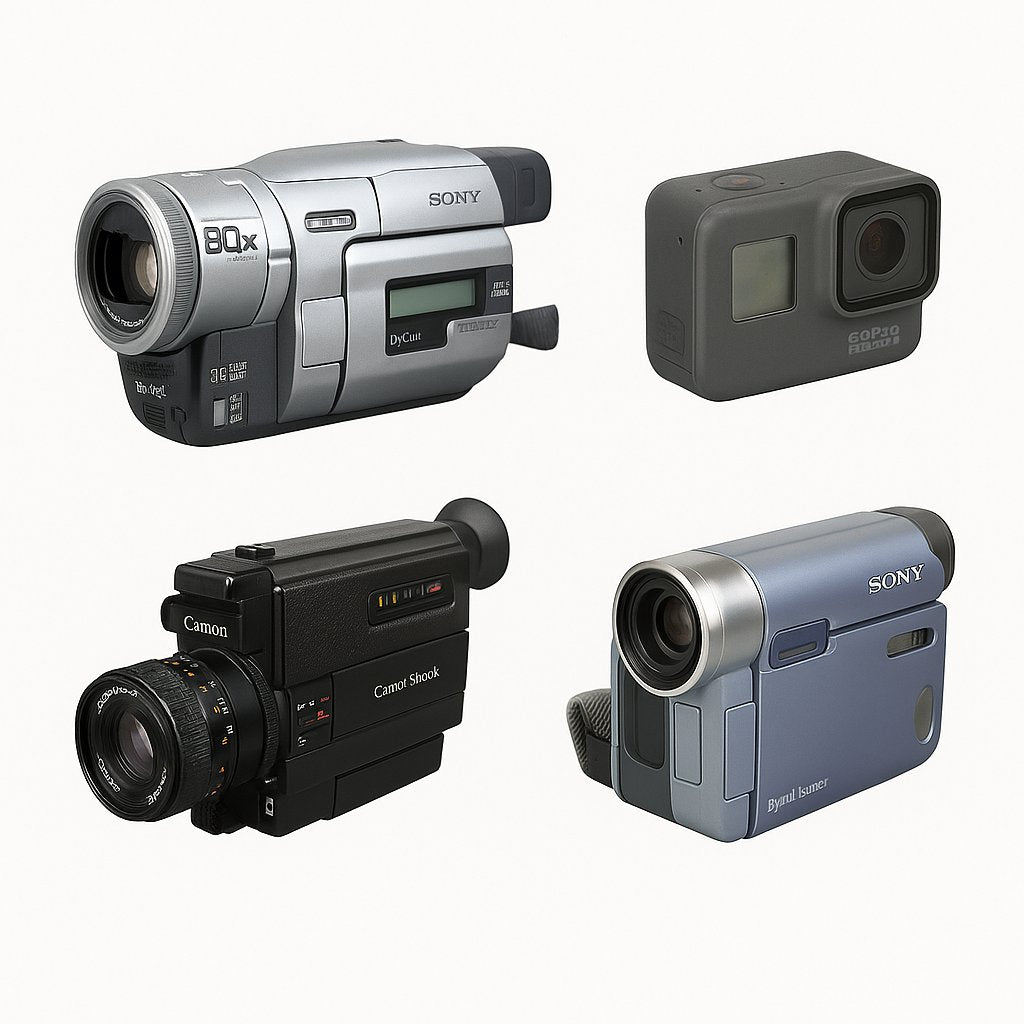

A Brief Look Back at the Fujifilm MV-1
The Fujifilm MV-1 comes from a fascinating moment in camera history, when digital photography was still finding its feet. Long before today’s high-resolution digital cameras, compact models like the MV-1 were designed for simple snapshots, not pixel-perfect files.
In a world now dominated by large sensors and clinical sharpness, the MV-1 feels refreshingly honest. Its modest specifications, dated storage media and early JPEG processing all combine into a look that is hard to fake with filters alone. That makes it surprisingly relevant again for photographers who want character over perfection.
I still remember picking up an early digital camera for the first time. It felt chunky, deliberate and oddly futuristic, with a shutter lag you could sense and a tiny LCD that barely previewed reality. Compared to today’s sleek, instant smartphones, each frame felt like a small event rather than a disposable swipe.

Technical Traits That Define Its Lo-Fi Magic
Small sensor, big personality
The MV-1’s small early-generation sensor and simple optics give images a distinctive signature. Expect visible noise at higher ISO, gentle softness toward the frame edges and limited dynamic range. Instead of fighting these traits, many photographers now embrace them for dreamy, nostalgic output.
Early JPEG engine and color science
Where modern cameras strive for neutral, high-contrast files, the Fujifilm MV-1 delivers a more idiosyncratic palette. Highlights clip faster, colors can shift slightly and shadows carry a textured grain-like noise. Point it at city lights at night or hazy midday sun, and those artifacts become part of the story.

Zoom lens and basic autofocus
The built-in zoom offers convenient framing options but is not designed for clinical sharpness. Autofocus can hesitate, particularly in low light, which encourages a slower, more thoughtful way of shooting. Using a half-press to prefocus becomes second nature and helps you anticipate the decisive moment.
Modern Applications: How to Use the MV-1 in 2025
Best practices for shooting lo-fi
- Use natural daylight for best image clarity.
- Prefocus with a half-press for faster capture.
- Transfer using SmartMedia card readers or adapters.
- Keep post-processing minimal to preserve digital character.
Outdoors, the Fujifilm MV-1 comes alive. Daylight street scenes, seaside walks, and everyday details around the home all translate beautifully into textured, imperfect frames. For portraits, stand near a window or shoot in open shade to avoid harsh contrast the sensor cannot handle gracefully.
Creative projects for the MV-1
Instead of treating the MV-1 as a backup camera, consider it a dedicated creative tool. Use it for photo diaries, zine projects, album covers, or short lo-fi photo essays. Its distinct look pairs well with minimal editing and simple layouts.
Once the images are on your computer via a compatible reader or adapter, resist the urge to overcorrect. Slight white balance tweaks and gentle contrast are usually enough. Heavy sharpening or noise reduction can easily erase the very qualities that make MV-1 files special.
To expand your setup, consider second-hand accessories such as compact tripods, strap upgrades or simple cases. They will not change the image quality, but they will make carrying and using the camera more enjoyable.
What to Check Before Buying a Second-Hand Fujifilm MV-1
Essential physical checks
Because the Fujifilm MV-1 is a vintage digital compact, careful inspection matters. When you are browsing second-hand listings or evaluating a camera in person, pay attention to both cosmetics and function.
- Inspect battery contacts for corrosion.
- Test LCD for fading or dead areas.
- Confirm card slot reads and writes properly.
- Ensure zoom and focus mechanisms move smoothly.
- Ask the seller for a full power-on test.
Battery corrosion can usually be spotted by a white or green residue in the compartment. Mild cases are sometimes cleanable; heavy corrosion can be a deal-breaker. A dim or patchy LCD may still be usable but will affect how comfortably you can review images or navigate menus.
SmartMedia cards and file transfer
The MV-1 uses SmartMedia cards, an older format no longer produced. Fortunately, these cards still surface regularly on second-hand markets and through specialist vintage camera resellers. Keep an eye on capacity and compatibility; smaller cards are usually more reliable in older bodies.
For transfer, you can use dedicated SmartMedia USB readers or multi-card adapters that still support the format. Once your workflow is in place, importing MV-1 files becomes as straightforward as handling images from any other compact camera.
Concluding Thoughts: Embracing Digital Imperfection
The Fujifilm MV-1 will never compete with modern digital compact cameras on specifications, and that is precisely its charm. Its soft edges, early digital noise and slight awkwardness all invite a different mindset: one that values accidents, texture and play.
In 2025, choosing an MV-1 is less about nostalgia and more about intention. It encourages you to slow down, shoot in good light, and accept that not every frame needs to be technically perfect. For photographers exploring lo-fi aesthetics, zine culture, or simply looking for a digital camera that feels refreshingly human, the MV-1 remains a small but compelling tool.
FAQs
Is the Fujifilm MV-1 still usable in 2025? Yes. With compatible SmartMedia cards and standard AA or rechargeable batteries, the MV-1 still functions well for lo-fi photography projects.
Where can I find SmartMedia cards for the MV-1? SmartMedia cards are available second-hand online and through vintage camera resellers. You may also need a card reader or adapter for file transfer to modern computers.
Why do photographers use old digital cameras like the MV-1? Older digital cameras offer unique color science, noise texture and digital artifacts that deliver film-inspired, characterful images in an authentic way.
What should I look for when buying a used Fujifilm MV-1? Check the battery connections for corrosion, inspect the LCD for fading or dead areas, verify that the memory card slot reads and writes properly, and ensure the zoom and focus move smoothly during a full power-on test.
If the Fujifilm MV-1’s digital quirks inspire you, explore more second-hand digital cameras and thoughtfully sourced accessories at DutchThrift.com to build a creative, sustainable kit.