



A Brief Look at the Exata 28–210mm’s Origins
The Exata 28–210mm f/3.5–5.6 is a classic all-in-one zoom from the film era, built for Exakta-mount analog cameras. At a time when photographers carried multiple primes, lenses like this promised flexibility: from wide 28mm landscapes to compressed 210mm portraits without changing glass.
Designed for 35mm film, it was aimed at travel, family, and general-purpose shooters who wanted “one lens to do it all.” On a modern digital body, that heritage translates into a distinct rendering with a slightly lower-contrast, cinematic look that many creators now actively seek.

The first time I adapted a vintage zoom like the Exata 28–210mm to a mirrorless body, I was surprised by how tactile everything felt: the long focus throw, the weight of the zoom ring, and the way highlights bloomed slightly, giving a softness my modern kit lens never had.
Build and Optical Traits: What to Expect
Handling and mechanics
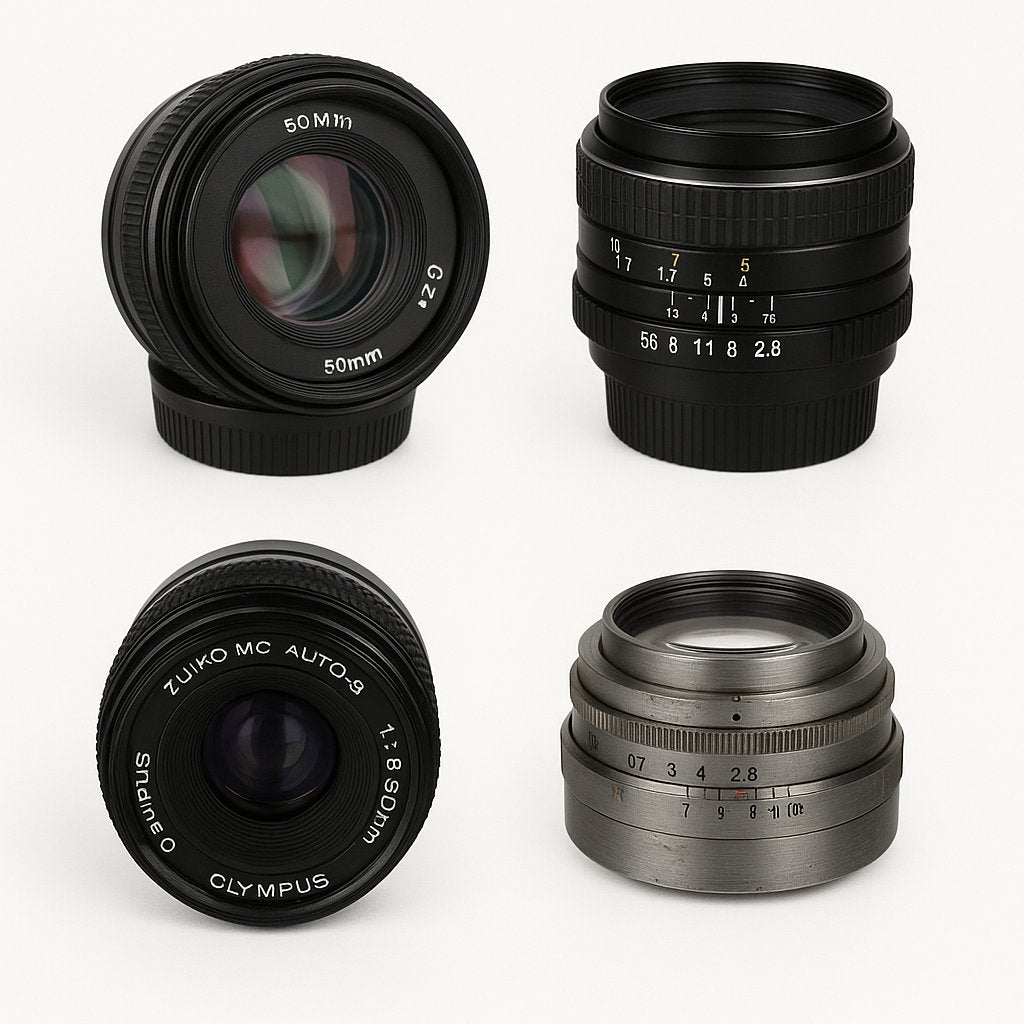
The Exata 28–210mm is classic 1980s–1990s zoom engineering: a metal and plastic build, prominent zoom and focus rings, and a practical, workmanlike finish. It is not a tiny lens; mounted via adapter on a mirrorless camera, it feels substantial but balanced, especially on mid-sized bodies.
Many copies exhibit “zoom creep” when pointed up or down, simply because gravity works on the extending barrel. The focusing ring should move smoothly across the range, with enough resistance to feel precise but not stiff.
Image character and sweet spots
Wide open, expect a slightly lower contrast image with some softness, especially at the long end. This is part of the charm. Stopping down transforms the lens:
- At f/8, center sharpness becomes respectably crisp for everyday shooting.
- By f/11, landscapes and architecture benefit from improved edge detail.
- Bokeh is smooth but not clinical, with a gentle fall-off that suits portraits and video work.

Modern Relevance: Why Use It Today?
Adapting to mirrorless systems
The Exakta mount has a short flange distance, which makes the Exata 28–210mm easy to adapt to many modern digital cameras. You can:
- Mount via Exakta-to-E, X, RF, or MFT adapter.
Adapters are simple, passive metal rings with no optics. They preserve the original image quality and add only a small extension to the lens. Aperture and focus are controlled on the lens itself, while the camera handles metering and image capture.
Cinematic, affordable character
Modern zooms aim for perfection; this lens offers personality. Slight haze, gentle contrast, and subtle flares can give footage and photos a filmic, story-driven look. For creators exploring YouTube, music videos, or narrative projects, this unique rendering can be more valuable than razor-sharp edges.
Practical Use and Creative Applications
Everyday shooting and street
At 28mm, the Exata is suitable for street, travel, and environmental portraits. Zooming to 50–85mm gives flattering people shots, while 210mm compresses distant scenes and cityscapes. Manual focus encourages pre-focus and zone focusing—classic techniques that many photographers rediscover with joy.
Video and slow, deliberate work
For video, the long focus throw allows smooth, precise pulls when paired with a focus assist or peaking on your camera. Combined with the slightly lower contrast, this can produce a “vintage cinema” feel straight out of camera.
For the sharpest results:
- Try shooting at f/8 for best sharpness.
- Use your camera’s focus magnification to nail critical focus at longer focal lengths.
Buying Second-Hand: What to Check Before You Commit
On the used market, the Exata 28–210mm is often very affordable, but condition matters more than brand-new sharpness charts. Here is a quick checklist when evaluating a copy:
- Clean with blower and inspect coating regularly.
- Check for haze or fungus under direct light.
- Turn focus ring—should move smoothly, not stiff.
- Test aperture lever for crisp response.
- Verify that the mount locks securely.
- Store vertically to protect barrel mechanics.
- Ask for photos of optics before buying online.
Exakta-era zooms are rarely worth complex repairs; if a lens has severe mechanical issues or deep fungus, it is usually better to wait for a cleaner copy. Fortunately, this model typically sits in the budget-friendly range.
Accessories and Compatibility Essentials
Choosing the right adapter
To use the Exata 28–210mm on a modern body, match your camera mount to an Exakta adapter. Popular options include:
- Sony mirrorless: Exakta-to-E adapter.
- Fujifilm X: Exakta-to-X adapter.
- Canon RF: Exakta-to-RF adapter.
- Micro Four Thirds: Exakta-to-MFT adapter.
Look for all-metal adapters with a snug fit and positive locking mechanism. A well-made adapter preserves alignment and prevents wobble, which is especially important for long focal lengths.
Helpful add-ons
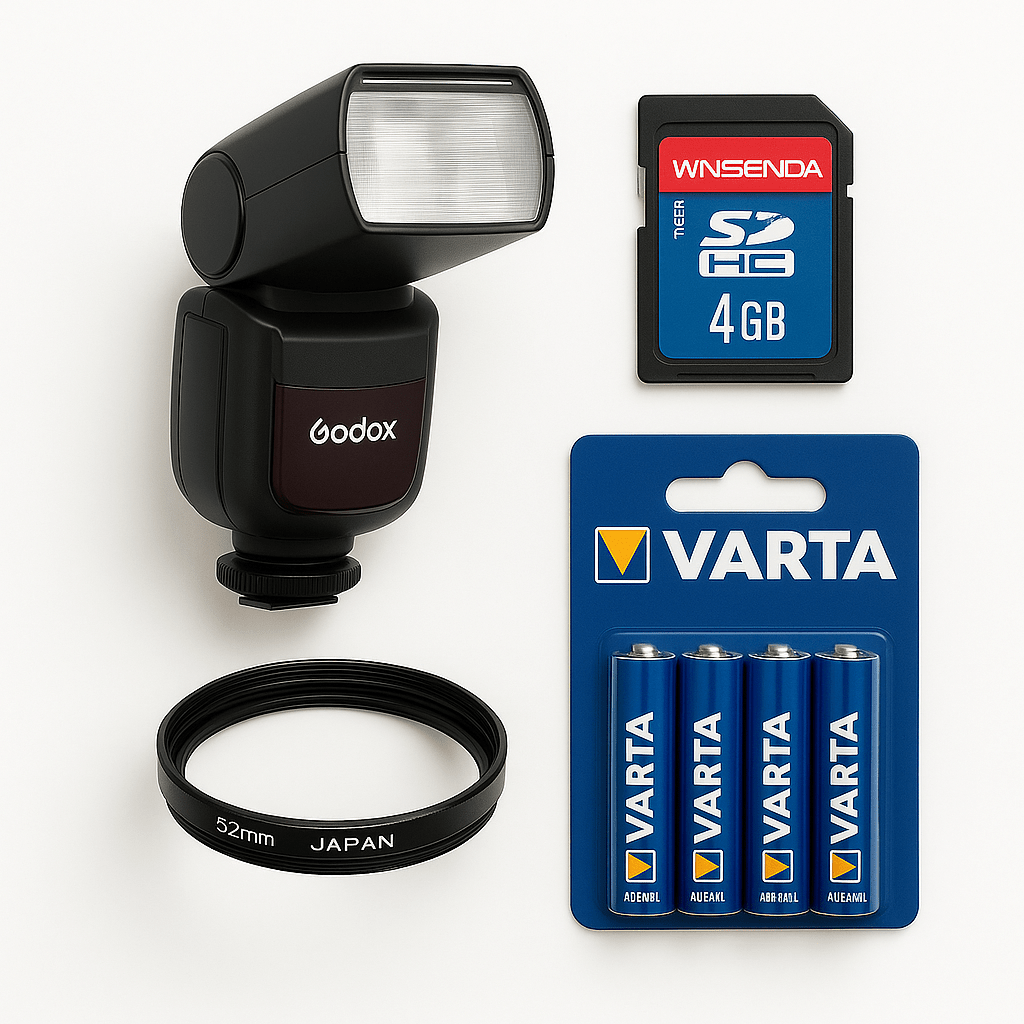
A simple rubber zoom band can tame zoom creep and improve grip. A screw-in lens hood helps control flare and increases contrast, particularly on sunny days. For storage, a padded case and rear cap protect the Exakta mount and internal mechanics when the lens is not in use.
Why It Still Matters in 2025
In a world of clinically sharp, stabilized zooms, a lens like the Exata 28–210mm f/3.5–5.6 offers something refreshingly different: character, tactility, and sustainability. Reusing classic glass keeps it in circulation, reduces electronic waste, and gives you access to unique looks at a fraction of the cost of modern equivalents.
Paired with a contemporary mirrorless body from our curated selection of digital cameras or even scanned film from analog cameras, this humble zoom becomes a creative tool that bridges eras. If you are building a characterful, budget-conscious kit, it is well worth a place alongside your modern camera lenses.
FAQs
Is the Exata 28–210mm compatible with modern digital cameras? Yes, it works on many mirrorless systems via inexpensive Exakta-mount adapters for Sony E, Fujifilm X, Canon RF, and Micro Four Thirds cameras.
Does the lens offer autofocus? No, the Exakta-mount version is fully manual focus, which makes it ideal for deliberate shooting styles and controlled video work.
What makes this vintage zoom special? Its huge focal range, low cost, and distinctive film-era rendering come together to create a cinematic look that modern, clinical zooms rarely match.
How much should I pay for one in good condition? Expect roughly $30–60 for a copy with clean optics and smooth focus, as repair costs typically exceed the price of simply finding a better sample.
Ready to experiment with vintage character? Explore our selection of second-hand camera lenses and find the next piece of glass that will give your images a timeless twist.