



Introduction: The Contax RTS and Yashica DSB 50mm f/1.9 Duo
The Contax RTS paired with the Yashica DSB 50mm f/1.9 is one of those classic 35mm SLR combinations that quietly bridges professional heritage and everyday usability. It offers the tactile satisfaction of a premium film body and the characterful rendering of a fast, budget-friendly normal lens.
For photographers exploring SLR film cameras for the first time, the RTS feels immediately serious yet approachable. For seasoned shooters returning to analog, it delivers the familiar rhythm of manual focus, mechanical feedback, and deliberate exposure decisions.
The first time you heft a vintage SLR like the RTS, the weight settles into your hands with a quiet authority. The firm click of the shutter and the snick of the film advance remind you that every frame costs something—time, attention, a little slice of your day—so you slow down and make each exposure count.
Design Heritage and Engineering Highlights
Kyocera engineering, Contax philosophy
The Contax RTS was conceived as a professional-grade system camera, combining Kyocera’s electronics expertise with a design language that prioritized clarity and durability. The result is a body that feels solid without being unwieldy, with large, clearly marked controls and a spacious viewfinder.

The front-mounted shutter speed dial and clean top plate layout keep essential settings at your fingertips. The RTS moniker—Real Time System—reflects its goal: responsive, reliable performance in the field, anchored by electronically controlled shutter speeds and an LED display in the viewfinder.
The Yashica DSB 50mm f/1.9 character lens
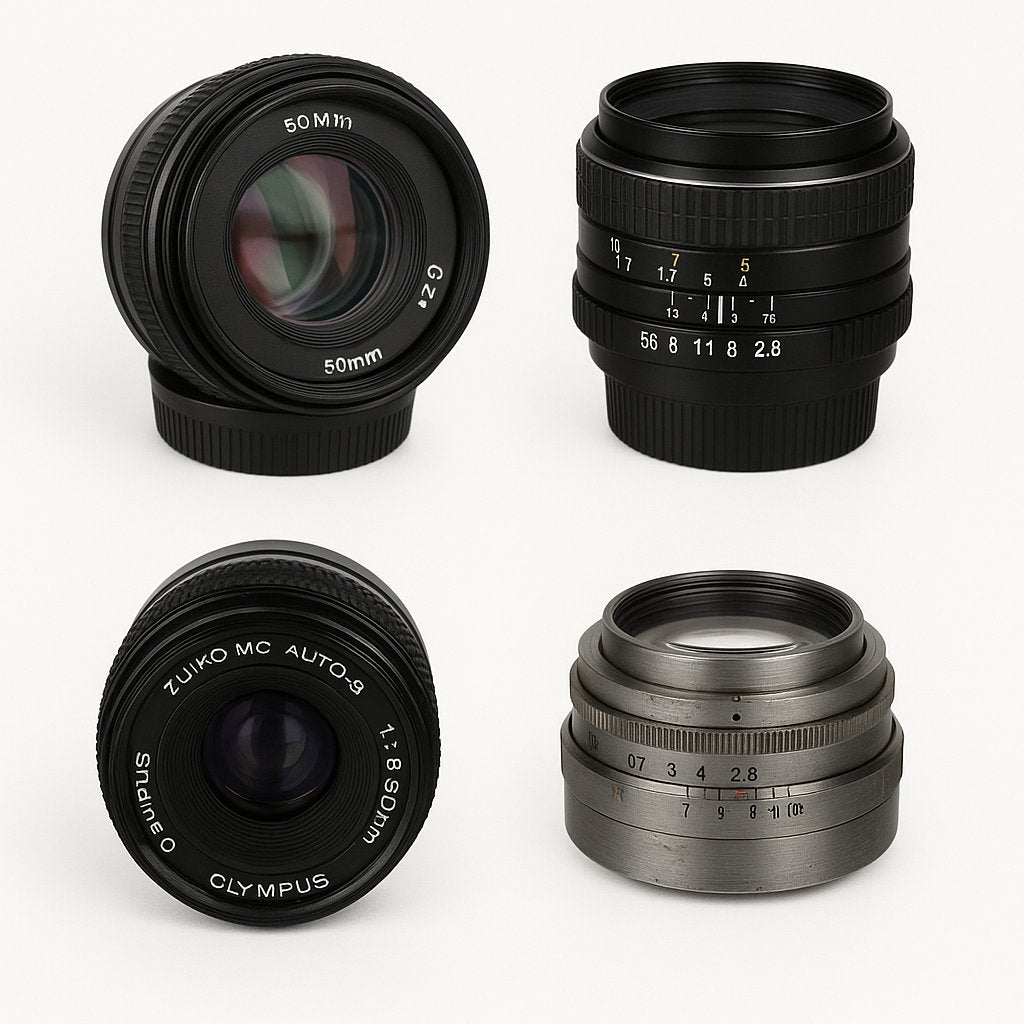
The Yashica DSB 50mm f/1.9 is a straightforward prime lens with the Contax/Yashica (C/Y) mount. While it sits below the more prestigious Zeiss options, it offers a pleasing balance of sharpness, contrast, and gentle falloff at wide apertures, making it excellent for portraits and low-light scenes.
With its relatively fast f/1.9 maximum aperture, you get shallow depth of field and the ability to keep shooting when the light drops, all while enjoying a bright, easy-to-focus viewfinder image.
How the RTS Performs for Modern Analog Shooters
Metering, shutter, and film choices
In use, the Contax RTS feels purposeful and stable. The built-in light meter, combined with the LED viewfinder display, makes exposure decisions straightforward—especially with negative film. For dependable results while learning the camera, ISO 100–400 color negative films and ISO 400–800 black-and-white stocks are excellent matches for the RTS’s metering behavior.
The electronically controlled shutter provides a wide range of speeds, from long exposures to action-freezing settings, giving you the flexibility to experiment with different subjects and styles.
Why this combo suits today’s shooters
For modern analog shooters, the RTS + DSB 50mm offers:
- A bright, manual-focus experience that trains your eye and timing.
- A compact kit that still feels robust and professional.
- A lens with a natural 50mm perspective and enough speed for available-light photography.

Adapting the Yashica DSB Lens for Digital Systems
C/Y mount on mirrorless cameras
The Yashica DSB 50mm f/1.9 uses the Contax/Yashica bayonet mount, which adapts very well to most modern mirrorless systems. With a simple, mechanical C/Y-to-mirrorless adapter, you can enjoy its rendering on digital bodies from major brands without optical elements or complicated setups.
Once adapted, focus is manual only, but focus peaking and magnification tools on mirrorless cameras make precise focusing surprisingly easy. Aperture is set on the lens itself, giving you a tactile, deliberate way of controlling depth of field that many modern lenses lack.
Why reuse vintage glass?
Using the DSB 50mm on digital keeps this lens in active use instead of on a shelf, extending its life and reducing the need for newly manufactured glass. It also gives your digital images a distinctive look—often a little less clinical than modern lenses.
If you later decide to shoot film, the same lens transfers seamlessly back to your Contax RTS, giving you a hybrid workflow where the same optics bridge analog and digital.
Buying a Contax RTS Second-Hand: What to Look For
Price expectations
On the second-hand market, you can usually expect a functional Contax RTS body to cost around $120–180, depending on cosmetic condition and recent servicing. The Yashica DSB 50mm f/1.9 typically adds another $60–90. Together, this puts a good working combo in the region of $180–270—considerably less than many digital kits, yet capable of beautiful, enduring images.
Essential inspection checklist
When shopping used—whether locally or through a trusted store like DutchThrift—take the time to evaluate the camera and lens carefully. Use this checklist as a guide:
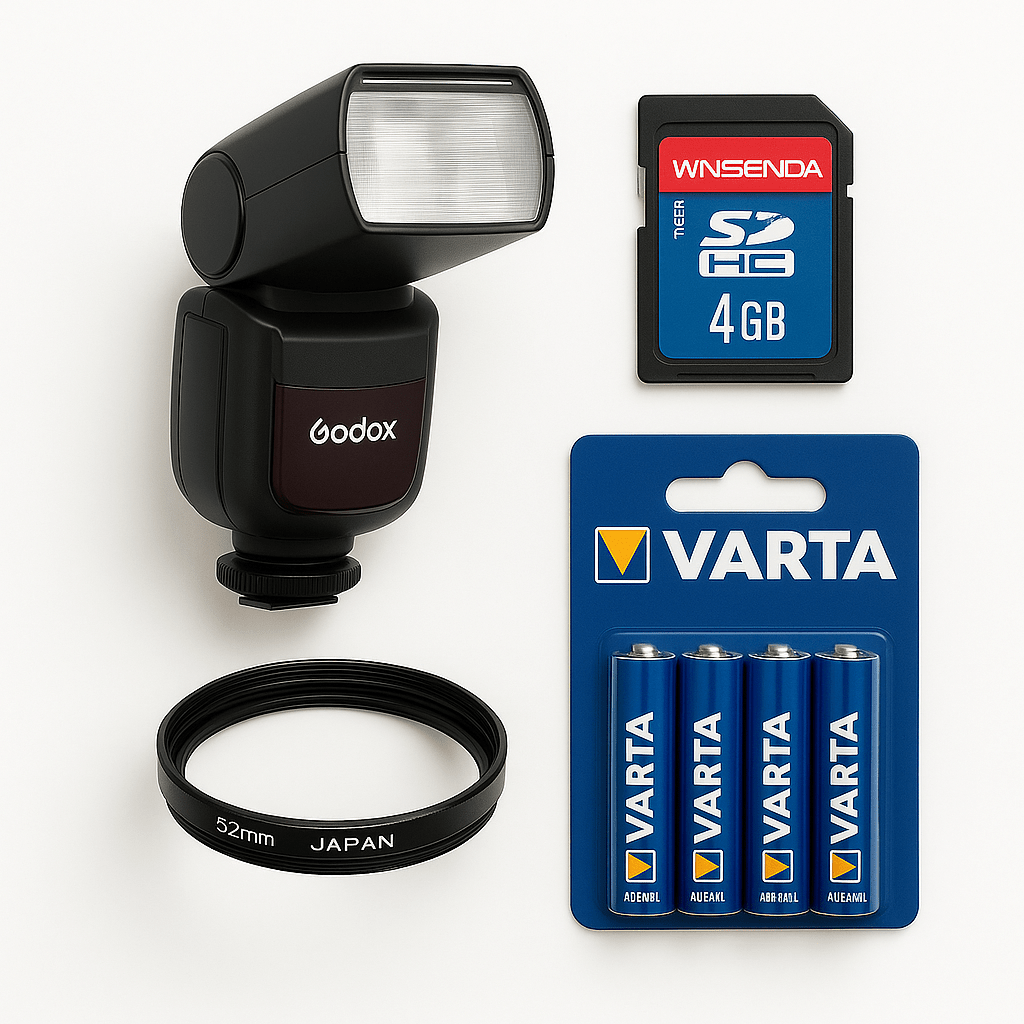
- Load fresh 6V battery (4SR44 or PX28).
- Check LED metering display lights up.
- Advance and release the shutter across speed range.
- Inspect light seals for stickiness or decay.
- Mount lens securely; test aperture and focusing.
- Test shutter consistency and meter response.
- Verify film advance and rewind levers are smooth.
- Inspect battery compartment for corrosion.
- Check lens aperture blades for oil or stickiness.
- Confirm light seals are replaced if degraded.
Thoughtful inspection not only protects your budget, it also ensures the camera is ready for regular use instead of becoming another display piece.
Final Thoughts: Enduring Appeal of the Contax RTS
The Contax RTS and Yashica DSB 50mm f/1.9 sit in a sweet spot where craftsmanship, affordability, and sustainability meet. You get a thoughtfully engineered SLR with a clear, bright finder and reliable metering, paired with a fast normal lens that is equally comfortable on film and adapted to digital.
Choosing this combo second-hand extends the life of well-made equipment and keeps more gear in circulation and out of landfill—without sacrificing creative potential. Whether you are stepping into film for the first time or adding a classic to your existing kit, the RTS + DSB 50mm remains a compelling, timeless option.
Explore more carefully inspected analog cameras and matching camera lenses at DutchThrift to build a setup that fits your way of seeing.
FAQs
Does the Contax RTS require batteries to operate? Yes. The RTS needs a 6V battery (4SR44 or PX28) to power both the shutter operation and the built-in light meter; without it, the camera will not function correctly.
Is the Yashica DSB 50mm lens compatible with other cameras? The DSB 50mm uses the Contax/Yashica mount and can be adapted to many modern mirrorless cameras with a simple C/Y-to-mirrorless adapter, while remaining fully usable on C/Y film bodies.
What film types work best with the Contax RTS? ISO 100–400 color negative films and ISO 400–800 black-and-white films typically pair very well with the RTS’s built-in meter, giving you generous exposure latitude and reliable results.
How much should I expect to pay for this combination second-hand? A functional RTS body usually costs around $120–180, and the Yashica DSB 50mm lens adds roughly $60–90, depending on cosmetic condition and any recent servicing.