



The Legacy Behind the Tessar 2.8/50 Altix
The Carl Zeiss Jena Tessar 2.8/50 in Altix mount is part of a legendary optical lineage dating back to 1902. The Tessar design—four elements in three groups—became famous for its mix of sharpness, contrast, and compact size. Mounted on Altix rangefinder cameras, this 50mm version was a practical “everyday” lens long before that word became a marketing slogan.
What makes it special today is not just the Zeiss name, but the way it renders scenes: crisp centers, gentle falloff toward the edges, and a classic look that feels more like film than pixels. For photographers used to clinical modern optics, the Tessar 2.8/50 Altix can feel like a quiet rebellion—a reminder that character often matters more than perfection.
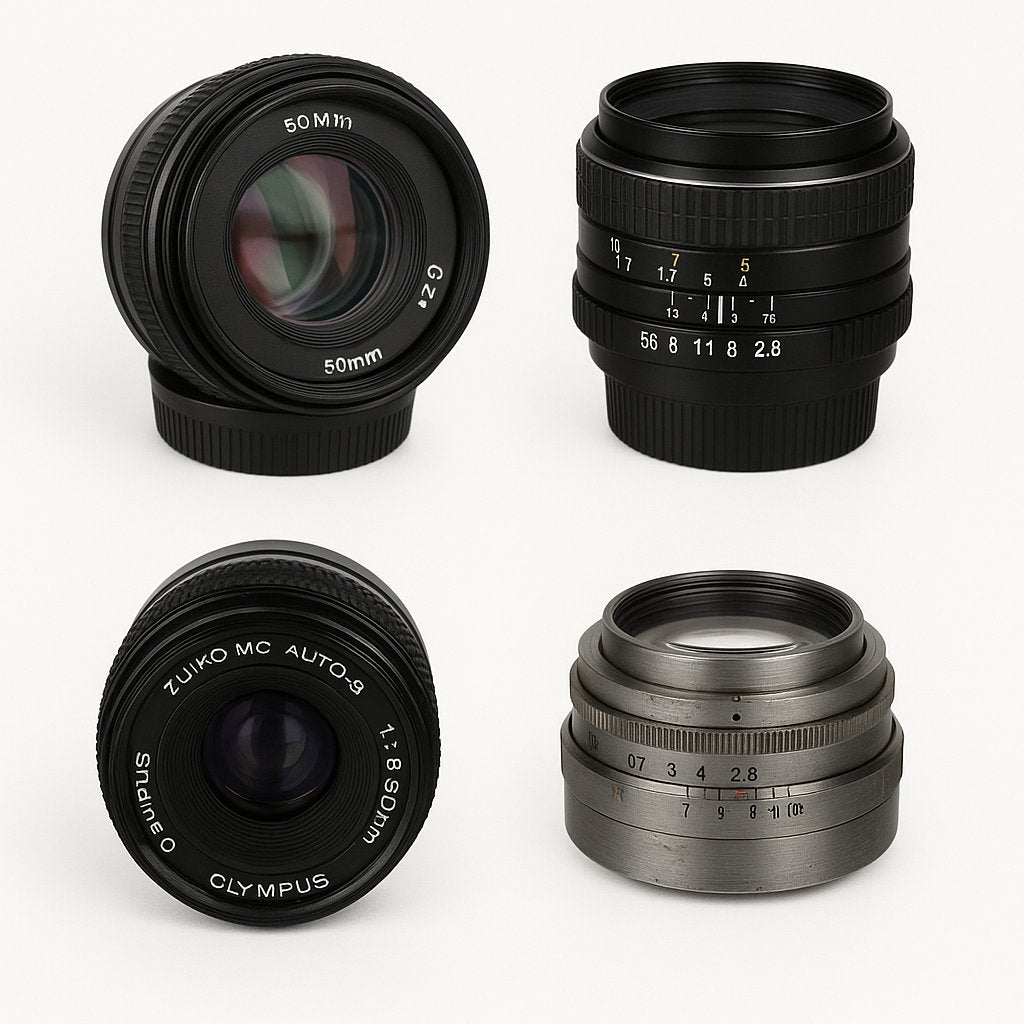
I remember opening an old family camera box and finding a small metal lens wrapped in a yellowed cloth. The knurled focus ring, the engraved distance scale, the weight in the hand—it felt instantly timeless, as if it had already seen a lifetime of stories and was ready for a few more.
Specifications and Build Quality
Classic Tessar Optical Formula
The Tessar 2.8/50 uses the traditional Tessar layout: a simple but refined optical path that prioritises contrast and central sharpness. At f/2.8 it offers a usable, modestly fast aperture, and stopped down to f/5.6–f/8 it becomes very sharp in the central area of the frame.

All-Metal Construction
As a lens from the analog era, the Tessar 2.8/50 Altix is built almost entirely from metal and glass. The focus ring typically has a medium throw that allows precise focusing, and the aperture is controlled by a manual ring with clear, click-stop markings.
Because Altix cameras used a proprietary bayonet, the lens mount has small lugs that lock onto the camera (or adapter). These need to be intact and undamaged for secure mounting, especially when adapting to digital bodies.

Modern Relevance: Adapting the Tessar for Digital Use
Mirrorless: The Best Match
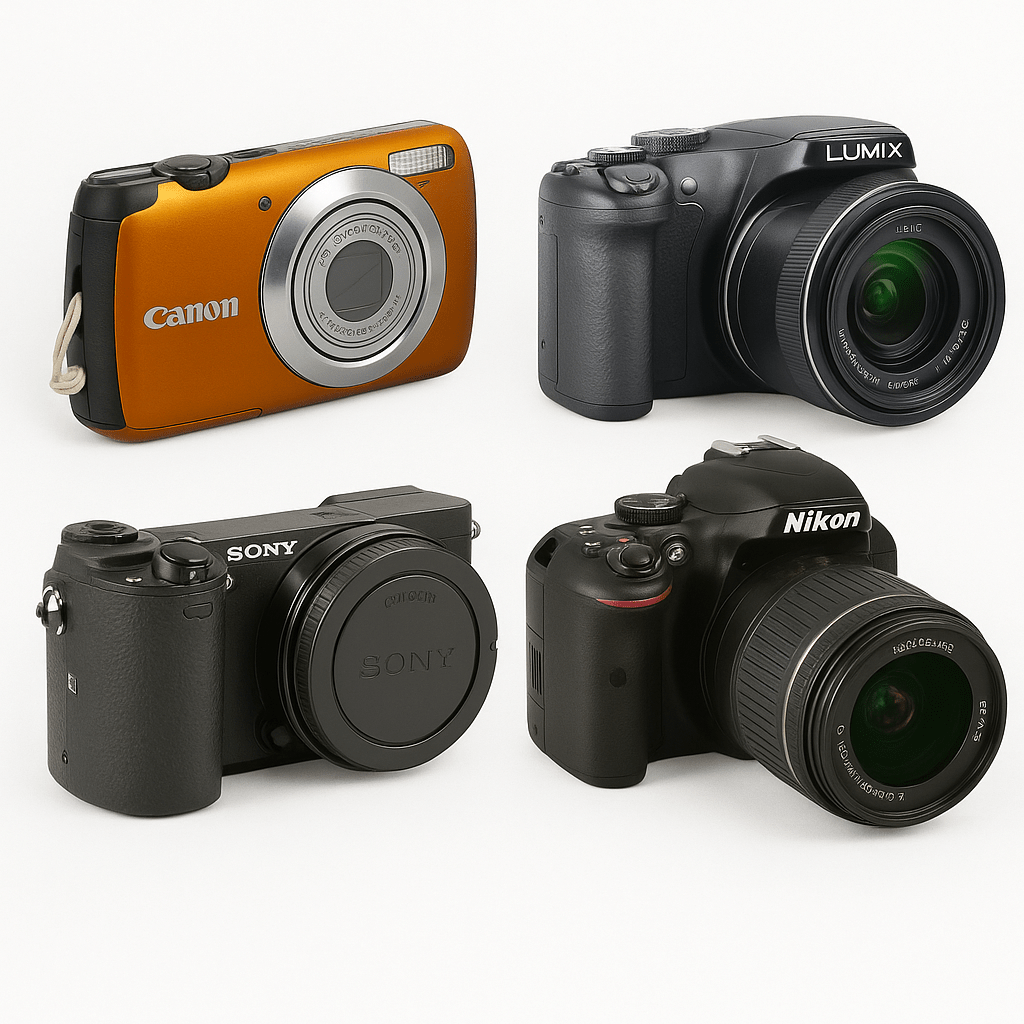
The Altix mount is no longer used on modern cameras, but the Tessar 2.8/50 can be given a second life on mirrorless systems (Sony E, Fujifilm X, Micro Four Thirds, Canon RF, Nikon Z, etc.) with a suitable custom or third-party adapter. The shorter flange distance of these bodies provides enough room to maintain infinity focus.
- ✅ Verify adapter flange distance for infinity focus.
- ✅ Enable focus magnification or peaking in your camera menu.
- ✅ Use manual exposure mode for consistent results.
- ✅ Test the lens wide open and stopped down for different character.
DSLR Limitations
On DSLRs, the longer flange distance is more restrictive. Achieving infinity focus generally requires optical correction in the adapter, which can degrade image quality. For that reason, the Tessar 2.8/50 Altix is best reserved for mirrorless bodies, where a simple mechanical adapter can keep the original optical performance intact.
Buying a Good Tessar 2.8/50 Altix on the Second-Hand Market
Essential Inspection Points
Because every Tessar in Altix mount is a vintage item, condition varies widely. When buying second-hand, especially online, focus on these points:
- 🔍 Check focus ring for smooth rotation.
- 🔍 Inspect optics for haze or separation.
- 🔍 Ensure diaphragm blades are dry and responsive.
- 🔍 Confirm mount lugs are intact and secure.
Light cleaning marks on the front element are common and usually harmless for real-world photography. Internal haze, fungus, or balsam separation, however, can reduce contrast and sharpness and are best avoided unless you plan on a full CLA (clean, lubricate, adjust).
Where to Find Reliable Copies
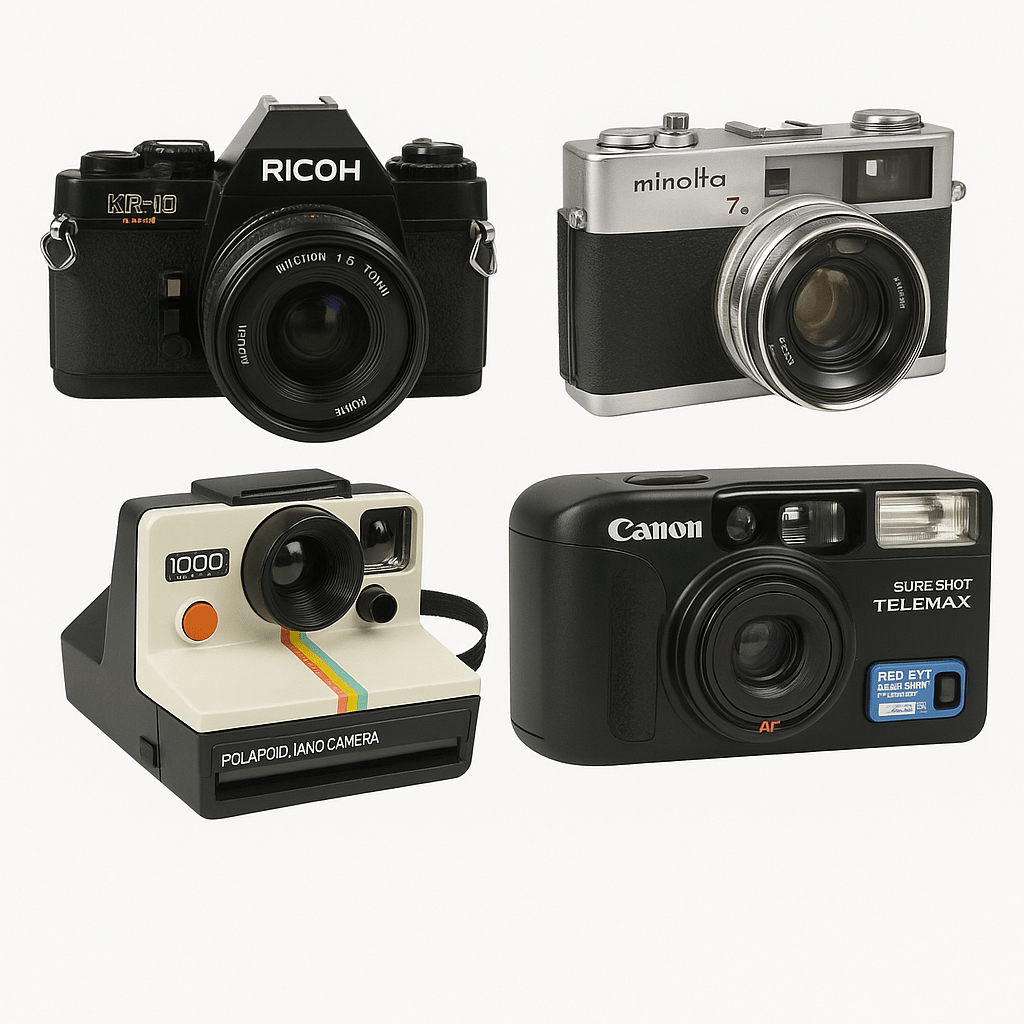
The Tessar 2.8/50 Altix occasionally appears in mixed lots of analog cameras or as a stand-alone item in specialist second-hand stores. Reputable shops will often test focus movement, aperture functionality, and provide honest descriptions of cosmetic and optical condition.
Creative Applications: Modern Ways to Use Vintage Glass
Photography: Embracing Character
On digital cameras, the Tessar 2.8/50 Altix brings a distinct, almost “analog” look. The center is crisp, with gentle vignetting and slightly softer corners that draw the eye naturally to your subject. Skin tones tend to look natural and flattering, making this lens a lovely option for portraits, environmental details, and everyday street scenes.
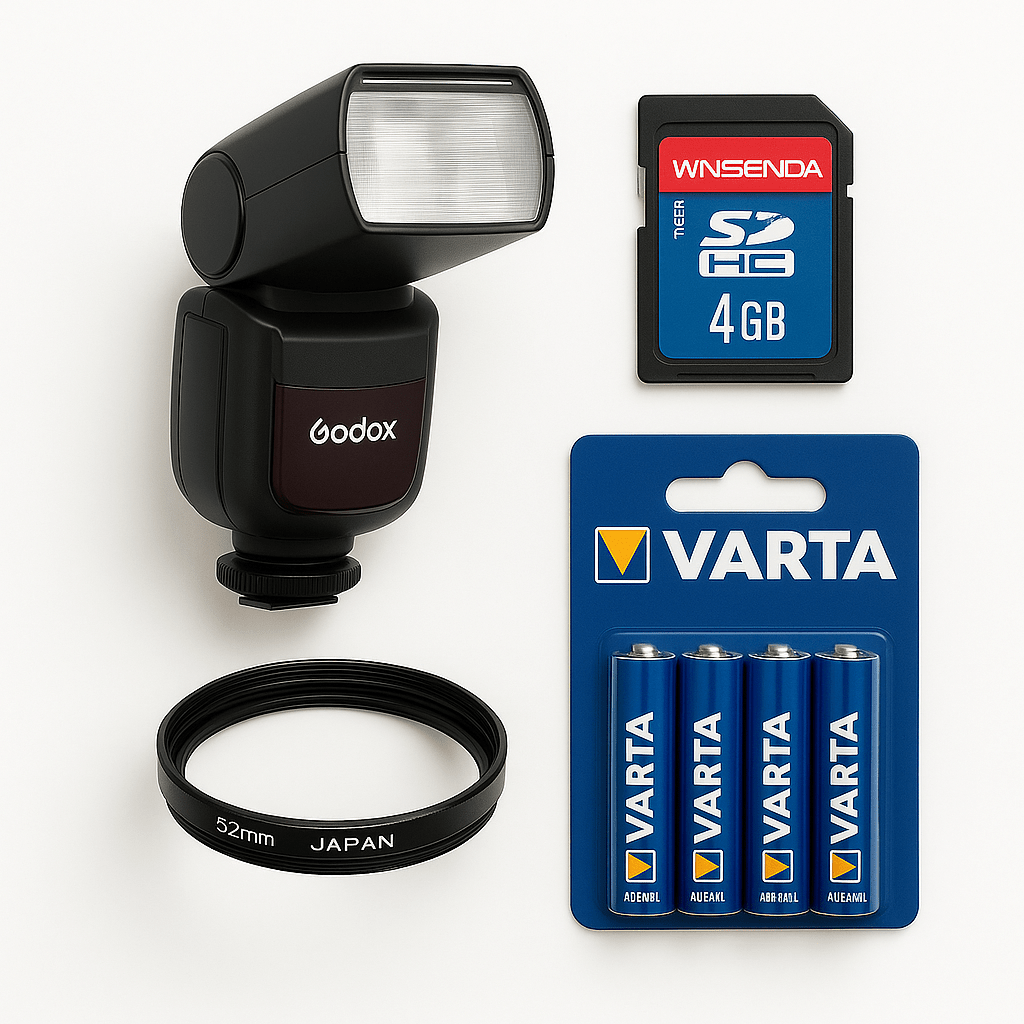
On APS-C or Micro Four Thirds bodies, the effective field of view tightens, turning the lens into a short telephoto that works beautifully for portraits and detail shots. Pair it with simple, lightweight photography accessories like a thumb grip or vintage-style strap to keep your kit compact and nimble.
Video: A Filmic Look on Modern Sensors
For video shooters, the Tessar 2.8/50 offers a subtly filmic rendering with moderate contrast and natural colours. Slight edge softness and gentle vignetting can make frames feel more cinematic than sterile, especially when combined with careful lighting and deliberate camera movement.
Focus breathing is relatively modest compared to many modern autofocus lenses, and the manual focus ring gives you tactile control when pulling focus in narrative or documentary work.
If you already own modern camera lenses, the Tessar 2.8/50 Altix will not replace them—but it will complement them with a different mood and pace of working.
Conclusion: The Joy of Manual Craftsmanship
The Carl Zeiss Jena Tessar 2.8/50 Altix is more than a technical artefact from the film era. It is a compact piece of optical history that still makes compelling images today, especially when adapted to mirrorless cameras.
If you enjoy slowing down, focusing by hand, and embracing a slightly imperfect, human look, this lens rewards you with photographs and footage that feel intentional rather than algorithmic. In a world of disposable gear, giving a vintage Tessar a second life is both creatively inspiring and quietly sustainable.
FAQs
Is the Carl Zeiss Jena Tessar 2.8/50 Altix compatible with modern cameras? Yes, it can be adapted to most mirrorless systems using custom or readily available Altix-to-mirrorless adapters. On DSLRs, the longer flange distance makes infinity focus difficult without optical adapters, so mirrorless bodies are strongly preferred.
What kind of image quality can I expect from the Tessar 2.8/50? Expect crisp central sharpness, classic Zeiss contrast, and a gentle, vintage rendering. Edges are softer than with modern multi-element optics, which many photographers appreciate for its organic, less clinical look.
What should I check when buying this lens second-hand? Ensure the focus ring turns smoothly across the full range, the glass is free from serious haze or separation, the aperture blades move cleanly and remain dry, and the Altix mount lugs are undamaged and secure.
Is it worth using the Tessar 2.8/50 for video? Absolutely, if you like a filmic, characterful image. The Tessar offers natural contrast and a distinctive rendering that suits creative, narrative, and experimental projects, especially when you are comfortable with fully manual operation.
Curious to explore more characterful gear? Browse our curated selection of analog cameras, camera lenses, and thoughtfully chosen photography accessories to build a timeless, sustainable kit.