



Introduction to the Canon Speedlite 420EX
The Canon Speedlite 420EX is one of those workhorse flashes that quietly keeps doing its job, year after year. Designed for Canon EOS cameras, it brings reliable E‑TTL metering, bounce and swivel movement, and enough power for portraits, events, and everyday photography without the complexity of modern flagship flashguns.
Where built‑in pop‑up flashes create flat, harsh light, the 420EX lets you shape and bounce light, bringing depth and realism back into your images. For many photographers, it was their first step into “real” flash photography.
The first time I switched from a built-in pop-up flash to an external unit like the 420EX, my photographs instantly looked less like snapshots and more like magazine images: softer shadows, catchlights in the eyes, and colours that finally matched the atmosphere of the room.

Key Features and Technical Highlights
Core specifications
The Canon Speedlite 420EX sits in the mid‑range of Canon’s classic flash lineup. It offers a solid combination of power and simplicity that still holds up today:
- E‑TTL / TTL automatic flash exposure with compatible Canon EOS cameras
- Guide Number 42 (meters, ISO 100 at 105mm), enough for most indoor and portrait work
- Motorized zoom head to match common focal lengths on Canon lenses
- Tilt and swivel head for bounce flash off ceilings and walls
- Optical slave capability when used as a wireless receiver in Canon’s older system
- Powered by four AA batteries (alkaline or NiMH rechargeables)
Design and handling
The 420EX is compact compared to modern, feature‑packed flashguns, which makes it a comfortable match for smaller digital cameras as well as classic analog cameras. The head tilts and swivels smoothly, allowing you to bounce light off nearby surfaces instead of blasting it straight at your subject.

Why the 420EX Remains Relevant in 2025
Compatibility with digital and mirrorless Canon bodies
Even in 2025, the 420EX fits naturally into many Canon setups. On Canon DSLRs with a standard hotshoe, it supports E‑TTL automatic metering. On Canon EOS R series mirrorless cameras, it can still be used via an EF–R adapter, giving you reliable exposure without menus full of advanced options.
For photographers using older EOS film bodies, it doubles as a dependable companion for low‑light analog shooting, bridging eras in a single, affordable unit.
Simple, dependable lighting tool
The 420EX is about dependable, repeatable results instead of feature overload. There are no complex radio menus or touchscreens to navigate; you mount it, switch it on, and shoot. This makes it an excellent learning tool for photographers moving beyond natural light and built‑in flashes.
Practical Uses and Creative Lighting Examples
Portraits with soft, flattering light
Mount the 420EX on your camera, tilt the head up toward a white ceiling, and let the light spread and soften before it reaches your subject. This simple bounce technique can transform harsh direct flash into flattering portrait light with gentle shadows and natural skin tones.
Event and documentary photography
In dim venues—weddings, parties, small concerts—the 420EX provides enough power to balance ambient light and keep ISO levels under control. Using E‑TTL, the flash adjusts output automatically as you move between subjects and backgrounds, letting you concentrate on timing and composition.
Off‑camera and creative setups
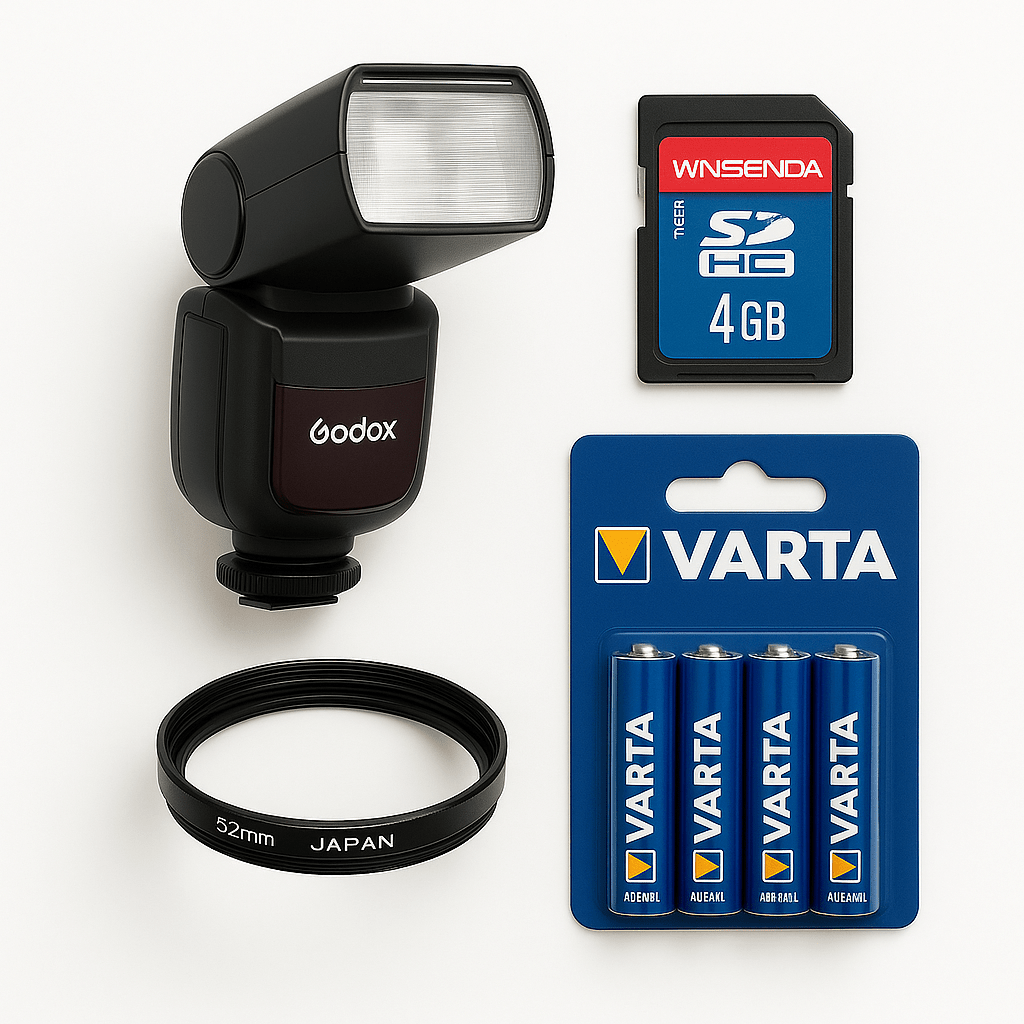
Although it predates built‑in radio systems, the 420EX can still be used off‑camera as an optical slave within Canon’s older wireless setup, or triggered with compatible accessories from the photography accessories range. This opens the door to basic two‑light setups, backlighting, and rim lighting for portraits or still life.
Buying a Second-Hand Canon Speedlite 420EX
Choosing a second‑hand 420EX is an environmentally conscious way to upgrade your lighting while keeping electronic waste out of landfill. It also stretches your budget, freeing up money for lenses, tripods, or film.
Essential checks before you buy
Because flashguns combine high‑voltage electronics with moving parts, inspection matters. When evaluating a used Canon Speedlite 420EX, work through this checklist:
- Inspect for corrosion in battery compartment.
- Insert batteries — verify ready lamp operation.
- Test flash firing and exposure accuracy.
- Ensure head moves smoothly and locks securely.
- Confirm optical slave function on test setup.
Condition, batteries, and real-world testing
Check that the hotshoe contacts are clean and that the zoom head responds when you change focal length on your lens. Listen for any unusual squeaks or grinding sounds from the zoom or recycling circuitry. A faint whine as the flash charges is normal; loud or irregular noises can indicate wear.
Power choice also affects performance. Rechargeable NiMH cells—especially premium types—generally provide faster recycle times than standard alkaline batteries, allowing you to keep up with events and portraits without long pauses between shots.
Conclusion: A Classic Flash That Still Delivers
The Canon Speedlite 420EX may not have the latest bells and whistles, but its balance of power, simplicity, and compatibility keeps it firmly relevant in 2025. For Canon shooters who want to step beyond on‑camera pop‑up flashes without breaking the bank, a well‑cared‑for second‑hand 420EX is a smart, sustainable choice.
Whether you are lighting portraits, documenting family events, or exploring off‑camera flash for the first time, this classic Speedlite remains a dependable companion that helps your camera—and your creativity—shine.
FAQs
Is the Canon Speedlite 420EX compatible with modern Canon mirrorless cameras? Yes. When you use the 420EX with an EF–R adapter on many Canon EOS R series cameras, it supports automatic E‑TTL flash exposure, giving you accurate, automated results.
Does the 420EX allow manual flash power control? No. The 420EX relies on E‑TTL or TTL metering through the camera; there is no manual power control available directly on the flash unit itself.
What should I check when buying a used Canon 420EX? Test that the flash fires reliably, the head tilts, swivels, and locks correctly, and the zoom motor follows your lens. Inspect the battery compartment and contacts for corrosion or heavy wear before committing.
What batteries work best in the 420EX? Rechargeable NiMH AA batteries, such as Eneloop Pro, typically deliver faster recycle times and more consistent performance than standard alkaline cells, making them ideal for events and longer shoots.
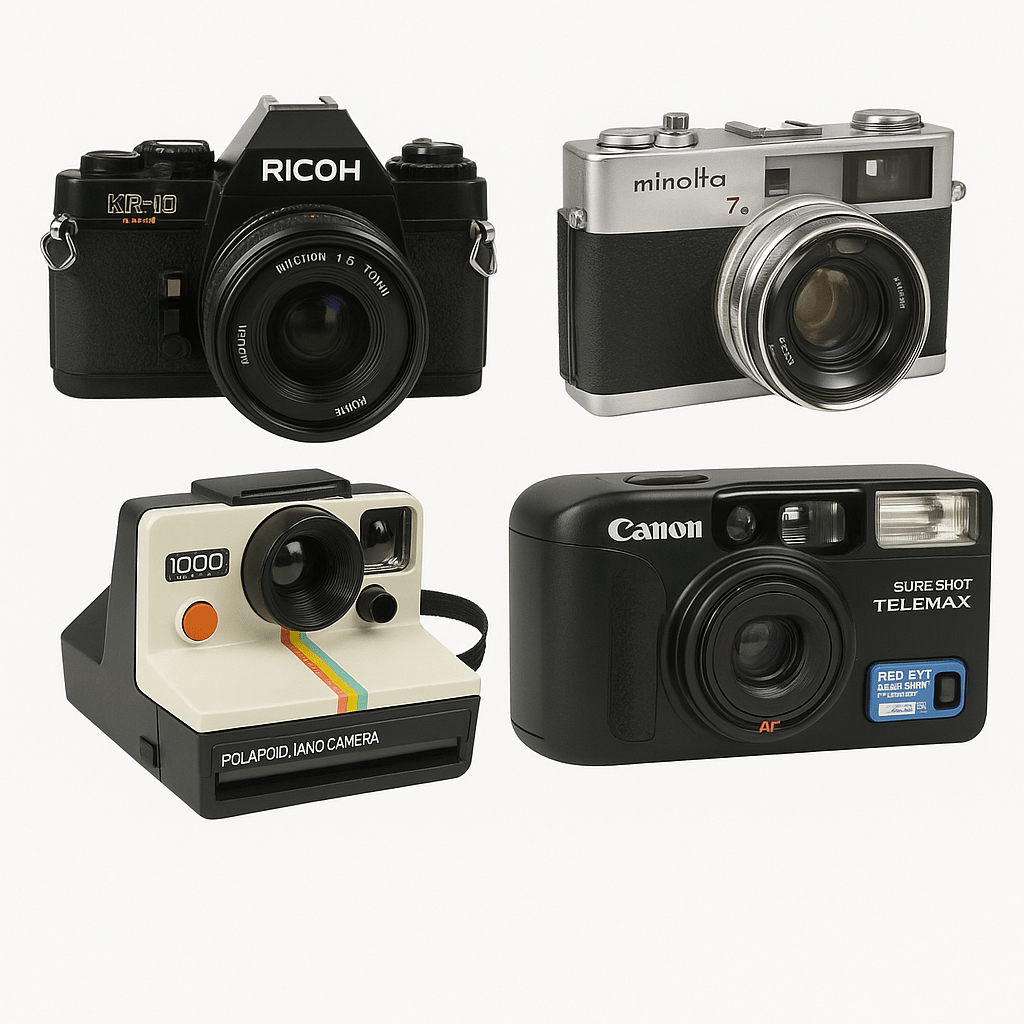
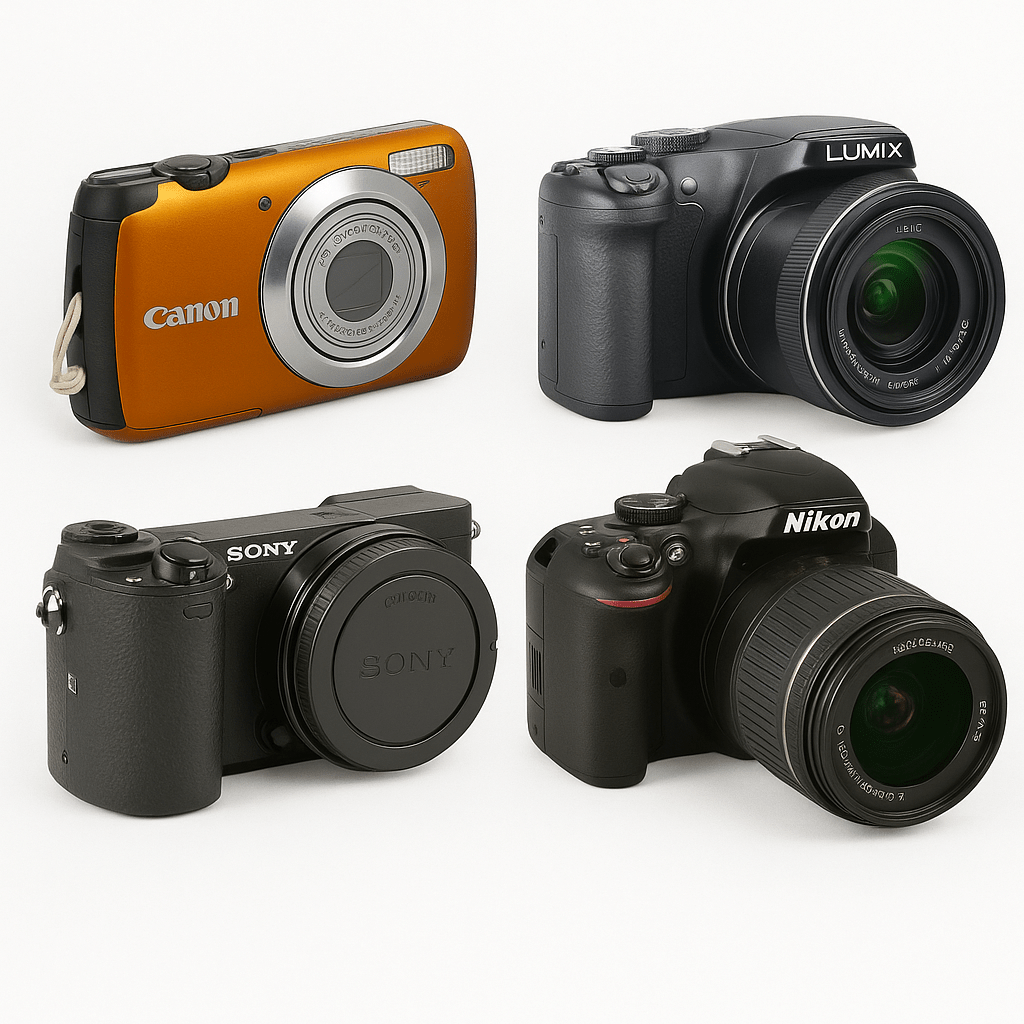
Ready to build a capable, sustainable kit? Explore our curated selection of second-hand digital cameras, classic analog cameras, and essential photography accessories to pair with your Canon Speedlite 420EX.