



A Brief History of the Canon FD 50mm f/1.8
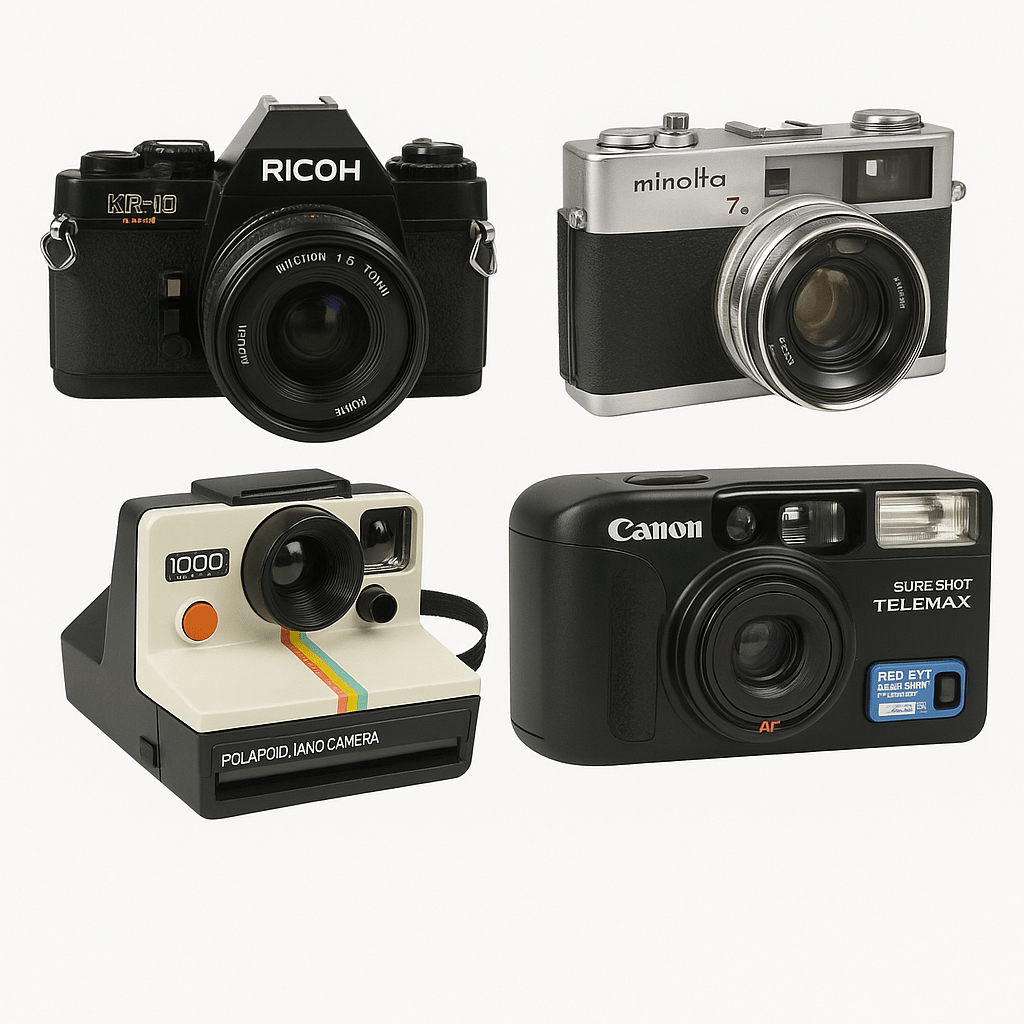
The Canon FD 50mm f/1.8 arrived in the 1970s as a compact “standard” lens for Canon FD-mount SLR cameras. Sold in huge numbers, it quickly became the everyday companion for generations of film photographers. Lightweight, reliable, and surprisingly sharp, it was bundled with many analog cameras, which is why this lens is still so common on the second-hand market today.
Over several iterations, Canon refined the optical coatings, build materials, and focusing feel, but the core formula remained the same: a fast 50mm prime that balanced performance and price. For many, the FD 50mm f/1.8 was the first “serious” lens they ever used.
My first roll of film with the Canon FD 50mm f/1.8 taught me that manual focus is less about speed and more about intention. Slowing down to line up the split-image on the focusing screen felt awkward at first, but when the prints came back, every in-focus frame had a sense of deliberateness that surprised me—like each shot had been truly seen before it was made.
Today, the same qualities that made the FD 50mm f/1.8 a workhorse on film—compactness, bright maximum aperture, and honest rendering—make it a compelling option for digital creators who want character without sacrificing usability.
Key Technical Characteristics that Define this Classic Lens
Optical design and image rendering
The Canon FD 50mm f/1.8 uses a classic double-Gauss design with multi-coated elements to control flare and maintain contrast. Wide open at f/1.8, images show a gentle softness and subtle vignetting that many photographers now seek for a vintage look. Stop down to around f/2.8–f/4 and the lens tightens up, delivering crisp detail and good micro-contrast across the frame.
Bokeh is usually smooth and unobtrusive, with background highlights taking on a slightly oval shape toward the edges. It is not clinically perfect—the charm lies in how it balances sharpness with a touch of imperfection.

Build, handling, and focusing
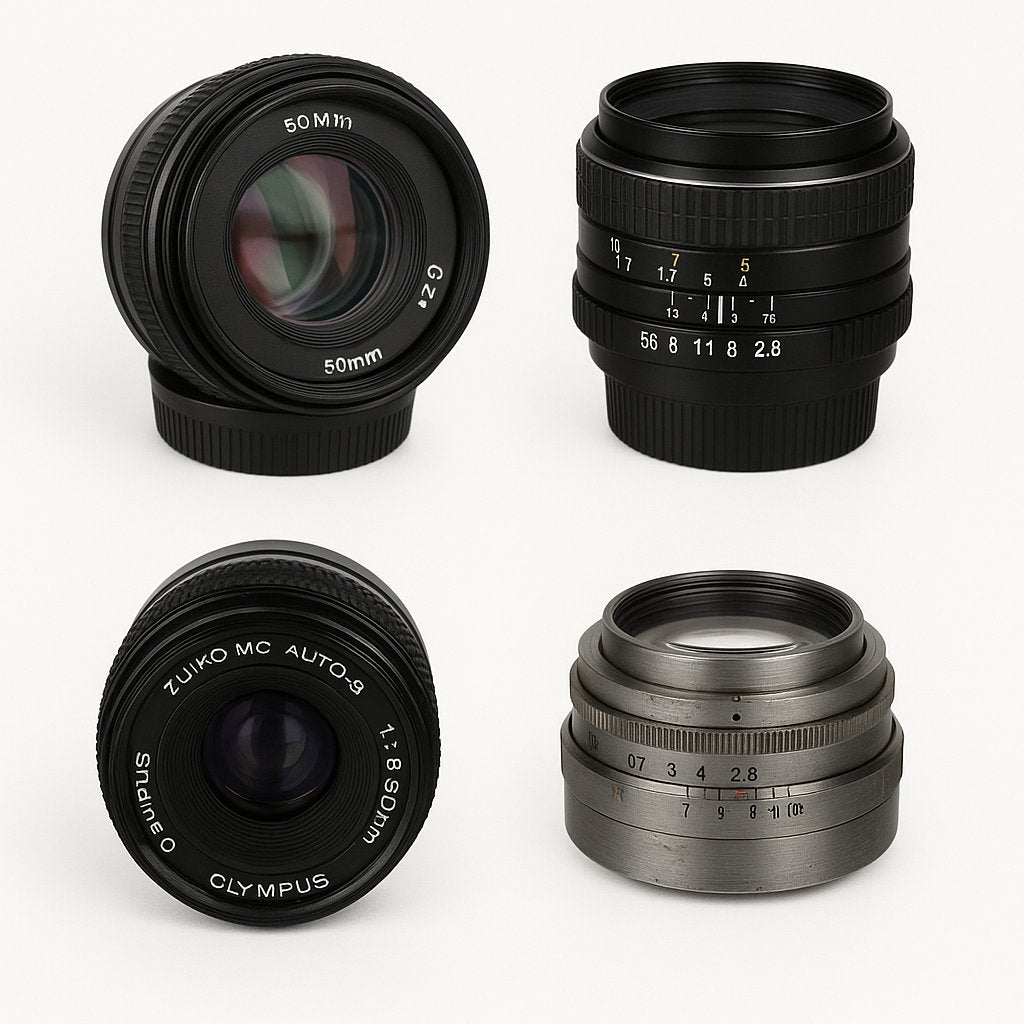
Most versions of the FD 50mm f/1.8 feature a metal mount, rubberized focusing ring, and a compact barrel that balances beautifully on both classic SLRs and modern mirrorless bodies. The manual focus throw is long enough for precise adjustments—especially useful for video—without feeling slow in everyday use.
Aperture is controlled on the lens via a physical ring, usually from f/1.8 to f/16, with click stops. On adapted setups, this manual aperture control gives you direct, tactile exposure control even when the camera body itself has no electronic communication with the lens.
Modern-Day Usage: Vintage Character Meets Digital Workflow
Adapting the FD 50mm to mirrorless cameras
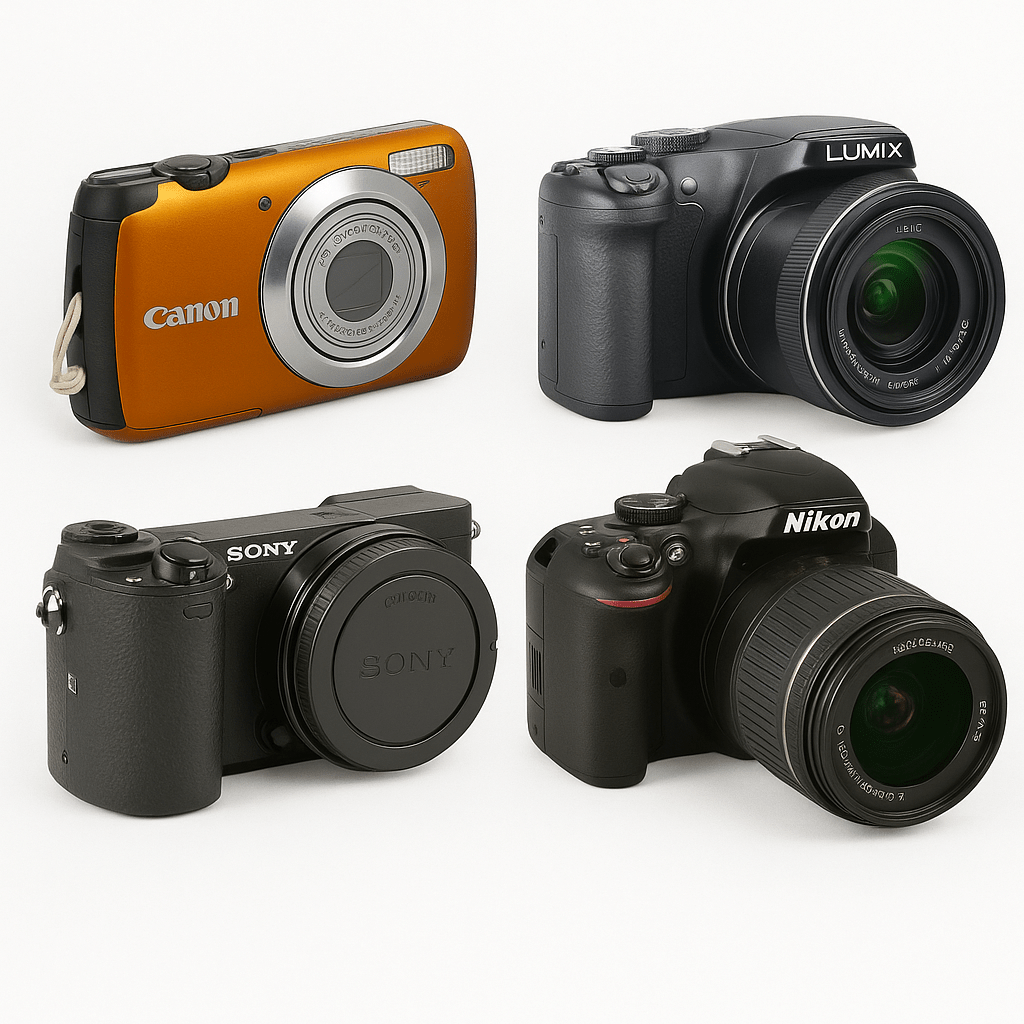
While FD lenses cannot be mounted natively on modern Canon EF or RF bodies without optical adapters, they pair exceptionally well with mirrorless systems. With a simple mechanical adapter, you can enjoy the FD 50mm f/1.8 on mounts like Sony E, Fujifilm X, or Micro Four Thirds.
- ✅ Choose a compatible FD adapter for your mirrorless mount.
- ✅ Test focus peaking or magnification for sharper results.
- ✅ Try aperture priority mode for ease of exposure control.
- ✅ Clean lens elements before each session to reduce flare.
Most cameras operate smoothly in aperture priority or manual mode with adapted FD lenses. You simply set the aperture on the lens, and let the camera handle the shutter speed and ISO.

Why digital shooters still love this lens
Mirrorless cameras make manual focus easier than ever with tools like focus peaking, magnification, and in-body image stabilization. Combined with the FD 50mm f/1.8, you get a small, bright lens that delivers a nostalgic look, ideal for portraits, street photographs, and atmospheric video.
For creators conscious of sustainability, using a second-hand FD lens extends the life of existing gear and keeps classic optics in circulation instead of landfill—perfectly in line with DutchThrift’s ethos.
What to Check When Buying a Used Canon FD 50mm f/1.8
Essential inspection points
Because the FD 50mm f/1.8 is several decades old, careful inspection is important when buying second-hand. Here is a quick checklist to guide you:
- 🔍 Aperture test — blades close smoothly.
- 👁️ Check for fungus or haze under strong light.
- 🧭 Rotate focus ring from minimum to infinity.
- 🪛 Inspect the mount for clean engagement.
- 💡 Verify any serial number or lens cap fitment.
Light dust inside the lens is normal and rarely affects image quality. However, haze, balsam separation, or oil on the aperture blades can impact performance and may require professional servicing.
Reputable used dealers like DutchThrift inspect and grade each lens before offering it for sale, so you know exactly what to expect in terms of cosmetic and optical condition.
Creative Applications and Real-World Examples
Portraits with character
At f/1.8–f/2.8, the FD 50mm f/1.8 is perfect for portraits with gently blurred backgrounds and flattering rendering. Slight softness wide open smooths skin tones without losing important detail, while stopping down a little adds more crispness for headshots or environmental portraits.
Street, travel, and everyday photography
On full frame, 50mm offers a natural field of view that feels close to human vision. On APS-C or Micro Four Thirds, it becomes a short telephoto—great for tighter compositions and isolating subjects. Its small size and discreet profile make it ideal as an everyday walk-around lens.
Video and cinematic projects
Manual focus and smooth aperture control make this lens an excellent choice for video. You can perform controlled focus pulls, ride the aperture ring for exposure adjustments, and embrace subtle flares for a cinematic touch.
Whether you are shooting on a vintage Canon SLR or a modern mirrorless camera, this lens encourages you to slow down, think about your frame, and commit to each shot.
Why This Lens Endures: The Canon FD 50mm f/1.8 Legacy
The Canon FD 50mm f/1.8 has endured because it balances affordability, quality, and usability in a way few lenses can match. It invites beginners into the world of manual photography while still rewarding experienced shooters with nuanced rendering and tactile control.
In an era of large, complex autofocus lenses, the FD 50mm f/1.8 remains refreshingly simple. It is a reminder that memorable images come more from the photographer’s eye than from cutting-edge electronics. When you buy one second-hand, you are not just saving money—you are giving a classic piece of optical engineering a new life.
If you are building a compact, characterful kit, consider pairing this lens with one of our carefully inspected analog cameras or mounting it on your mirrorless body alongside other vintage camera lenses.
FAQs
Can I use the Canon FD 50mm f/1.8 on modern digital cameras? Yes, you can mount it on many mirrorless cameras with a simple mechanical FD-to-mirrorless adapter. Popular choices include Sony E, Fujifilm X, and Micro Four Thirds mounts.
Is the Canon FD 50mm good for video work? Absolutely. Its manual focus ring and smooth aperture control provide precise handling for cinematic focus pulls and creative flares, especially in controlled lighting.
How sharp is the FD 50mm f/1.8? The lens is pleasantly soft but usable at f/1.8, then becomes notably sharp from around f/2.8 onward, making it flexible for both dreamy portraits and crisp everyday scenes.
What should I check before buying a used FD 50mm lens? Make sure the aperture blades move freely, the focus ring travels smoothly from minimum distance to infinity, the glass is free of haze or fungus, and the mount locks securely. A little dust is normal; oil, heavy haze, or severe fungus is not.
Ready to rediscover classic Canon optics? Explore our curated selection of second-hand camera lenses, analog cameras, and essential photography accessories at DutchThrift.com and build a sustainable, characterful kit that will inspire you for years to come.