



A Classic Lens from Canon’s Autofocus Dawn
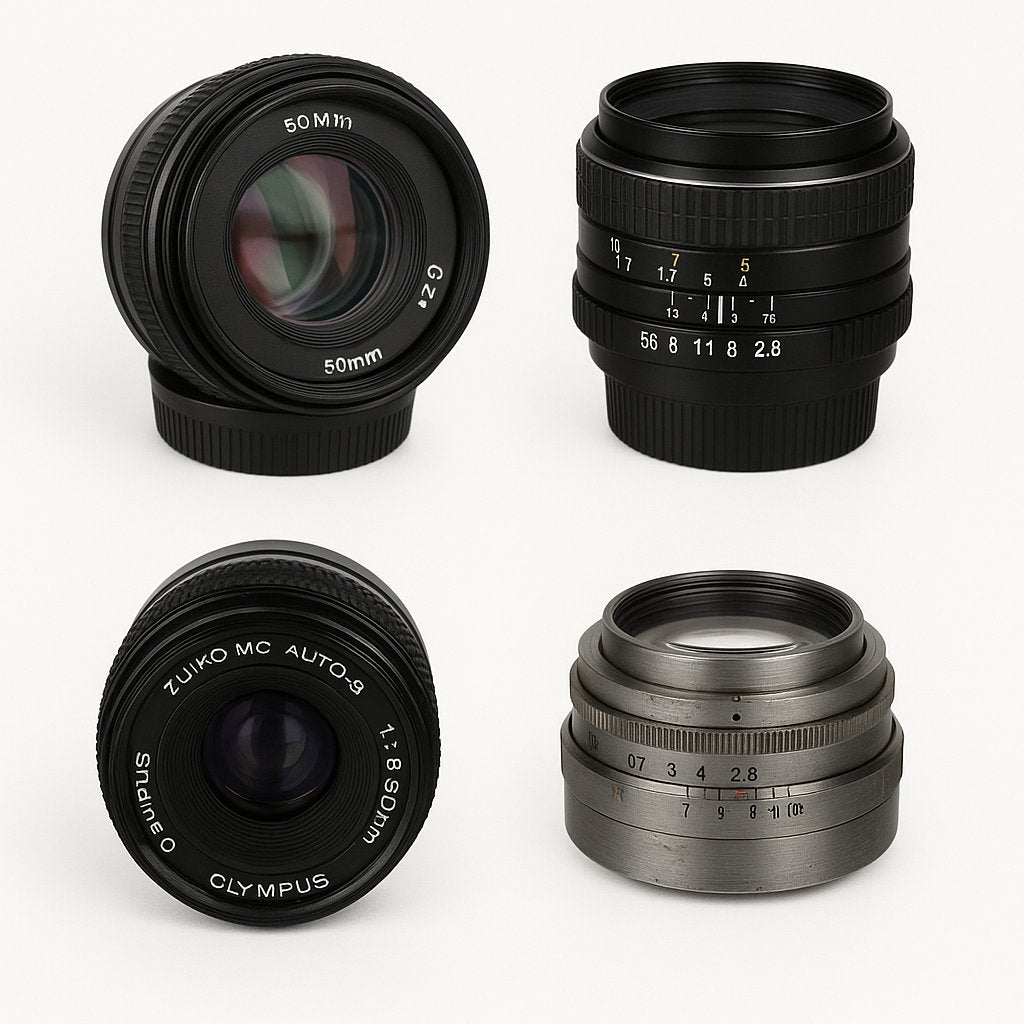
The Canon EF 70–210mm f/3.5–4.5 is a child of the late 1980s and early 1990s, when Canon was redefining photography with its EF mount and fully electronic autofocus system. Today it sits in a sweet spot: modern enough to work seamlessly with digital bodies, vintage enough to have character and charm that many newer zooms have lost.
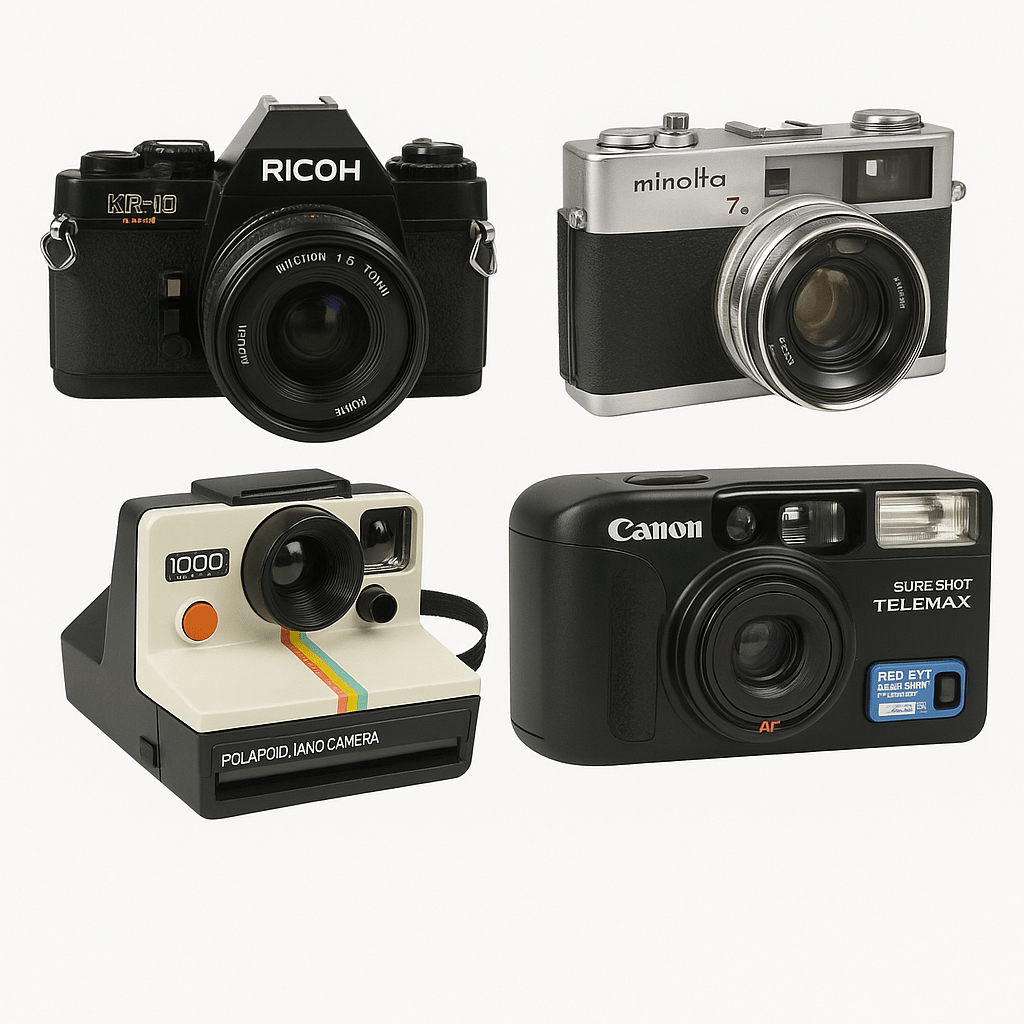
Built with a plastic exterior around a solid core, it is lighter and more compact than many modern telephoto zooms. That makes it an appealing choice for photographers who want reach without hauling a brick in their bag. Mounted to a classic SLR film camera, it feels right at home, but the real magic happens when you adapt it to mirrorless.
The first time I adapted a lens like the EF 70–210mm to a mirrorless body, I was struck by how small and balanced it felt compared to modern 70–200 f/2.8 monsters—yet the images still had that long-lens compression and a surprisingly smooth, almost analog glow in the bokeh.

Key Technical Highlights of the Canon EF 70–210mm f/3.5–4.5
Optical design and aperture
The 70–210mm focal range covers short telephoto to proper telephoto, perfect for portraits, detail shots, and compressed landscapes. The variable f/3.5–4.5 aperture is a touch faster than many consumer zooms that start at f/4 or f/4.5, giving you a little extra speed at the wide end and respectable subject separation across the range.
Stopped down to around f/4–4.5, the lens offers a balanced mix of sharpness, contrast, and classic rendering. Wide open, it leans a bit softer and more forgiving—flattering for portraits and atmospheric scenes.
Focusing, electronics, and handling
As an early EF lens, it features fully electronic aperture control and autofocus when mounted to compatible bodies or used with the correct adapter. Autofocus is not as snappy as modern USM glass, but on recent mirrorless bodies it is surprisingly usable for everyday shooting.
The manual focus ring provides a long, smooth throw that many video shooters appreciate. Zoom action is straightforward, and once you learn its feel, it becomes intuitive for framing quickly between 70mm and 210mm.
Real-World Uses on Modern Cameras
Adapting to mirrorless systems
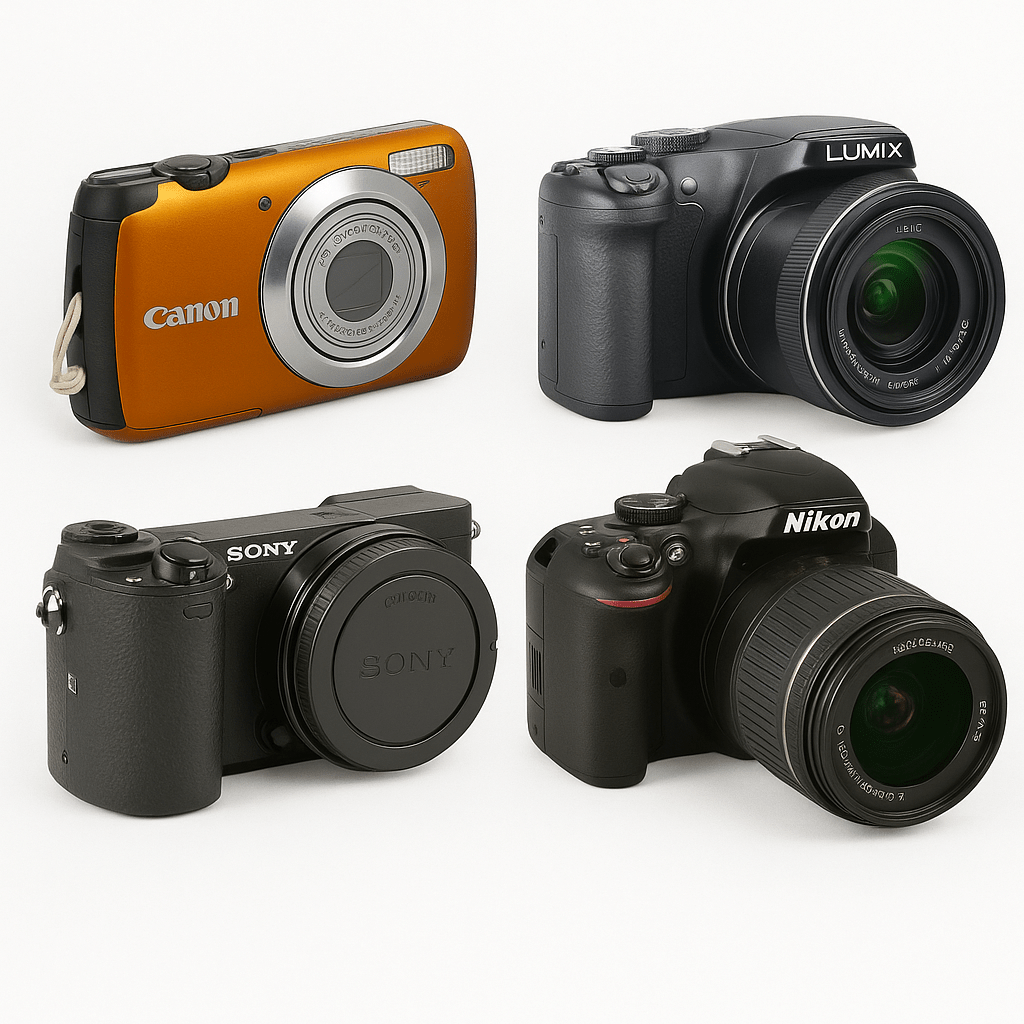
The Canon EF 70–210mm f/3.5–4.5 is particularly attractive to mirrorless users because it adapts easily and retains electronic control.
- ▶ Use EF–RF adapter for Canon R series or EF–E for Sony.
- ▶ Activate IBIS if your camera supports it.
- ▶ Set aperture around f/4–4.5 for balanced sharpness and depth.
- ▶ Add a 58mm hood to reduce flare and boost contrast.
- ▶ Switch to manual focus for smoother video pulls.
- 🗹 Test AF for smooth, quiet operation.
- 🗹 Shine light through glass for dust/haze check.
- 🗹 Verify aperture closes fast and blades are clean.
- 🗹 Check for zoom creep or stiffness.
- 🗹 Ask seller for sample shots if buying online.
On Canon R bodies with IBIS, or Sony Alpha cameras with in-body stabilization, the lack of optical IS becomes far less of an issue. You get the benefit of a compact telephoto with vintage character, plus the stability and focusing intelligence of a modern sensor.
Portraits, travel, and casual wildlife
At 70–135mm, this lens is an excellent portrait and environmental portrait tool, offering flattering compression and gentle background blur. At 200–210mm, it becomes handy for distant details, candid street photography from a distance, and even casual wildlife in good light.
For video, the lower contrast and smooth manual focus ring lend themselves to a more cinematic, “organic” look compared with many clinical modern zooms. Switching to manual focus also avoids focus breathing bumps that can appear during AF transitions.

Buying the Canon EF 70–210mm Second Hand
What to inspect before you buy
Because this lens is several decades old, careful inspection is essential, especially when shopping second hand. A well-kept copy can perform beautifully for years; a neglected one can be frustrating.
Check the following:
- Autofocus: confirm it locks focus and does not chatter excessively.
- Glass: look through with a small light to reveal internal dust, haze, or fungus.
- Aperture: make sure blades snap closed quickly and show no oil or discoloration.
- Zoom: test for creep (slides by itself) or stiffness across the range.
- Exterior: minor scuffs are fine; deep dents near the filter thread or mount can be trouble.
If you are buying online, do not hesitate to request high-resolution photos of the front and rear elements, plus a few sample images shot at 70mm and 210mm. Reputable sellers will understand and often provide them proactively.
Accessories to Keep It Shooting Strong
Essential add-ons for performance and protection
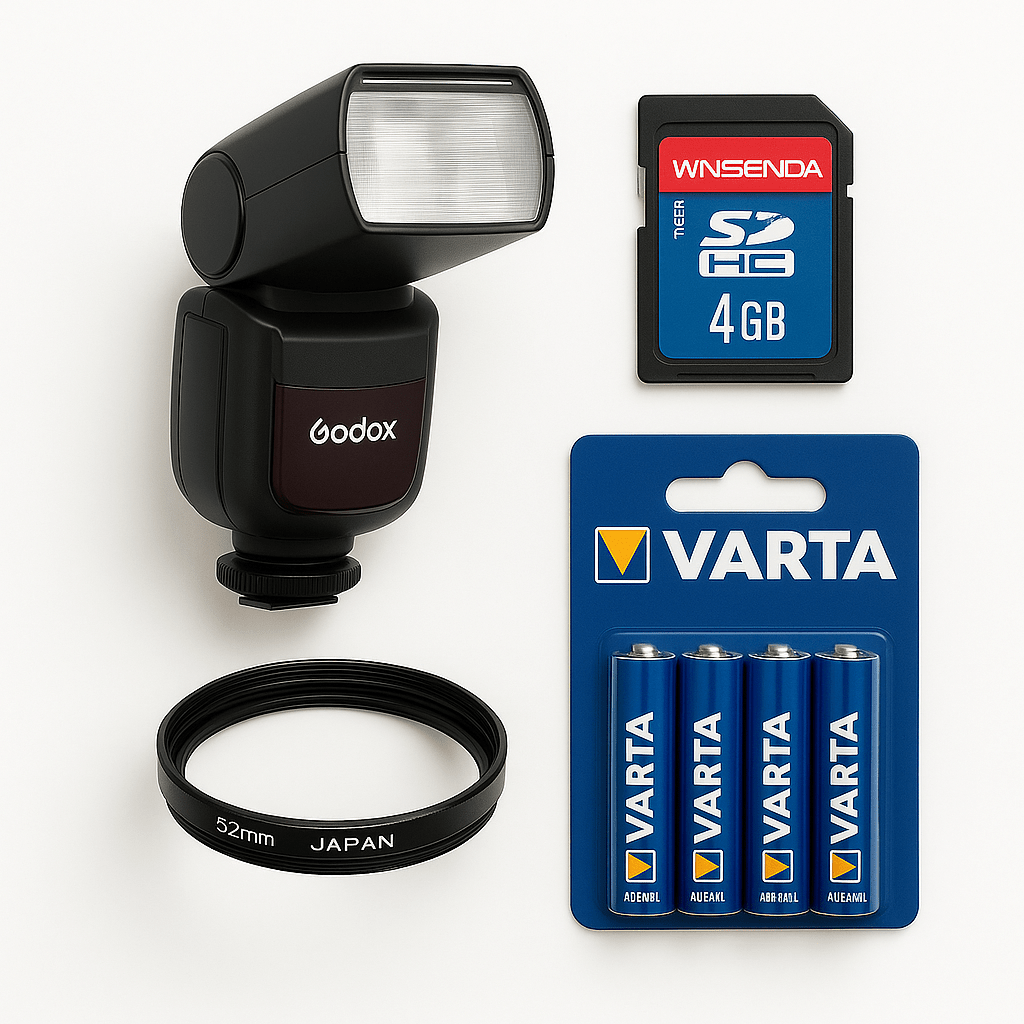
A few well-chosen extras can dramatically improve your experience with the Canon EF 70–210mm f/3.5–4.5 and extend its life.
- Lens hood (58mm): A simple screw-on hood boosts contrast, controls flare, and protects the front element.
- Quality adapter: Choose a solid EF–RF or EF–E adapter with no play to keep focus accurate and wobble-free.
- Cleaning kit: A blower, soft brush, and microfiber cloth help keep decades-old coatings clear and vibrant.
- Support gear: A lightweight monopod or compact tripod makes telephoto shooting more reliable in low light.
You will find many of these in our curated selection of photography accessories, chosen with second-hand and vintage gear in mind.
Why This Lens Still Matters Today
In a world of oversized, ultra-correct zooms, the Canon EF 70–210mm f/3.5–4.5 stands for something different: portability, character, and value. It proves you do not need brand-new glass to create compelling telephoto images or cinematic video.
On a well-maintained digital or one of our carefully inspected SLR film cameras, it becomes a bridge between eras—fully electronic yet unmistakably vintage in its feel and rendering. For photographers on a budget, or anyone who simply enjoys the satisfaction of giving gear a second life, it is a refreshingly sustainable way to explore the long end of the focal range.
Browse our selection of second-hand camera lenses to see if a Canon EF 70–210mm f/3.5–4.5, or a similar vintage telephoto zoom, is ready for its next chapter in your bag.
FAQs
Is the Canon EF 70–210mm f/3.5–4.5 compatible with Canon mirrorless cameras? Yes. With an EF–RF adapter, it maintains full electronic aperture and autofocus control and works smoothly on Canon R-series cameras, which can also add IBIS stabilization.
Does this lens have image stabilization? No, it does not include optical image stabilization, but in-body stabilization on many mirrorless cameras—or careful technique and support—compensates effectively.
Is it good for video use? Yes. Its gentle contrast, forgiving rendering, and smooth focus ring give footage a more cinematic, organic look, especially when used in manual focus.
What should I check when buying this lens used? Inspect autofocus performance, zoom smoothness, and aperture operation, and look for dust, haze, or oily blades. If you are buying online, request clear photos and sample images first.
Ready to give a classic zoom a sustainable second life? Explore our used camera lenses and hand-picked photography accessories to build a telephoto kit that is both characterful and kind to your budget.