








How film point-and-shoots and early-2000s CCD compacts shape today’s retro‑futuristic fashion images—plus sustainable buying, settings, and styling tips.
What defines the Y2K camera aesthetic in 2025?
Get a clear visual checklist of traits so you can plan styling, lighting, and camera choice with intent.

Signature traits you’ll notice:
- On‑camera flash pop, hard shadow contours, and compact point‑and‑shoot framing.
- Film: visible grain, halation around highlights, quartz date stamps, and consumer film color palettes.
- Early digital (CCD): punchy color, spectral highlight bloom, cool‑to‑neutral white balance, and low‑MP texture.
Why it fits 2025 fashion: the look amplifies retro‑futuristic styling—think reflective fabrics, lip‑gloss sheen, metallics, and translucent plastics—and sings in backstage candids, street style, editorial close‑ups, and accessories macros.
Best Y2K cameras for 2025 fashion shoots (review)
Compare film P&S, 35mm SLRs, and early‑2000s CCD compacts—and know when each shines.

Fast overview:
- Film point‑and‑shoots: built‑in flash, compact, date imprint; great for backstage and street style. Shop second-hand point-and-shoot cameras.
- 35mm SLRs: exposure control and lens choice for editorials and controlled sets. Explore SLR film cameras.
- Early‑2000s CCD digital compacts (3–8 MP): saturated color, crisp “plastic” highlights. Browse CCD-era digital compacts.
| Name | Best for | ISO/Spec | Look/Result | Latitude/Usability | Notes |
|---|---|---|---|---|---|
| Film Point‑and‑Shoot | Backstage, street style | ISO by film; auto flash | Grain, halation, date stamp | High with negative film | Quiet, pocketable macro modes |
| 35mm SLR | Editorial sets | Manual/auto; lens choice | Sharper with lens character | Highest with good metering | Control DOF, add ring flash |
| CCD Digital Compact | Runway, fast delivery | 3–8 MP; built‑in flash | Punchy color, crisp highlights | Medium; quick review | Check battery/cards support |
Attribute ratings (0–5)
Indicative ratings to guide expectations; your lighting and processing choices matter most.
Pros
- Authentic flash geometry; date stamp option.
- Pocketable; great for candid runway/backstage.
- Forgiving with consumer negative films.
Cons
- Limited manual control.
- Film costs time; lab turnaround.
Pros
- Lens choice and exposure control.
- Works with ring flashes and gels.
Cons
- Bulkier; louder shutters backstage.
- Requires more setup time.
Pros
- Immediate review and delivery.
- Distinct CCD color and highlight bloom.
Cons
- Legacy batteries and cards can be tricky.
- Lower resolution; less latitude.
Buy Y2K film cameras for fashion styles (shopping tips)
Use this checklist to source reliable second‑hand gear that matches fashion use‑cases.
Condition cues to test:
- Shutter, flash recharge, lens cleanliness, battery bay corrosion, film door seals.
- Early digital: battery life, charger availability, and memory compatibility (xD, Memory Stick, CF, SD).
- Choose by use: fast AF and flash for runway; date stamp/macro for accessories; quiet bodies for backstage.
- Check flash fires and recycles within a reasonable time
- Inspect lens for haze, fungus, scratches
- Verify film advance/rewind or digital write speed
- Test autofocus lock in low light
- Confirm battery type and easy replacements
- For digital: verify memory card reads/writes and USB transfer
- Open/close film door to check hinge and seals
Sustainability note: second‑hand extends product life, cuts e‑waste, and keeps repairable gear in circulation.
Y2K camera looks for fashion photography (inspiration)
Steal these lighting, composition, and styling ideas to nail the aesthetic fast.
Lighting recipes:
- Straight‑on flash for hard, graphic contours.
- Ring flash for even specular wrap on skin and vinyl.
- Mix ambient fluorescents with flash for a club‑scene color cast.
Compositions and in‑camera flair:
- Tilted horizons; tight crops on gloss textures and metallic details.
- Mirror selfies and purposeful backstage blur.
- Date stamp ON; slight underexposure with flash for mood.
Style pairings: vinyl, satin, metallic puffers, translucent plastics, frosted makeup, rhinestone accessories.
Backstage micro‑story: In a cramped hallway, the model’s reflective skirt caught the flash like liquid chrome. Each pop etched a crisp shadow onto the cinderblock wall, turning clutter into graphic geometry. The lip gloss flared, beads sparkled, and the date stamp tagged the moment like a time capsule.
How to shoot the Y2K aesthetic on modern sets (how‑to)
Dial in practical settings, motion, and flash technique for consistent results.
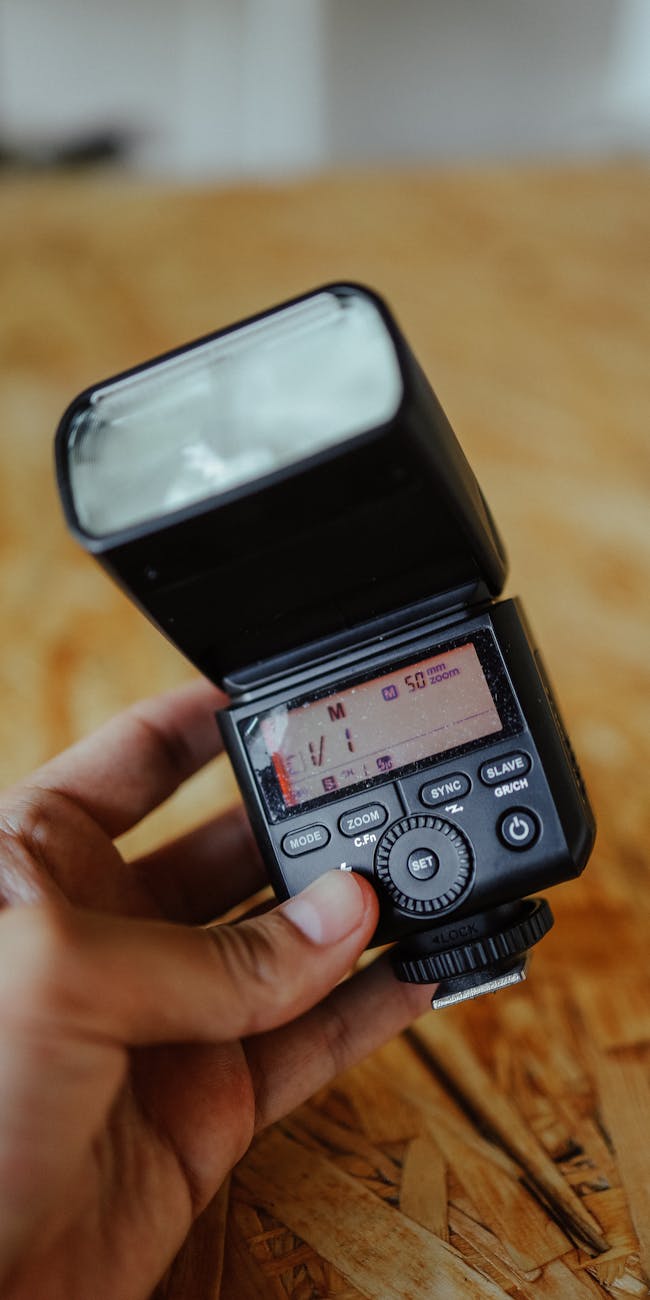
- Film P&S: auto mode with flash forced ON; exposure comp −0.3 if available to protect highlights.
- CCD compacts: auto or cool WB; low ISO; enable flash; macro for accessories and makeup details.
- Flash technique: keep flash near lens for hard shadows; add thin diffusion if speculars are too harsh.
- Motion: try slower shutter or subject movement for nightlife energy.
- Workflow: shoot in a quick rhythm; review LCD minimally to keep spontaneity.
- Pack spare batteries/film or charged proprietary packs
- Bring appropriate memory cards + spare
- Set date stamp (if desired) and confirm format
- Force flash ON; test recycle and pre‑flash
- Pre‑test WB and exposure comp
- Prepare a small diffusion or bounce card
How to maintain Y2K cameras today (care & reliability)
Keep your classics dependable with simple cleaning, power, and storage routines.
- Cleaning: blower, soft brush, microfiber; avoid alcohol on coated optics.
- Rubber/foam: inspect and replace light seals on film bodies.
- Power: rotate rechargeables, store partially charged, remove batteries for long storage.
- Storage: cool, dry place with silica gel; avoid humidity to prevent fungus.
- Digital longevity: reputable cards; use readers/adapters for legacy media; back up immediately.
- Remove batteries after shoots if storing
- Wipe body and lens after humid environments
- Cycle rechargeable batteries monthly
- Keep silica gel packs in camera bags
- Label and rotate memory cards
- Schedule an annual check for light seals
Post‑process without losing the Y2K feel
Learn a light‑touch approach that preserves flash mood, texture, and color character.
- Scanning/import: moderate resolution; avoid heavy noise reduction.
- Color: minimal global edits; keep cool highlights and contrasty flash.
- Highlights: allow clipped speculars; subtle halation/bloom is authentic.
- Finish: modest sharpening; optional date stamp overlay if your camera lacked one.
- Deliverables: export a “straight” version and a lightly adjusted set for editors.
Before/after: The straight scan/SOOC shows hard flash, cool whites, and clipped rhinestones. The lightly corrected version adds a touch of midtone lift and a hair of warmth in skin—while keeping the sharp shadow edge and specular bloom intact.
Why second‑hand Y2K gear makes sense in 2025
Anchor your aesthetic choices in sustainability, authenticity, and practical budgets.
- Sustainability: extends product life and reduces e‑waste and embodied carbon.
- Aesthetic authenticity: original flash optics and CCD color science are hard to fake.
- Repairability: common parts and community know‑how keep classics shooting.
- Budget flexibility: shift spend to styling and set design without losing character.
Quick decision
- Runway speed and instant files: pick a CCD digital compact with quick AF and flash recycle.
- Backstage candids and date‑stamped nostalgia: grab a film point‑and‑shoot.
- Editorial control and lens character: go 35mm SLR with a small ring flash.
- Accessories/makeup macros: favor bodies with reliable macro mode and on‑board flash.
FAQs
- Why are Y2K cameras trending in 2025 fashion?
- They deliver punchy on‑camera flash, CCD color, and film grain that match retro‑futuristic styling. Mix cultural nostalgia with sustainability and you get a look that feels timely and intentional.
- Which Y2K camera models work best for runway shoots?
- Go for fast, reliable AF, quick flash recycle, and solid battery life—responsive film P&S or compact CCD digitals. Use SLRs if you need exposure control and pre‑lit sets.
- How do you maintain Y2K cameras for modern use?
- Clean optics, check light seals, rotate batteries, store dry with silica gel, use compatible memory adapters, and back up files promptly.
- What aesthetic benefits do Y2K cameras add to fashion photography?
- Hard flash contours, vibrant color, visible grain/texture, and date stamps create immediacy and nostalgia—ideal for backstage and street style.
- Film vs early digital for the Y2K look—how to choose?
- Film gives grain and halation; CCD digitals give crisp color pop and speed. Decide based on turnaround, lighting, and preferred texture.
Ready to shoot?
Grab a tested body and start shooting the Y2K flash look.