



The Comeback of Early 2000s Digital Cameras
In this section, you’ll see how nostalgia, tech nostalgia, and unique design aesthetics spark the comeback of early 2000s digital cameras.
Between 2025 and 2026, a surprising trend emerged: collectors began hunting compact digital cameras from the early 2000s. What once languished in drawers as outdated tech suddenly held vintage charm. These CCD-equipped devices reminded people of a time when every snapshot felt intentional.

I still remember pulling my old Canon PowerShot A70 out of a box—pressing the power button, hearing the gentle hum, and realizing it still worked perfectly. That tactile button feel and metallic finish felt worlds away from touchscreens.
- Signature traits: CCD sensors for distinct colors and soft gradients.
- Compact metal bodies and genuine optical zooms.
- Collector-favorite brands: Canon, Sony, Nikon, and Fujifilm.
- Trends blooming across online marketplaces and photography forums.
Why Collectors Love 2000s Digital Cameras
This part uncovers what makes early 2000s digital cameras collectible—from their image rendering to rarer build quality.
CCD sensors defined an era. Instead of clinical perfection, they rendered light and color in subtly nostalgic tones—reds rich, blues slightly dreamlike. That visual signature, once standard, now feels artistic.

Finding one in working condition feels like discovering analog film stock. When I stumbled upon a Nikon Coolpix 4500 at a flea market, I expected a dud. Yet one charge later, it powered on, greeted by that familiar start-up melody. I couldn’t let it go.
- Check for clean lenses and intact zoom functions.
- Test buttons, dials, and battery compartments for corrosion.
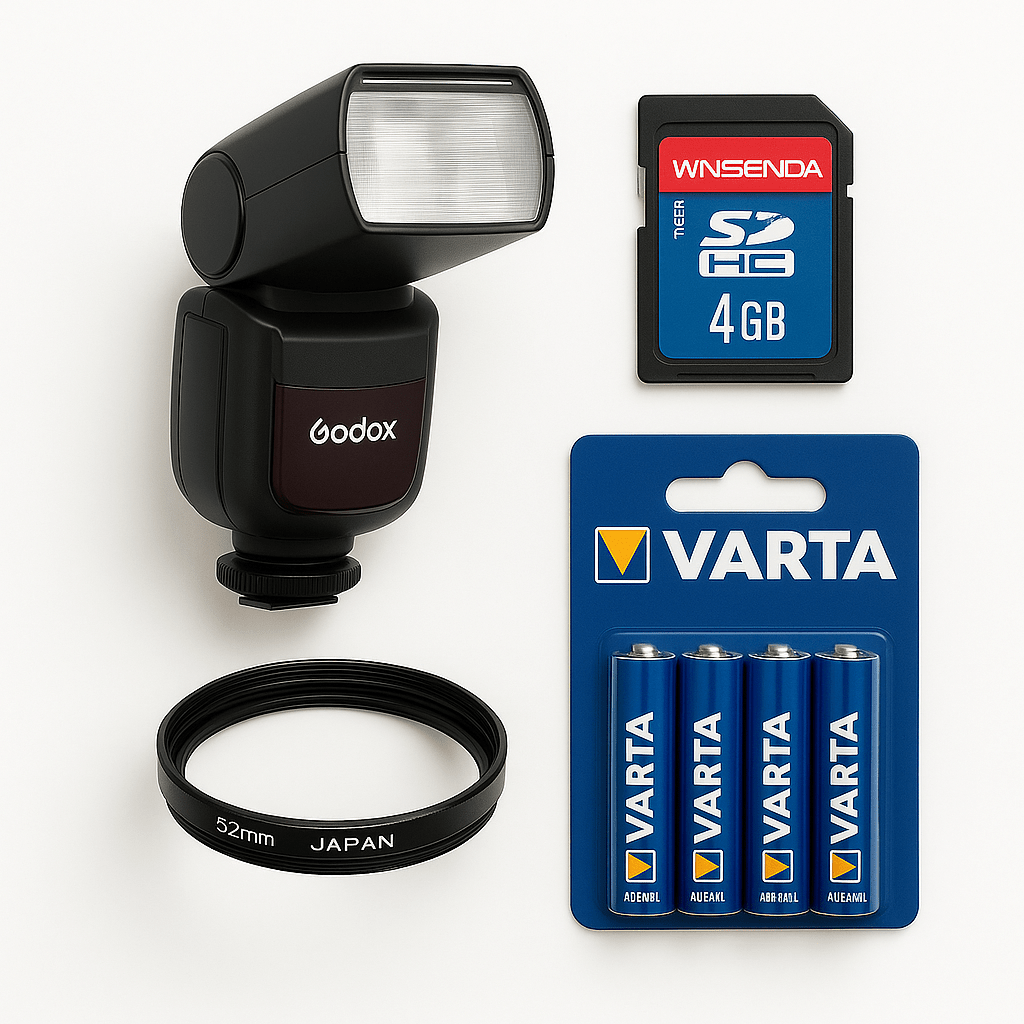
- Confirm memory card compatibility—some require rare CompactFlash or Memory Stick formats.
- Join collector groups to verify authenticity and share discoveries.
Top Early 2000s Models Worth Watching
Here, you’ll meet standout models defining the early digital camera revival, along with what makes each desirable.
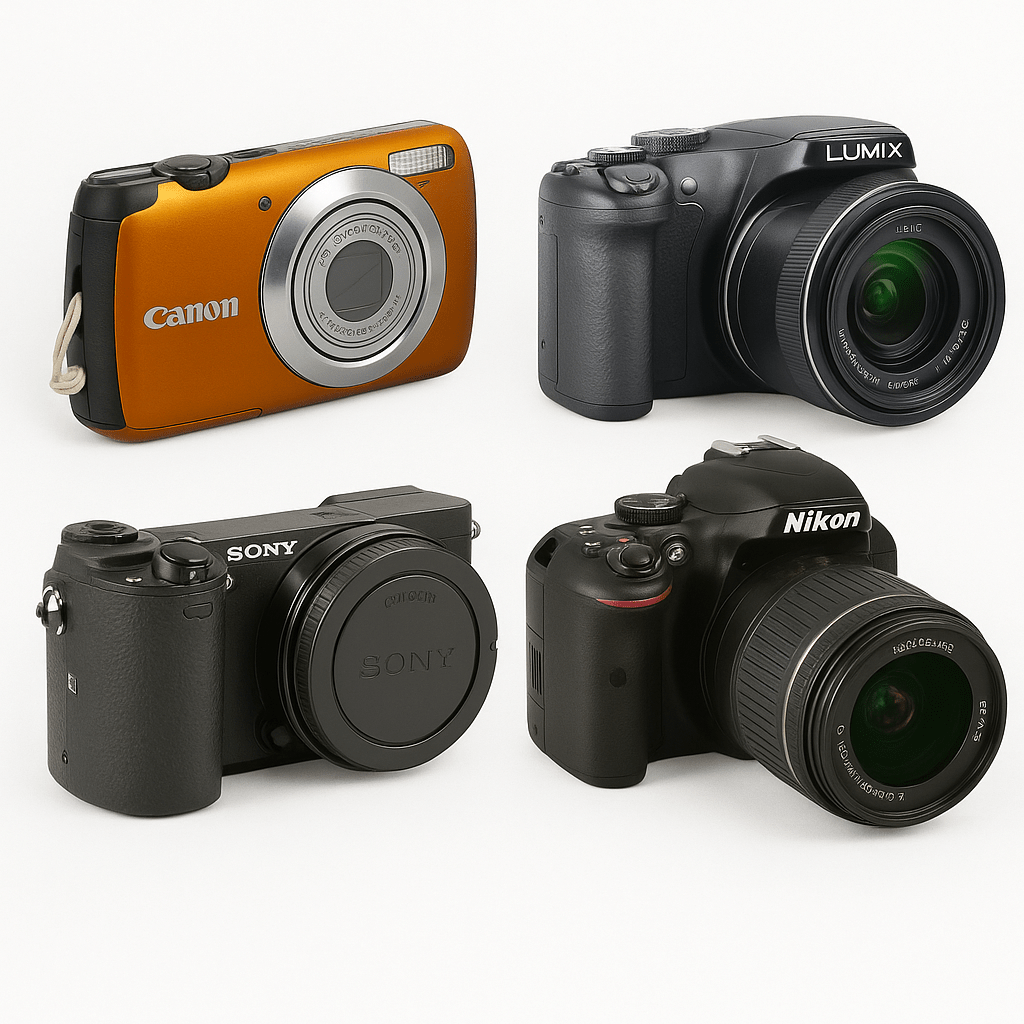
Canon PowerShot G5, Sony Cyber-shot DSC-P8, Nikon Coolpix 5700, and Fujifilm FinePix F31 had distinct personalities. Collectors obsess over their sound signatures—the way the lens extended or a soft shutter click that modern cameras abandoned.

Creators in 2026 also use these compacts to shoot social media projects, blending retro charm with new digital workflows. Their limited controls encourage creativity instead of distraction. Many even become conversation pieces sitting on bookshelves or studio desks.
| Name | Best for | Key Spec | Look / Result | Usability | Notes |
|---|---|---|---|---|---|
| Canon PowerShot G5 | Studio & travel creatives | 5MP CCD | Soft contrast, detailed tones | Manual control flexibility | Brass body ages beautifully |
| Sony Cyber-shot DSC-P8 | Casual collectors | 3.2MP CCD | Vivid, nostalgic hues | Pocketable & minimalist | Distinct startup chime |
| Nikon Coolpix 5700 | Prosumers & enthusiasts | 8x optical zoom | Neutral tone balance | Chunky grip, durable design | Rotating lens unit adds charm |
| Fujifilm FinePix F31 | Night imagery lovers | Super CCD sensor | Low-light softness | Compact yet ergonomic | Highly rated by 2026 creators |
Pros
- Aesthetic distinctiveness unmatched by modern smartphones.
- Simple controls foster spontaneous creativity.
- Durable construction and mechanical reliability.
Cons
- Obsolete storage cards and rare batteries can hinder use.
- Small LCD screens and slower write speeds by modern standards.
- Requires thoughtful maintenance to prevent deterioration.
Collectors often compare devices during meetups, holding two 2003 models side by side—the Canon’s matte finish versus Sony’s chrome gleam—each carrying distinct nostalgia cues.
Care and Display: Preserving Digital Relics
You’ll learn how to protect your early digital cameras while keeping them visually striking on display.
A lot of what determines future collectibility depends on care. Unlike film cameras, early digital gear faces electronic decay, so storage matters.

- Store cameras in cool, dry spaces away from direct sunlight.
- Remove all batteries to prevent corrosion.
- Use silica packs or humidity absorbers in display cabinets.
- Backup sample images and store them in cloud folders.
Displayed correctly, a Fujifilm FinePix can be more than décor—it sparks curiosity among guests who remember the thrill of first digital snapshots.
If you’re eager to begin collecting, Explore our digital camera collection and Browse vintage digital compact cameras to find authentic pieces tested for reliability.
Quick Decision: Who Should Collect Early Digital Cameras
- Design lovers chasing tactile minimalism with a story behind it.
- Photographers seeking vintage CCD color palettes for creative projects.
- Tech nostalgia enthusiasts documenting the transition from analog to digital.
- Collectors who value compact items with rising interest across 2026 marketplaces.
FAQs
- Why are early 2000s digital cameras collectible in 2026?
- They combine nostalgia, distinctive CCD image quality, and tactile design missing from modern smartphones, adding personal and aesthetic value.
- Which early 2000s digital cameras rise in value the most?
- Well-preserved Canon PowerShot, Sony Cyber-shot, and Nikon Coolpix models with working sensors, lenses, and original boxes tend to increase desirability.
- How to preserve early 2000s digital camera hardware?
- Avoid moisture, remove batteries, and store in temperature-controlled environments. Power them up occasionally to maintain functionality.
- What makes early 2000s digital cameras desirable to collectors?
- Distinctive color science, solid metal build, and nostalgic ties to the golden age of compact digital innovation make them prized possessions.
Ready to Start Your Collection?
Shop restored early 2000s cameras ready for your next project. Reconnect with a time when pressing the shutter felt brand new.