



What is CLA and Why Does it Matter in 2025?
This section explains the basics of CLA and why it’s indispensable for old lenses today.
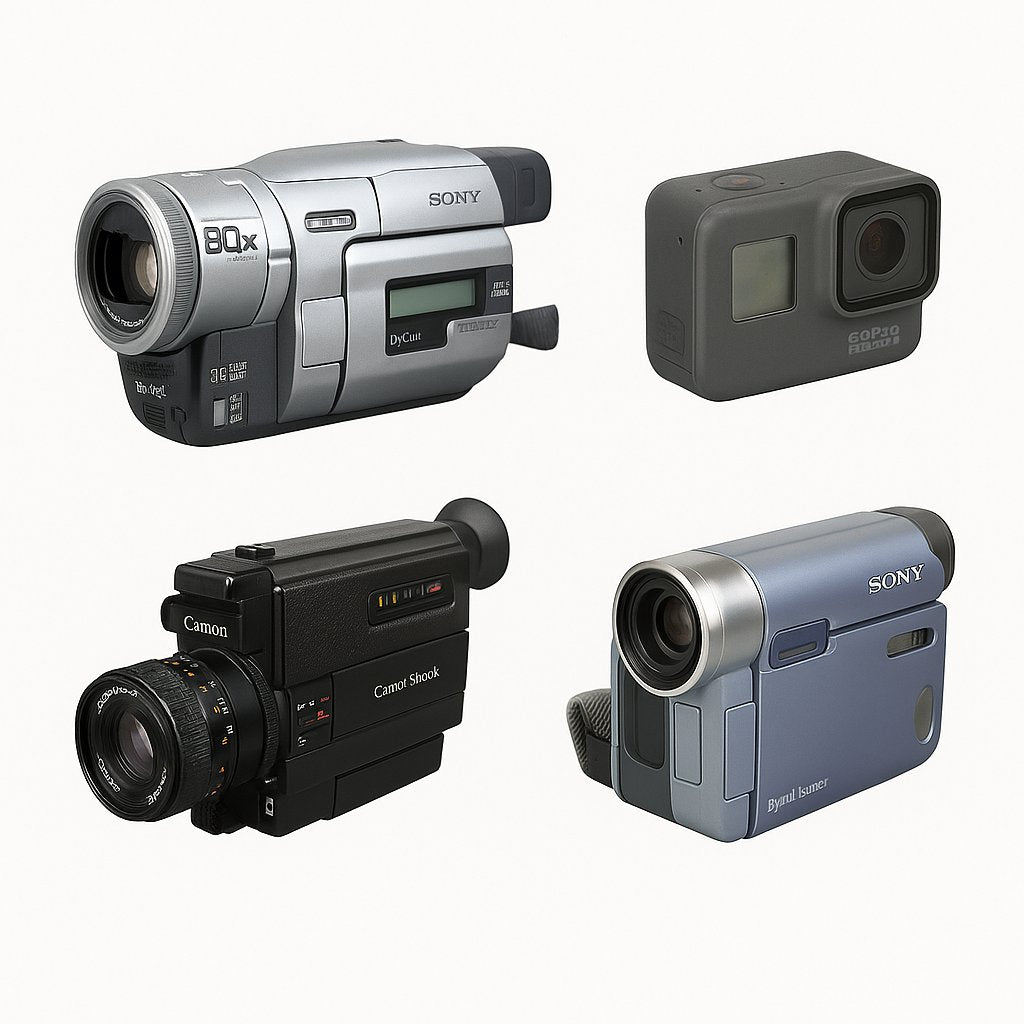
CLA stands for Clean, Lubricate, Adjust—three steps that restore vintage optics. With the 2025 resurgence of film culture, vintage camera lenses are more in demand than ever. CLA ensures they stay functional, safe to use and optically reliable.

Story: A collector once brought in a dusty lens that hadn’t been used since the 1970s. The focus was stiff, the images foggy. After CLA, it felt brand new—snapping into focus and delivering crisp film shots again. That’s the power of this essential service.
How CLA Extends the Life of Old Lenses
This section shows how CLA directly prolongs lens usability and mechanical health.
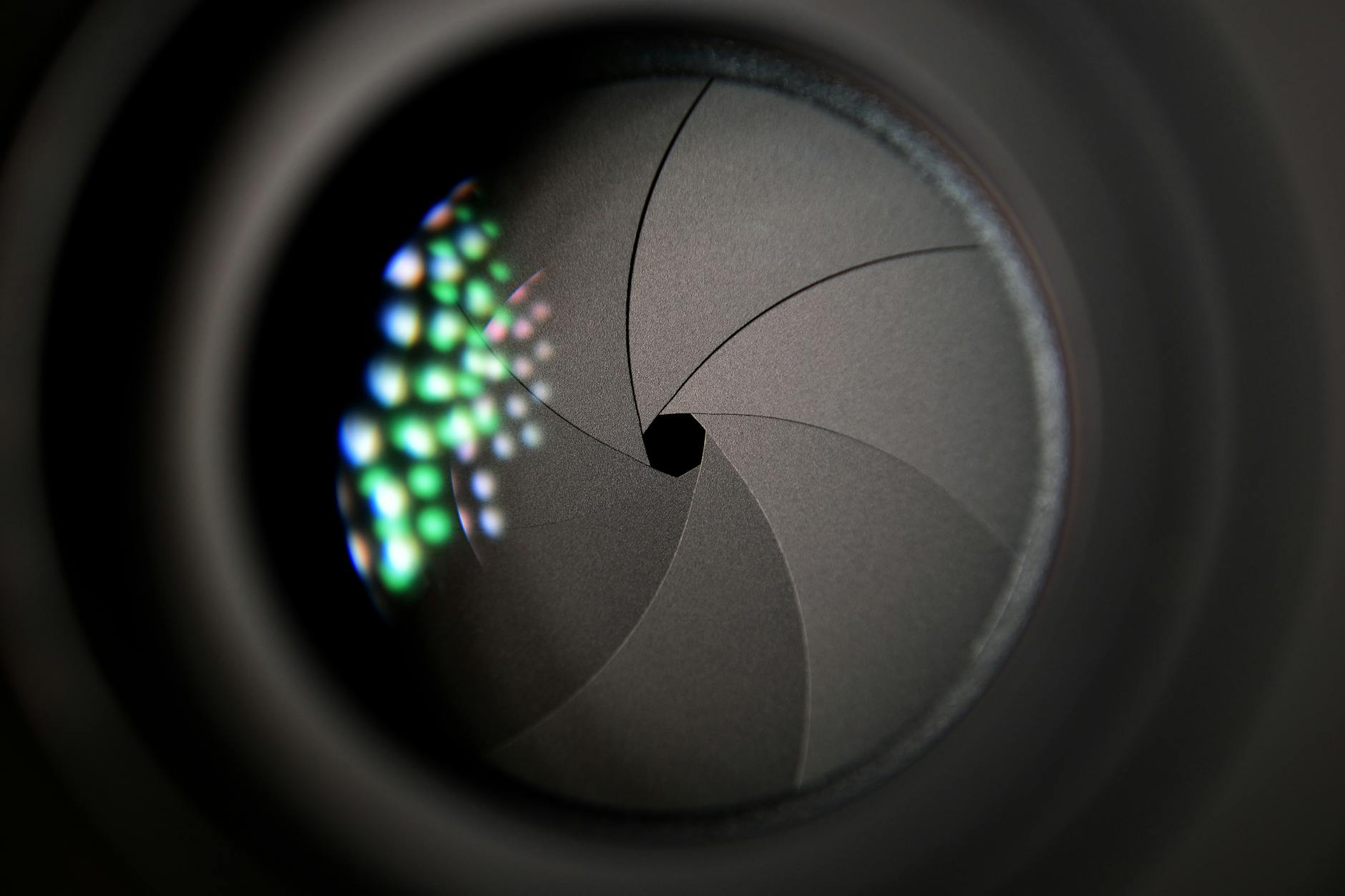
Without CLA, dried lubricants grind metal parts, fungus spreads across glass, and focusing drifts out of alignment. A scheduled maintenance cycle ensures moving parts remain silky smooth, shutters precise, and aperture blades clean.
- Check for stiff focusing rings
- Inspect aperture blades for oil
- Look for dust or fungus inside
- Evaluate image softness or haze issues
Improving Image Quality Through Proper CLA
This section explains how optical cleaning and adjustments translate to better final images.
Pre-CLA, images often appear low-contrast with a subtle haze. After a full CLA treatment, glass regains clarity, colors pop, and focusing hits with accuracy.
Example: Compare a pre-CLA portrait where highlights look murky to a post-CLA result—sharp eyelashes, crisp microcontrast, and true-to-life tones.

Why CLA is Especially Relevant for Photographers in 2025
This section highlights why today’s photographers should prioritize CLA more than ever.
Mirrorless digital systems now widely accept adapted vintage lenses. For creators, CLA ensures these old lenses mount, focus, and shoot like intended. Instead of buying new, photographers embrace sustainability—restoring older glass, reducing waste, and preserving unique optical character.

How to Arrange CLA for Your Vintage Lens
This section covers who should do CLA, timing, and practical steps.
- Research local or online professional CLA services
- Ask about turnaround times and warranties
- Compare methods: ultrasonic cleaning, full disassembly, lubrication types
A general guideline: every 5–10 years depending on usage and storage. Stiff focusing, fog, or oily blades are clear warnings it’s time.
Story: A first-time buyer discovered his newly purchased lens had fog inside. He feared it was ruined. After CLA, the technician explained it was just condensation and residue. The lens came back sharp, smooth, and confidence-inspiring.
Lens Use Scenarios Compared
This section compares different popular vintage gear setups photographers often CLA and adapt.
| Name | Best for | Spec | Look/Result | Latitude/Usability | Notes |
|---|---|---|---|---|---|
| Purist 35mm | Film traditionalists | 35mm format | Classic color rendering | Medium | Pairs with SLR film cameras |
| Super 16 | Experimental filmmakers | 16mm format | Grainy, dreamy texture | Low | Great for narrative projects |
| Hybrid Digital + Vintage | Mirrorless users | Adapted optics | High clarity + character | High | Balances sustainability + sharpness |
| Compact Rangefinder | Street photographers | 35mm lenses | Quick focus, subtle vignettes | Medium–High | Classic with rangefinder cameras |
Attribute ratings (0–5)
Indicative ratings to guide expectations; your lighting and processing choices matter most.
Pros
- Purist 35mm: maximum authenticity
- Super 16: textured aesthetics
- Hybrid: sharp + flexible
- Rangefinder: compact and discreet
Cons
- Purist 35mm: less versatile digitally
- Super 16: low latitude
- Hybrid: relies on digital gear
- Rangefinder: requires training to master
FAQs
- Why is CLA important for old lenses in 2025?
- It ensures lenses stay usable as film and manual focus systems remain popular, protecting both performance and collector’s value.
- How often should vintage lenses get CLA service?
- Every 5–10 years, depending on usage, storage, and signs of stiffness or haze.
- Does CLA improve image quality in old lenses?
- Yes, removing dust, fungus, and haze restores contrast, sharpness, and true colors.
- What is included in a professional lens CLA?
- Lens disassembly, cleaning, lubrication, and precise adjustment of mechanics and optics.
- Can I do CLA myself at home?
- It’s possible but risky without tools and skill. Professionals safeguard delicate parts.
Quick Decision Guide
- Pick CLA if your lens feels stiff, foggy, or optically soft.
- Photography students in 2025: CLA lets you enjoy affordable, unique optics.
- Collectors: CLA protects long-term value and functionality.
- Hybrid shooters: CLA makes adapting vintage lenses seamless with digital bodies.
Explore More
Browse classic SLR film cameras that pair perfectly with restored lenses.