


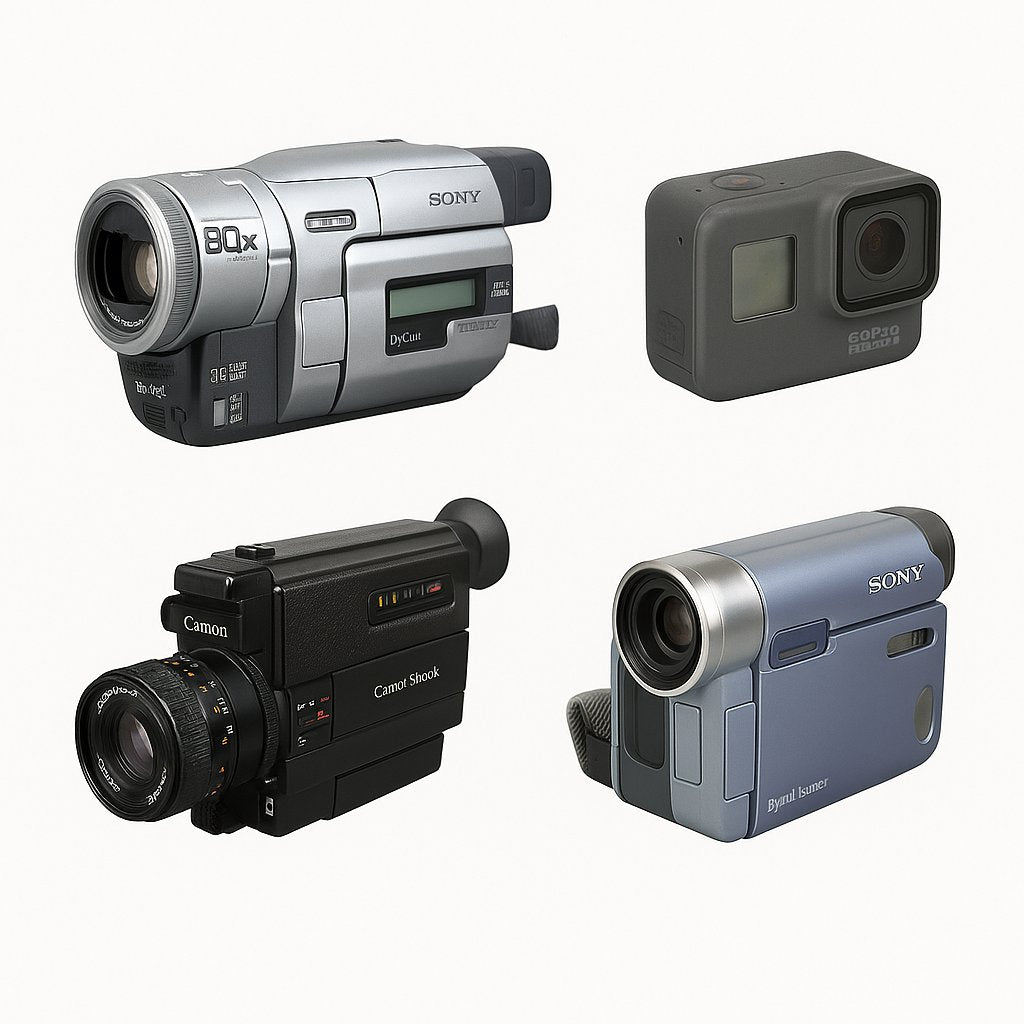

The best places to find secondhand camera deals in 2025
What you’ll get: a tour of where to buy used cameras, plus how to define “best deal” beyond sticker price.

Specialist used retailers (think MPB, KEH, Adorama Used, B&H Used) deliver consistent grading, in-house testing, return windows, and often a short warranty. Their prices may not be the absolute lowest, but the reduced risk is real value.
Certified refurbished from manufacturers feels near-new: recent firmware, parts replaced as needed, and a limited warranty. Expect excellent reliability with smaller discounts.
Reputable local camera shops let you test in person and often bundle extras (batteries, straps, cards). I once snagged a travel-ready kit because the grip wear matched light use, the mount was tight, and the shop included a charger I needed—small details sealed the deal.
Peer-to-peer platforms (eBay, Facebook Marketplace, Craigslist) have the widest selection and negotiable pricing. Vet sellers, ask for sample RAWs, and use platform protections.
Rental houses sell retired gear with maintenance records. Expect honest wear, but careful service and good bulk pricing on bundles.
Community channels—camera clubs, estate sales, school surplus—are goldmines for legacy lenses and Pre-owned film SLRs.
Define “best deal” holistically: condition grade, shutter count, warranty, included accessories, and total cost of ownership (body, lenses, storage, power, support).
Pros
- Specialists/refurb: testing, returns, warranty, clear grades.
- Peer-to-peer: lowest prices, rare finds, flexible negotiation.
- Local shops: hands-on testing, bundles, trustworthy staff.
Cons
- Specialists/refurb: smaller discounts, fast-moving stock.
- Peer-to-peer: higher risk, variable descriptions, limited recourse.
- Local shops: limited inventory, regional price differences.
Compare secondhand Nikon camera deals in 2025 (review)
What you’ll get: how Nikon tiers and mounts affect price, performance, and long-term value.

Start with tiers: entry, enthusiast, and pro bodies. The sweet spot? Enthusiast bodies—enough features, gentler depreciation, and plentiful used stock.
F-mount vs Z-mount: F offers deep lens availability and budget bundles; Z brings modern AF, IBIS, and future-proofing. Adapters bridge the gap but add complexity.
Check AF generation, low-light performance, and current firmware. Confirm shutter count, grip wear, port integrity, and run a hot-pixel test. Deal hotspots: specialist used or refurb for bodies; peer-to-peer for lens bundles. Often a body + standard zoom + extra batteries beats piecemeal buys.
I once compared an F-mount kit to a Z setup: the F kit won on lens variety per dollar, but the Z kit reduced adapter hassle and added IBIS—cheaper to own long-term for video and primes.
| Name | Best for | Spec | Look/Result | Latitude/Usability | Notes |
|---|---|---|---|---|---|
| Nikon F-mount | Budget kits | DSLR, huge lens pool | Reliable, classic rendering | High (adapters to Z) | Great bundle value |
| Nikon Z-mount | Future-proof hybrid | Mirrorless, IBIS options | Sharp, modern AF | High (growing lenses) | FTZ adapter friendly |
| Canon EF | Lens variety | DSLR, vast ecosystem | Affordable, consistent | High (adapts to RF) | Top used lens deals |
| Canon RF | Latest features | Mirrorless, fast AF | Modern optics | High (maturing) | EF adapts well |
| Sony E | Hybrid video/photo | Mirrorless, strong AF | Neutral, flexible | High (third-party) | Used bodies abundant |
| Fujifilm X | Color + primes | APS-C, compact | Film-like profiles | High (small kits) | Great travel option |
Attribute ratings (0–5)
Indicative ratings to guide expectations; your needs and lens choices will drive real-world value.
Best 2025 prices on used Canon cameras: where and how to shop (buy)
What you’ll get: a roadmap to EF vs RF value, where to hunt, and what to verify before checkout.

EF vs RF: Adapters can unlock huge value. Many photographers build sharp, affordable RF kits by adapting used EF lenses first, then upgrading glass later. I built a travel kit this way—EF 50 and 24–105 adapted beautifully and kept costs lean.
Expect meaningful savings on older generations, with discount ranges tied to age and condition grade. Target reputable outlets for bodies; consider peer-to-peer for lens bundles, batteries, and bags.
Always verify firmware, shutter count, and stabilization performance. Ask for sample RAW files and check for gray-market caveats (limited warranty, tricky service).
Ready to stretch your budget? Explore Secondhand camera lenses to boost image quality without overspending.
How to evaluate any used camera listing before you buy
What you’ll get: a practical checklist to decode condition and avoid hidden costs.
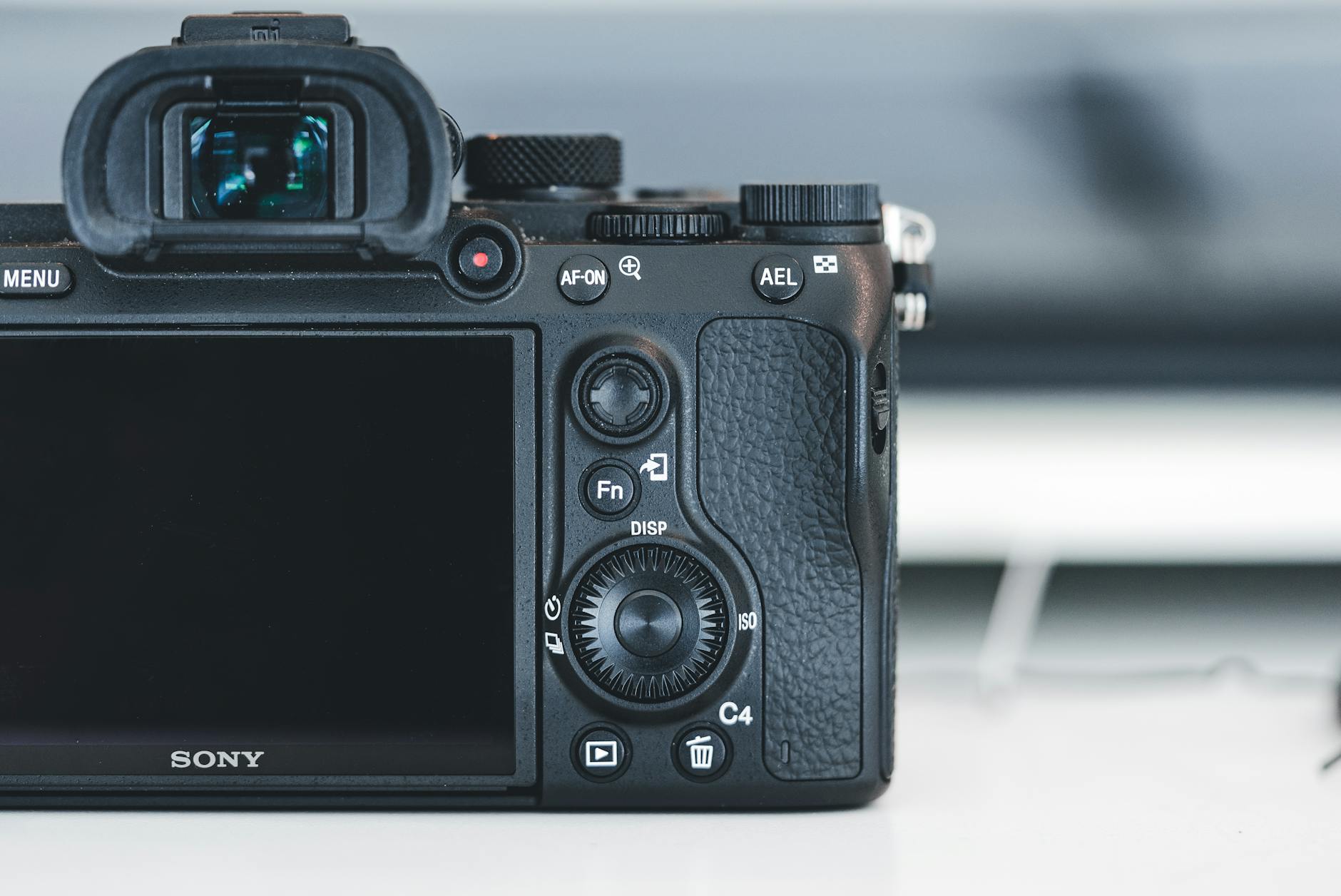
Condition grades explained: Mint ≈ like new; Excellent = light wear; Good = visible wear, fully functional; Bargain = heavier wear, still working. Cosmetic scuffs are fine; loose mounts, sticky buttons, or cracked screens are not.
- Mechanical: shutter count, IBIS noise, focus motor behavior, card slot reliability.
- Sensor: f/16 test on a plain wall to spot dust/hot pixels.
- Optics: de-centering checks, sharpness at mid apertures; for DSLRs, ask for front/back focus examples.
- Proof: sample RAWs, serial number, and any service history.
- Policies: return window, warranty, shipping insurance terms.
- Ask for shutter count and a recent RAW + JPEG sample.
- Request photos under harsh side light to reveal wear.
- Confirm return window, warranty, and who pays return shipping.
- Verify battery health and include OEM charger/cable.
- Check sensor/IBIS operation and port functionality.
- Assess total cost: body, lens, storage, and needed accessories.
That f/16 wall test once saved me from sensor cleanup—dust spots lined the frame, and the seller promptly serviced the camera before sale.
How to maintain a used Sony camera so your deal lasts (how-to)
What you’ll get: a maintenance routine that protects your savings and keeps performance consistent.
Update firmware first to squash bugs and improve compatibility. Manage power and heat: quality batteries, sensible video settings, and pause between long takes. Clean sensors carefully—blower first, swabs only when needed, and lock IBIS if supported. Periodically check mount screws and support heavy lenses. Create a baseline test (sharpness chart, IBIS, low-light AF) so you can spot changes over time.
- Run firmware update and reset custom settings.
- Shoot a test series: daylight chart, low-light, and video clip.
- Clean sensor safely: blower first; swab only if needed.
- Label and rotate batteries; avoid deep discharges.
- Back up settings to card/app if supported.
A simple firmware update once fixed a fickle AF issue on my used Sony—no repair bill, just smoother focus and confidence restored.
Creative projects with secondhand Fujifilm cameras (inspire)
What you’ll get: quick project ideas that maximize the character of used X-mount gear.
Leverage film simulations: build a recipe, then shoot a cohesive mini-series straight out of camera. Try a street “36-frame” challenge to sharpen timing. Adapt vintage lenses for character-rich portraits. For landscapes, experiment with long exposures on sturdy support and in‑camera NR. Print small or make a zine to evaluate your kit’s signature look before chasing upgrades.
Timing and tactics: catch 2025 deals before others
What you’ll get: timing cues, alert strategies, and negotiation scripts that land bundles fast.
Model launches trigger sell-offs of the previous generation—save searches now. Seasonality matters: post-holiday, graduation, and pre-travel windows flood the market. Set cross-platform alerts with condition filters and “with extras.” Negotiate politely with data from recent sold listings. Stack savings during trade-in events and warehouse sales.
- Create saved searches for your target body + lens combo.
- Enable email/mobile alerts and daily summaries.
- Track recent sold listings to set a fair offer range.
- Prepare a courteous negotiation message template.
- Budget for accessories to avoid surprise costs.
A saved search ping once landed me a body + two batteries + fast prime minutes after listing—alerts beat window shopping every time.
Sustainable shopping: warranties, repairs, and upgrade paths
What you’ll get: strategies to cut waste while maximizing long-term value.
Prefer sellers with returns and warranties; longevity reduces e‑waste. Confirm parts/service availability for your body generation. Plan your system: invest in lenses and accessories you’ll keep through future bodies—used lenses deliver the biggest, longest-lasting value boost. If you’re just starting, browse Used DSLR cameras for durable, budget-friendly learning platforms.
My most sustainable upgrade? A rugged used lens I’ve mounted across three bodies—zero regrets, minimal waste.
Quick decision
- Want lowest risk: buy from specialist used retailers or certified refurbished.
- Want maximum lens value: start with Canon EF or Nikon F-mount bundles.
- Want future-proof mirrorless: Sony E or Nikon Z, adapt legacy glass as needed.
- Want compact color-forward kits: Fujifilm X primes and film simulations.
- On a tight budget: chase peer-to-peer bundles—but verify with RAWs and return terms.
FAQs
Where are the cheapest secondhand camera deals in 2025?
Peer-to-peer listings can be cheapest, but vet rigorously. Specialists and refurb stores often deliver better total value via testing, warranties, and returns.
Which brands offer the best value used cameras in 2025?
It depends on your system needs: Canon and Nikon offer deep lens ecosystems; Sony shines for hybrid shooters; Fujifilm delivers strong color and compact primes.
How do I check the quality of a secondhand camera?
Request shutter count, sample RAWs, and detailed photos. Test the sensor at small apertures and verify ports, IBIS, AF, plus return/warranty policies.
Are secondhand cameras reliable for professional use in 2025?
Yes—if condition is vetted and support exists. Choose recent generations, confirm shutter life, buy with warranties, and maintain gear regularly.
Is certified refurbished better than used?
Refurb usually means like-new testing and a limited warranty. Quality used can be cheaper, but prioritize sellers with returns to manage variance.
Next step
Explore secondhand lenses to maximize image quality per dollar