








Meta description: Think more megapixels mean better photos? Discover why older cameras still capture amazing quality thanks to sensor design, optics, and skill.
What megapixels really measure (and what they don’t)
This section explains what megapixels truly represent and why they’re only one piece of the image quality puzzle.
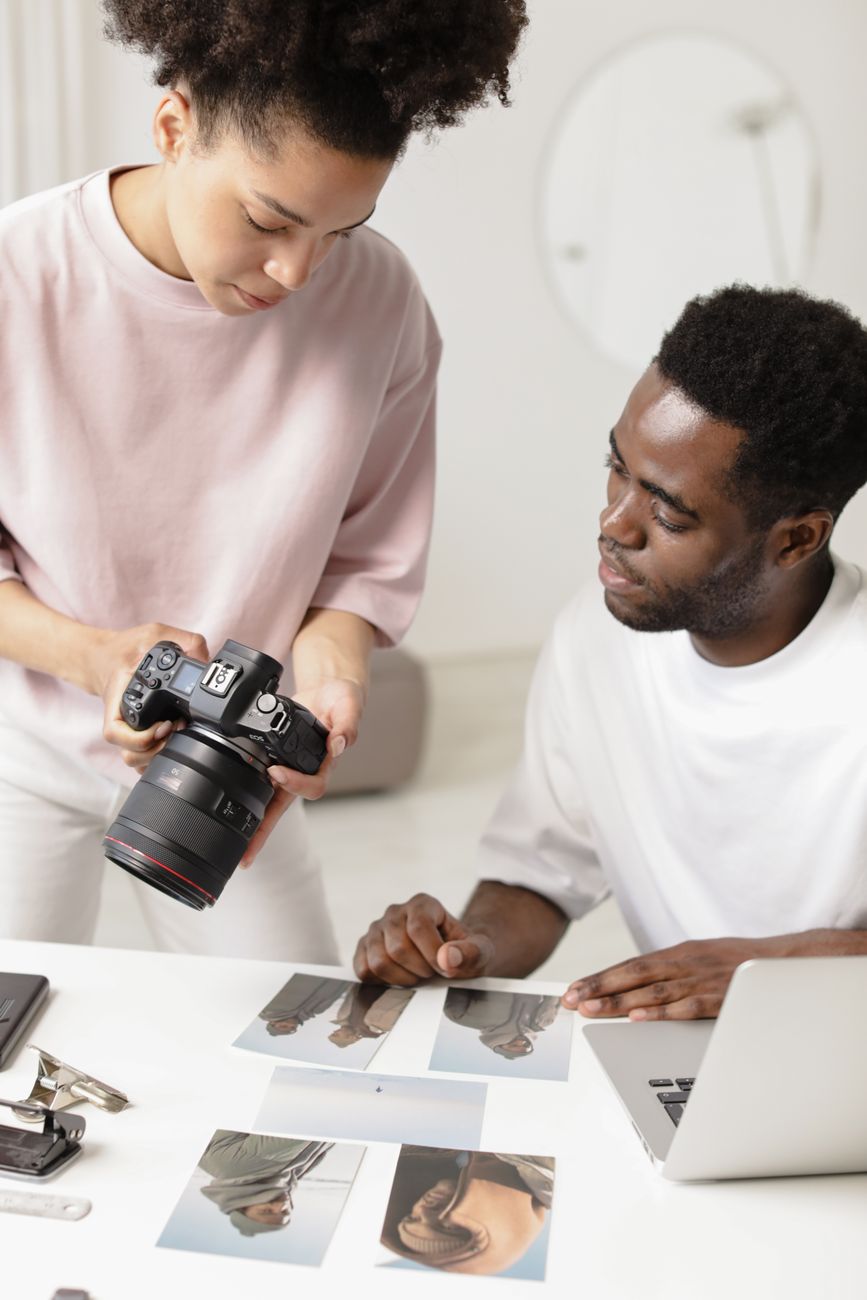
Megapixels simply measure resolution—the total number of pixels captured by a sensor. A 24-megapixel camera records 24 million pixels, but this figure doesn’t automatically mean better photos. The quality of those pixels depends on how much light each one gathers, which ties directly to sensor size and pixel density.
A 12MP full-frame sensor often outperforms a 40MP smartphone sensor because each pixel on the larger sensor captures more light, producing less image noise and richer tones. Sensor design, color science, and processing play bigger roles than raw pixel count.
When printing or viewing on screens, the difference between 12MP and 40MP is surprisingly small—especially under normal conditions. Unless you’re cropping heavily or printing wall-size posters, you’ll rarely notice any practical gain from extra pixels.
I once compared landscape shots from an old 2009 DSLR and a new model boasting triple the megapixels. Under the same light and lens, the older file displayed equal sharpness. The only difference? The older image had warmer, more natural tones straight out of camera.
- ✔️ Understand that megapixel count ≠ quality.
- ✔️ Evaluate sensor size and light-gathering ability.
- ✔️ Prioritize lens, lighting, and technique over raw resolution.
Why older cameras still produce great images
This part reveals how classic DSLR and mirrorless cameras still hold their ground through design, optics, and sustainability.

Older DSLRs often feature thoughtfully tuned sensors and solid color science that can easily compete with modern megapixel monsters. Their larger sensor pixels handle dynamic range beautifully, preserving subtle highlight and shadow details. Paired with a good lens, a 12–16MP camera can still yield professional-grade results.
Manual controls on these cameras encourage deliberate shooting—an artistic advantage that’s hard to quantify. Plus, choosing a second-hand body is a sustainable move. Each reused camera keeps one more piece of advanced tech out of the landfill.
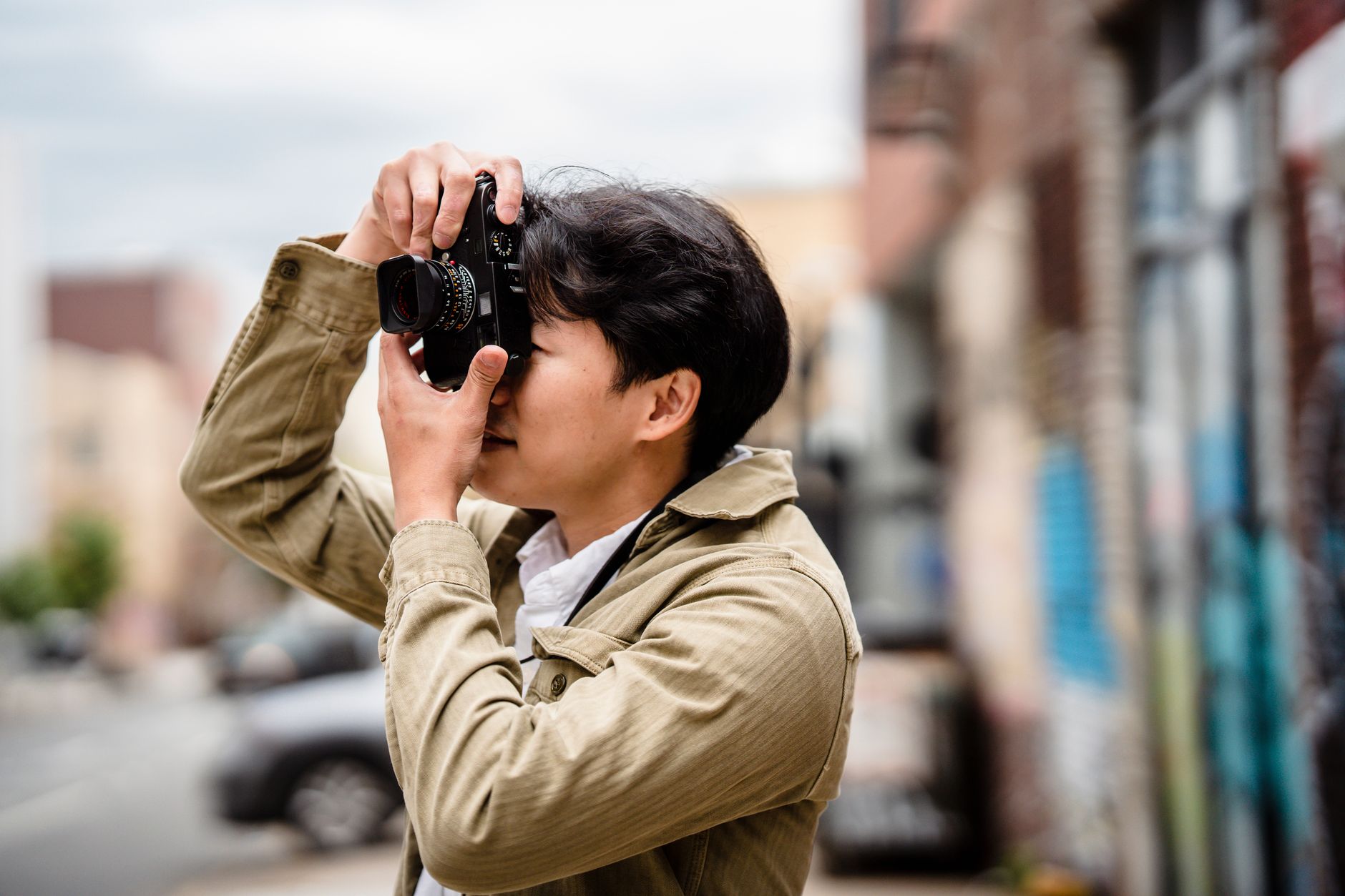
Recently, we ran a street photography workshop using decade-old camera bodies. The results? Bold contrast, pleasing noise texture, and a cinematic depth that newer models sometimes sterilize away. Everyone was surprised how much character these “old” sensors delivered.
- ✔️ Compare a classic 12–16MP DSLR with a newer 24–30MP option.
- ✔️ Check sensor cleanliness and shutter life when buying used.
- ✔️ Try combining old bodies with modern lenses.
Pros
- Affordable entry point for high-quality photography.
- Sustainable and repairable with abundant parts.
- Often superior ergonomics and color science.
Cons
- Lacks newest autofocus speed or connectivity features.
- May require careful sensor cleaning and maintenance.
Tips to get the most out of older megapixel cameras
You’ll learn smart techniques for maximizing image quality from older gear through workflow and maintenance.

Older megapixel cameras shine brightest when paired with thoughtful technique. Shooting in RAW mode preserves full tonal information, giving you flexibility to adjust exposure and white balance in editing. Keep your sensor and lenses spotless for crisp detail.
- ✔️ Always shoot at base ISO when possible.
- ✔️ Clean your lens regularly—dust looks worse on smaller resolution sensors.
- ✔️ Calibrate lenses for perfect focus alignment.
- ✔️ Look for firmware updates that improve performance.
I once underestimated how much lighting affects apparent sharpness. After adding a soft LED key light to my indoor portrait setup, even my ten-year-old DSLR produced smooth, filmic tones that rivaled my newer gear.
Comparing megapixels: old vs new cameras in real life
This section puts numbers to the test with side-by-side, real-world use cases.
| Name | Best for | ISO/Spec | Look/Result | Latitude/Usability | Notes |
|---|---|---|---|---|---|
| 12MP DSLR (circa 2010) | General photography, prints up to poster size | ISO 100–6400 | Warm color, organic grain | Wide dynamic range at low ISO | Great value in used DSLR cameras |
| 24MP Mirrorless (modern) | Hybrid video and stills | ISO 100–12800 | Crisp output, more detail room for cropping | Excellent autofocus and live view | See also our affordable mirrorless and digital cameras |
10–16MP cameras produce remarkably detailed 16×20" prints. For web use, anything above 12MP is more than enough. Beyond 24MP, you face diminishing returns unless you crop large sections repeatedly. The key difference comes not from pixel count but from sensor efficiency and color fidelity.
In a print test comparing a modern 40MP model to a 12MP classic, the surprise was unanimous—the prints looked nearly identical at viewing distance. That realization reinforced what photographers have long known: composition and light win over specs every day.
Quick Decision: Which camera suits you best?
- Choose a classic DSLR if you prioritize tactile shooting feel and tonal richness.
- Pick a newer mirrorless for video flexibility or faster autofocus.
- If you already own a 12–16MP camera, master technique before upgrading.
- Pair your camera with quality glass—find compatible lenses for older camera models.
- Buy used when possible—it’s environmentally and artistically rewarding.
FAQs
- Do megapixels really matter in older cameras?
- Only to an extent. Sensor design, lighting, and lens quality have a far stronger influence on final image clarity.
- Why are older digital cameras still good enough?
- They often feature robust sensors, weather-sealed construction, and support for timeless lenses that still perform excellently today.
- How many megapixels do I need for prints?
- A 12MP camera handles prints up to poster size without visible quality loss. More megapixels bring minimal gain for typical use.
- Is a used DSLR worth buying in 2024?
- Absolutely. Used DSLRs offer unmatched value, proven reliability, and align with sustainable photography habits.
- What’s the best way to improve image quality from an older camera?
- Optimize exposure, use quality lenses, shoot in RAW, and fine-tune in post rather than relying on pixel count.
Upgrade Responsibly
Discover high-quality used cameras that prove megapixels aren’t everything. Every pre-loved body gives you character, sustainability, and performance without excess.