







Explore why the scent, texture, and tactile process of film photography bring emotional depth to capturing images.
Rediscovering the Scent and Texture of Film Photography
This section unpacks the sensory magic of analog photography—the smells, textures, and tactile rituals that make it unforgettable.

The unique scent of film photography wafts from freshly opened canisters and darkroom chemicals. This faint, almost metallic aroma carries traces of silver halide and acetate—chemical hallmarks of analog photography. For many photographers, that smell instantly recalls moments of waiting for negatives to dry or watching an image appear under red light.
I still remember the first time I cracked open a roll of 35mm film. A mix of chemical sharpness and mystery filled the air. That scent, more than any photograph, anchored my memory of the day I learned to make time stand still with a mechanical click.
This is what many call film camera nostalgia—a sensory trigger. The smell, the cold metal winding knob, the texture of film leader between fingers—each element becomes a note in a melody of memory that digital screens can’t replay.
- Hold a newly opened roll of film and breathe in its subtle aroma.
- Spend a few minutes in a darkroom to sense the atmosphere and rhythm.
- Compare this tactile engagement to the sterile tap of digital menus.

How Physical Interaction Deepens Creative Connection
Here you’ll learn how handling analog gear slows the process, invites intention, and turns every movement into mindfulness.
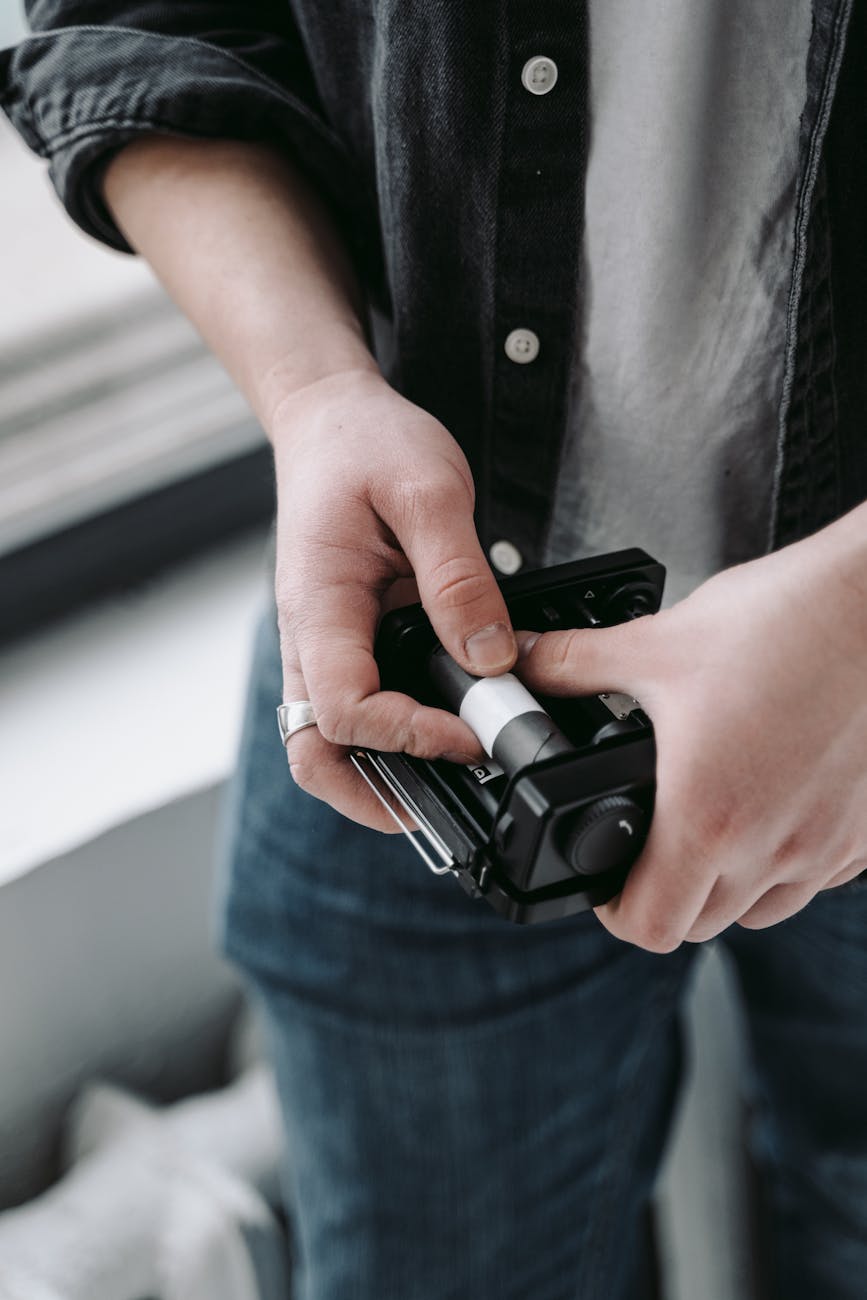
Operating an analog camera means you feel each decision. Turning a focus ring requires muscle memory. Advancing the film lever becomes a small act of ceremony. These tactile cues create a tactile photography experience that immerses you in the scene.
When you twist an aperture ring or dial in shutter speed, you’re not just adjusting exposure—you’re engaging a conversation between hand, eye, and subject.
I recall a dawn shoot where I adjusted exposure manually to preserve pale mist over a distant lake. That tactile adjustment—one soft click slower on the shutter—transformed a flat view into a glowing photograph.
- Inspect the feel of the shutter release and film advance lever on your camera.
- Practice manual focusing with a vintage lens to build muscle memory.
- Reflect on how each motion alters your emotional engagement with the shot.
Pros
- Enhanced creative focus through manual control.
- Deeper emotional connection with each image.
- Improved understanding of light and timing.
Cons
- Requires patience; results are slower.
- Can be intimidating for newcomers.
- Maintenance is essential to preserve accuracy.
To experience this directly, you can explore our collection of SLR film cameras or browse rangefinder cameras that emphasize tactile control.
| Name | Best for | Key Spec | Look/Result | Latitude/Usability | Notes |
|---|---|---|---|---|---|
| SLR Film Camera | Precision and lens variety | Interchangeable lenses, TTL view | Sharp, versatile images | Moderate learning curve | Ideal for full manual control |
| Rangefinder Camera | Street and travel shoots | Split-image focusing | Crisp, candid results | High usability once practiced | Compact and quiet mechanics |
| Compact Analog | Casual film entry | Fixed lens, auto exposure | Dreamy vintage tone | Easy point-and-shoot | Great for everyday nostalgia |
Caring for the Tools That Connect Us to the Craft
This part guides you through keeping analog gear functional, sustainable, and meaningful through routine care.

Maintenance is part of the ritual of analog photography. Cleaning a lens or replacing a light seal is not just upkeep—it’s a continuation of craftsmanship. Keeping your tools in tune ensures sustainability and connection to their history.
- Wipe lenses and viewfinders gently using a microfiber cloth.
- Store cameras in dry conditions to prevent mold or corrosion.
- Wind and fire the shutter periodically to keep mechanisms smooth.
After refurbishing a decades-old camera, many photographers note a heightened respect for mechanical craftsmanship. The soft click of a restored shutter often mirrors that first encounter with analog tools—proof that care renews connection.
To help maintain your setup responsibly, you can find accessories to care for your analog gear.
Quick Decision Guide
- Purists: Choose a fully manual SLR to master exposure from the ground up.
- Travellers or street photographers: Opt for a compact rangefinder for portable control.
- Experimental creators: Mix analog and digital workflows with hybrid vintage setups.
- Beginners: Start with a reliable compact analog camera to learn film without overwhelm.
Frequently Asked Questions
Why does film photography have a distinct smell?
The aroma comes from film emulsions, protective coatings, and developing chemicals. It’s harmless and naturally linked to nostalgia from film’s physical materials.
What makes the physical process of shooting film special?
Loading film, winding, focusing, and advancing the frame engages your senses completely—creating mindfulness in every creative decision.
How do I care for old film cameras?
Clean lenses regularly, store cameras away from humidity, and test mechanical and battery functions every few months.
Is the tactile feel of film better than digital?
It’s subjective. Film attracts those who enjoy slower, hands-on shooting, while digital favors speed and flexibility.
Can film photography improve my digital skills?
Yes. Shooting film builds discipline and understanding of light, focus, and patience—skills that translate directly to digital creativity.