








Understanding the Basic Camera Systems
This section introduces how SLR and rangefinder cameras fundamentally differ in design, history, and viewing experience.

SLR (Single-Lens Reflex) cameras use a mirror and pentaprism system to show the exact image through the taking lens. When you press the shutter, the mirror flips up, exposing the film or sensor.
Rangefinder cameras, in contrast, have a separate viewing window paired with a distance-coupled focus system. You align two overlapping images in the viewfinder until they merge—a pure optical focusing dance.
SLRs became dominant in the mid-20th century for their adaptability; rangefinders, however, retained a cult following for their quiet operation and slim form. Iconic models from both categories have shaped generations of photographers.
- ✓ Know how each camera shows the scene (through-lens vs separate optical window)
- ✓ Consider if you prefer mirrored or mirrorless design mechanics
- ✓ Identify your interest: manual focus, speed, or compactness
When I first looked through an SLR, seeing exactly what the lens saw felt almost magical—while the rangefinder’s wider optical window made me feel more aware of the world beyond the frame.
Optical and Focusing Differences Explained
This section highlights how each system handles focusing, framing, and the nuances that affect real-world shooting.
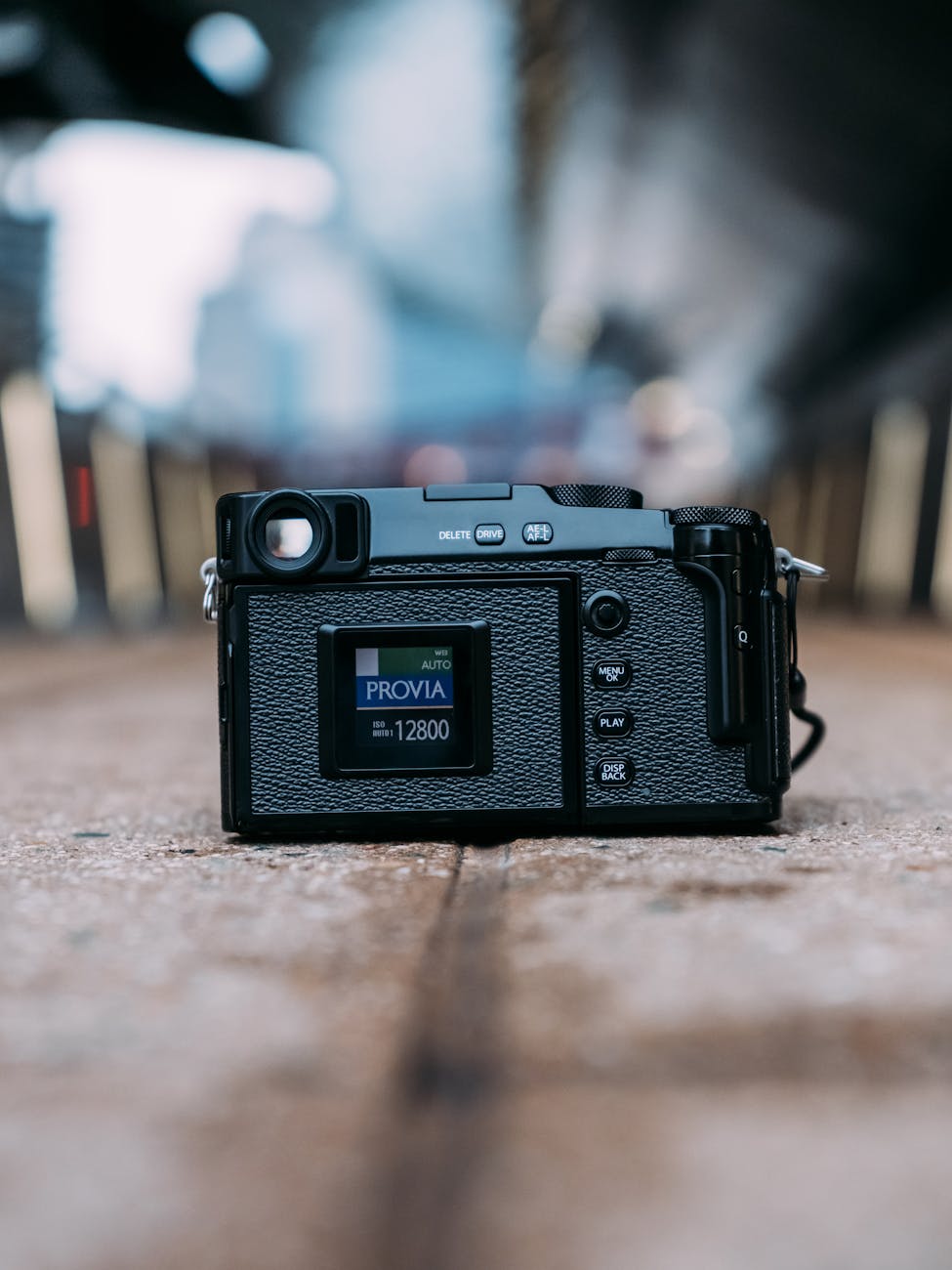
SLRs show you what the lens captures—no guesswork. Rangefinders, however, introduce slight parallax error at close distances, though many compensate with bright-line frames that adjust as you focus.
The SLR’s ground glass focusing screen is flexible and works with all lens types, including telephoto and macro. Rangefinders, while limited in lens length because of viewfinder alignment, excel in precise, fast manual focusing through a split-image patch.
Pros
- SLR: Exact framing, adaptable lens range, and robust accessories.
- Rangefinder: Whisper-quiet shutter, smaller body, great low-light handling without mirror slap.
Cons
- SLR: Larger size, audible mirror movement, heavier lenses.
- Rangefinder: Limited telephoto options and no through-lens preview of depth of field.
- ✓ Test both types in different lighting conditions
- ✓ Pay attention to focusing ease with spectacles or manual focus lenses
- ✓ Evaluate how lens changes affect handling and composition
I once missed a fleeting street portrait because my SLR’s mirror slap startled the subject. Later, using a rangefinder, I caught moments unnoticed—the silence truly matters.
Shooting Experience and Practical Use Cases
Here we compare how each camera feels in real-world scenarios and who they best suit.

Street photographers adore rangefinders for their quiet shutters and minimal presence. Travel shooters appreciate their light weight and manual simplicity. Studio photographers often prefer SLRs for interchangeable lenses and precise framing.
Rangefinders enhance immersion—you can see beyond the frame, anticipating subjects stepping into your scene. SLRs grant control: exact framing, metering, and adaptable depth of field.
Pros
- Rangefinder: Compact, discreet, with natural view of surroundings.
- SLR: Flexible for creative control and multiple shooting genres.
Cons
- Rangefinder: Inaccurate framing for close-ups.
- SLR: Noticeably louder and bulkier during travel.
- ✓ Reflect on shooting environments you frequent most
- ✓ Check whether you need interchangeable lenses for various focal lengths
- ✓ Note how camera weight affects long sessions
On a weeklong trip through narrow European streets, my small rangefinder stayed at my side the entire time—while my SLR spent more time back at the hostel. Portability mattered more than precision then.
How to Choose Between SLR and Rangefinder
This section wraps up practical decision-making strategies and sustainability considerations when picking your camera system.
| Name | Best for | Design/Spec | Look/Result | Usability | Notes |
|---|---|---|---|---|---|
| SLR Camera | Studio, landscape, telephoto, learning photography | Mirror + prism, through-lens view | Accurate framing, versatile depth control | Heavier, modular, adaptable | See exact lens output, great for precision work |
| Rangefinder Camera | Street, travel, documentary | Separate optical finder, coupled rangefinder | Quiet shutter, natural perspective | Compact, intuitive, limited lens length | Ideal for candid scenes and discreet moments |
Your decision depends on your comfort with manual focusing, lens range, and how you like to interact with a scene. Beginners often gravitate toward SLRs for their transparent preview. Experienced photographers appreciate rangefinders for encouraging anticipation and restraint.
Both systems are excellent choices, especially when purchased second-hand. You can shop used SLR film cameras or explore rangefinder cameras sustainably and at lower cost. Pair them with the right optics from our browse camera lenses collection to complete your setup responsibly.
- ✓ Define your main subjects or genres
- ✓ Evaluate comfort with manual focusing
- ✓ Try holding both camera types before deciding
Choosing my first serious camera came down to one question: what kind of moments did I want to capture quietly? That thought still guides every camera I pick up.
Quick Decision Guide
- Pick a Rangefinder if you value stealth, simplicity, and compact travel setups.
- Pick an SLR if you prefer exact framing, lens choice, and experimental control.
- Go Hybrid—own both second-hand for flexibility and sustainability.
- Unsure? Visit a local store and glance through both viewfinders; your eye will decide faster than logic.
FAQs
What is the main difference between SLR and rangefinder cameras?
SLRs use a mirror and prism to show the exact image through the lens, while rangefinders employ a separate optical window that introduces parallax correction lines.
Which is better for street photography, SLR or rangefinder?
Rangefinders are often preferred for street photography due to their quiet shutters and compact designs, though SLRs offer broader lens flexibility.
Are rangefinder cameras easier to focus than SLRs?
Rangefinders can be faster to focus in good light through their split-image system, but SLRs offer more precision for telephoto or macro use.
Should beginners start with an SLR or a rangefinder?
Beginners might find SLRs more intuitive since they view exactly what the lens sees, but rangefinders teach manual focus discipline and anticipation.
Can you still buy quality used SLR and rangefinder cameras?
Yes. Many reliable used models are available—inspect viewfinders, shutter speeds, and lens glass to ensure quality before purchase.
Explore Our Collection
Rediscover classic photography gear sustainably—browse now.
Explore our curated range of used SLR and rangefinder cameras.